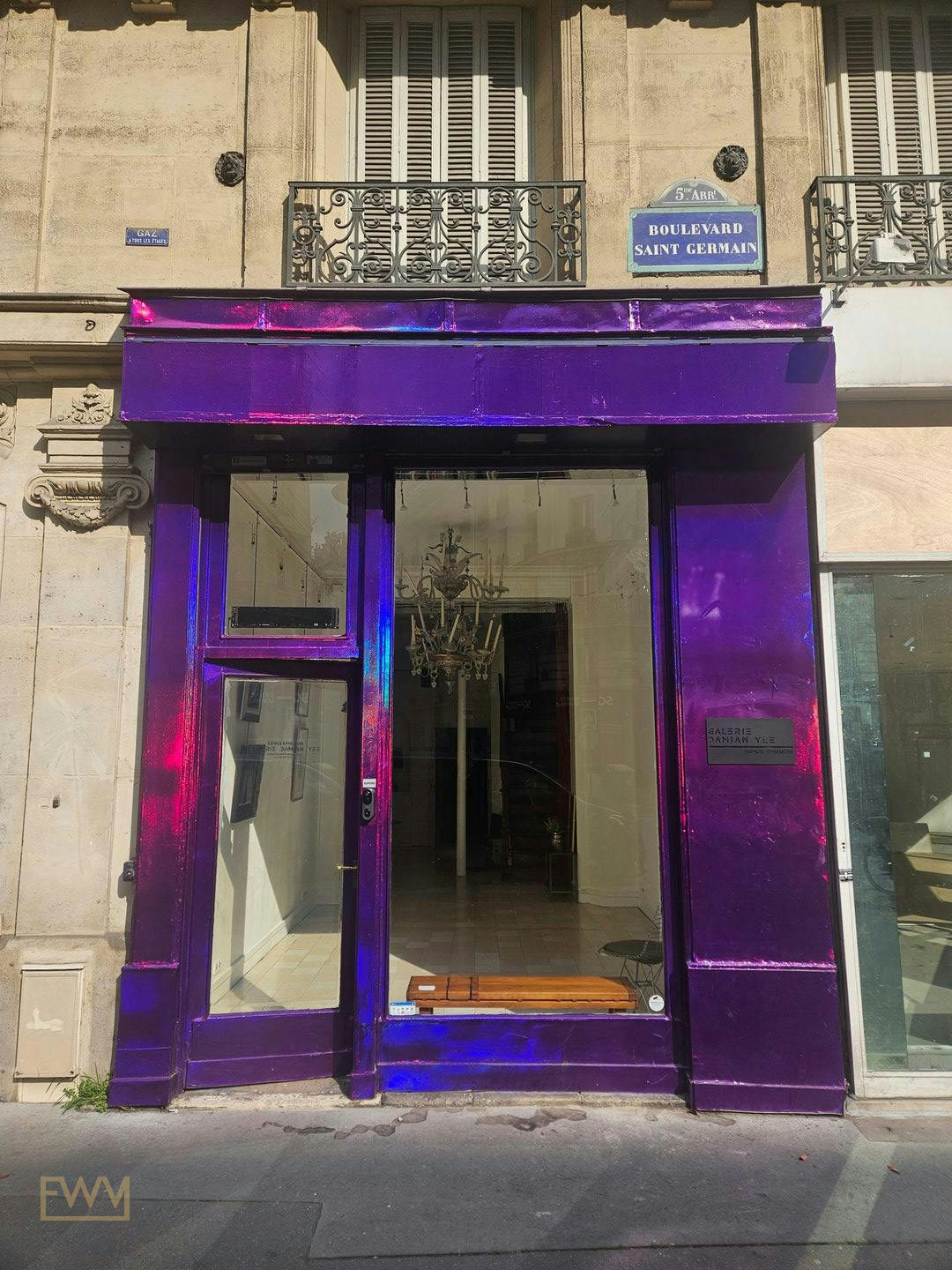
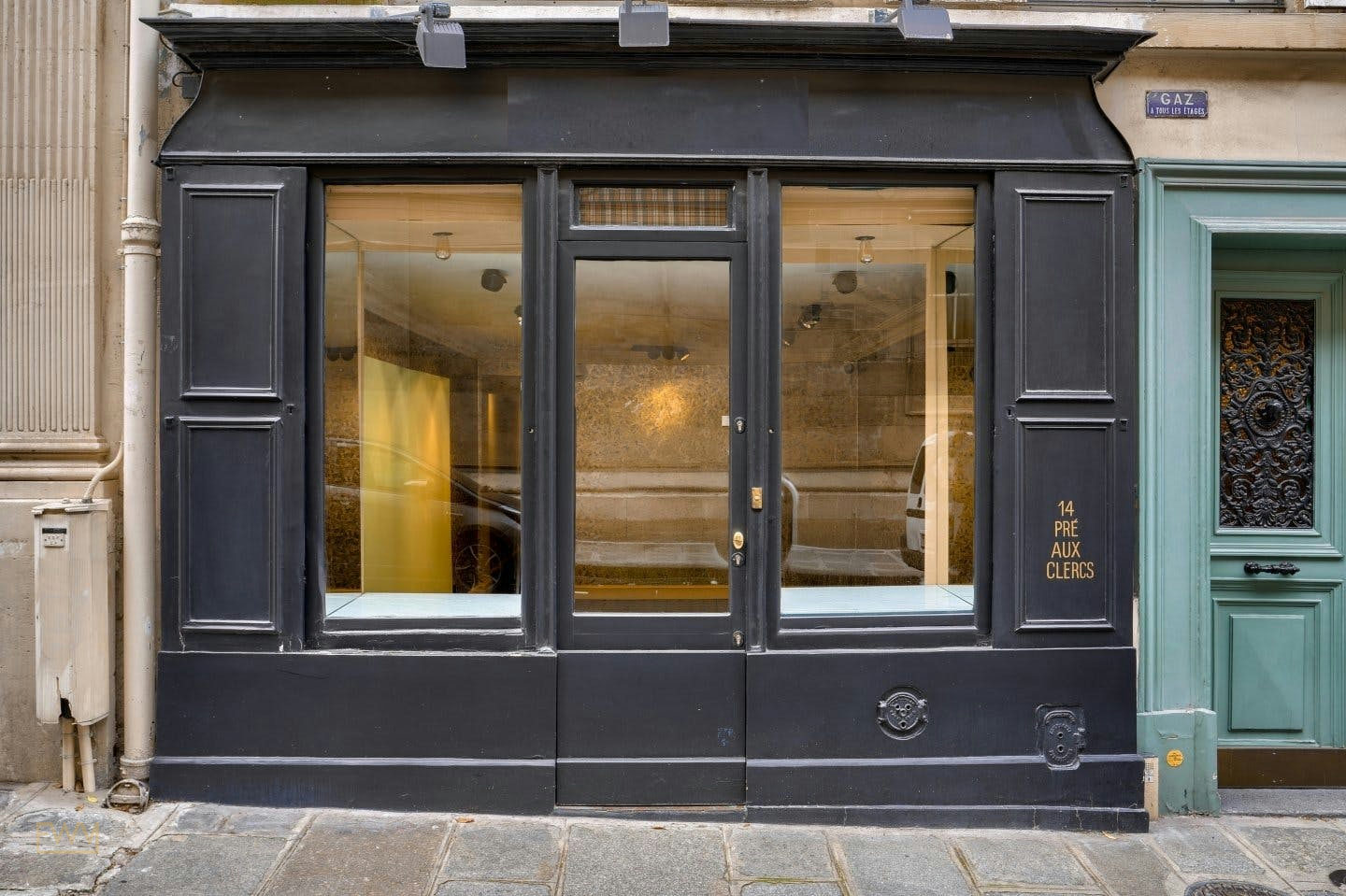
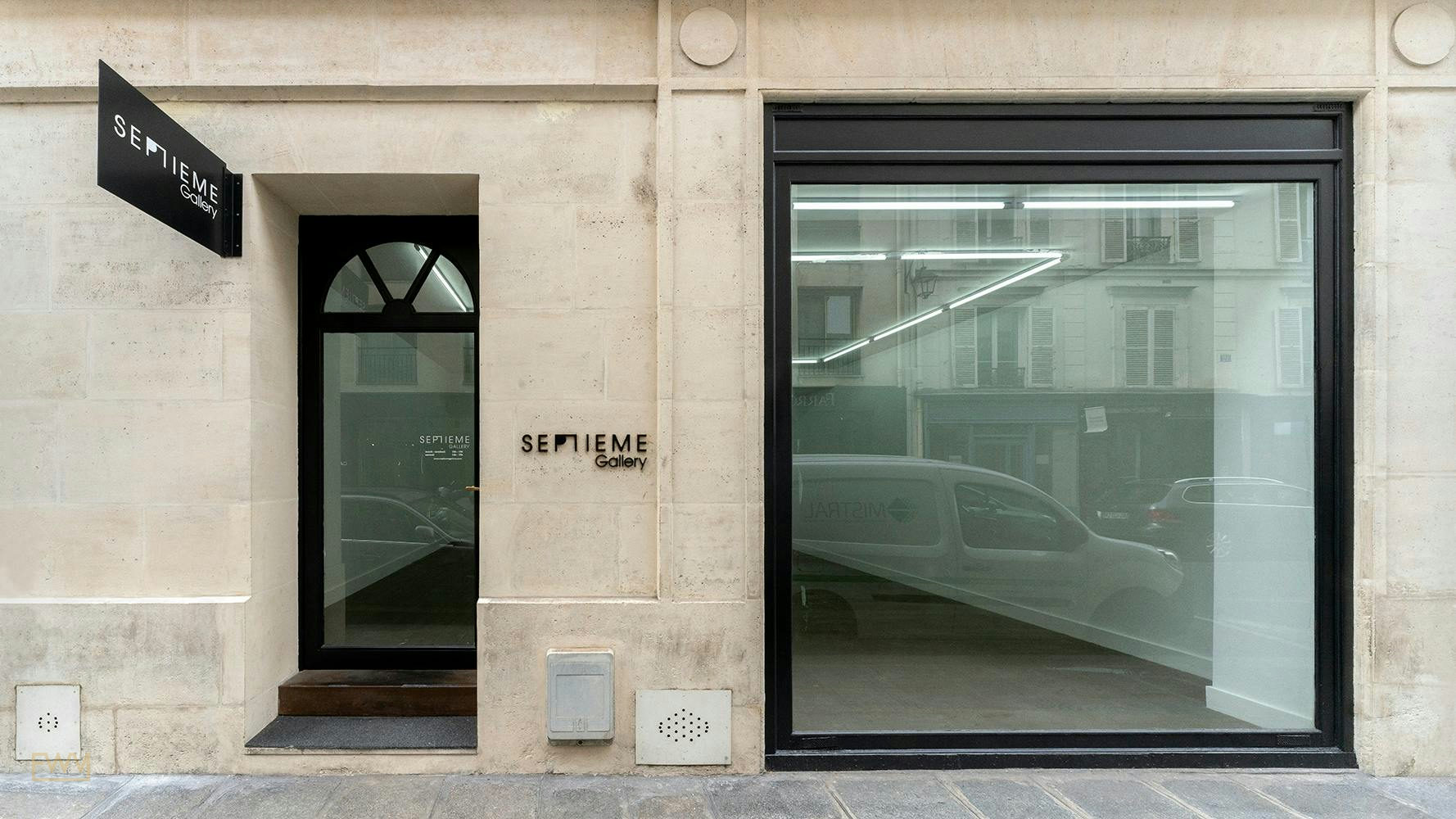
Securing a short term retail lease Saint Germain is one of the most strategically powerful moves a fashion brand, luxury label, or emerging designer can make in Paris. Saint-Germain-des-Prés sits at the intersection of cultural authority and commercial density, drawing an audience of affluent residents, international tourists, and industry insiders who expect precisely the kind of curated, experiential retail that a well-executed pop-up or temporary showroom delivers. Whether your goal is a seasonal boutique on Boulevard Saint Germain, a gallery-style presentation on Rue de Seine, or a discreet showroom near Rue de Lille, the neighbourhood offers a range of venue formats that few other locations in the world can match. Fashion Week Venues specialises in sourcing, producing, and managing these activations so that brand teams can move quickly, compliantly, and creatively in one of the world's most demanding retail environments.
Why Saint-Germain-des-Prés Remains the Gold Standard for Short-Term Retail in Paris
Saint-Germain-des-Prés is not simply a prestigious postcode. It is a living endorsement for any brand that occupies it. Located in the 6th arrondissement on the Left Bank of the Seine, the neighbourhood combines centuries of intellectual and artistic heritage with one of the highest concentrations of luxury boutiques, independent galleries, and editorial-quality retail spaces in Europe. A short term retail lease here places your brand directly in front of the consumers who set taste, drive press coverage, and influence purchasing decisions globally.
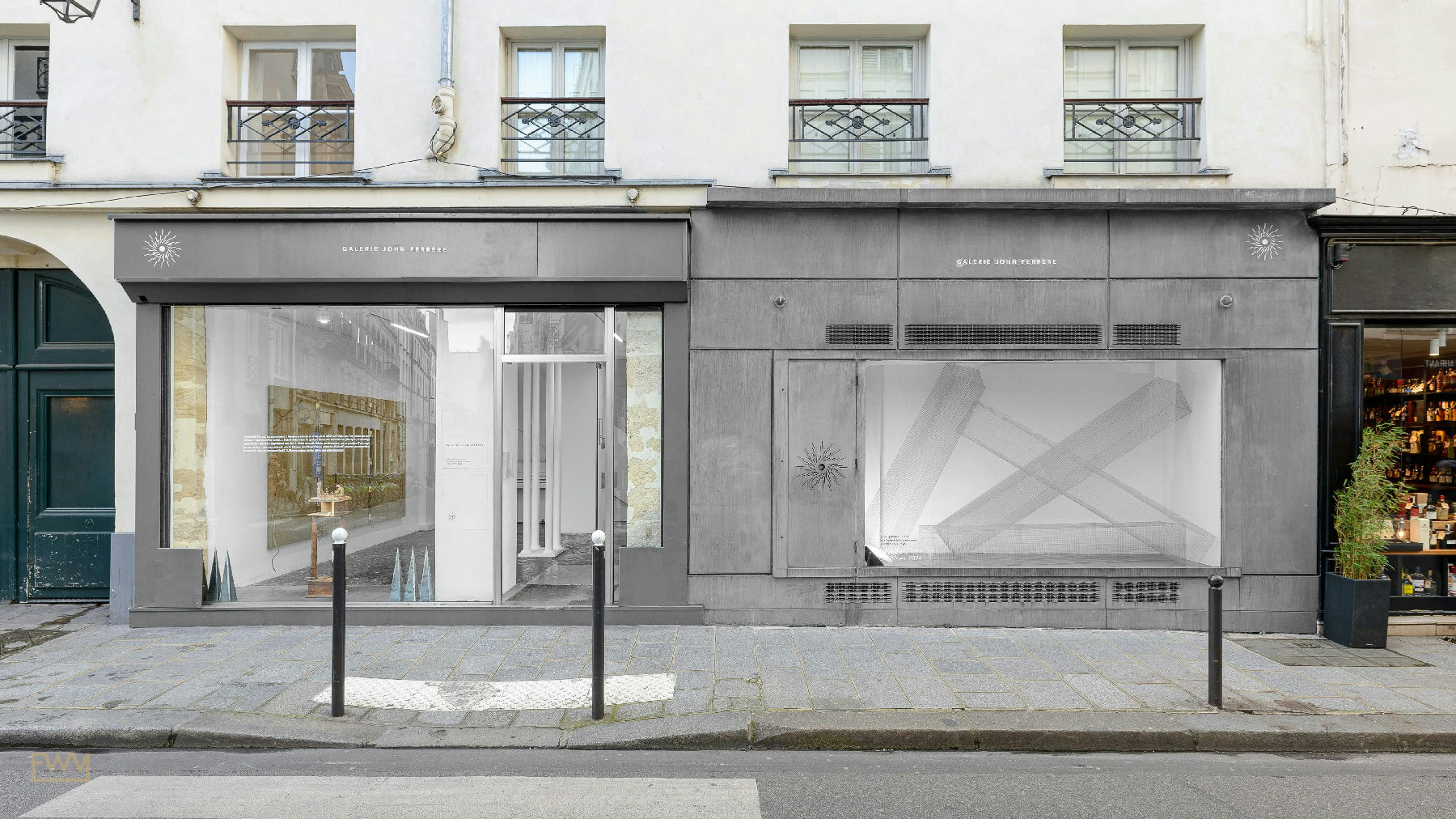
The streets running off Boulevard Saint Germain tell the full story of the neighbourhood's commercial character. Rue de Seine hosts a string of art galleries and design-led concept stores. Rue de Lille offers quieter, more residential premises that suit private showrooms and press days. The broader Saint-Germain-des-Prés catchment includes proximity to the Luxembourg Gardens, the Institut de France, and the Left Bank's dense concentration of cultural institutions, all of which funnel a consistent stream of high-net-worth visitors through the area throughout the year.
The neighbourhood's retail offer is dominated by established luxury maisons, independent French boutiques, and a growing number of international brands using temporary formats to test the market. Major names including Louis Vuitton and Ladurée maintain a permanent presence here, and their proximity raises the ambient expectation for design quality, service standard, and visual merchandising. For brands entering the neighbourhood on a short-term basis, this means that fit-out quality, product presentation, and customer experience must meet an unusually high bar from day one.
Foot traffic in Saint-Germain-des-Prés is notably different from other Paris retail districts. It skews older, wealthier, and more internationally diverse than Marais or Oberkampf, with a particular concentration of American, British, and Japanese visitors who are active fashion consumers. This makes the neighbourhood especially well-suited to brands with an established international identity looking to reinforce their positioning in Paris rather than build it from scratch.
For brands comparing Paris locations, the 6th arrondissement occupies a distinct tier. The Champs-Élysées in the 8th delivers volume and visibility at global scale, as demonstrated by major new store openings that have attracted significant press attention for their scale and experiential ambition. Saint-Germain offers something different: selectivity, intimacy, and cultural weight that translates directly into editorial coverage and word-of-mouth among the people who matter most to luxury and contemporary fashion brands.
DID YOU KNOW: The 6th arrondissement has one of the lowest commercial vacancy rates in Paris, which means that short-term lease opportunities in Saint-Germain-des-Prés are genuinely limited at any given moment and require early identification and rapid decision-making.
KEY TAKEAWAY: Saint-Germain-des-Prés offers a combination of cultural authority, affluent foot traffic, editorial adjacency, and architectural quality that makes it the most strategically valuable neighbourhood in Paris for premium pop-up stores, temporary showrooms, and short-term retail activations.
Understanding what makes this neighbourhood exceptional helps clarify the specific space types that perform best within it, which the next section addresses in detail.
Retail Space Types Available for Short Term Leases in Saint Germain
Quick answer: Saint-Germain-des-Prés offers a wide range of space types for short-term retail leases, including boutique street-level stores, gallery spaces, loft-style venues, private showrooms, and experiential activation spaces. The right format depends on your brand's objectives, audience, product category, and duration of activation.
The variety of space types available in Saint-Germain reflects the neighbourhood's layered character. From double-height street-facing boutiques on Boulevard Saint Germain to discreet courtyards accessible only through unmarked doorways, the architectural vocabulary of the 6th arrondissement is rich and varied. Each space type serves different brand objectives, and selecting the right format is the first real decision any brand team must make before they begin negotiating lease terms.
Boutique and Street-Level Retail Spaces
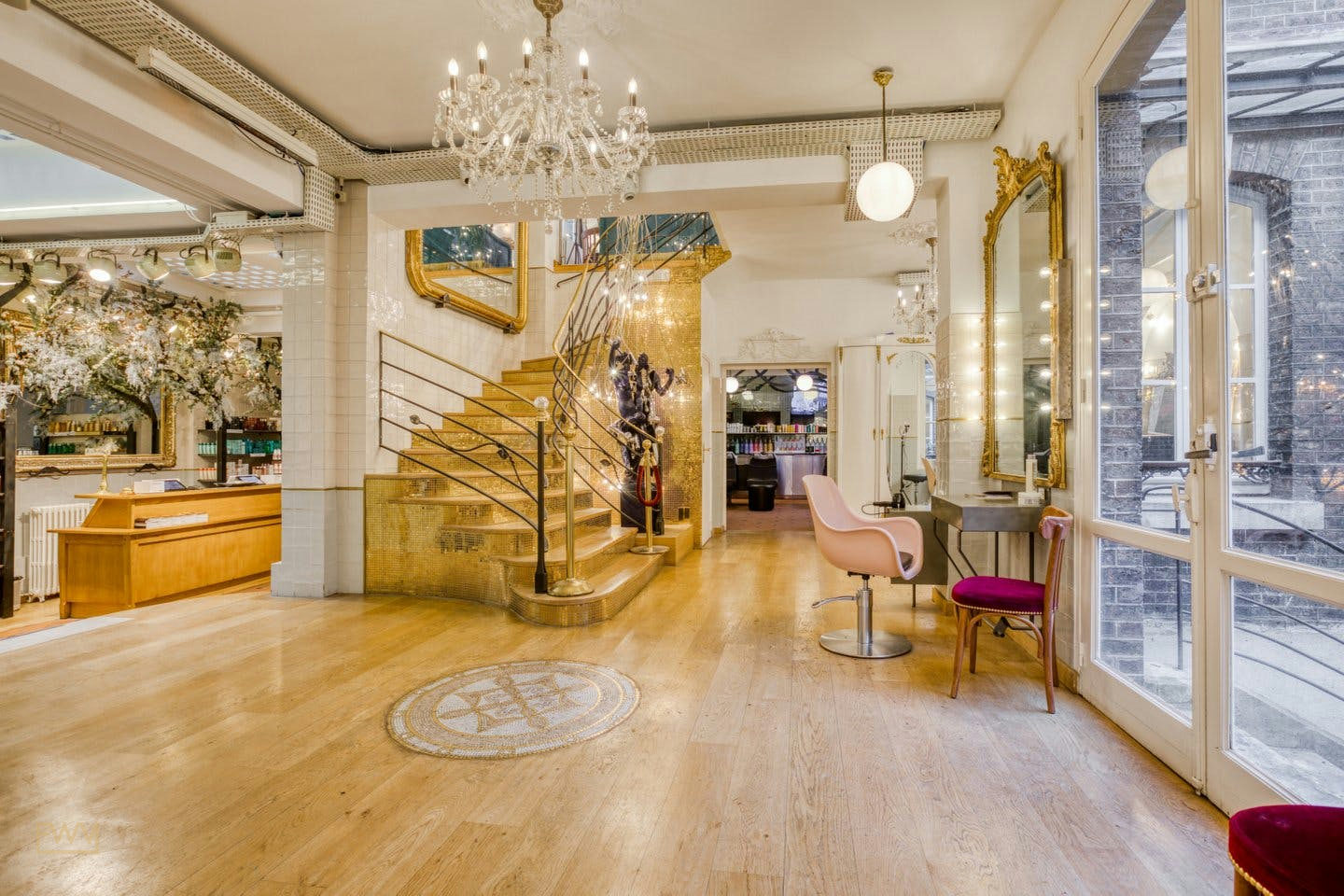
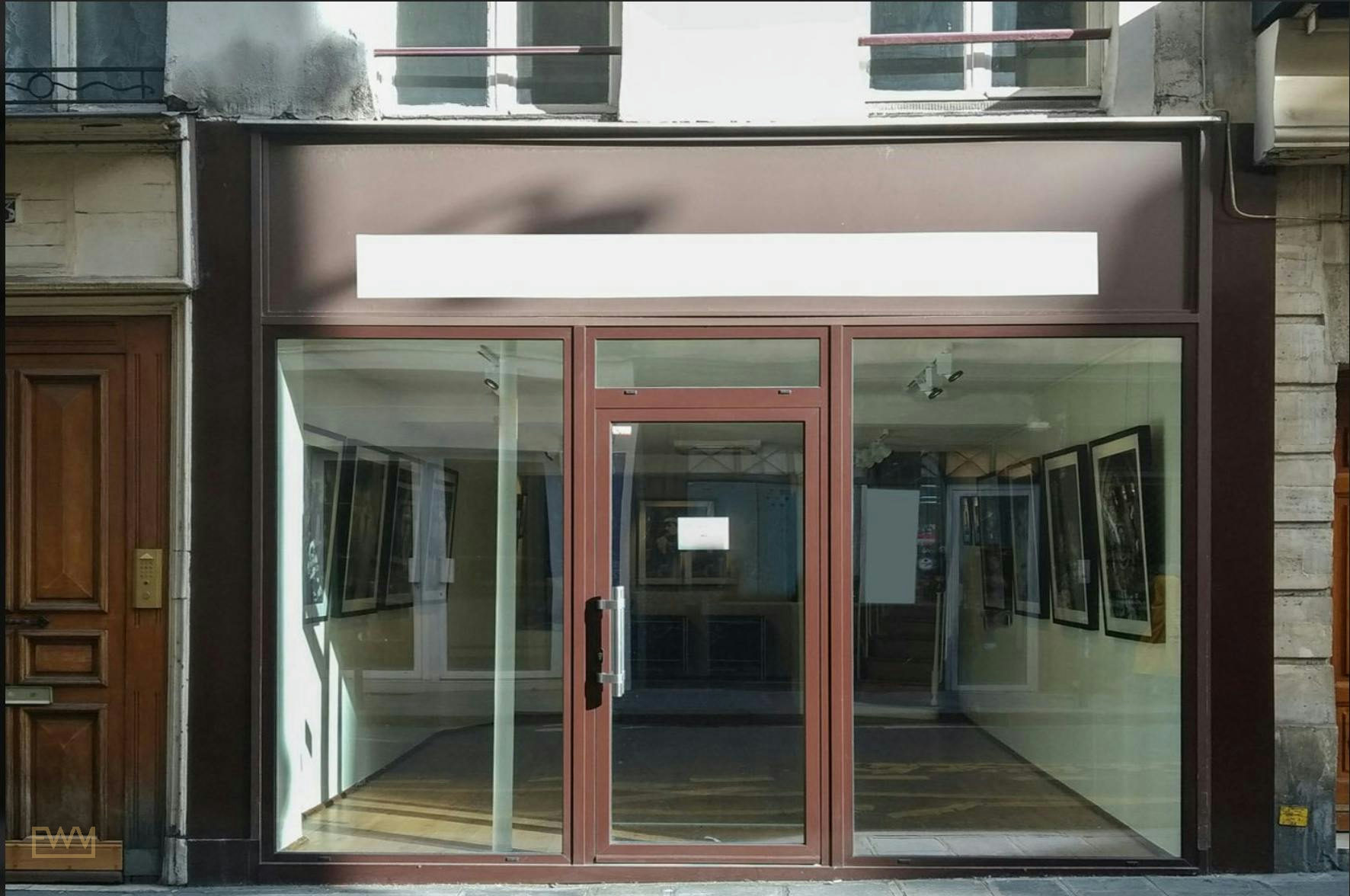
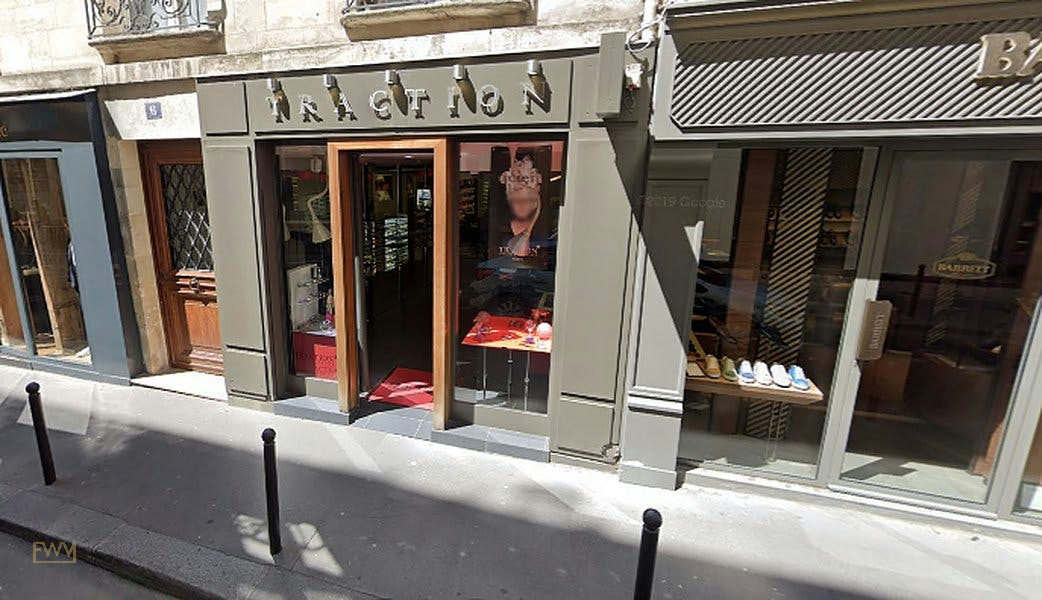
Street-level boutique spaces in Saint-Germain are the most visible and commercially direct option. These are typically former fashion boutiques or lifestyle stores with glazed frontages, prepared flooring, and existing fitting room infrastructure. They range in size from compact 30 to 50 square metre units to larger flagship-scale premises exceeding 150 square metres. Visual merchandising opportunities are strong, and the direct access to pedestrian flow on streets like Boulevard Saint Germain makes them well-suited to brands seeking immediate consumer engagement and walk-in traffic.
Gallery Spaces and Art Galleries
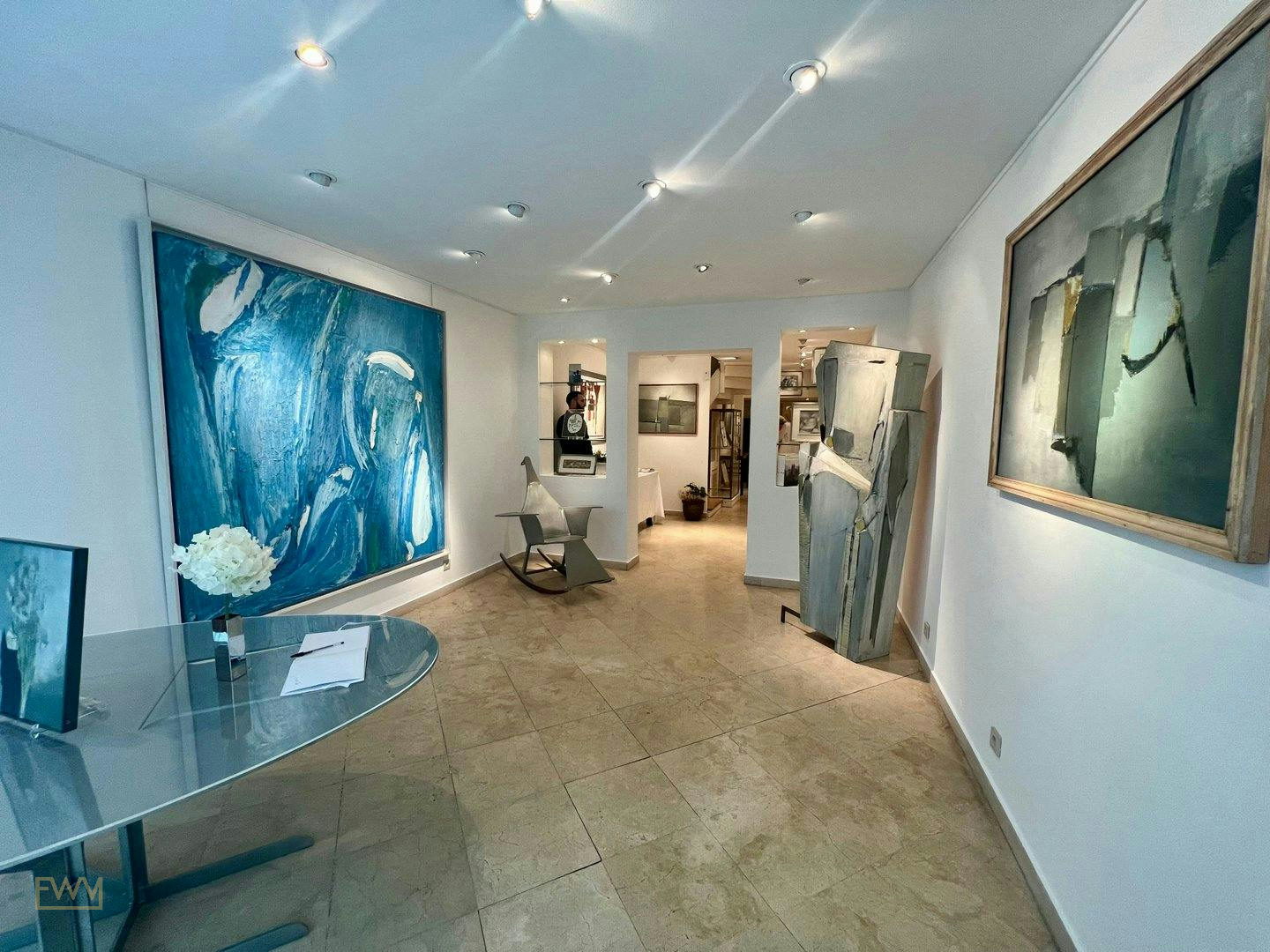
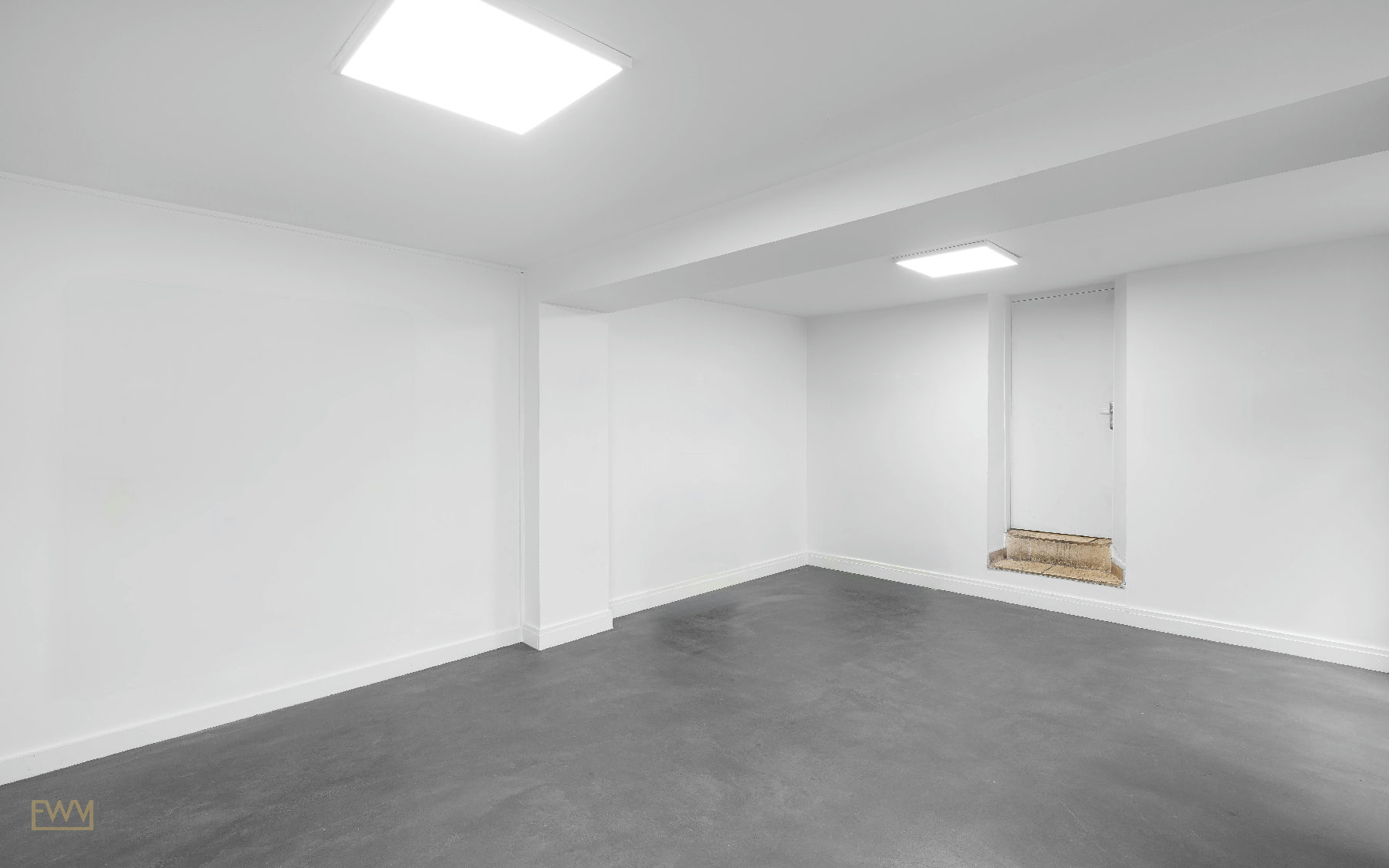
The gallery space format is one of the most distinctive offerings in Saint-Germain. The neighbourhood's dense concentration of established art galleries on streets including Rue de Seine means that many of these premises become available for short-term retail use between exhibition periods. A Galerie or Galerie D'art format typically features white walls, polished concrete or parquet floors, track lighting, and double-height ceilings that provide an exceptional backdrop for product-led or experiential activations. These spaces suit fashion brands, jewellery labels, luxury accessories, and any brand that benefits from a curated, editorial presentation format.
Showroom Spaces
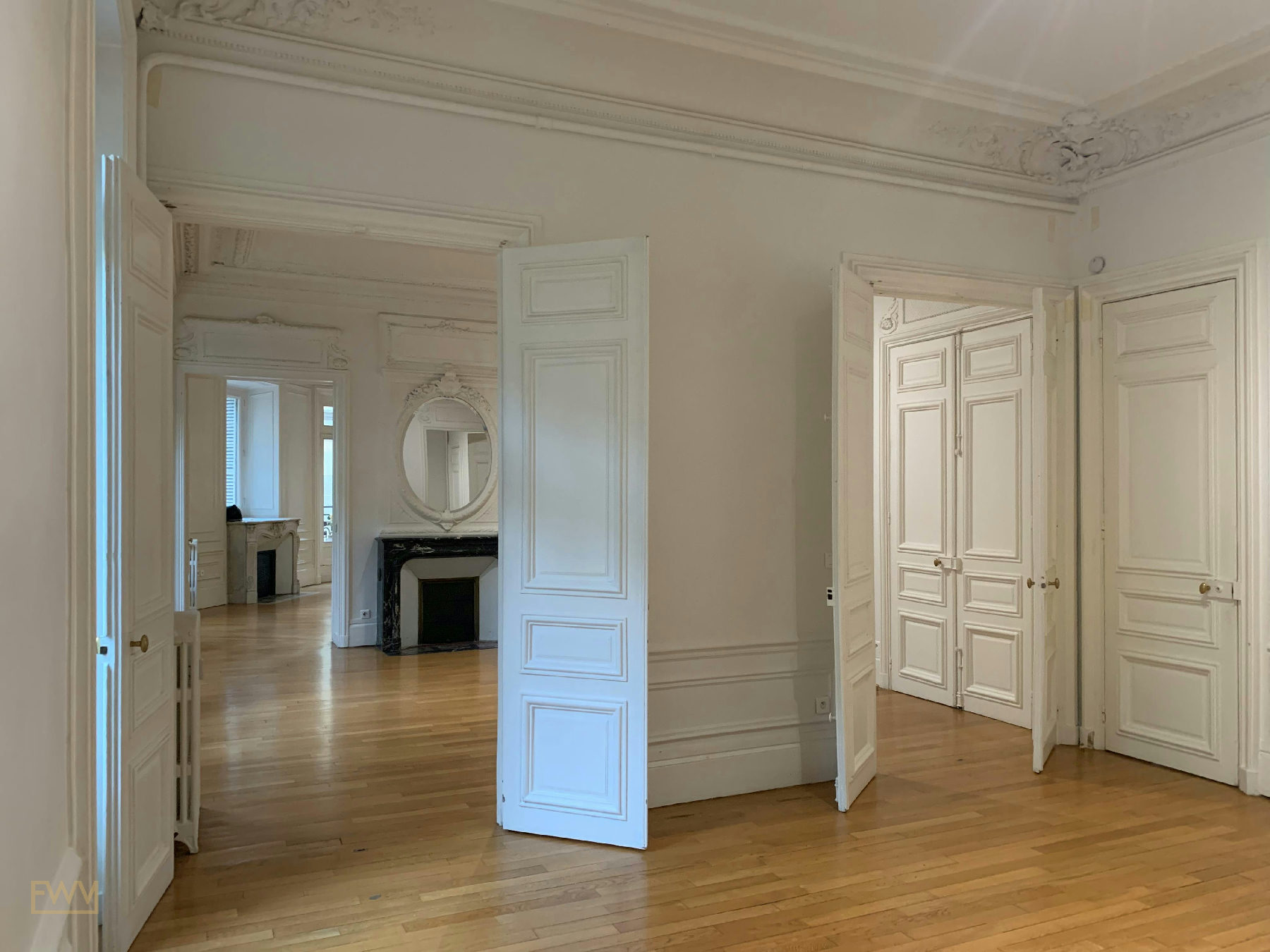
Private showroom spaces in Saint-Germain are typically found in the quieter residential streets of the 6th arrondissement. These premises often occupy the ground floor or first floor of a Haussmann-era building, with original architectural details including ornate cornices, parquet de Versailles flooring, and French windows opening onto interior courtyards. Showroom space is particularly well-suited to wholesale presentations, press days, buying appointments, and private client events where discretion and atmosphere matter more than walk-in foot traffic. Rue de Lille and the streets between Rue du Bac and the Institut de France are among the most sought-after showroom corridors in Paris.
Loft and Multi-Level Spaces
Loft-style spaces in Saint-Germain tend to occupy converted former workshops or upper floors of commercial buildings. These venues offer open-plan layouts, raw or semi-finished finishes, and a flexibility that suits brands needing to create immersive environments from scratch. The floor size in these venues can vary considerably, and brands should request precise measurements before committing, as loft spaces in Paris historic buildings sometimes have irregular geometries that affect usable retail floor area.
Experiential Activation Spaces
A growing category of Saint-Germain venues is specifically configured for experiential retail activations. These spaces may include built-in technology infrastructure, flexible partition systems, or pre-existing lounge and hospitality areas that support event formats ranging from product launches to VIP shopping events and press previews. Experiential activation space in this neighbourhood is in high demand during Paris Fashion Week and the surrounding calendar windows.
| Space Type | Best For | Typical Size Range | Key Features |
|---|---|---|---|
| Street-Level Boutique | Consumer retail, walk-in traffic | 30 to 200 sq m | Glazed frontage, high footfall, prepared retail fit-out |
| Gallery Space | Editorial presentations, product launches | 50 to 300 sq m | White walls, track lighting, high ceilings |
| Showroom Space | Wholesale, press days, buying appointments | 40 to 150 sq m | Residential feel, architectural details, discretion |
| Loft Space | Immersive builds, flexible activations | 80 to 400 sq m | Open plan, raw finishes, design flexibility |
| Experiential Activation Space | Events, VIP experiences, brand launches | 60 to 250 sq m | Tech infrastructure, hospitality zones, flexible layout |
TIP: If your brand requires a specific aesthetic, such as track lighting, white walls, or wood-panelled interiors, communicate these requirements clearly at the briefing stage. The right venue match at the start of the process saves significant fit-out cost and build time later.
KEY TAKEAWAY: Saint-Germain-des-Prés offers a genuinely diverse inventory of short-term retail space formats, from white-cube gallery spaces to intimate showrooms and street-facing boutiques. The correct format is determined by your activation objectives, not by availability alone.
Once the space type is established, the practical mechanics of the short-term lease itself become the central concern, and this is where many international brands encounter their first significant complications.
How Short Term Retail Leases Work in France: Legal Frameworks, Permits, and Key Terms
Quick answer: Short-term retail leases in France are typically structured under a bail dérogatoire or a convention d'occupation précaire, both of which differ substantially from standard commercial leases. International brands must understand these legal frameworks before signing any agreement, and compliance requirements vary by space type, duration, and specific location within Paris.
French commercial property law is detailed and specific, and the rules governing short-term retail use in Paris do not translate directly from the legal frameworks that brands may be familiar with in the United Kingdom, United States, or other major fashion capitals. Understanding the available legal structures at the outset protects brands from unexpected obligations and ensures that the lease agreement genuinely reflects the temporary nature of the activation.
Bail Dérogatoire
The bail dérogatoire, sometimes referred to as a short-term commercial lease, is the principal legal instrument for temporary retail occupation in France. Under French law, a bail dérogatoire can be concluded for a maximum duration of three years. Once this cumulative limit is reached, the lease automatically converts to a standard 3-6-9 commercial lease, which carries far more significant obligations for both the tenant and the landlord. For brand activations lasting days, weeks, or a few months, the bail dérogatoire provides an appropriate framework, but brands must ensure that the total duration of any successive short-term agreements with the same landlord does not inadvertently trigger automatic conversion.
Convention d'Occupation Précaire
The convention d'occupation précaire is a more flexible instrument used when the temporary nature of the occupation is justified by an external circumstance, such as a pending sale, a planned renovation, or a transitional period in the property's use. These conventions are not subject to the same statutory protections as a commercial lease, which means that the landlord retains significant flexibility to terminate the arrangement at short notice. For brands seeking maximum flexibility for very short-term activations, this structure can be advantageous, but it also carries risks that make specialist legal review essential.
Autorisation d'Occupation Temporaire
An Autorisation d'Occupation Temporaire, commonly abbreviated to AOT, applies to situations where the space occupied is part of the public domain, such as certain ground-floor commercial units in publicly owned buildings, or where the activation involves use of public space adjacent to a private venue. AOTs are granted by the relevant public authority and carry their own compliance requirements, including restrictions on signage, hours of operation, and the nature of the commercial activity conducted.
IMPORTANT: Requirements for permits, insurance, and compliance vary by space type, duration, intended use, and the specific arrondissement in which the space is located. Always verify requirements with a qualified French legal advisor before signing any agreement. Fashion Week Venues provides directional guidance through its permit planning tool, but this does not constitute legal advice.
For practical permit planning support, the permit guidance tool on Fashion Week Venues provides a useful starting framework for understanding the documentation typically required for different space types and durations in Paris.
Insurance, Security Deposit, and Supporting Documentation
French landlords routinely require a Certificate of Insurance, a security deposit, and in many cases a Business Plan or brand presentation as part of the lease application process. The insurance requirement typically includes public liability cover and, depending on the space, contents and fit-out insurance. The security deposit amount varies by landlord and space, but one to three months of rent is common for short-term commercial arrangements. Brands should also be prepared to provide company registration documents and evidence of financial standing, particularly when dealing with prestigious private landlords who are selective about the tenants they admit to their properties.
KEY TAKEAWAY: Short-term retail leases in France operate under specific legal frameworks that differ materially from standard commercial leases. The bail dérogatoire is the most commonly used instrument for temporary retail activations, but compliance obligations including insurance, permits, and documentation vary by space and must be verified with specialist advisors before commitment.
With the legal framework understood, the next critical factor for any brand team is the cost structure of a short-term lease in Saint-Germain, which requires careful planning and realistic budget modelling.
Cost of a Short Term Retail Lease in Saint Germain: Budget Planning and Financial Considerations
Quick answer: The cost of a short-term retail lease in Saint-Germain-des-Prés reflects the neighbourhood's premium positioning and limited supply. Costs depend on space size, duration, location within the neighbourhood, time of year, and fit-out requirements. Brands should build a full Financial Pro Forma that covers rent, fit-out, staffing, permits, insurance, and operational costs before committing to a space.
Cost transparency is one of the most common challenges that international brands face when entering the Paris market. Rental rates in Saint-Germain-des-Prés are not publicly listed in any standardised way, and the variation between spaces on the same street can be significant depending on floor size, condition, heritage status of the building, and the landlord's assessment of the brand's prestige value. This opacity makes independent research difficult and specialist market knowledge genuinely valuable.
Rather than publishing rental rate figures that may not reflect current market conditions or your specific space requirements, Fashion Week Venues recommends using the budget estimation tool to generate a directional cost model based on your target neighbourhood, space type, duration, and activation scope. This approach ensures that cost planning reflects real variables rather than outdated or geographically imprecise benchmarks.
Components of a Full Activation Budget
A realistic Financial Pro Forma for a Saint-Germain pop-up store or short-term retail lease must account for the following cost categories:
- Rent: The base rental rate for the space, which may be expressed per day, per week, or per month depending on the lease structure and the landlord's preferences.
- Security deposit: Typically one to three months of rent, held by the landlord and returned at the end of the lease subject to the condition of the space.
- Fit-out and production: Costs for designing, building, and installing the temporary interior, including fixtures, furniture, wall treatments, lighting, and branded elements.
- Furniture rental: Where a full bespoke fit-out is not required, furniture rental can provide a cost-effective and flexible solution for showrooms and event-format activations.
- Permits and compliance: Costs associated with obtaining any required permits, registrations, or authorisations for commercial activity in the space.
- Retail staffing: Salaries or fees for sales associates, store managers, and any specialist staff required for the activation.
- POS and payments: Point-of-sale technology, payment processing, and any inventory management systems required for the duration of the lease.
- Insurance: Public liability, contents, and any specific insurance required by the landlord or by French law for the type of commercial activity being conducted.
- Marketing and activations: Budget for press outreach, influencer events, social content production, and any paid media activity associated with the pop-up opening.
ROI Modelling for Short-Term Retail
Many brand teams evaluate a Saint-Germain pop-up primarily in terms of direct revenue. However, the full return on a short-term retail lease in this neighbourhood extends well beyond transactions. Brand awareness among high-value consumers, editorial press coverage, social media reach generated by visitors and influencers, wholesale relationship development through showroom formats, and the long-term brand-building value of a Paris presence all contribute to the return on investment. The ROI calculation tool on Fashion Week Venues helps brand teams model both direct and indirect returns so that the case for investment can be made internally with full financial rigour.
DID YOU KNOW: Brands that model the full return on a Paris pop-up, including press value, social reach, and wholesale leads generated, often find that the effective cost per impression compares favourably with equivalent paid media spend in the same period.
KEY TAKEAWAY: The true cost of a short-term retail lease in Saint-Germain-des-Prés must be understood as a full activation budget, not simply a rent figure. Building a complete Financial Pro Forma before committing to a space ensures that the activation is funded appropriately and that ROI expectations are set realistically.
Cost planning is most effective when combined with careful calendar planning, because the timing of your activation determines both the cost of the space and the size of the audience you will reach.
Timing Your Saint Germain Pop-Up: Calendar Windows, Fashion Week, and Seasonal Strategy
Quick answer: The optimal timing for a short-term retail lease in Saint-Germain-des-Prés depends on your brand's audience, objectives, and budget. Paris Fashion Week creates the highest-demand window with the most concentrated industry audience, but other calendar periods including January, June, September, and the pre-Christmas season offer strong retail conditions at varying cost levels.
Paris operates on a fashion and retail calendar that creates predictable peaks and troughs in both space availability and audience concentration. Understanding this calendar is essential for brands seeking to maximise the impact of a short-term lease in Saint-Germain, because the same space at different times of year can deliver dramatically different results.
Paris Fashion Week Windows
Paris Fashion Week occurs twice annually, with women's ready-to-wear collections shown in late February and early March, and again in September and early October. Men's fashion week runs in January and June. These periods bring the global fashion industry to Paris in concentrated form, including buyers, editors, stylists, photographers, influencers, and high-net-worth consumers who attend shows and events throughout the city. For brands with a wholesale component, a showroom in Saint-Germain during these windows provides direct access to the most commercially significant audience in fashion. For consumer brands, the elevated media attention and influencer density during fashion week amplifies the reach of any activation many times beyond its physical footprint.
The demand for quality short-term spaces during fashion week is correspondingly intense, and brands should begin their space search at least three to six months before their target dates. The timeline planning tool provides a structured framework for managing the full sequence of tasks from initial briefing to activation day.
Pre-Christmas and Seasonal Retail Windows
The November and December period delivers consistently strong foot traffic in Saint-Germain, driven by the combination of the neighbourhood's affluent local resident base, international tourism, and the cultural programme of exhibitions and events that Paris sustains through the autumn and winter. A short-term boutique lease during this period can generate significant direct retail revenue, particularly for brands in gifting-relevant categories including accessories, fragrance, homeware, and food and beverage.
Beyond Fashion Week: Year-Round Opportunity
While fashion week creates the most industry-concentrated window, Saint-Germain maintains high quality foot traffic throughout the year. The neighbourhood's cultural institutions, restaurant scene, and gallery programme sustain a consistent audience of engaged, culturally aware consumers who are receptive to well-executed retail experiences. Brands looking for lower competition for spaces and more negotiating flexibility may find that activations outside the peak fashion week windows offer a better cost-to-impact ratio, particularly if their audience is consumer-facing rather than industry-focused.
| Calendar Window | Primary Audience | Space Competition | Best For |
|---|---|---|---|
| Paris Women's Fashion Week (Feb/Mar) | Industry: buyers, press, influencers | Very high | Showrooms, press days, brand presentations |
| Paris Men's Fashion Week (Jan) | Industry + consumer | High | Menswear brands, accessories, concept stores |
| June (Men's FW + couture) | Industry + tourist | High | Luxury brands, experiential activations |
| September Fashion Week | Industry: buyers, press, influencers | Very high | Showrooms, new season launches, retail pop-ups |
| November to December | Consumer, tourist, local resident | Moderate | Gifting, seasonal retail, boutique pop-ups |
| April to May | Tourist, local consumer | Low to moderate | Brand testing, longer-term pop-ups, lower budgets |
TIP: If your brand requires a specific duration such as one week for a showroom or one month for a consumer-facing boutique, identify your ideal calendar window first and then search for spaces, rather than the reverse. Space selection driven by availability rather than strategy rarely delivers optimal results.
KEY TAKEAWAY: Calendar timing is a strategic decision, not an operational afterthought. The right window for your Saint-Germain activation depends on whether your primary audience is industry or consumer, and whether your budget is calibrated for peak or off-peak market conditions.
With timing established, the next step is the practical process of finding, evaluating, and securing the right space, which is where specialist support makes the largest difference to both outcome and efficiency.
Finding the Right Space: The Venue Sourcing Process for Saint Germain
Quick answer: Identifying the right short-term retail space in Saint-Germain-des-Prés requires a combination of market access, brand brief clarity, neighbourhood knowledge, and speed of decision-making. The process typically involves briefing, space search, shortlisting, site visits, negotiation, and documentation, and it benefits significantly from specialist agency support given the opacity of the Paris short-term leasing market.
The short-term retail space market in Saint-Germain-des-Prés operates very differently from the structured commercial property markets that brands may be familiar with in London or New York. Many of the best spaces in the neighbourhood are not publicly listed and become available through private networks, direct relationships with building owners, or through specialist agencies with ongoing landlord relationships. This means that independent online searches, while useful for initial orientation, rarely surface the full inventory of available spaces at any given time.
Step 1: Define Your Brief
Before approaching any space or agency, your team needs a clear brief that specifies your target space type, size range, preferred street or sub-area within Saint-Germain, dates, duration, budget envelope, fit-out requirements, and intended use. A precise brief dramatically reduces the time lost evaluating unsuitable spaces and signals to landlords and agents that your team is a credible, prepared operator.
Step 2: Access the Market
The Paris short-term retail space market has two primary access routes: direct engagement with landlords through public listings or known contacts, and engagement with specialist agencies or space marketplaces that maintain curated inventories of available venues. For brands without existing Paris market relationships, the specialist route is typically faster and more likely to surface genuinely suitable options. To begin browsing available options across Paris, the Fashion Week Venues space marketplace provides a curated inventory of verified short-term venues across the city's key retail neighbourhoods.
Step 3: Shortlist and Site Visit
Once a shortlist of three to five suitable spaces has been identified, site visits are essential. Even the most detailed photographs and floor plans do not fully convey a space's light quality, ceiling height, acoustic character, neighbourhood context, or the practical logistics of access, loading, and waste management. During site visits, brands should assess all of these factors as well as the existing condition of the space, which determines fit-out cost and build time requirements.
Step 4: Negotiate and Document
Short-term lease negotiation in Saint-Germain involves not only the rental rate but the lease structure, deposit terms, fit-out and reinstatement obligations, permitted use, hours of operation, and any restrictions on signage, events, or alterations. All of these terms should be clearly documented before any payment is made, and the final agreement should be reviewed by a qualified French legal advisor before signing.
| Stage | Key Tasks | Typical Timeline | Responsible Party |
|---|---|---|---|
| Brief definition | Space type, size, dates, budget, objectives | Week 1 | Brand team |
| Market access | Agency briefing, marketplace search, landlord outreach | Weeks 1 to 2 | Brand team and agency |
| Shortlisting | Option evaluation, floor plan review, pricing assessment | Weeks 2 to 3 | Brand team and agency |
| Site visits | In-person assessment, technical survey, neighbourhood evaluation | Weeks 3 to 4 | Brand team, agency, production |
| Negotiation | Rental terms, deposit, permitted use, fit-out obligations | Weeks 4 to 6 | Agency, legal advisor |
| Documentation | Lease signing, insurance, permits, deposit payment | Weeks 6 to 8 | Brand team, legal advisor, agency |
| Fit-out and build | Interior design, construction, visual merchandising | Weeks 8 to 12 | Production team, brand team |
| Activation | Opening, operations, staffing, events | Activation period | Brand team, operations |
KEY TAKEAWAY: The venue sourcing process for a short-term retail lease in Saint-Germain is structured, time-intensive, and requires market access that independent brands rarely possess. Beginning the process three to six months before your target activation date and engaging specialist support at the briefing stage are the two most effective ways to secure the right space at the right terms.
Once the space is secured, the focus shifts entirely to design, production, and the operational management of the activation itself, which is the domain where brand teams most often need specialist support.
Design, Fit-Out, and Visual Merchandising for Saint Germain Pop-Up Stores
The design standard expected in Saint-Germain-des-Prés is high. The neighbourhood's existing retail tenants, from established luxury maisons to independent concept stores, set an ambient expectation for interior quality that any temporary activation must meet if it is to be taken seriously by the press, influencers, and consumers who will encounter it. A well-designed short-term retail space in this neighbourhood functions as a physical embodiment of the brand, and the investment in design and production is one of the highest-impact elements of the total activation budget.
The visual experience of a Saint-Germain pop-up begins on the street. Window displays, external signage, lighting visible through the glazed frontage, and the condition of the entrance all form the first impression that passing consumers receive before they decide whether to enter. This external layer of design must be planned as carefully as the interior, and in many cases landlords impose restrictions on the type of external signage or window treatments that are permitted, which makes early discussion of these parameters essential.
Interior Design Considerations
Interior design for a Saint-Germain short-term lease must navigate two competing requirements: the brand's need to express its identity clearly and consistently, and the landlord's requirement to receive the space back in its original condition at the end of the lease. This reinstatement obligation means that all fit-out elements must either be fully reversible or covered by a specific arrangement with the landlord. Modular, free-standing fixtures, temporary wall coverings, and removable lighting tracks are commonly used in short-term retail contexts precisely because they allow high-quality visual results without permanent alteration to the space.
The choice between classic finishes such as white walls and track lighting, bohemian or warm-toned interiors, and wood-panelled or material-rich environments should be driven by brand identity rather than space availability. A brand with a clean, minimalist identity benefits from a white-cube gallery space on Rue de Seine. A brand with a more artisanal, heritage-oriented aesthetic may find that a parquet-floored, high-ceilinged former apartment on Rue de Lille provides a more resonant backdrop. The imagination tool available through Fashion Week Venues Imagine allows brand teams to visualise different space configurations before committing to a particular direction.
Visual Merchandising in a Short-Term Context
Visual merchandising in a temporary retail environment operates under different constraints than a permanent store. The timeline for installation is typically compressed, the team executing the build may be working in an unfamiliar space, and the product range is often curated specifically for the activation rather than representing the full brand offer. Effective visual merchandising in this context requires clear planning, precise product allocation by zone, and the discipline to edit the presentation rather than defaulting to maximum product density.
Foot traffic analysis is particularly valuable for short-term retail environments where customer flow patterns are not yet established. Understanding how visitors move through the space, where they dwell, and which product zones attract the most engagement allows the visual merchandising to be refined during the activation period rather than remaining static throughout.
TIP: Brief your visual merchandising team on the specific architectural features of the Saint-Germain space before they arrive, including ceiling height, natural light sources, column positions, and any fixed elements that cannot be moved. This preparation dramatically reduces installation time and improves the quality of the final result.
KEY TAKEAWAY: Design and visual merchandising in a Saint-Germain pop-up must meet the neighbourhood's high aesthetic standard while respecting the practical constraints of a short-term lease, including reinstatement obligations and compressed installation timelines. Modular, reversible fit-out solutions combined with precise visual merchandising planning deliver the best results within these constraints.
Exceptional design creates the stage, but the operational delivery of the activation, including staffing, customer experience, and real-time management, determines whether the brand's investment in Saint-Germain actually converts into results.
How Fashion Week Venues Supports Short Term Retail Leases in Saint Germain and Paris
Fashion Week Venues is a full-service pop-up shop agency and space marketplace that operates across the major fashion capitals, with Paris as its anchor market. For brand teams pursuing a short-term retail lease in Saint-Germain-des-Prés or elsewhere in Paris, the agency provides end-to-end support across every stage of the activation lifecycle, from initial space search to post-activation data analysis.
The agency's service offering is structured to meet the needs of brand teams at different stages of readiness. Brands with a clear brief and specific space requirements can use the marketplace and sourcing service to accelerate the search process. Brands that are still defining their Paris strategy can engage the concept direction and brand consultation services to develop an activation brief that reflects both their objectives and the specific opportunities available in the Saint-Germain market.
Services Directly Relevant to Saint Germain Activations
The venue sourcing service provides market access to short-term retail spaces across Paris that are not publicly listed, drawing on the agency's ongoing relationships with building owners, property managers, and specialist landlords in premium neighbourhoods including Saint-Germain-des-Prés, Le Marais, and the 8th arrondissement. The sourcing process is driven by the brand's brief rather than by available inventory, which ensures that the spaces presented are genuinely appropriate rather than simply available.
The production and build service covers the full fit-out process from design concept to completed installation, including the specification of reversible fixture systems that comply with reinstatement obligations in French short-term leases. The retail staffing service provides French-speaking sales associates, store managers, and specialist staff who are experienced in the specific expectations of Saint-Germain consumers and in the operational requirements of short-term retail environments.
The agency's tools suite provides brand teams with practical planning support at every stage. The budget calculator helps teams build a realistic Financial Pro Forma before committing to a space. The timeline tool maps the full sequence of tasks from briefing to activation day. The compare tool allows side-by-side evaluation of shortlisted spaces. The locator tool provides a geographic overview of available spaces within the target neighbourhood.
Who Benefits Most from Fashion Week Venues Support
Fashion Week Venues provides the most value to brand teams that are entering the Paris market for the first time, teams that are operating on compressed timelines, and brands that need end-to-end support across sourcing, design, production, and operations rather than just a space listing. Established Paris brands with existing landlord relationships and French market infrastructure may find specific services such as retail staffing, influencer marketing, or data and analytics more relevant than the full end-to-end offer.
For brands considering a co-activation format, where two complementary brands share a single space to split costs and broaden audience reach, the Twin concept on Fashion Week Venues provides a structured framework for identifying suitable co-activation partners and managing the shared space arrangement. This format is particularly relevant for emerging brands with limited budgets that want access to a Saint-Germain address without bearing the full cost of an exclusive lease.
To compare neighbourhoods, evaluate space options, and understand the full scope of what is possible for your brand in Paris, explore the Paris city hub on Fashion Week Venues and build a focused brief based on your target neighbourhood, space type, calendar window, and budget.
KEY TAKEAWAY: Fashion Week Venues offers a structured, full-service approach to short-term retail activations in Saint-Germain-des-Prés and across Paris, combining private market access for space sourcing with end-to-end production, operational, and analytical support. The agency's tools suite allows brand teams to plan and model their activation independently before engaging full-service support.
Operational Management, Staffing, and Customer Experience in a Saint Germain Pop-Up
A short-term retail lease in Saint-Germain-des-Prés creates a concentrated operational challenge. The timeline is compressed, the audience expectations are high, and the margin for error is narrow because every day of the activation is both a revenue day and a brand impression opportunity. Operational excellence in this environment requires careful advance planning, the right team, and systems that allow real-time adjustment based on what is happening in the space.
Retail staffing is among the most consequential operational decisions for any Saint-Germain activation. The neighbourhood's consumers and visitors are discerning, often multilingual, and experienced in high-quality retail environments. They expect staff who can speak knowledgeably about the brand and its products, engage naturally in French and English, and deliver the kind of personalised customer experience that the neighbourhood's permanent retailers set as the standard. Sourcing, training, and managing the right team for a short-term retail activation in this environment is not straightforward, and it is one of the areas where specialist support from an agency with Paris retail experience makes the largest difference to activation quality.
New Store Opening Processes and Team Coordination
The experience of major brands opening new stores in Paris provides useful lessons for short-term operators. The process of opening a flagship store on the Champs-Élysées, for example, involves multiple teams working in parallel across retail design, training and onboarding, supply chain, communications, and customer experience. The learnings from these large-scale processes, particularly around team coordination, communication, and training, are directly applicable to short-term retail activations even at much smaller scale.
Effective training and onboarding for a short-term retail team requires a compressed but complete induction that covers brand story, product knowledge, customer experience standards, POS and payment systems, visual merchandising guidelines, and operational procedures including opening and closing routines, stock management, and incident response. Building this induction programme in advance and delivering it efficiently on day one or day two of the activation is essential for ensuring consistent performance throughout the lease period.
POS Systems, Payments, and Data Collection
Point-of-sale and payment systems for a short-term retail environment in France must be configured to accept the payment methods most commonly used by French and international consumers, including contactless card, mobile payment, and in some cases cash. The system should also generate transaction data that can be analysed after the activation to evaluate performance by product, day, time period, and customer interaction type. This data provides the evidence base for future investment decisions and for demonstrating activation ROI to internal stakeholders.
Feedback collection, whether through direct conversation, digital mechanisms, or post-visit communication, is a valuable complement to transaction data and provides qualitative insight into the customer experience that quantitative metrics alone cannot capture. Building a structured feedback process into the operational plan from the outset, rather than adding it retrospectively, ensures that the data collected is consistent and usable.
KEY TAKEAWAY: Operational excellence in a Saint-Germain short-term retail activation requires advance planning across staffing, training, POS systems, data collection, and customer experience design. The compressed timeline of a temporary lease amplifies the cost of operational gaps, making thorough preparation the single most important factor in activation performance.
Common Myths About Short Term Retail Leases in Saint Germain Debunked
MYTH: You need a French legal entity to rent a short-term retail space in Saint-Germain-des-Prés.
FACT: Many landlords in Paris will enter into a short-term lease agreement with a foreign company, provided that the company can demonstrate financial standing, provide appropriate insurance, and meet the landlord's documentation requirements. However, some landlords do prefer French entities, and the specific requirements vary by landlord, space, and lease structure. Working with an agency that has established landlord relationships and understands these preferences is the most reliable way to navigate this requirement as a foreign brand.
MYTH: Paris Fashion Week is the only viable calendar window for a Saint-Germain pop-up activation.
FACT: While Paris Fashion Week creates the most concentrated industry audience and generates the highest levels of press and influencer attention, Saint-Germain-des-Prés maintains strong foot traffic and commercially relevant audiences throughout the year. The November to December period, April to May, and the summer months all offer viable windows for consumer-facing activations at potentially lower space costs and with less competition for available venues. The optimal window depends on your brand's audience, objectives, and budget rather than on the fashion calendar alone.
MYTH: A commission broker is the only way to find a short-term retail space in Paris.
FACT: Commission brokers represent one route to market but not the only one. Specialist space marketplaces, full-service pop-up agencies, and direct outreach to building owners are all viable alternatives. Many of the best short-term spaces in Saint-Germain-des-Prés are not publicly listed and are accessible only through private networks or agency relationships. A commission-only broker may not have access to the full inventory of available spaces, particularly at the premium end of the market where landlords are selective about who they work with.
MYTH: Short-term leases in France are legally straightforward and do not require specialist advice.
FACT: French commercial property law is detailed, specific, and does not translate directly from the legal frameworks that international brands may be familiar with. The bail dérogatoire, convention d'occupation précaire, and AOT each carry distinct obligations, rights, and risks. The cumulative duration rules governing the bail dérogatoire, in particular, can create unintended obligations if not properly managed. All short-term lease agreements in France should be reviewed by a qualified French legal advisor before signing, regardless of how straightforward the terms may appear.
MYTH: A short-term retail space in Saint-Germain is only suitable for fashion brands.
FACT: While fashion is the dominant category in Saint-Germain pop-up activations, the neighbourhood's affluent, culturally engaged audience makes it equally suitable for luxury accessories, jewellery, fragrance and beauty, art and design, food and beverage concepts, technology with a lifestyle positioning, and any brand seeking to connect with a high-net-worth, internationally diverse consumer base in Paris. The gallery and showroom space formats in particular are well-suited to non-fashion categories that benefit from an art-adjacent presentation environment.
Frequently Asked Questions About Short Term Retail Leases in Saint Germain
Why should a brand rent a temporary retail space in Saint-Germain-des-Prés rather than another Paris neighbourhood?
Saint-Germain-des-Prés offers a combination of cultural authority, affluent foot traffic, editorial adjacency, and architectural quality that is difficult to replicate elsewhere in Paris. The neighbourhood's audience skews older, wealthier, and more internationally diverse than areas like the Marais or Pigalle, making it particularly well-suited to luxury, premium contemporary, and lifestyle brands. The proximity to the Seine, the Institut de France, and the neighbourhood's dense concentration of galleries and independent boutiques creates an ambient context that elevates any brand associated with it. For brands seeking press coverage, wholesale leads, and high-value consumer engagement, Saint-Germain delivers a quality of audience that is unique in Paris.
What is the most sought-after location for renting a pop-up store within Saint-Germain-des-Prés?
Boulevard Saint Germain is the most visible and commercially active street in the neighbourhood, offering the highest pedestrian volumes and the greatest brand exposure. Rue de Seine is particularly sought-after for gallery-format activations and experiential presentations, given its concentration of established art galleries. Rue de Lille offers a quieter, more residential atmosphere suited to private showrooms and press events. The specific streets between Rue du Bac and the Odéon also attract strong interest from brands seeking a prestigious Left Bank address with a slightly more intimate character than the main boulevard. The optimal location within the neighbourhood depends on your activation format and audience rather than simply on prestige or visibility.
How much does it cost to rent a pop-up space in Saint-Germain-des-Prés?
Rental costs in Saint-Germain-des-Prés vary significantly depending on space size, location within the neighbourhood, duration, season, and the specific terms negotiated with the landlord. The neighbourhood consistently commands premium rates relative to other Paris districts, reflecting its limited supply, high demand, and prestigious positioning. Brands should build a complete Financial Pro Forma that includes not only rent but also security deposit, fit-out, staffing, permits, insurance, and marketing costs. For directional cost estimates based on your specific space requirements and duration, the budget estimation tool on Fashion Week Venues provides a useful starting framework without committing to a specific space.
What is the ideal duration for a short-term retail lease in Saint-Germain-des-Prés?
The ideal duration depends on your activation objectives. Showrooms for press days and buying appointments typically operate for one to two weeks around a fashion week calendar window. Consumer-facing pop-up boutiques generally require a minimum of three to four weeks to build awareness and drive repeat visits. Experiential activations tied to a specific launch or campaign can be effective over shorter periods of five to ten days if the marketing support is sufficiently intensive. Longer durations of one to three months suit brands testing a Saint-Germain retail concept with a view to a longer-term market commitment. The bail dérogatoire framework accommodates all of these durations within its three-year cumulative limit.
What documents does a landlord in Saint-Germain typically require from a foreign brand?
Landlords in Saint-Germain-des-Prés typically require a Certificate of Insurance covering public liability and, where applicable, contents and fit-out. A security deposit of one to three months of rent is standard. Most landlords also request company registration documents, evidence of financial standing, and in many cases a brand presentation or Business Plan that demonstrates the nature of the proposed activation and the brand's credibility. Some landlords, particularly those with prestigious properties, are selective about the brands they admit and may require additional references or a meeting with the brand team before agreeing to proceed. Requirements vary by landlord and space, so direct confirmation is always necessary.
Can two brands share a short-term retail space in Saint-Germain under one lease agreement?
Co-activation or twin-brand arrangements are legally possible under a short-term lease in France, but they require careful structuring to ensure that the lease agreement reflects the shared occupancy clearly and that both brands' compliance obligations are met. The primary tenant is typically the entity named on the lease, and any sub-occupancy arrangement with a partner brand must be disclosed to and approved by the landlord. Fashion Week Venues offers a structured co-activation format through its Twin concept, which provides a framework for identifying suitable partners and managing the shared space arrangement in a way that protects both brands and satisfies landlord requirements.
What are the main permit and compliance requirements for a short-term retail activation in Paris?
Permit and compliance requirements for short-term retail activations in Paris vary by space type, intended use, duration, and location. Commercial activity in France requires the brand to be registered as a business entity or to operate through a registered entity. Specific permits may be required for outdoor signage, public events, alcohol service, food handling, or modifications to the space. AOT authorisations apply where the space involves use of the public domain. All requirements should be verified with a qualified French legal advisor before the activation begins. The permit guidance tool on Fashion Week Venues provides a directional framework but does not constitute legal advice.
How far in advance should a brand begin searching for a short-term retail space in Saint-Germain?
For activations timed to coincide with Paris Fashion Week, a search lead time of three to six months is strongly recommended. The best spaces in Saint-Germain-des-Prés are identified and reserved well in advance by experienced brands and agencies, and the most desirable venues are rarely available at short notice during peak periods. For activations outside the fashion week windows, a lead time of two to three months is generally sufficient for the sourcing and documentation process, though longer lead times always provide more options and more negotiating flexibility. The timeline planning tool on Fashion Week Venues helps brand teams map the full sequence of tasks from briefing to activation day.
What types of brands are best suited to a Saint-Germain pop-up activation?
Saint-Germain-des-Prés is ideally suited to brands at the premium and luxury end of the market spectrum, including fashion, accessories, jewellery, fragrance, beauty, art and design, homeware, and food and beverage concepts with a premium positioning. The neighbourhood's audience is not primarily a youth or fast fashion consumer base, and brands targeting younger or more value-conscious consumers may find that other Paris neighbourhoods such as Le Marais, Oberkampf, or the Grands Boulevards area offer a more aligned audience profile. International brands entering Paris for the first time, emerging designers seeking editorial credibility, and established maisons looking for an experiential format to complement their permanent retail presence are among the profiles that benefit most from a Saint-Germain activation.
What is a bail dérogatoire and how does it differ from a standard commercial lease in France?
A bail dérogatoire is a short-term commercial lease permitted under French law that allows a landlord and tenant to agree a temporary occupancy arrangement outside the statutory protections of the standard 3-6-9 commercial lease. The maximum cumulative duration under a bail dérogatoire is three years, after which the lease automatically converts to a standard commercial lease if the tenant remains in occupation. This conversion carries significantly greater obligations for both parties. The bail dérogatoire is the most commonly used legal instrument for short-term retail activations in France, but its specific terms, including permitted use, reinstatement obligations, and deposit requirements, must be reviewed carefully before signing. A qualified French legal advisor should review any short-term lease agreement before commitment.
How does foot traffic in Saint-Germain-des-Prés compare to other Paris retail districts?
Foot traffic in Saint-Germain-des-Prés is characterised by its quality rather than its volume. While the area does not match the raw pedestrian volumes of the Champs-Élysées or the concentrated tourist density of the Marais in summer, the neighbourhood's visitors are consistently high-net-worth, culturally engaged, and internationally diverse. The resident base of the 6th arrondissement is among the wealthiest in Paris, which sustains consistent local demand year-round. For brands whose conversion depends on engaging a qualified, high-intent consumer rather than maximising raw footfall, Saint-Germain consistently outperforms higher-volume districts on a per-visitor basis.
Can a short-term retail space in Saint-Germain be used for events as well as retail sales?
Many short-term retail spaces in Saint-Germain-des-Prés can accommodate both retail sales and event formats, including press previews, influencer evenings, private client appointments, and product launches. However, the permitted uses within any specific lease must be clearly specified in the agreement, and some landlords impose restrictions on evening events, guest numbers, or the service of food and alcohol. These parameters should be discussed and agreed at the negotiation stage rather than assumed. The most versatile spaces for combined retail and event use tend to be the larger gallery-format and loft-style venues that offer flexible layouts and existing hospitality infrastructure.
What is the difference between a showroom and a pop-up store in the context of Saint-Germain activations?
A showroom in the Saint-Germain context is primarily a trade-facing space used for wholesale presentations, buying appointments, press previews, and private client events. It is typically not open to the general public and operates on an appointment-only basis. A pop-up store or temporary boutique is a consumer-facing retail environment open to the public, generating walk-in traffic and direct retail sales. The two formats have different space requirements, staffing needs, visual merchandising approaches, and commercial objectives. Some brands operate both formats in the same space at different times, using a showroom configuration during fashion week and transitioning to a public retail format during the weeks immediately following.
How does Fashion Week Venues charge for its services?
Fashion Week Venues operates across a range of service and engagement models depending on the scope of support required. Brands can access the marketplace and tools independently, engage specific services such as venue sourcing or retail staffing on a project basis, or commission a full end-to-end activation management engagement. Specific fee structures are discussed during the initial consultation process and are tailored to the scope, duration, and complexity of the activation. For brands assessing the potential cost and return of a Saint-Germain activation before engaging specialist support, the budget calculator and ROI calculator tools on Fashion Week Venues provide useful independent planning frameworks.
Conclusion: Making Your Saint Germain Short Term Retail Lease a Strategic Success
A short term retail lease in Saint Germain-des-Prés represents one of the most high-impact brand investments available in the global retail landscape. The neighbourhood's combination of cultural authority, affluent audience, architectural quality, and editorial adjacency creates conditions that few other locations can replicate. But realising that potential requires more than finding an available space. It demands a clear strategic brief, a thorough understanding of French leasing law, a realistic and complete budget, a carefully timed calendar strategy, high-quality design and fit-out, a trained and motivated team, and an operational plan that maintains quality from opening day to the final day of the lease.
The brands that succeed in Saint-Germain are those that treat the activation as a fully integrated project rather than a logistics exercise. They define their objectives before they search for spaces, they build their budget before they negotiate, and they plan their team and operations before they open the doors. They also understand that the return on a Paris pop-up extends beyond the transactions recorded during the activation period, encompassing press coverage, influencer reach, wholesale relationships, and the long-term brand equity that comes from being associated with one of the world's most respected retail addresses.
Fashion Week Venues exists to make this entire process more accessible, more efficient, and more likely to succeed for brand teams at every stage of their Paris journey. Whether you are entering the Saint-Germain market for the first time or refining an activation approach based on previous Paris experience, the agency's combination of private market access, end-to-end service, and practical planning tools provides a meaningful advantage in a competitive and opaque market.
To move from research to activation, start exploring available spaces on the Fashion Week Venues marketplace and build a focused brief for your target neighbourhood, space type, and calendar window. The right space in Saint-Germain-des-Prés is waiting for the right brand, and the process of finding it begins with a clear and well-informed brief.