
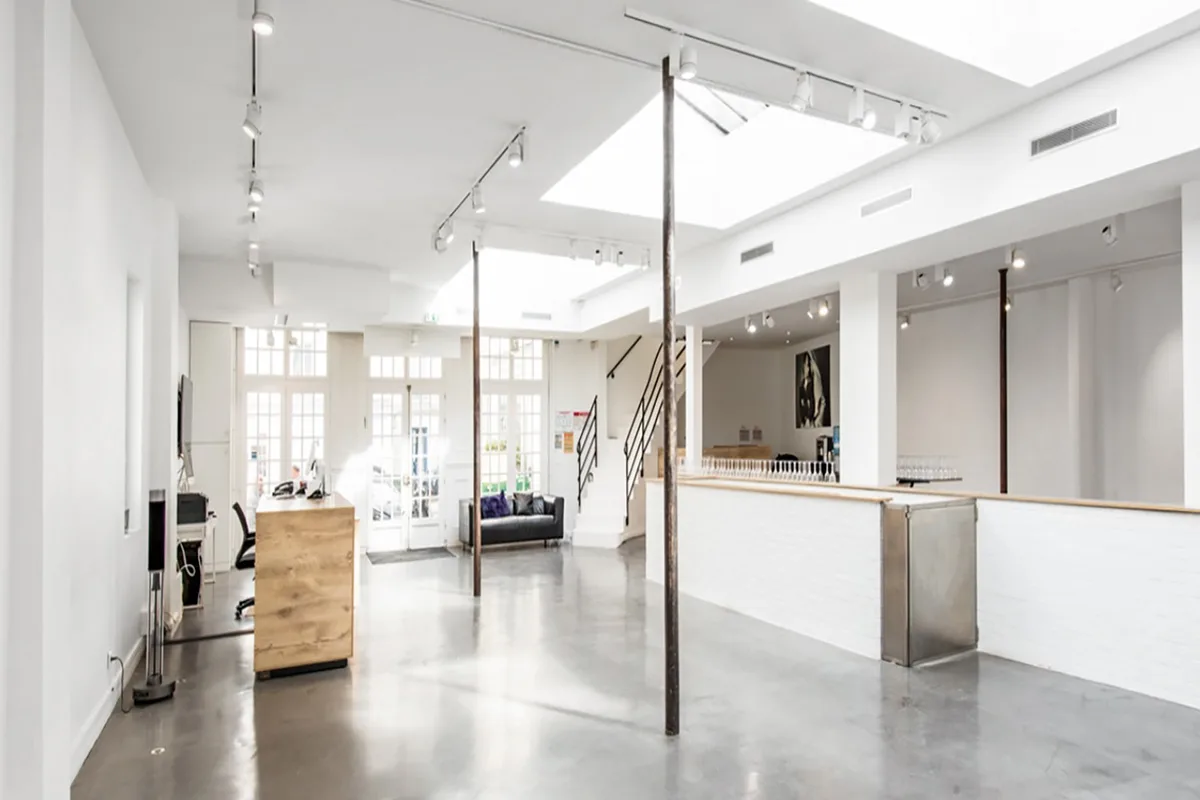
Temporary retail space in Le Marais is among the most commercially powerful short-term real estate opportunities in Paris, attracting fashion brands, beauty labels, digitally native brands, independent designers, and international retailers who want to access one of the city's most culturally dense and commercially active arrondissements. Le Marais combines centuries of Parisian heritage with a contemporary retail landscape that rewards brands willing to commit to even a few days of physical presence. The district spans parts of the 3rd and 4th arrondissements and draws consistent local, tourist, and press foot traffic year-round, with peaks during Paris Fashion Week. Fashion Week Venues supports brands seeking pop-up spaces in Paris across every stage of the activation process, from initial space discovery through to full production and management.
Why Le Marais Is One of the Most Sought-After Retail Districts in Paris
Quick answer: Le Marais delivers a rare combination of heritage architecture, high-spending foot traffic, press and influencer density, and flexible short-term lease availability that few Paris districts can match. Its position across the 3rd and 4th arrondissements makes it accessible to both the fashion press corridor and the broader Parisian consumer market.
Le Marais is not simply a fashionable neighbourhood. It is a functioning retail ecosystem that has evolved over several decades from a historic Jewish quarter and craft district into one of the most culturally layered shopping destinations in Europe. The district's physical fabric, comprising Haussmann buildings, converted hôtels particuliers, vaulted cellars, and former workshops, creates a variety of commercial spaces that suit different brand presentations. A beauty brand might favour a narrow, light-filled boutique on Rue des Francs-Bourgeois. A luxury fashion label might want the stone-floored grandeur of a space near Place des Vosges. A contemporary designer might prefer the raw loft character of a space in the upper Marais near Oberkampf or République.
The Marais district benefits from an unusually broad demographic. International tourists visiting the Centre Pompidou, the Musée Picasso, the Place des Vosges, and the historic Jewish quarter mix with local Parisian shoppers, fashion editors, stylists, influencers, and professional buyers. This density of profile types means that a well-positioned pop-up store in Le Marais can simultaneously serve commercial retail objectives, press outreach goals, and brand awareness targets within the same activation period.
The arrondissement split matters for planning purposes. The 3rd arrondissement, which includes streets such as Rue de Bretagne, Rue Turenne, and Espace Turenne, tends to attract emerging brands, concept stores, and galleries. The 4th arrondissement, anchored by the Place des Vosges and the Rue des Francs-Bourgeois, carries more established commercial traffic and higher average spend per visitor. Rue Vieille-du-Temple connects both zones and is one of the most trafficked retail streets in the entire district.
Paris Fashion Week adds a further dimension. During the women's ready-to-wear and menswear calendar windows, the Marais functions as an informal annex to the official show schedule. Showrooms, press presentations, brand dinners, and trade events cluster in the neighbourhood, and foot traffic from industry insiders rises sharply. Brands that establish a temporary retail space or fashion showroom in Le Marais during Fashion Week benefit from an audience that is primed for discovery and commercially motivated.
DID YOU KNOW: The Place des Vosges, located at the heart of the 4th arrondissement within Le Marais, is the oldest planned square in Paris and continues to function as an anchor for luxury retail, art galleries, and high-end showroom events. Spaces within walking distance command significant commercial premiums during Fashion Week periods.
KEY TAKEAWAY: Le Marais offers brands an exceptional combination of architectural character, foot traffic diversity, fashion industry adjacency, and short-term lease availability, making it the leading district in Paris for pop-up retail, showroom activations, and ephemeral brand experiences.
Understanding the different streets and micro-zones within Le Marais is essential before selecting a space, because each sub-neighbourhood serves a different brand positioning and audience type. The following section breaks down the key locations in detail.
Le Marais Neighbourhood by Neighbourhood: Which Location Suits Which Brand
Quick answer: Different streets in Le Marais serve different brand profiles. Rue des Francs-Bourgeois suits accessible luxury and established fashion labels. Rue de Bretagne works for lifestyle and food-adjacent brands. Rue Vieille-du-Temple is ideal for high-visibility contemporary retail. Oberkampf and the upper Marais attract emerging designers and creative studios.
One of the most common mistakes brands make when approaching temporary retail in Paris is treating Le Marais as a single, uniform retail environment. In practice, the district contains several distinct commercial micro-climates, each with its own pedestrian profile, architectural character, and commercial expectation.
Rue des Francs-Bourgeois and the 4th Arrondissement Core
Rue des Francs-Bourgeois is the primary retail spine of the southern Marais. It connects the Place des Vosges area with the Pompidou corridor and draws consistent foot traffic from international tourists, local Parisian shoppers, and fashion-aware consumers. Storefronts on this street tend to be well-maintained, ground-floor commercial units with good natural light and established retail credibility. Established fashion boutiques, accessories labels, and concept stores dominate the strip. A brand entering this street for a short-term rental will benefit from existing consumer behaviour, since shoppers already treat this street as a dedicated retail destination.
Place des Vosges and Rue de Birague
The arcaded galleries surrounding the Place des Vosges represent some of the most prestigious temporary retail and showroom locations available in Le Marais. Spaces here tend to have higher ceilings, stone floors, and the kind of architectural authority that communicates premium brand positioning without requiring significant fit-out investment. Art galleries, luxury fashion showrooms, and jewellery presentations are common in this zone. If your brand is seeking a Fashion Week showroom location that will resonate with press and buyers, a space near or within the Place des Vosges arcade commands immediate credibility.
Rue Vieille-du-Temple and Rue du Temple
Rue Vieille-du-Temple is one of the most continuously trafficked streets in the Marais, running north-south through both the 3rd and 4th arrondissements. It offers a wide variety of space types, from compact boutiques to larger loft-style units on upper floors. The street has a well-established reputation for independent fashion retailers, art spaces, and lifestyle brands, and its pedestrian density remains high throughout the week and into evenings. Brands seeking strong walk-in retail performance during a short-term activation period often prioritise this street.
Rue de Bretagne and the Upper Marais
Rue de Bretagne, anchored by the Marché des Enfants Rouges, serves a different audience. The street and surrounding area attract local Parisians rather than primarily tourist traffic, which can be advantageous for brands seeking authentic community engagement, lifestyle positioning, or food-adjacent brand extensions. Concept stores and niche boutiques thrive here, and the general atmosphere is more relaxed and neighbourhood-oriented than the busier southern Marais.
Turenne, Espace Turenne, and Oberkampf
The northern part of the Marais, centred around Rue Turenne and extending toward Oberkampf and République, is the zone most associated with emerging brands, independent designers, and creative studio concepts. Raw loft spaces, converted ateliers, and industrial-style units are more common here, and the audience skews toward fashion-forward early adopters. Digitally native brands testing physical retail for the first time often find that this zone offers more affordable short-term rental options while still delivering genuine Parisian cultural credibility.
| Street or Zone | Arrondissement | Best For | Typical Space Character |
|---|---|---|---|
| Rue des Francs-Bourgeois | 4th | Established fashion, accessories, lifestyle | Ground-floor boutiques, good natural light |
| Place des Vosges arcades | 4th | Luxury, showrooms, jewellery, press events | High ceilings, stone floors, arcaded grandeur |
| Rue Vieille-du-Temple | 3rd and 4th | Contemporary fashion, art, independent retail | Varied, boutiques to lofts, high foot traffic |
| Rue de Bretagne | 3rd | Lifestyle, beauty, local community brands | Neighbourhood boutiques, market adjacency |
| Turenne and Espace Turenne | 3rd | Emerging designers, concept stores | Converted ateliers, raw interiors |
| Oberkampf and République | 3rd and 11th border | Digitally native brands, creative studios | Industrial lofts, raw spaces, flexible layouts |
KEY TAKEAWAY: Location selection within Le Marais should be driven by brand positioning, target audience profile, and activation objectives. A luxury showroom and a first-time pop-up store have very different optimal locations within the same district.
Once you have identified the right sub-neighbourhood, the next question is what type of space best serves your specific activation format, and how short-term retail leasing in Paris actually works in legal and practical terms.
Types of Temporary Retail Space Available in Le Marais
Quick answer: Le Marais offers a wide variety of short-term commercial spaces including storefronts, showrooms, art galleries, loft spaces, charming boutiques, and apartment-style concept stores, each suited to different brand formats and activation scales.
Understanding the different space types available in Le Marais is as important as understanding the geography. Each space type carries different practical characteristics that affect fit-out requirements, operational logistics, visitor experience, and overall activation cost.
Storefronts and Street-Level Boutiques
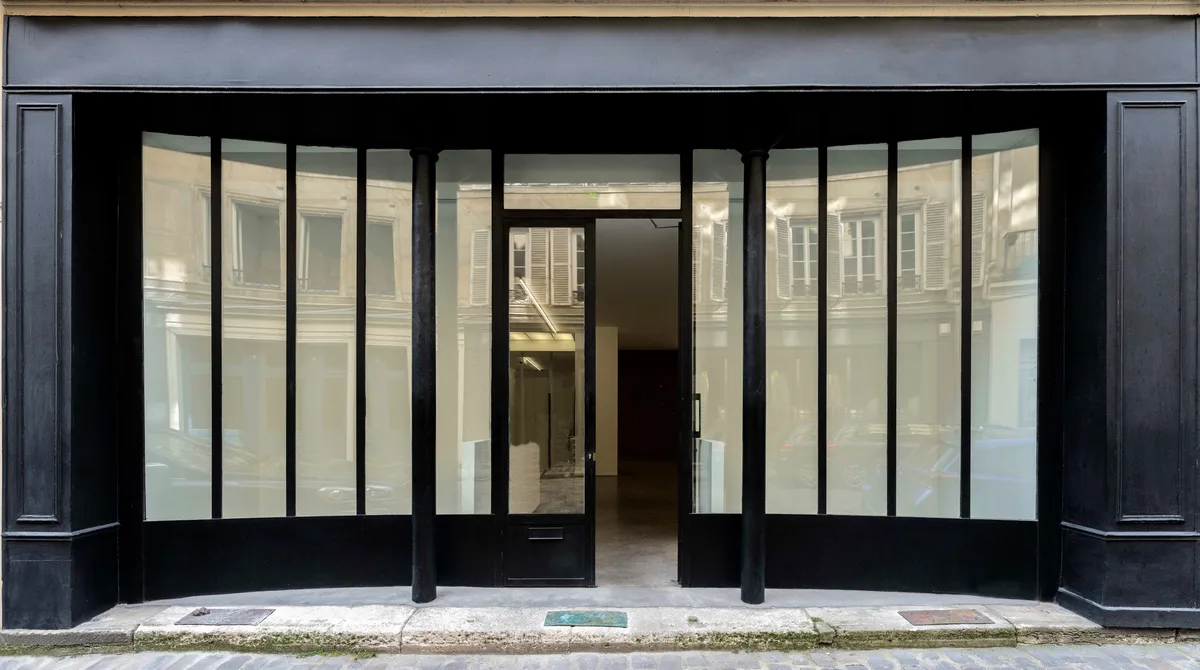
The most traditional form of temporary retail space, storefronts on commercial streets in Le Marais offer direct pedestrian access, window display opportunity, and immediate brand visibility to passing foot traffic. Ground-floor units on high-traffic streets such as Rue des Francs-Bourgeois or Rue Vieille-du-Temple are among the most sought-after short-term retail locations in Paris. These spaces typically include a main selling floor, a back-of-house storage area, and in some cases fitting rooms. Lighting infrastructure varies significantly between units, so confirming electricity supply and existing lighting rigs is important during the viewing stage.
Fashion Showrooms
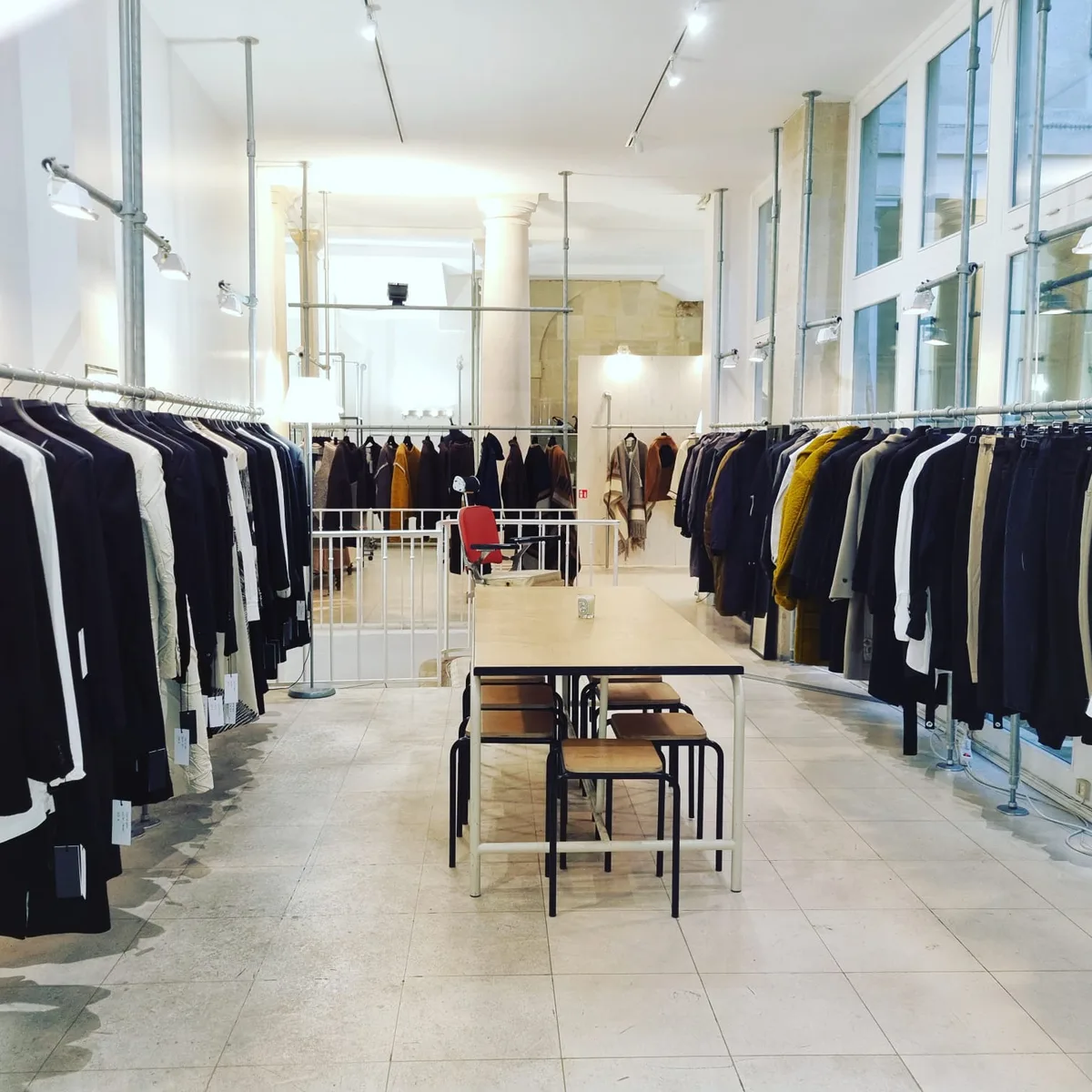
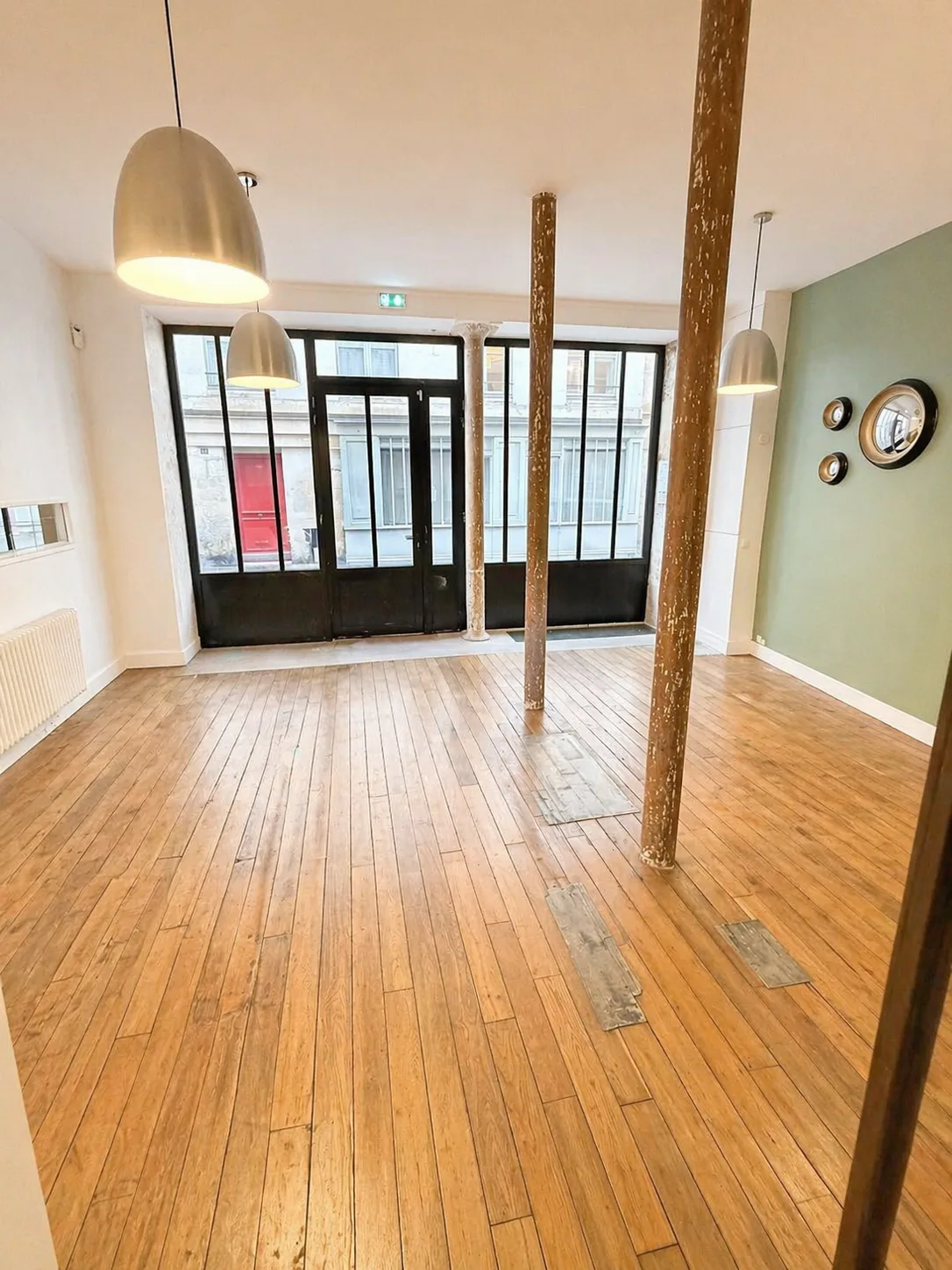
A fashion showroom in Le Marais is distinct from a pop-up retail space in its primary function. Rather than selling directly to the public, a showroom hosts press, buyers, stylists, and industry professionals for private appointments or group previews. Showroom spaces tend to be found on upper floors, in residential-style apartment spaces with parquet floors and high ceilings, or in architecturally distinguished ground-floor units that convey a sense of exclusivity. During Paris Fashion Week, demand for fashion showroom space in Le Marais is at its highest, and brands should plan to secure space several months in advance.
Art Galleries
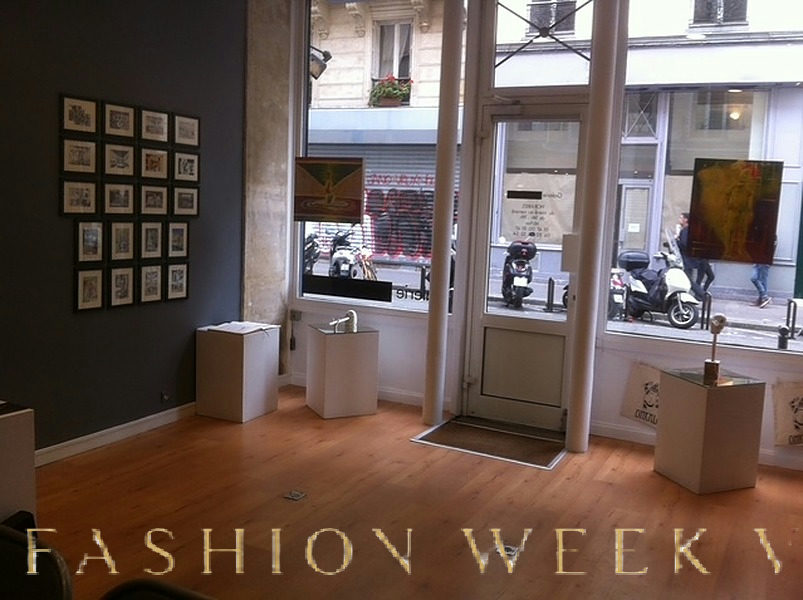
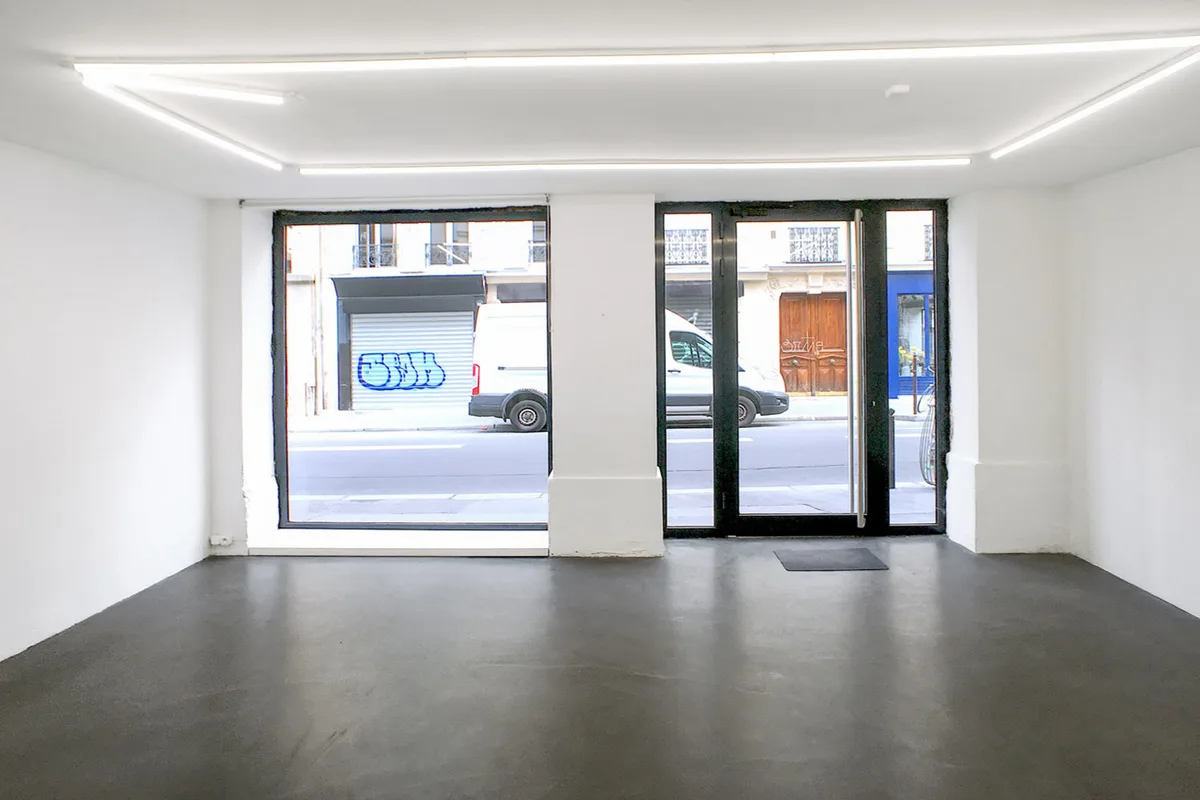
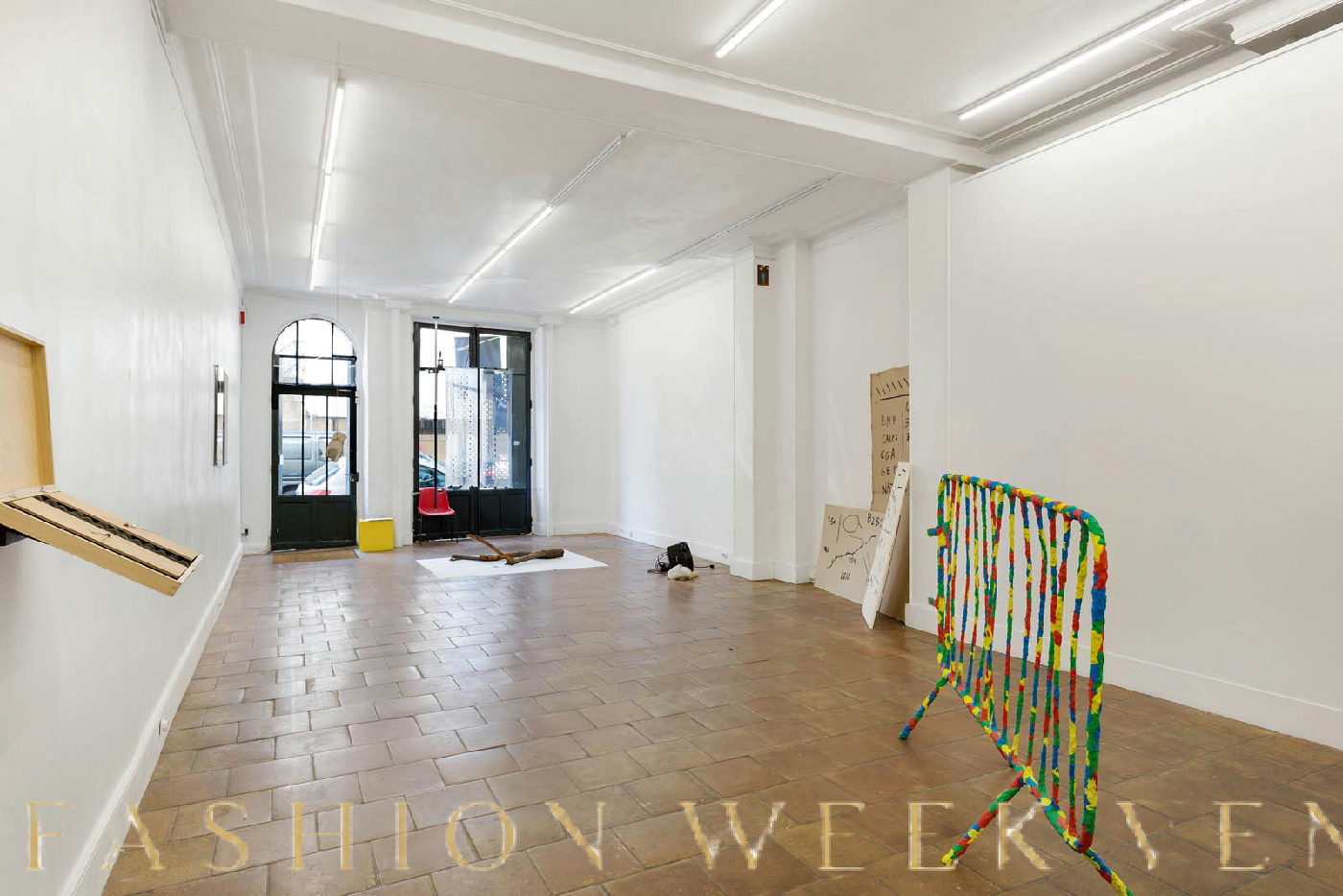
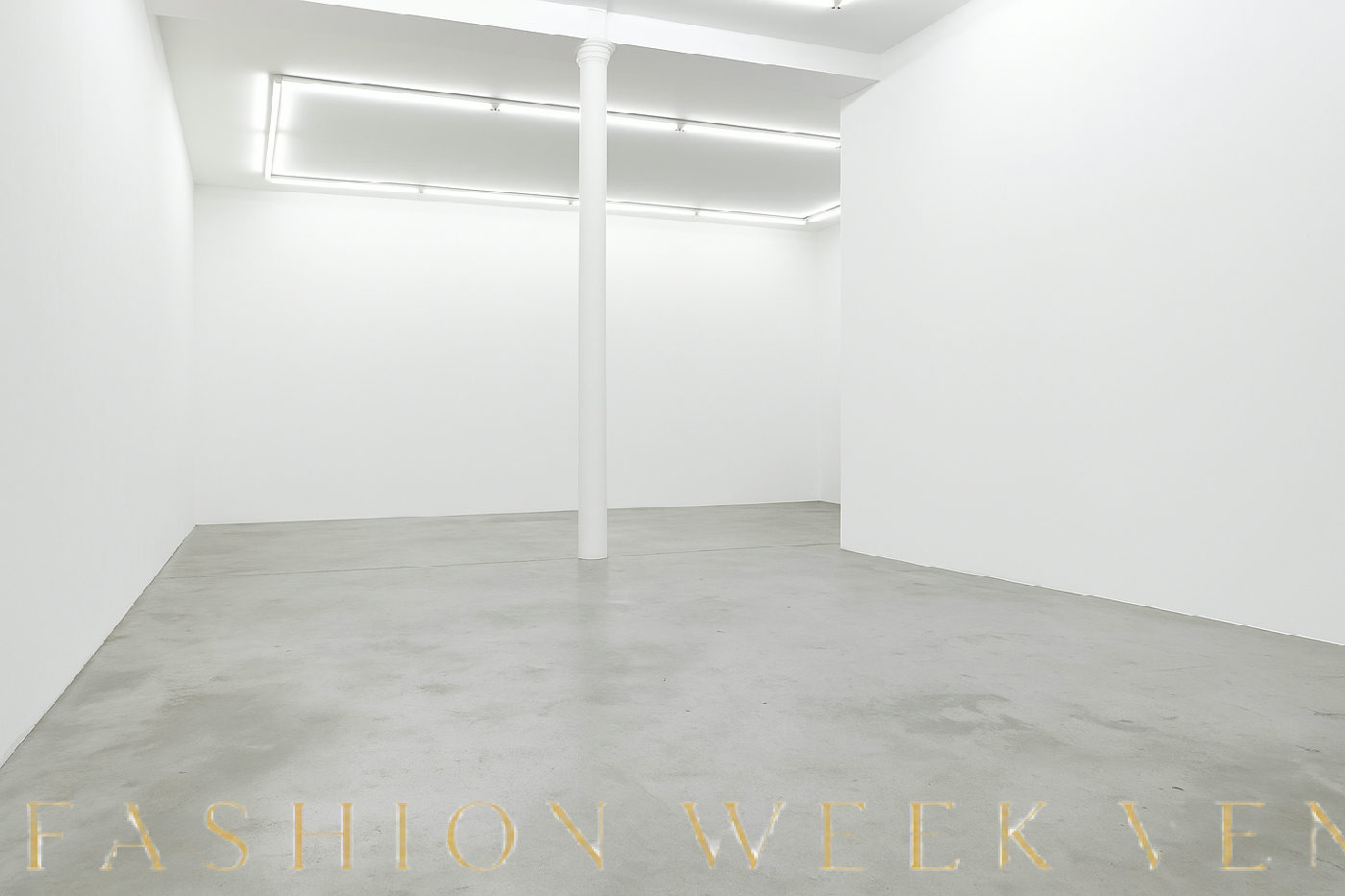
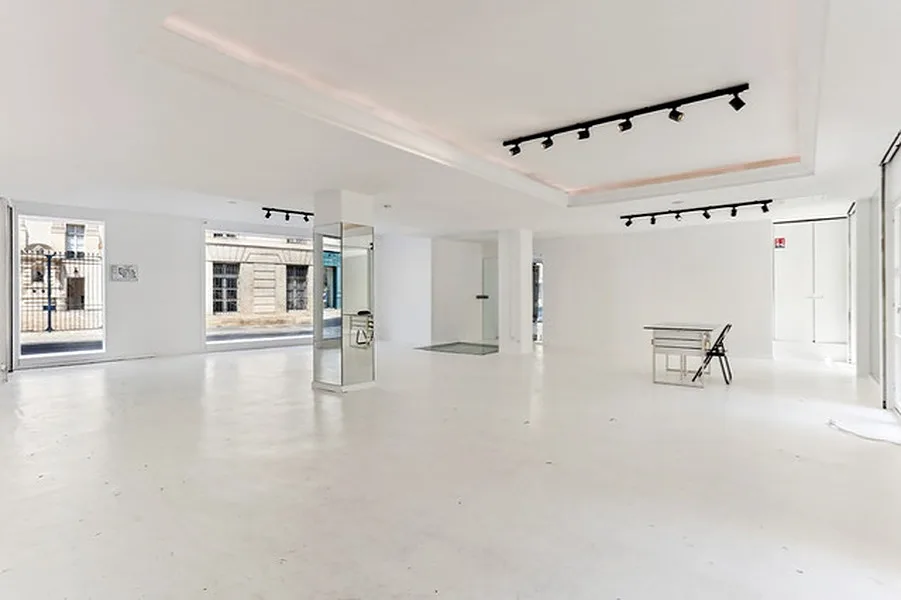
Le Marais has one of the highest concentrations of commercial art galleries in Paris, and many of these spaces are available for short-term rental between exhibitions. A galerie d'art in Le Marais typically offers white-wall interiors, polished concrete or hardwood floors, clean track lighting, and significant ceiling height. For brands wanting to present a curated collection, launch a collaborative product line, or host an experiential activation with a cultural dimension, a gallery format delivers strong visual impact without requiring extensive fit-out work. Marble floors, parquet floors, and high ceilings are frequently featured in these spaces.
Loft Spaces and Converted Ateliers
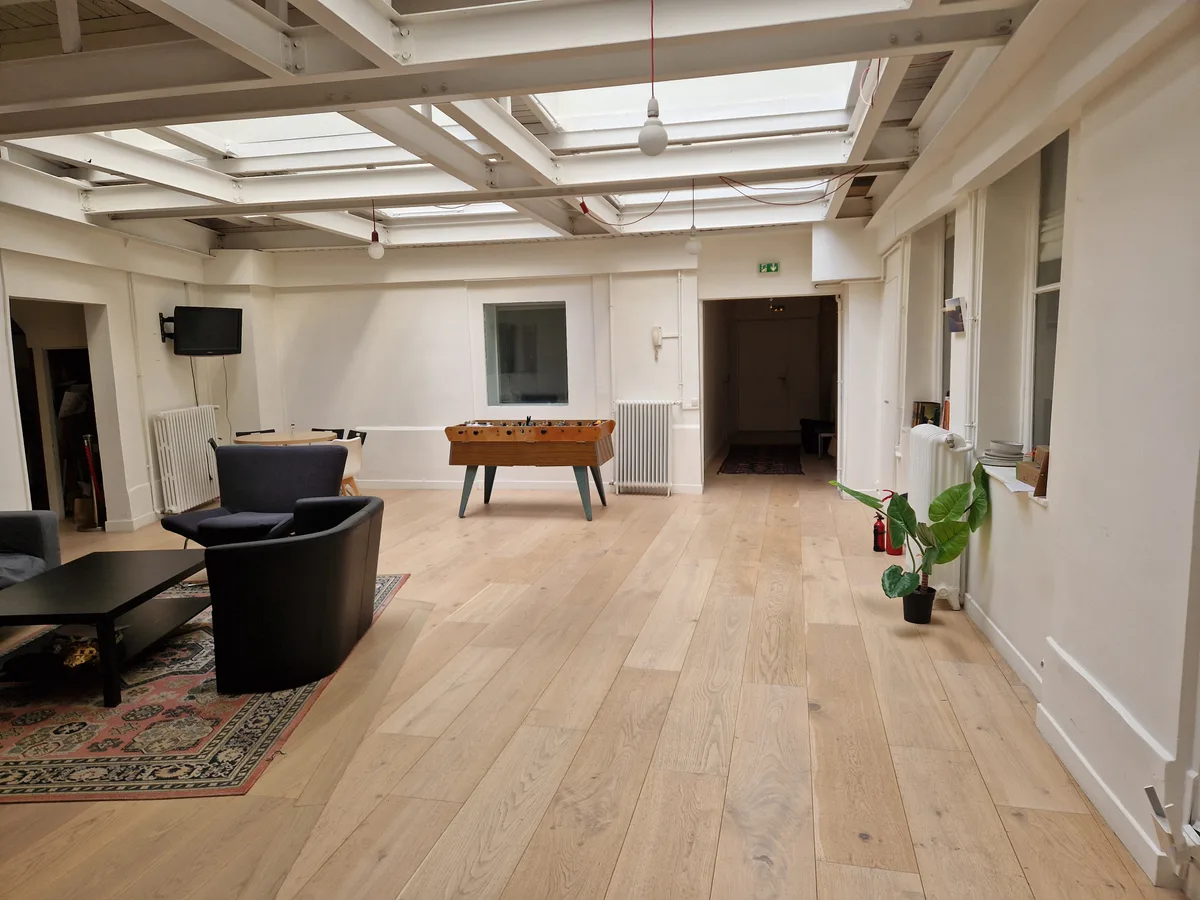
Particularly common in the upper Marais and around Rue Turenne and Espace Turenne, loft spaces and converted workshops offer large, open-plan footprints with raw architectural character. These spaces suit brands that want to create immersive environments, host multiple product categories simultaneously, or deliver an experiential event format that goes beyond standard retail. First-floor access is common in this space type, and brands should confirm whether ground-floor access or lift access is available if large quantities of stock or furniture need to be brought in.
Charming Boutiques and Apartment-Style Spaces
Some of the most distinctive temporary retail spaces in Le Marais are neither traditional storefronts nor galleries but residential-scale apartments or hôtel particulier rooms repurposed for commercial use. These spaces offer a level of intimacy and Parisian authenticity that larger units cannot replicate. A charming boutique or apartment-style space works particularly well for jewellery, accessories, niche perfume, or small-edition designer collections where the curation and narrative of the physical environment is as important as the product itself.
| Space Type | Typical Features | Best Activation Format | Key Consideration |
|---|---|---|---|
| Storefront | Ground floor, window display, storage | Direct retail, product launch, pop-up store | Confirm electricity and lighting |
| Fashion Showroom | Upper floor, parquet, high ceilings | Press day, buyer appointments, collection preview | Book early for Fashion Week windows |
| Art Gallery | White walls, track lighting, polished floors | Brand experience, curated launch, exhibition | Check between-exhibition availability |
| Loft or Atelier | Raw interior, large footprint, 1st floor | Immersive event, multi-category pop-up | Confirm floor access for stock delivery |
| Charming Boutique | Intimate scale, Parisian character | Niche collections, jewellery, accessories | Visitor capacity and flow planning |
KEY TAKEAWAY: Choosing the right space type for your brand in Le Marais is as strategically important as choosing the right street. Fit-out requirements, visitor capacity, and brand narrative all vary significantly between a storefront, a showroom, a gallery, and a loft.
With space type and location mapped out, the next critical area to understand is how short-term retail leasing actually works under French law, and what brands need to know before signing any agreement for temporary commercial use in the Marais.
How Short-Term Retail Leasing Works in Paris: Legal Frameworks for Temporary Commercial Space
Quick answer: Temporary retail space in Paris is typically governed by one of two legal frameworks: the bail dérogatoire, a short-term derogatory commercial lease, or an autorisation d'occupation temporaire for certain public or cultural spaces. Neither is the same as a standard French commercial lease, and each carries specific conditions that brands must understand before signing.
One of the most important distinctions for any brand approaching the Paris retail market is the difference between a standard bail commercial, which is a nine-year commercial lease that carries significant legal obligations for both landlord and tenant, and the shorter-term instruments that apply to most pop-up and temporary retail arrangements.
The Bail Dérogatoire
A bail dérogatoire, sometimes referred to as a convention d'occupation précaire, is a short-term lease instrument under French law that allows commercial space to be rented for a maximum period of three years without triggering the full protections and obligations of a standard commercial lease. For brands seeking temporary retail space in Le Marais for periods ranging from a few days to several months, the bail dérogatoire is the most common legal framework. However, it is important to understand that these agreements still contain specific terms relating to permitted use, restoration obligations, and exit conditions that can vary significantly between landlords and space types.
Autorisation d'Occupation Temporaire
For certain publicly owned spaces, cultural venues, or spaces on public land, an autorisation d'occupation temporaire, or AOT, is used instead of a lease. This framework is common for spaces in parks, public squares, or municipally managed properties. While AOTs offer flexibility, they also carry specific conditions imposed by the relevant public authority, and securing one requires navigating a formal application process. Requirements vary by arrondissement and by the specific authority managing the space in question.
Commercial Property Use Declarations
In addition to the lease framework itself, brands operating retail activity in Paris, including pop-up stores, showrooms, and commercial exhibitions, may need to make commercial property use declarations or obtain specific authorisations depending on the nature of the activity, the classification of the building, and whether the space is being used for direct sales, events, or both. Requirements vary by space type, duration, and arrondissement.
IMPORTANT: Short-term retail leasing in Paris is not legally straightforward without specialist help. The specific obligations under a bail dérogatoire, the conditions attached to any AOT, and the requirements for commercial use permits are complex and vary by situation. Brands should verify their specific requirements with a qualified French legal advisor before signing any agreement. For initial guidance on the permit landscape, the permit guidance tool on Fashion Week Venues provides a useful starting framework.
Beyond the legal framework, the practical logistics of establishing a temporary retail space in Le Marais, including fit-out, staffing, payments, and security infrastructure, require coordinated planning well in advance of the activation window.
KEY TAKEAWAY: Brands must distinguish between the bail dérogatoire, AOT, and standard commercial lease before entering any short-term retail agreement in Paris. Each carries different obligations, timelines, and exit conditions that significantly affect activation planning and budget.
Planning and Running a Successful Pop-Up Store in Le Marais
Quick answer: A successful pop-up store in Le Marais requires coordinated planning across space selection, fit-out, staffing, payments infrastructure, stock management, and marketing, ideally beginning at least eight to twelve weeks before the activation launch date.
Temporary retail in Le Marais is a competitive environment. The neighbourhood attracts experienced brands with significant resources, and consumer and press expectations are high. Arriving underprepared with an incomplete fit-out, inadequate staffing, or a space that does not match the brand's visual identity will undermine the entire investment.
Pre-Activation Planning: Eight to Twelve Weeks Before Launch
The planning phase should begin with a clear brief that defines the activation's primary objective, whether that is direct retail sales, press awareness, influencer content generation, wholesale buyer appointments, or a combination. This objective drives every subsequent decision, from the type of space and location chosen to the staffing profile required and the POS infrastructure needed. Brands that attempt to achieve too many objectives simultaneously in a small temporary space often dilute the impact of all of them.
During the planning phase, brands should confirm the availability calendar for shortlisted spaces, assess the viewing schedule, and factor in lead time for any fit-out or branded store design work. Parquet floors, marble floors, and high ceilings in Le Marais spaces often mean that brands can rely on the architecture itself to do significant visual work, reducing the amount of fit-out investment required. However, lighting, electricity capacity, storage arrangements, and fitting room availability should all be confirmed during viewings.
Fit-Out and Production
Fit-out for a temporary retail space in Le Marais should be proportionate to the lease duration and the space's existing condition. A well-appointed gallery with polished floors and track lighting may require only branded signage, furniture rental, and product display fixtures. A raw loft space may require a more complete production build including partition walls, additional lighting rigs, and custom display systems. The production timeline, from design sign-off to installation, needs to fit within the permitted access window before the space opens to visitors.
Staffing and Operations
Retail staffing for a Le Marais pop-up must account for the bilingual requirements of the neighbourhood, since a significant proportion of visitors will be international tourists or English-speaking professionals during Fashion Week. Staff should understand the brand's positioning, be able to guide visitors through the collection or concept, and manage both walk-in traffic and appointment-based visits if the space is functioning as a showroom. Stock management, daily reporting, and end-of-day cash and card reconciliation all need operational protocols established before the first day of trading.
POS and Payments
A temporary retail space in Le Marais needs to accommodate the payment expectations of an international, fashion-literate customer base. This means accepting card payments from multiple international networks, offering contactless options, and ideally having a mobile POS system that allows staff to process transactions anywhere in the space rather than anchoring customers to a fixed till point. For showroom activations, digital order capture and payment scheduling systems may be more appropriate than direct consumer POS.
Marketing and Influencer Activation
Le Marais has one of the highest concentrations of fashion influencers, content creators, stylists, and media professionals of any neighbourhood in Paris. A temporary retail activation in Le Marais that does not have a proactive influencer and press outreach strategy is missing one of the district's most powerful commercial multipliers. Pre-opening seeding to local influencers, a structured press day or invite-only preview, and ongoing social content captured within the space should all be planned as core elements of the activation rather than afterthoughts.
| Timeline Phase | Key Actions | Who Leads |
|---|---|---|
| 8 to 12 weeks before launch | Define objectives, brief, space shortlist, viewings | Brand team and agency |
| 6 to 8 weeks before launch | Space confirmed, lease signed, concept brief finalised | Brand team, legal advisor, agency |
| 4 to 6 weeks before launch | Fit-out design approved, production brief issued, staffing confirmed | Production team, agency |
| 2 to 4 weeks before launch | Build begins, POS configured, influencer outreach initiated | Production, marketing team |
| 1 week before launch | Snagging, stock delivery, staff briefing, press preview | Operations, brand team |
| During activation | Daily trading, stock monitoring, reporting, influencer content | Retail staff, marketing team |
| Post-activation | De-fit, space restoration, data analysis, ROI review | Production, brand team |
TIP: Use the activation timeline planning tool on Fashion Week Venues to map your specific launch date against the required planning milestones. This helps identify immediately whether your current schedule allows sufficient lead time for space sourcing, production, and permit preparation.
KEY TAKEAWAY: Successful temporary retail in Le Marais is the product of disciplined pre-activation planning. Brands that treat the fit-out, staffing, payments, and marketing as sequential steps rather than parallel workstreams consistently underestimate the lead time required and compromise the quality of the activation.
Understanding the cost landscape for temporary retail space in Le Marais is the next essential step for any brand building an activation budget for Paris.
Budget and Pricing for Temporary Retail Space in Le Marais
Quick answer: The cost of temporary retail space in Le Marais varies significantly based on location, space type, size, duration, and the calendar period. Spaces near Place des Vosges, on Rue des Francs-Bourgeois, and during Paris Fashion Week command the highest rates. Brands should build budgets that account for rental, fit-out, staffing, POS, marketing, and operational costs as separate line items.
Pricing for short-term commercial space in Le Marais is not publicly listed in the same way as residential rentals or long-term commercial leases, and rates fluctuate based on demand, availability, and negotiation. The following guidance is directional only. For brand-specific budget modelling, the budget estimation tool on Fashion Week Venues allows teams to build scenario-based cost projections across different space types, durations, and service configurations.
Factors That Drive Rental Rates
Location within Le Marais is the primary driver of rental cost. Spaces on Rue des Francs-Bourgeois, near the Place des Vosges, and on the main retail sections of Rue Vieille-du-Temple tend to command premium rates. Spaces in the upper Marais, around Rue de Bretagne or the Oberkampf boundary, are generally more accessible in pricing terms while still benefiting from the broader Marais brand association.
The calendar period matters enormously. Paris Fashion Week, both the women's ready-to-wear sessions in late February to March and September to October, and the menswear and couture sessions, creates significant short-term demand spikes for premium commercial space in Le Marais. Landlords and space owners are aware of this demand and price accordingly. Brands that want Fashion Week availability at non-peak pricing need to either book extremely early or target the periods immediately adjacent to the official calendar, which still carry meaningful industry foot traffic.
Space size and condition also affect pricing. A ready-to-use gallery space with polished floors, established lighting, and clean white walls will typically command a higher daily or weekly rate than a raw loft that requires significant fit-out investment but offers a lower base rent. The true cost calculation must account for fit-out requirements as part of the total occupancy cost rather than treating rent as the only variable.
Total Activation Cost Components
Brands budgeting for a temporary retail space in Le Marais should plan for the following cost categories as separate line items: space rental including any deposit or service charges; concept direction and design; fit-out production and build; furniture rental; retail staffing including any agency fees; POS and payments infrastructure; stock and logistics; influencer and marketing activation; data capture and reporting; and post-activation de-fit and space restoration.
TIP: Brands that use a dedicated agency for a Le Marais pop-up activation often find that consolidated procurement across these cost categories produces better overall value than managing each vendor independently, particularly for activations of less than four weeks where lead time is compressed. Review the agency selection guide on Fashion Week Venues to understand what to look for and what to ask before engaging any specialist partner.
KEY TAKEAWAY: Rental cost is only one component of the total investment in a temporary retail space in Le Marais. Brands that optimise only for the lowest rent often incur higher costs elsewhere through fit-out requirements, operational gaps, or missed marketing opportunities. Total activation ROI is a more useful metric than rental cost in isolation.
Who Uses Temporary Retail Space in Le Marais: Brand Profiles and Activation Types
Quick answer: Temporary retail space in Le Marais is used by an exceptionally broad range of brands and activation types, including established luxury houses, emerging independent designers, digitally native brands, beauty labels, international retailers testing the Paris market, and cultural institutions hosting small exhibitions or product collaborations.
Le Marais has a long history as a destination for independent retail innovation, which means the neighbourhood has an established audience receptive to new brand concepts and temporary experiences. This receptivity, combined with the district's fashion and press density, makes it attractive across a wide brand spectrum.
Digitally Native and Direct-to-Consumer Brands
Brands that have built their customer base online and are testing physical retail for the first time find Le Marais particularly well-suited to an initial pop-up strategy. The neighbourhood's consumer profile is fashion-literate, digitally active, and accustomed to encountering new brand concepts in temporary or concept store formats. A carefully designed pop-up store in Le Marais allows a digitally native brand to test product-market fit in a physical environment, generate high-quality visual content for social channels, and gather qualitative feedback directly from customers without committing to a permanent lease.
International Fashion and Luxury Brands
Established international brands frequently use Le Marais as a Paris market entry point or as the location for a seasonal collection launch or collaboration announcement. The district's cultural authority and press adjacency mean that even a short-term activation of five to ten days can generate significant media coverage if the space and concept are well-executed. Luxury brands tend to prioritise spaces near the Place des Vosges or within the 4th arrondissement core, where the architectural quality of the space reinforces the brand's premium positioning.
Independent Designers and Emerging Labels
Le Marais has long been a neighbourhood where independent designers can establish credibility and reach a fashion-literate audience without the overhead of a permanent boutique. A short-term rental of a charming boutique or a small concept store in the 3rd arrondissement allows an emerging label to present a full collection in a controlled environment, meet customers and press in person, and build the kind of brand narrative that is difficult to convey purely through digital channels.
Beauty and Lifestyle Brands
The neighbourhood's high concentration of style-conscious consumers makes it increasingly popular for beauty, wellness, and lifestyle brands seeking to establish a Parisian retail presence. Beauty activations in Le Marais range from treatment and sampling experiences to curated product launches with an events and entertainment component. The French Touch cultural context of the Marais adds particular value for beauty brands seeking European credibility.
Art and Culture Organisations
Le Marais is home to a significant proportion of Paris's commercial and non-commercial art galleries, and the boundary between art exhibition and retail activation is frequently crossed in the neighbourhood. Brands hosting small exhibits, limited edition artwork collaborations, or cultural programming alongside product sales benefit from the district's established cultural audiences and art fair adjacency during periods like Paris+ par Art Basel.
KEY TAKEAWAY: The breadth of brand types that successfully activate in Le Marais reflects the neighbourhood's genuine commercial and cultural versatility. Activation format, budget scale, and duration all vary widely, but the common thread is a well-defined brand narrative and a space that expresses it clearly.
To explore how Fashion Week Venues specifically supports brands planning temporary retail and showroom activations in Le Marais and across Paris, the following section outlines the agency's services and tools in detail.
How Fashion Week Venues Supports Temporary Retail Activations in Le Marais
Quick answer: Fashion Week Venues provides end-to-end support for brands planning temporary retail and showroom activations in Le Marais, from space discovery and lease negotiation through to full fit-out production, staffing, POS, marketing, and post-activation data analysis. The agency's Paris-focused expertise and space marketplace make it a practical partner for brands at every stage of the activation process.
Planning a temporary retail space in Le Marais involves navigating a real estate landscape that is not always transparent to international brands, a legal framework that differs significantly from UK, US, or Asian commercial lease norms, a production and logistics environment that requires established local supplier relationships, and a press and influencer market that requires both Parisian contacts and fashion-week-specific timing knowledge. Fashion Week Venues is built to address all of these challenges within a single agency relationship.
Space Discovery and Venue Sourcing
The Fashion Week Venues marketplace includes curated commercial spaces across Le Marais and the broader Paris market. The venue sourcing service goes beyond the marketplace listings to access off-market spaces, negotiate terms with landlords, and manage the space selection process on behalf of brand teams. This is particularly valuable during Fashion Week periods when the most desirable spaces are rarely advertised publicly and are secured through established relationships.
Concept Direction and Branded Store Design
The agency's concept direction team works with brands to define the visual language and experiential logic of the temporary retail space before any fit-out work begins. This includes space planning, material selection, fixture briefing, and the overall narrative that the space needs to communicate. Branded store design and concept direction are most valuable when the activation needs to communicate a clear brand story within an architectural shell that was not originally designed for retail.
Production, Build, and Furniture Rental
The production and build service manages all aspects of fit-out for the temporary space, including installation, custom elements, lighting, and de-fit after the activation closes. Furniture rental within the same service relationship means that brands do not need to source display fixtures, seating, or visual merchandising elements independently. This consolidated approach reduces coordination friction and ensures that the design concept translates accurately into the finished space.
Retail Staffing, POS, and Operations
For brands that need operational support during the activation, the agency provides bilingual retail staffing, POS and payments infrastructure, and day-to-day management support. This is particularly relevant for international brands that do not have an existing Paris-based team and need on-the-ground operational coverage for the duration of the pop-up.
Data, Analytics, and ROI
Post-activation data review is an often-neglected but commercially critical element of any temporary retail investment. Fashion Week Venues provides data capture and analytics services that allow brand teams to understand foot traffic patterns, conversion rates, average transaction values, and visitor demographics. The ROI calculation tool supports pre-activation investment justification and post-activation performance review. To compare specific spaces across location, size, features, and pricing, the space comparison tool provides a structured evaluation framework.
To compare neighbourhoods and space types, explore the Paris city hub on Fashion Week Venues and shortlist spaces that match your brief, budget, and calendar window.
KEY TAKEAWAY: Fashion Week Venues reduces the operational complexity of temporary retail in Le Marais by consolidating space sourcing, concept direction, production, staffing, and analytics within a single managed service relationship. This is not a guarantee of outcomes, but it significantly reduces the coordination risk for brand teams managing activations remotely or under compressed timelines.
Paris Fashion Week and the Le Marais Showroom Calendar
Quick answer: Paris Fashion Week creates the most commercially intense short-term retail and showroom demand window of the year in Le Marais. The neighbourhood hosts a concentration of brand showrooms, press days, buyer appointments, and trade events that run parallel to the official show schedule, making it essential for brands to book showroom and event space six to twelve months in advance for peak calendar dates.
Paris Fashion Week occurs four times per year across the official international fashion calendar: Haute Couture in January, Menswear in January, Haute Couture in July, and the primary Women's Ready-to-Wear sessions in late February to early March and late September to early October. Each of these calendar windows creates demand for commercial space in Le Marais, but the women's ready-to-wear sessions in February to March and September to October are by far the most commercially significant for the broadest range of brand types.
During these peak windows, the distinction between a showroom and a pop-up store often blurs in Le Marais. Some brands use a single space to host buyer appointments by day and consumer retail or event activations by evening. Others maintain a strict showroom format throughout the Fashion Week period and transition to consumer retail in the weeks immediately following. The strategic decision between a pure showroom, a consumer pop-up, or a hybrid format depends on the brand's primary commercial objective for the Paris market during that season.
The physical concentration of industry professionals in Le Marais during Fashion Week means that location visibility matters differently than in a standard retail context. A showroom on an upper floor with no street-level presence can be entirely appropriate if the target audience is press and buyers arriving by appointment. A consumer pop-up that relies on walk-in foot traffic needs to be on a high-traffic street with clear signage and window display capability.
DID YOU KNOW: Le Marais functions as an unofficial annex to the official Paris Fashion Week schedule. Many of the most commercially significant press and buyer interactions during fashion week occur in showrooms and temporary spaces in the Marais rather than in the official show venues themselves, which are often located in more central or institutional parts of the city.
Brands seeking to understand the full Paris Fashion Week calendar and how to align a Le Marais activation with specific show dates, press availability windows, and buyer schedules should use the timeline planning and permit guidance tools alongside direct consultation with a Paris-based agency partner.
KEY TAKEAWAY: Paris Fashion Week transforms Le Marais into the most commercially active short-term space market in the city. Brands that align their temporary retail or showroom activation with the fashion week calendar and plan their space booking well in advance gain access to an unparalleled concentration of industry professionals, press, and fashion-literate consumers.
Security, Digital Infrastructure, and Operational Reliability for Le Marais Pop-Ups
Quick answer: Operational reliability for a temporary retail space in Le Marais depends on physical security arrangements, digital payment infrastructure, data protection, and the systems used to manage bookings, availability, and stock during the activation period.
When brands research temporary retail space online or interact with space booking platforms, they sometimes encounter technical barriers including security verification screens, web application firewall prompts, or access restrictions that can interrupt the research and booking process. These technical systems, which may include WAF-based protection layers, automated request screening, and browser verification processes, are standard infrastructure elements on platforms managing high-value commercial transactions. If you encounter a verification step or a redirect during the booking process on any platform, completing the standard browser verification will typically restore access immediately. This is a normal protective measure for platforms handling sensitive commercial and financial data rather than an indication of a problem with your specific request.
From a physical security perspective, brands operating a temporary retail space in Le Marais should ensure that any space they occupy has appropriate alarm systems, secure storage for stock overnight, and clear protocols for cash handling if the activation involves direct consumer sales. Some spaces include security infrastructure as part of the rental agreement, while others require brands to arrange independent security solutions. This should be confirmed during the space viewing and documented in the lease agreement.
Digital infrastructure within the space, including reliable internet connectivity for POS systems, card payment terminals, and any customer-facing digital experiences, should be tested before the activation opens. Many short-term commercial spaces in Le Marais do not include broadband connectivity as standard, and brands may need to arrange mobile data solutions for POS and communications. Confirming electricity capacity and the location of power points relative to planned display and service areas is also important during the pre-activation survey.
For online booking, space discovery, and transaction management, brands should ensure that any platform they use for securing a Le Marais space operates a secure, verified transaction environment. Hassle-free transactions and clear terms should be confirmed before any payment is made, and all agreements should be documented in writing.
KEY TAKEAWAY: Operational reliability for a temporary retail space in Le Marais requires advance planning across physical security, digital infrastructure, payment systems, and stock management. These practical considerations are as important as the brand narrative and visual concept of the activation itself.
Common Myths About Temporary Retail Space in Le Marais: Debunked
MYTH: You need a French legal entity to rent a commercial space in Le Marais.
FACT: Many international brands rent temporary retail and showroom space in Paris without a registered French legal entity, particularly for short-term activations under the bail dérogatoire framework. However, specific landlord requirements and the nature of the planned commercial activity may affect what documentation is needed. Brands should verify their specific situation with a qualified French legal advisor before assuming either that a local entity is required or that it is not.
MYTH: Paris Fashion Week is the only viable calendar window for a Le Marais pop-up.
FACT: While Fashion Week periods generate the highest concentration of industry professionals in Le Marais, the neighbourhood maintains strong commercial foot traffic throughout the year. Brands targeting consumer retail rather than press and wholesale have successfully activated in Le Marais across every month of the year, including summer holiday periods when tourist density is at its highest. Non-Fashion Week windows also offer more flexible space availability and, in many cases, more negotiable rental rates.
MYTH: Using a commission broker is the only practical way to find a temporary retail space in Le Marais.
FACT: The Paris commercial space market has become significantly more accessible through dedicated space marketplace platforms and full-service agencies that offer both discovery and managed activation services. While established broker relationships can be valuable for off-market spaces, brands now have multiple routes to identify and secure temporary retail space in Le Marais, including online marketplaces with availability calendars, direct outreach to space owners, and agency partnerships that manage the entire process from brief to de-fit.
MYTH: Short-term retail leases in Paris are legally straightforward and require no specialist input.
FACT: A bail dérogatoire or convention d'occupation précaire is a specific legal instrument under French commercial law with defined conditions, obligations, and limitations. The terms of any short-term lease agreement, including permitted use, restoration obligations, insurance requirements, and exit conditions, can vary significantly between landlords and space types. Attempting to negotiate and sign a short-term lease in Paris without legal or specialist agency support exposes brands to significant financial and operational risk.
MYTH: A gallery or loft space in Le Marais requires minimal fit-out because of its existing aesthetic quality.
FACT: While architecturally distinguished spaces in Le Marais, such as a gallery with polished floors and high ceilings or a loft with exposed beams, do reduce the need for cosmetic fit-out work, they often require specific infrastructure investment to function as retail spaces. Lighting for product display, storage solutions for stock, POS placement, fitting room provision, and signage all need to be planned and implemented even in a beautiful space that requires no cosmetic intervention.
Frequently Asked Questions About Temporary Retail Space in Le Marais
What does a temporary retail space in Le Marais typically include?
Inclusions vary significantly between spaces and landlords. Most short-term retail spaces in Le Marais include the physical footprint, basic utilities access, and any existing fixtures that are part of the space's standing condition, such as flooring, walls, and ceiling installations. Some spaces include furniture, lighting rigs, or display systems as part of the rental. Others are offered as bare shells that require a complete fit-out. Brands should request a detailed inventory of what is included in any space rental before signing, and confirm electricity capacity, internet availability, storage provision, and fitting room or service area access during the viewing.
Can I rent a storefront in Le Marais for just a few days or a week?
Yes, many commercial spaces in Le Marais are available for very short-term rental periods, including single-week and even multi-day arrangements, particularly when the space is being managed for short-term activation purposes rather than under a standard commercial lease. Fashion Week showroom periods often involve rentals of five to ten days. Consumer pop-up stores may run for two to four weeks. Availability depends on the specific space, the landlord's approach to short-term letting, and the calendar period. Brands should confirm minimum rental durations and any associated setup and de-fit periods that are counted within or outside the main rental window.
How expensive is temporary retail space in Le Marais?
Rental rates for temporary commercial space in Le Marais vary widely based on location, space type, size, condition, and the calendar period. Spaces near the Place des Vosges and on the main commercial streets of the 4th arrondissement command the highest rates, particularly during Paris Fashion Week. Spaces in the upper Marais and around Rue de Bretagne or Oberkampf tend to be more accessible in pricing terms. Total activation cost must account for fit-out, staffing, POS, marketing, and operational expenses in addition to the base rental figure. Use the budget estimation tool on Fashion Week Venues to build scenario-specific cost projections for your activation.
Is Le Marais a good area for pop-up retail?
Le Marais is consistently rated among the best districts in Paris for pop-up retail, combining high and diverse foot traffic, a fashion-literate consumer base, strong press and influencer density, architectural variety across space types, and a cultural reputation that adds credibility to brand activations. The neighbourhood's mix of local Parisian shoppers, international tourists, and fashion industry professionals makes it suitable for a wide range of brand positioning and activation formats. The main practical challenges are the competitive availability of premium spaces and the legal complexity of short-term commercial leasing in France.
What types of brands typically use temporary retail space in Le Marais?
The full spectrum of brand types uses temporary retail space in Le Marais, from established luxury houses and established international fashion brands to emerging independent designers, digitally native direct-to-consumer labels, beauty and wellness brands, cultural organisations, and lifestyle companies. The neighbourhood's versatility means that both a high-end jewellery showroom and a streetwear pop-up can find appropriate spaces and audiences within the same district. Brand positioning, activation format, and budget determine which specific streets and space types are most suitable for each brand's objectives.
How do I find the right retail space in Le Marais for my brand?
Finding the right temporary retail space in Le Marais involves defining a clear brief that specifies your brand's objectives, preferred location within the district, required space type and size, target activation dates, and total budget. With this brief in hand, you can approach the Fashion Week Venues marketplace to browse available listings, use the locator tool to identify spaces by neighbourhood, or engage the venue sourcing service for a managed search that includes off-market options. Viewing shortlisted spaces in person or via detailed virtual documentation is essential before making a final commitment.
What is the difference between a pop-up store and a showroom in Le Marais?
A pop-up store in Le Marais is primarily consumer-facing, open to the public for direct retail sales, brand experience, and walk-in visitor engagement. A showroom is primarily trade-facing, used for press appointments, wholesale buyer presentations, collection previews, and brand communications with industry professionals rather than general consumers. In practice, many brands in Le Marais operate hybrid formats that function as showrooms during daytime industry hours and as consumer retail or event spaces in the evenings. The distinction affects space type selection, staffing requirements, POS needs, and marketing approach.
How far in advance should I book a Le Marais space for Paris Fashion Week?
For the most desirable spaces during Paris Fashion Week, particularly those near the Place des Vosges, on Rue des Francs-Bourgeois, or on the main sections of Rue Vieille-du-Temple, brands should aim to begin the space search and secure a booking six to twelve months in advance of the target Fashion Week session. Premium gallery spaces, architecturally distinctive showroom units, and spaces with a track record of hosting successful Fashion Week activations are frequently pre-booked by returning brand clients. Leaving the search until eight to twelve weeks before the Fashion Week dates significantly limits available options at the premium end of the market.
Do I need a permit to operate a pop-up store in Le Marais?
The permit requirements for a temporary retail space in Le Marais depend on the specific nature of the activity, the classification of the building, the arrondissement, and the terms of the lease agreement. Requirements vary by space type, duration, and arrondissement. Some short-term commercial activities under a bail dérogatoire require specific authorisations for retail use, public access, or signage. The permit guidance tool on Fashion Week Venues provides a useful starting framework, but brands should verify their specific requirements with a qualified French legal advisor before opening to the public.
What makes Le Marais different from other Paris shopping districts for pop-up retail?
Le Marais distinguishes itself from other Paris shopping districts through a unique combination of architectural heritage, cultural density, fashion press and influencer adjacency, consumer demographic diversity, and short-term space availability across a wide range of space types. Districts like Saint-Germain-des-Prés or the Golden Triangle around Avenue Montaigne carry premium cachet but with significantly less flexibility for temporary retail formats. The Marais offers brands a credible Parisian retail context alongside practical short-term lease availability and a neighbourhood audience that is genuinely receptive to temporary and concept retail experiences.
Can digitally native brands successfully activate in Le Marais?
Digitally native and direct-to-consumer brands are among the most active users of temporary retail space in Le Marais. The neighbourhood's fashion-forward consumer base and media density make it an ideal environment for brands testing physical retail for the first time, launching a new product line, or building brand awareness in the European market. A well-designed pop-up store in Le Marais gives a digitally native brand a physical touchpoint, a content generation environment, and direct customer engagement data that complements and informs the digital channel strategy. The challenge for these brands is often operational, managing stock, staffing, and POS without an existing Paris infrastructure.
What are the most important features to confirm when viewing a temporary retail space in Le Marais?
During a viewing, brands should confirm floor level and access, electricity capacity and socket locations, existing lighting and the ability to add or modify it, natural light levels and window display visibility, storage space for stock, availability of fitting rooms if needed, internet connectivity or the infrastructure required to establish it, WC access, the condition of floors and walls, any existing fixtures included in the rental, and the access window for setup and de-fit relative to the lease start and end dates. For spaces on upper floors, the availability of a lift for stock delivery is an important practical consideration.
Is it possible to run a combined showroom and consumer retail pop-up in Le Marais?
Yes, a hybrid format that serves both trade and consumer audiences is entirely feasible in Le Marais and is used by many brands during Fashion Week periods. The practical requirements for a hybrid format include sufficient space to accommodate both appointment-based industry visits and walk-in consumer traffic without compromising the quality of either experience, staffing that can manage both audience types, a POS system that handles consumer transactions alongside any wholesale order capture, and a scheduling approach that separates the two audience types where necessary to protect the exclusivity of press and buyer appointments.
What is the twin co-activation concept and how does it apply to Le Marais?
The twin co-activation concept allows two complementary brands to share a single temporary retail space in Le Marais, splitting the rental cost and operational overhead while delivering a combined brand experience that benefits both parties. This format works particularly well when the two brands serve overlapping consumer profiles without competing directly on product category, for example a fashion label and a beauty brand, or a clothing brand and a jewellery designer. A shared space also allows both brands to pool their respective press and influencer audiences, amplifying the overall reach of the activation. This model is supported through the Fashion Week Venues twin concept service.
How do I calculate the ROI of a temporary retail space in Le Marais?
Calculating the ROI of a temporary retail activation in Le Marais requires defining the primary commercial objectives upfront and establishing measurable outcomes for each. For a consumer retail pop-up, direct revenue against total activation cost is the most straightforward metric. For a press and brand awareness activation, earned media value, influencer reach, and qualitative brand perception metrics are more relevant. For a Fashion Week showroom, wholesale order value captured during the activation period against the total cost of the space and presentation is the primary financial measure. The ROI calculation tool on Fashion Week Venues provides a structured framework for pre-activation investment modelling and post-activation performance review.
Conclusion: Planning Your Temporary Retail Space in Le Marais
Le Marais remains the most compelling district in Paris for temporary retail, showroom activations, and ephemeral brand experiences. Its combination of architectural character, fashion week adjacency, consumer demographic diversity, press and influencer density, and genuinely varied short-term space availability makes it a commercially rational choice for brands across every sector, scale, and activation format. Whether you are planning a five-day Fashion Week showroom near the Place des Vosges, a four-week consumer pop-up store on Rue Vieille-du-Temple, or a curated brand experience in a converted atelier in the upper Marais, the neighbourhood has a space and an audience suited to your objectives.
The practical requirements of a successful temporary retail activation in Le Marais, legal compliance, space selection, fit-out, staffing, POS, marketing, and data, are substantial and interconnected. Brands that approach the process with a clear brief, realistic lead time, and appropriate specialist support consistently produce stronger results than those that underestimate the operational complexity of the Paris market.
To move from research to activation, start exploring available spaces on the Fashion Week Venues marketplace and build a focused brief for your target neighbourhood, space type, and calendar window. The agency's full-service capabilities, Paris-specific market knowledge, and curated space inventory make it a practical partner for brands at every stage of the Le Marais activation process.