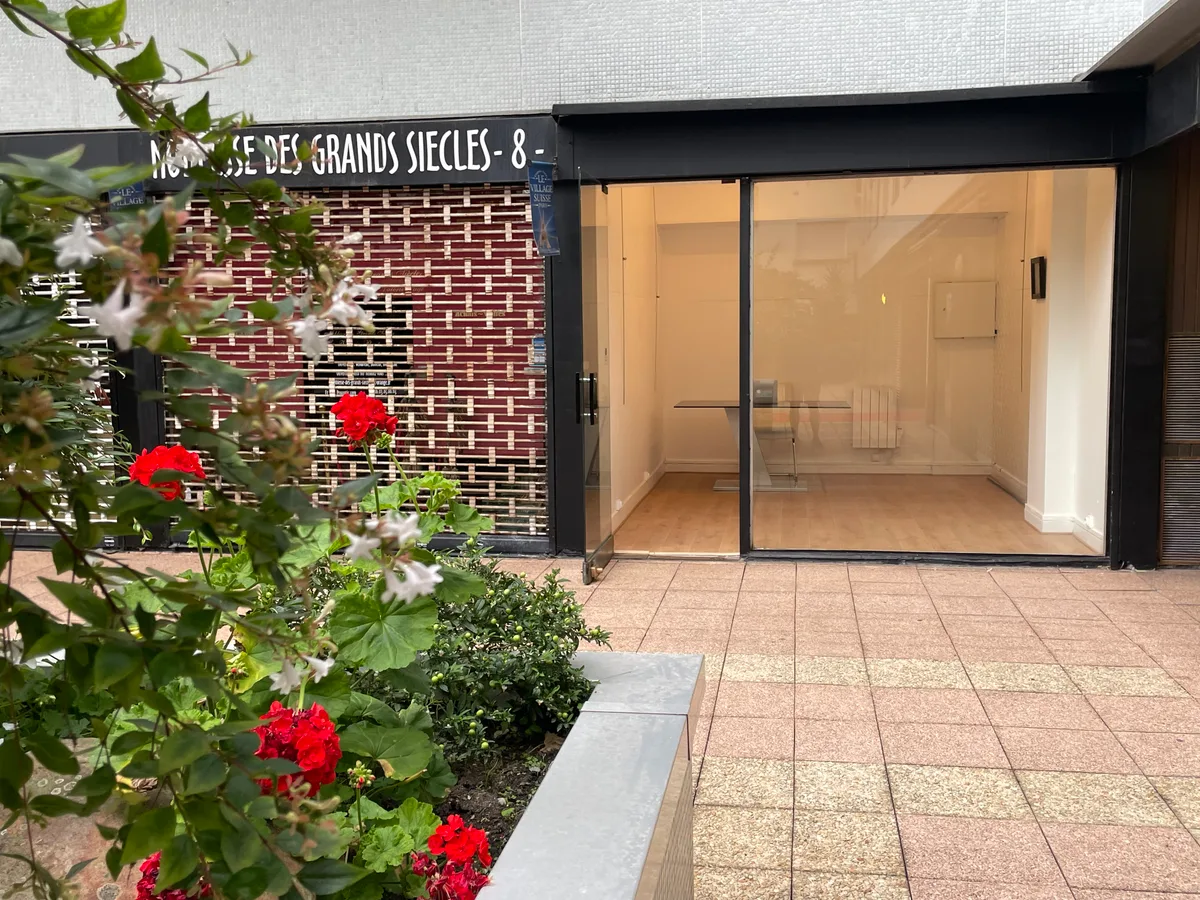
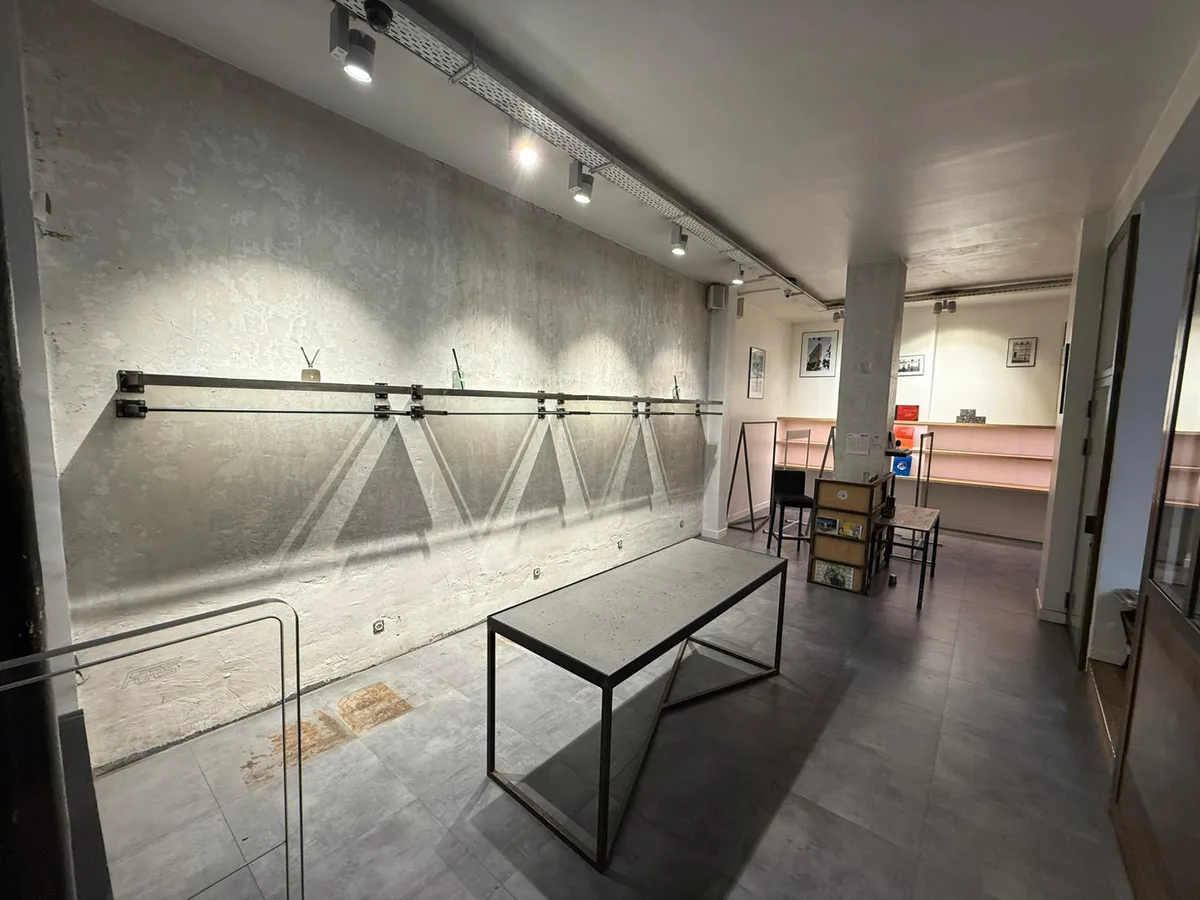
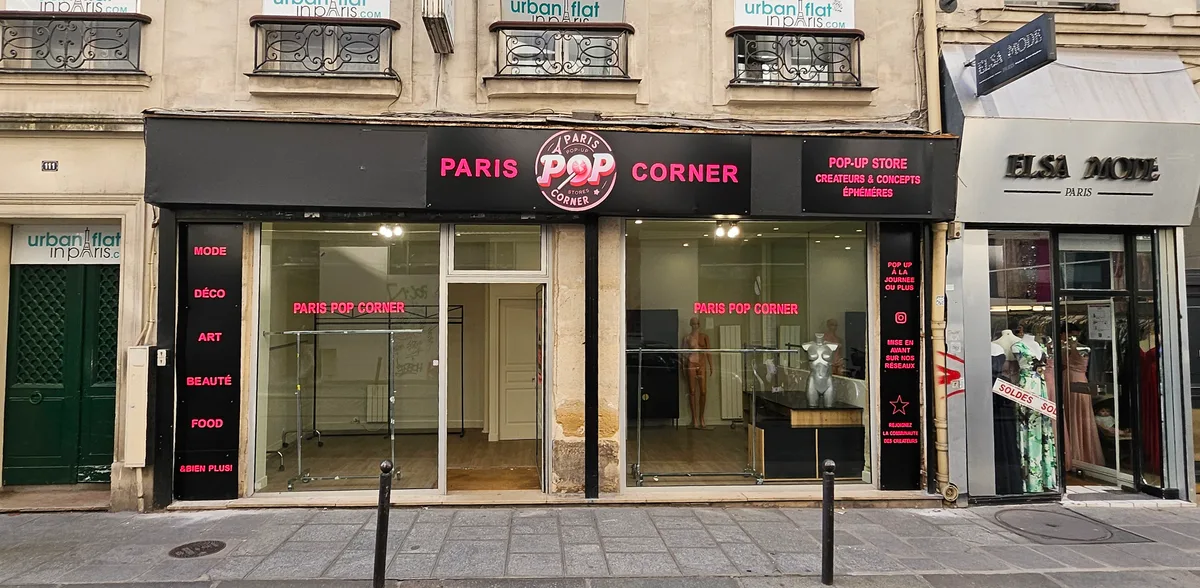
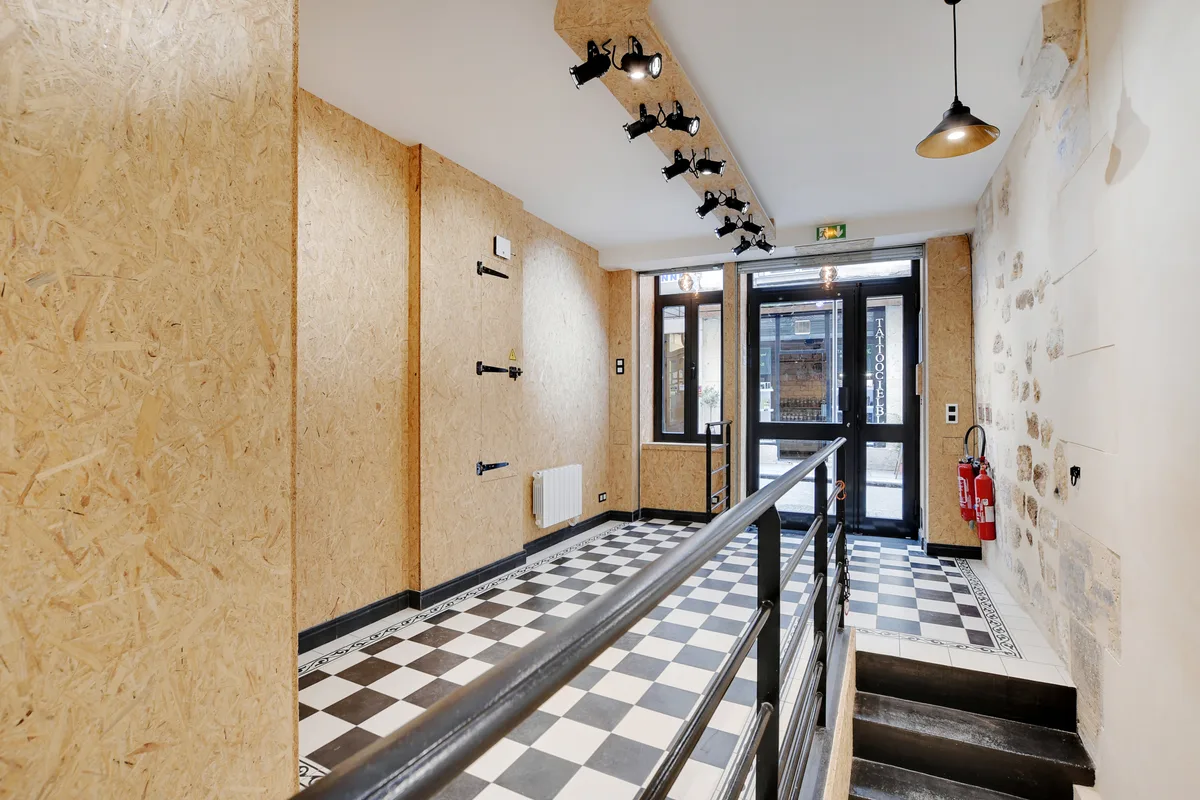
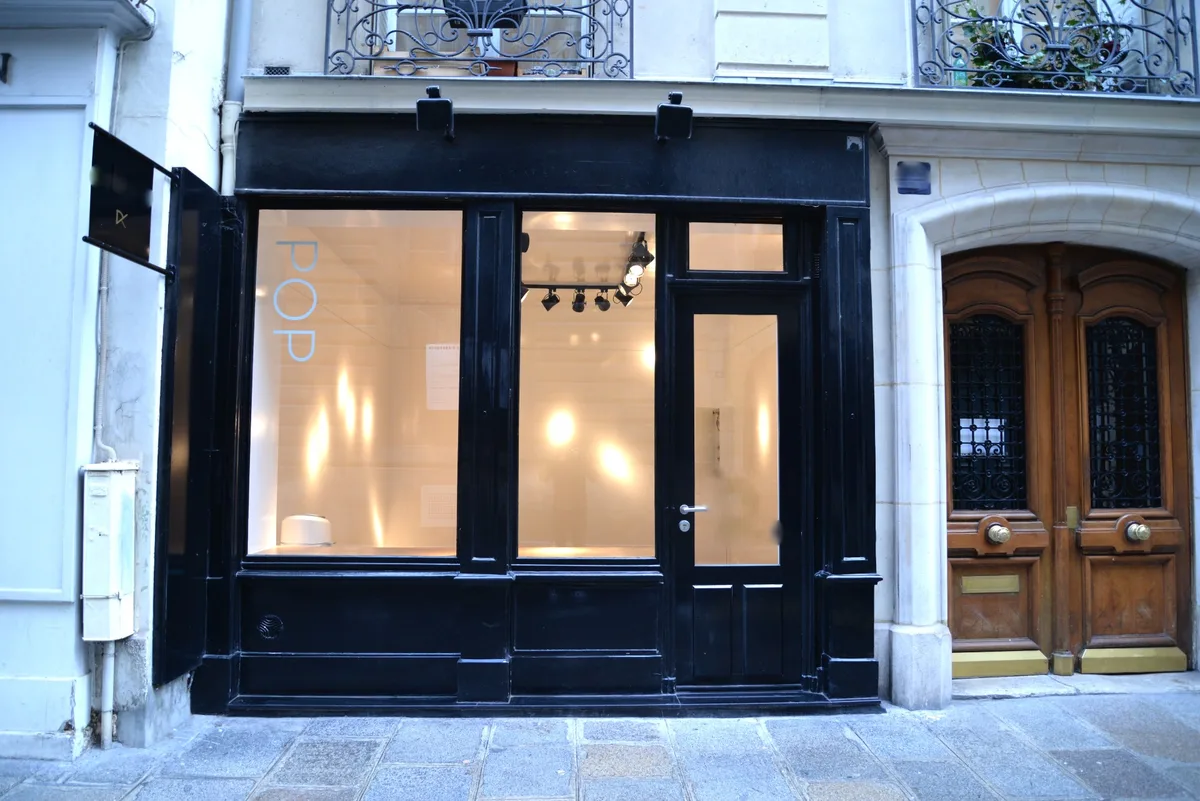
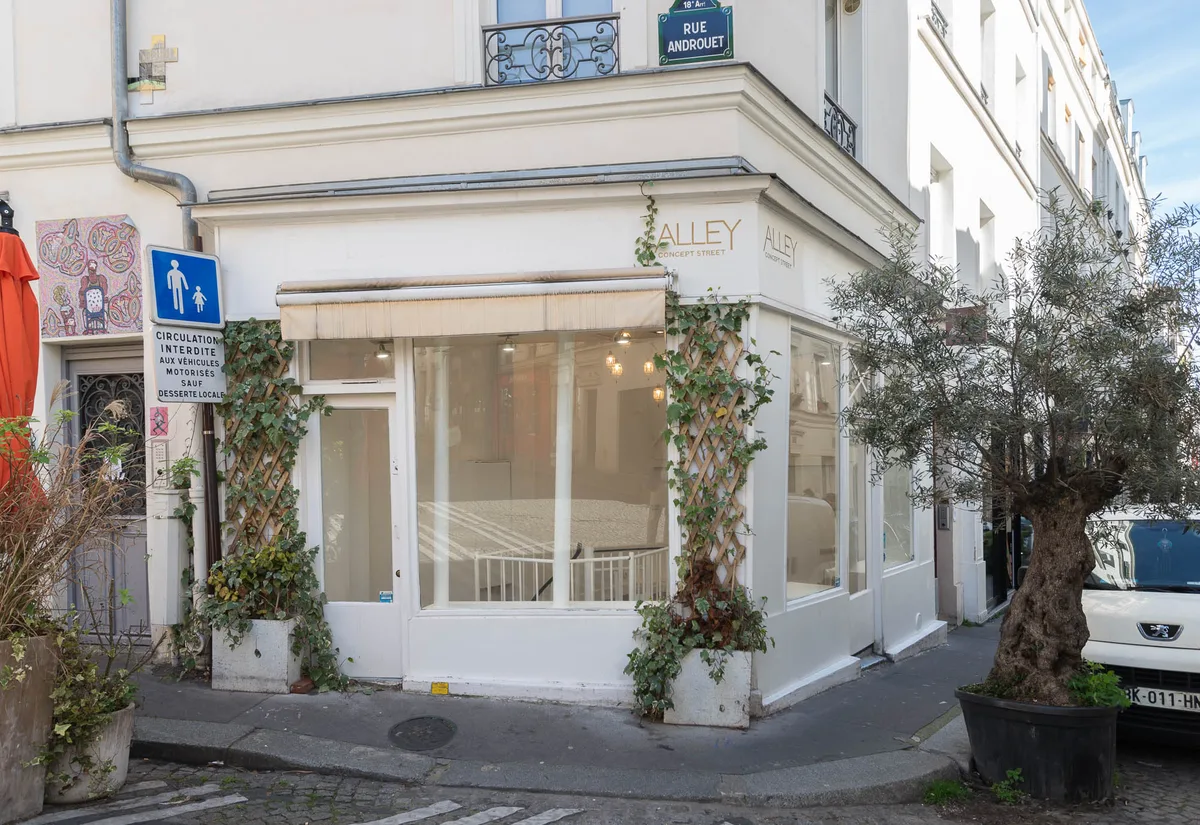
Opening a pop up store in the Latin Quarter places your brand at the intersection of Parisian intellectual heritage, concentrated foot traffic, and genuine retail curiosity. The 5th and 6th arrondissements attract students, tourists, local Parisians, and international visitors drawn by Notre-Dame, Shakespeare & Co., Marché rue Mouffetard, and the bookshop-lined Rue de l'Odéon. For fashion labels, beauty brands, and lifestyle concepts, this creates a uniquely layered audience that is both culturally receptive and commercially active. Whether you are planning a standalone pop-up shop, a showroom, or a brand activation tied to Paris Fashion Week, the Latin Quarter offers a compelling alternative to more saturated retail corridors. Fashion Week Venues supports brands at every stage of the Paris activation process, from venue sourcing through to opening day.
What Makes the Latin Quarter a Strategic Pop-Up Location in Paris
The Latin Quarter delivers a combination of cultural prestige, residential density, and international visitor volume that few Paris neighbourhoods can match for temporary retail. Brands that open a pop up store in the Latin Quarter benefit from proximity to iconic landmarks, a well-educated and design-aware consumer base, and the quiet authenticity that distinguishes the 5th and 6th arrondissements from higher-footfall tourist corridors.
Quick answer: The Latin Quarter is a strategic pop-up location because it combines consistent tourist footfall, a culturally engaged local population, a concentration of independent retail space, and proximity to fashion and arts institutions. Brands seeking credibility and consumer depth rather than sheer volume often find the Latin Quarter more productive than busier Paris districts.
The area stretching from the Seine south toward Place Monge and east toward Censier Daubenton offers a genuine density of short-term rental opportunity. Smaller boutique spaces, gallery formats, and converted ground-floor units along streets including Rue Hautefeuille and Rue de l'Odéon provide the intimate scale that pop-up concepts demand. Unlike the broader Paris retail market, where flagship corridors like rue de Rivoli command premium rates and longer lead times, the Latin Quarter frequently surfaces spaces suitable for two-week to three-month activations.
The neighbourhood profile is genuinely mixed. On any given day, the streets around Place Monge, Marché rue Mouffetard, and Censier Daubenton serve students from the Sorbonne and nearby grandes écoles, local families, cultural tourists visiting the Musée de Cluny and the Panthéon, and international visitors on literary pilgrimages to Shakespeare & Co., widely considered one of the most famous English-language bookstores in Paris. This audience breadth is commercially significant for brands whose target demographic spans educated millennials, culturally motivated travellers, and Parisian residents with disposable income.
The Latin Quarter also benefits from its position within Île-de-France's broader retail and cultural network. It sits within walking distance of Saint-Germain-des-Prés, one of the original homes of Parisian haute couture and still home to major fashion houses and concept stores. The presence of Le Bon Marché Rive Gauche, the historic department store on Rue de Sèvres just west of the 6th arrondissement border, reinforces the area's luxury retail credentials and draws a high-spending consumer who already understands curated retail.
For brands planning their Paris activation calendar, the Latin Quarter's position on the Left Bank also creates useful narrative distance from the Marais district on the Right Bank. While Le Marais District and streets around Place des Vosges, the Picasso Museum, and Galerie Turenne dominate the conversation for fashion and art-led pop-ups, the Latin Quarter offers a less contested opportunity with its own distinct cultural story.
DID YOU KNOW: The Latin Quarter takes its name from the Latin spoken by university students and scholars who gathered here during the medieval period. The Sorbonne's founding in 1257 established an intellectual identity the neighbourhood has maintained for nearly 800 years, giving brands that activate here an automatic association with knowledge, culture, and authenticity.
Understanding the geography matters for briefing. The 5th arrondissement covers the core of the Latin Quarter, including Place Monge, Marché rue Mouffetard, Censier Daubenton, and the eastern riverbank near Notre-Dame. The 6th arrondissement extends west and includes Saint-Germain-des-Prés, Rue de l'Odéon, and the Luxembourg Gardens. Both arrondissements offer distinct consumer profiles and space typologies, and experienced venue sourcers treat them as related but separate briefs.
KEY TAKEAWAY: The Latin Quarter is not simply a fallback for brands that cannot secure space in the Marais or Saint-Germain. It is a deliberate strategic choice for brands that want cultural credibility, a design-aware audience, and manageable activation scale without competing with the highest-rent Paris corridors.
With the geographic and strategic context established, the next step is understanding the specific types of spaces available for a pop up store in this part of Paris and how they differ from formats found elsewhere in the city.
Types of Pop-Up Spaces Available in the Latin Quarter and Surrounding Arrondissements
The Latin Quarter and its immediate neighbours in the 5th and 6th arrondissements offer a range of space formats that suit different brand scales, activation types, and budget levels. From boutique street-level retail units to gallery-style spaces and event-capable venues, the variety is greater than most brands expect when they first research the area.
Quick answer: The Latin Quarter offers boutique retail units, gallery spaces, converted cellar venues, shared activation formats, and studio-scale event rooms. Space sizes typically range from 30 square metres for intimate boutique formats to 200 square metres for mid-scale activation venues, with select larger properties available through direct sourcing or marketplace platforms.
Boutique Retail Units on Key Streets
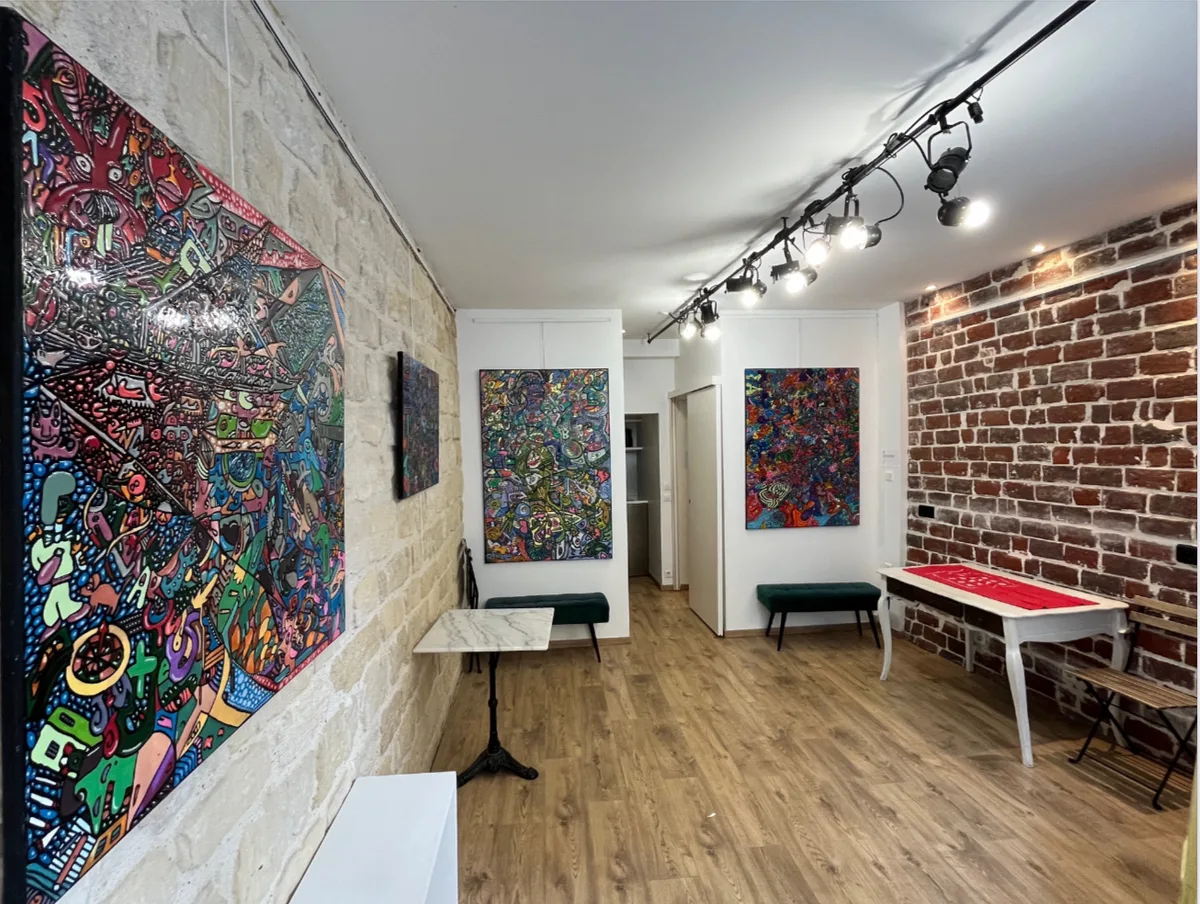
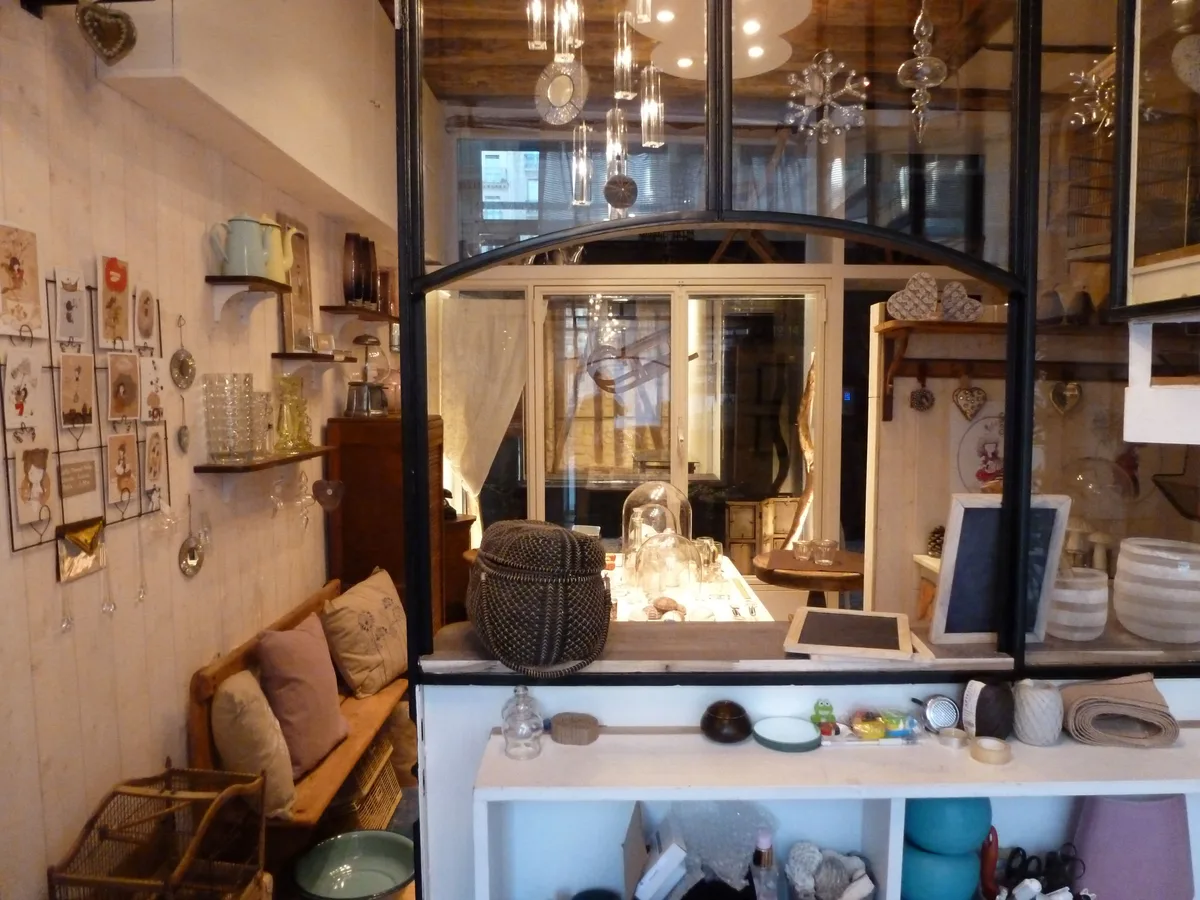
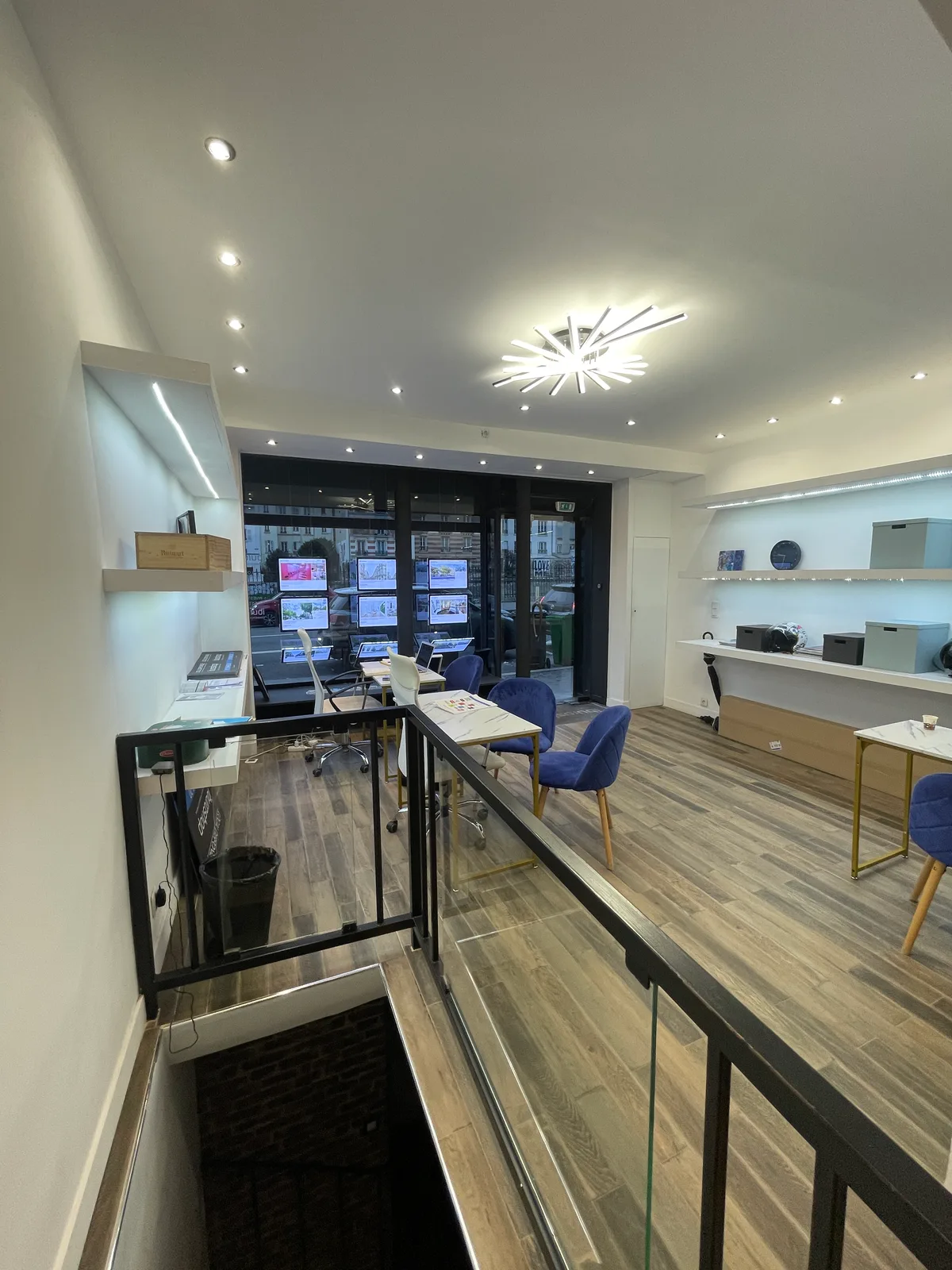
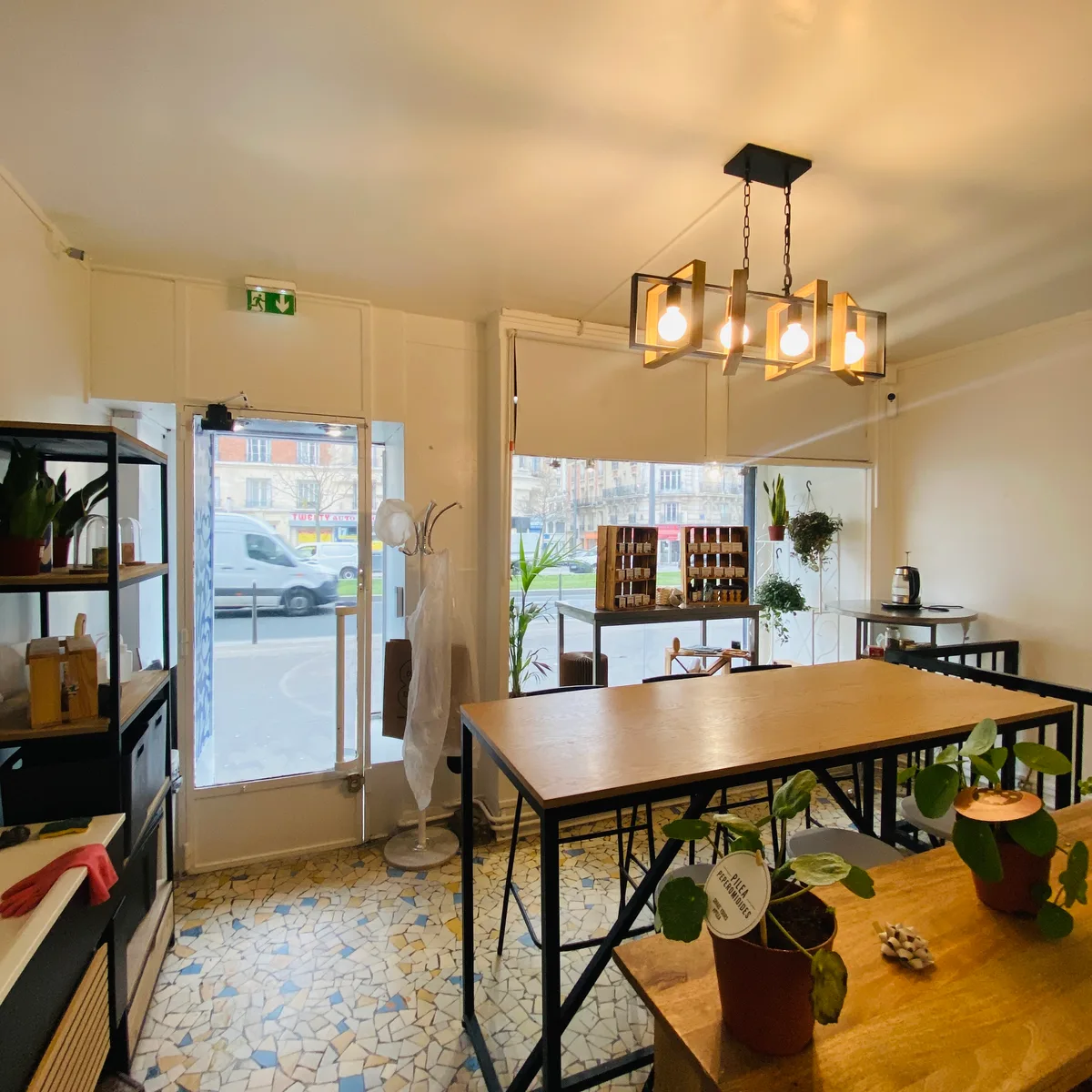
Street-facing retail units on pedestrian-friendly streets like Rue Hautefeuille, Rue de l'Odéon, and the streets around Place Monge are the most commonly sought format for a pop up shop in the Latin Quarter. These spaces typically occupy ground-floor units vacated by independent retailers between leases or specifically made available for short-term rental. Their dimensions suit focused product presentations, capsule collections, and immersive brand environments that benefit from intimate scale. Many include original architectural features, including exposed stone walls, wooden beams, and period tiling, that create distinctive retail backdrops without requiring extensive fit-out investment.
Gallery and Art Space Formats
The Latin Quarter and Saint-Germain border contain a notable concentration of independent galleries and art spaces that regularly host temporary brand activations alongside their exhibition programming. These spaces are particularly suited to fashion, jewellery, beauty, and lifestyle brands that want to present products within a curated aesthetic environment. Galerie-style spaces often include strong natural light, white or neutral walls, and flexible display infrastructure. They are frequently used for showroom formats, press previews, and buyer appointments during Paris Fashion Week seasons.
Cellar and Cave Formats
Paris's stock of historic cellar spaces, known locally as caves, is especially concentrated in the older arrondissements. In the Latin Quarter, these spaces often connect to street-level units and offer a secondary activation zone for workshops, product launches, or immersive experiences. For brands working with vintage, craft, or heritage narratives, the raw stone and arched ceiling architecture of a Latin Quarter cave provides an environment that is genuinely difficult to replicate through set-dressing alone.
Shared and Co-Activation Formats
Co-activation formats, where two or more brands share a space simultaneously or across alternating periods, are increasingly relevant in the Latin Quarter where individual unit costs can challenge smaller brand budgets. The twin co-activation model allows complementary brands, for example a perfume brand and a jewellery concept, to share overhead while each maintaining a distinct brand universe within the same physical environment. Fashion Week Venues operates a dedicated twin co-activation concept designed precisely for this format.
Event and Workshop Spaces
Beyond pure retail, the Latin Quarter contains a range of spaces suited to workshop formats, brand events, press presentations, and experiential activations. These are particularly relevant for beauty brands running skincare masterclasses, fashion brands hosting styling workshops, and lifestyle concepts offering product personalisation experiences. The neighbourhood's cultural identity creates a natural audience for participatory formats that would feel forced in a more purely commercial retail corridor.
| Space Type | Typical Size Range | Best Suited For | Key Latin Quarter Streets |
|---|---|---|---|
| Boutique Retail Unit | 30 to 80 sq m | Capsule collections, DTC brands, beauty | Rue Hautefeuille, Rue de l'Odéon |
| Gallery Format | 50 to 150 sq m | Showrooms, press previews, art-led fashion | Saint-Germain border, Rue de Seine |
| Cellar and Cave | 20 to 60 sq m | Workshops, vintage, heritage brands | 5th arrondissement streets |
| Co-Activation Space | 60 to 200 sq m | Shared activations, complementary brands | Flexible across 5th and 6th |
| Event and Workshop Room | 40 to 120 sq m | Masterclasses, press events, brand experiences | Near Place Monge, Censier Daubenton |
KEY TAKEAWAY: The Latin Quarter's space stock is more varied than its reputation as a purely residential and academic neighbourhood suggests. Brands that approach the market with an open brief, rather than looking for a specific format, often discover more suitable spaces at more competitive rates than they would find in the Marais or Saint-Germain main streets.
Understanding the space typologies available is necessary groundwork, but it does not resolve the practical question of how to find, evaluate, and secure the right space. That process deserves its own detailed treatment.
How to Find and Secure a Pop-Up Store in the Latin Quarter
Finding a pop up store in the Latin Quarter requires a structured approach that accounts for the neighbourhood's relatively fragmented short-term rental market, the specific permit requirements governing temporary commercial use in Paris, and the timeline demands of aligning a space with your brand activation calendar.
Quick answer: To find and secure a pop-up store in the Latin Quarter, you need to define your brief including size, duration, and budget, then search through a specialist marketplace or venue sourcing agency, shortlist candidate spaces, verify permit and compliance status, negotiate a bail dérogatoire or similar short-term agreement, and manage fit-out and opening logistics. Each stage involves Paris-specific legal and practical considerations that differ substantially from other markets.
Define Your Brief Before You Search
The single most common reason Paris pop-up activations lose momentum early is an under-specified brief. Before approaching any marketplace, agency, or landlord, you need clarity on at minimum six variables: the target arrondissement or street, the required square meterage, the activation duration in weeks or months, your total budget including rent, fit-out, staffing, and operations, the intended audience and format, and your opening date relative to any fashion or cultural calendar event. Without this foundation, shortlisting becomes circular and negotiating becomes impossible.
Use a Specialist Marketplace or Agency
The Latin Quarter space market is not comprehensively indexed on general property platforms. Commission brokers and general commercial agents rarely carry short-term inventory with the specificity fashion and lifestyle brands need. Specialist marketplaces and full-service agencies that focus on temporary retail in Paris maintain active inventory, understand the short-term lease landscape, and can move faster than traditional commercial routes. For brands without existing Paris relationships, this is consistently the most efficient starting point. You can begin space browsing and discovery through the Fashion Week Venues marketplace, which aggregates vetted spaces across Paris including the Latin Quarter and surrounding arrondissements.
Understand the Legal Framework for Short-Term Retail in Paris
Short-term commercial use in Paris operates under a specific legal framework that differs significantly from standard commercial leases. The bail dérogatoire, sometimes called a bail précaire, is a French commercial lease lasting a maximum of three years without triggering the protections of the standard nine-year commercial lease statute. For pop-up activations lasting a few days to a few months, this is typically the relevant instrument, though its application and the specific clauses required vary by space type, landlord type, and arrondissement. Brands should verify the applicable framework with a qualified French legal advisor rather than assuming all short-term agreements operate identically.
For activations using public-facing spaces, forecourts, or any area touching public land, an Autorisation d'Occupation Temporaire (AOT) issued by the relevant local authority may also be required. Requirements vary by location and intended use. The Fashion Week Venues permit guidance tool provides a useful starting framework, but it does not replace formal legal advice for specific situations.
The Step-by-Step Activation Process
| Stage | Action | Timeline Before Opening | Key Consideration |
|---|---|---|---|
| 1. Brief development | Define format, budget, dates, audience | 12 to 16 weeks | Align with Paris Fashion Week calendar if relevant |
| 2. Space search | Shortlist via marketplace or agency | 10 to 14 weeks | Verify permit status of each space |
| 3. Site visits | Visit shortlisted spaces in person or virtually | 8 to 12 weeks | Check power, access, fit-out restrictions |
| 4. Legal review | Confirm lease type, duration, and obligations | 6 to 10 weeks | Bail dérogatoire or AOT requirements |
| 5. Concept sign-off | Finalise creative and spatial concept | 6 to 8 weeks | Briefing production and design teams |
| 6. Production and fit-out | Build, install, dress the space | 1 to 2 weeks | Confirm access dates with landlord |
| 7. Staffing and operations | Hire, brief, and equip activation staff | 2 to 4 weeks | French employment compliance if applicable |
| 8. Activation launch | Open to public, media, trade | Opening day | POS, payments, data capture ready |
| 9. Evaluation | Review sales, footfall, engagement data | Post-activation | Feed insights into next activation brief |
TIP: If your activation is tied to Paris Fashion Week, work backward from your target opening date and add two weeks of buffer to every stage. Space availability compresses sharply in the weeks before Fashion Week, and production suppliers book out early during peak calendar periods.
KEY TAKEAWAY: Securing a pop-up store in the Latin Quarter is a structured process that rewards early planning. Brands that begin 12 to 16 weeks before their target opening date have materially better choice of space, lower negotiating pressure, and more time to resolve permit and compliance questions properly.
With the process mapped, it is worth examining in detail how the Paris Fashion Week calendar creates both opportunity and operational pressure for Latin Quarter activations.
Paris Fashion Week and the Latin Quarter Activation Calendar
Paris Fashion Week operates across multiple seasons and formats, and understanding the full calendar is essential for brands planning a pop up store in the Latin Quarter or anywhere in the city. The schedule of runway shows, exhibitions, and happenings across the Paris Fashion Week calendar creates concentrated demand for spaces, services, and talent that brands must plan for well in advance.
Quick answer: Paris Fashion Week runs across four main periods: Haute Couture in January, Menswear in January, Womenswear Ready-to-Wear in March, and Haute Couture again in July. Additional trade shows, showrooms, and brand activations cluster around each of these windows. For 2026, the Haute Couture summer season is scheduled from July 6 to 9, making June and early July a critical planning and booking window for brands targeting that period.
The 2026 Paris Fashion Week Calendar
For brands planning activations in 2026, the July Haute Couture season running from July 6 to 9 is a high-priority window. This period draws international press, buyers, stylists, and fashion-industry professionals to Paris, creating concentrated audience opportunity for brands with showrooms, press-preview spaces, or consumer-facing activations in proximity to the runway show venues. The Latin Quarter, while not a primary runway venue district, benefits from the general elevation of fashion activity across Paris during this period and draws fashion-adjacent visitors exploring the city between show schedules.
The Womenswear Ready-to-Wear season in March is typically the largest Fashion Week window in terms of show volume and media coverage, and the September equivalent completes the annual calendar. Brands running wholesale showrooms or trade-facing activations in the Latin Quarter often target the March and September windows for their highest-priority openings, while consumer-facing pop-ups may find the July Haute Couture period equally productive given its summer tourist overlap.
Runway Shows, Exhibitions, and Happenings
Paris Fashion Week is not only runway shows. The broader calendar of exhibitions, brand activations, cultural happenings, and satellite events that runs alongside the official schedule represents significant opportunity for brands that cannot or do not want to anchor their activation purely to a runway moment. Independent brand events, presentation formats, and immersive experiences in spaces across the 5th and 6th arrondissements allow brands to participate in the Fashion Week energy without competing directly for the limited prime spaces adjacent to major show venues.
Haute couture houses including long-established perfumery brands like NICOLAÏ, which has historical connections to the Saint-Germain-des-Prés area, and fragrance and beauty heritage brands associated with figures like Pierre Guerlain, demonstrate how the Left Bank has historically supported luxury and artisan brand presences that complement the runway calendar without depending on it.
Aligning Your Pop-Up Calendar with Paris Fashion Week
The most effective Latin Quarter pop-up activations during Fashion Week periods align their opening logistics with the show calendar while also planning for the tail of increased visitor traffic that follows the official schedule. Opening two to three days before the Haute Couture or Ready-to-Wear schedule begins positions your space to capture early arrivals, press, and trade visitors before the peak schedule consumes attention. Planning for a one to two week run beyond the official Fashion Week end date captures the visitor volume that lingers in Paris after shows conclude.
IMPORTANT: Space availability in the Latin Quarter and across Paris compresses significantly in the 60-day window before each Fashion Week season. Brands that wait until six weeks before their target opening to begin space search will face materially reduced choice and higher rental rates. Begin your search a minimum of 12 weeks in advance for Fashion Week-aligned activations.
Use the Fashion Week Venues timeline planning tool to map your activation schedule against the Paris Fashion Week calendar and identify the earliest viable actions for your specific brief.
KEY TAKEAWAY: Paris Fashion Week creates multiple activation windows across January, March, July, and September. For the Latin Quarter specifically, the July Haute Couture season and the March Ready-to-Wear season offer the strongest combination of fashion-industry visitors and general tourist volume, making them the highest-priority planning windows for most brand types.
Understanding the calendar also means understanding how the Latin Quarter compares with other Paris neighbourhoods for different brand and activation types, which is the logical next question for any brand team building a Paris strategy.
Latin Quarter vs Le Marais: Choosing the Right Paris Neighbourhood for Your Pop-Up
The two most discussed Left Bank and Right Bank pop-up destinations in Paris are the Latin Quarter and Le Marais District, and the choice between them is one of the most consequential decisions a brand makes when planning a Paris activation. They are not interchangeable, and the right answer depends on your brand identity, target consumer, budget, and activation format.
Quick answer: The Latin Quarter suits brands with intellectual, cultural, or independent credentials targeting design-aware locals and cultural tourists. Le Marais suits brands seeking higher fashion footfall, proximity to established concept retail, and visibility within the Parisian fashion community. Budget, audience, and brand narrative should drive the choice, not convention.
The Latin Quarter Proposition
The Latin Quarter offers authentic neighbourhood texture, a culturally mixed audience, competitive space rates relative to prime Marais addresses, and a narrative of independence and intellectual credibility. Brands in the fashion, beauty, vintage, lifestyle, and cultural product categories find the area particularly well-matched. The presence of landmarks including Notre-Dame, Shakespeare & Co., and Marché rue Mouffetard generates consistent visitor flow across seasons, with the international bookshop drawing English-speaking visitors who are often exactly the cultural consumer many premium brands want to reach.
The Marais Proposition
Le Marais District, centred on streets around Place des Vosges, the Picasso Museum, and the concentration of galleries and concept stores in and around the Haut-Marais, offers unmatched proximity to the Parisian fashion community. Spaces including Galerie Turenne, the Turenne Boutique area, and the broader Galerie d'exception corridor attract established fashion buyers, press, and brand teams throughout the year. Charlot' Store, the Chic Event Space area, and spaces marketed through platforms active in the Marais demonstrate the neighbourhood's depth of short-term retail infrastructure. Rental rates at prime addresses typically exceed those in the Latin Quarter.
To compare neighbourhoods and space types, explore the Paris city hub on Fashion Week Venues and shortlist spaces that match your brief, budget, and calendar window.
| Factor | Latin Quarter (5th/6th) | Le Marais (3rd/4th) |
|---|---|---|
| Primary audience | Cultural tourists, students, local Parisians | Fashion professionals, art buyers, tourists |
| Fashion Week proximity | Moderate; Left Bank cultural context | High; established fashion industry presence |
| Average space cost | Typically lower for equivalent size | Higher at prime addresses |
| Space typology | Boutiques, galleries, caves, event rooms | Showrooms, galleries, concept stores, courtyards |
| Brand narrative fit | Independent, cultural, intellectual, authentic | Contemporary fashion, luxury, art, design |
| Competition for space | Moderate during Fashion Week | High during Fashion Week |
| Permit complexity | Standard Paris 5th/6th requirements | Standard Paris 3rd/4th requirements |
| Landmark proximity | Notre-Dame, Shakespeare & Co., Sorbonne | Place des Vosges, Picasso Museum |
DID YOU KNOW: Some brands run simultaneous activations in both the Latin Quarter and the Marais during Paris Fashion Week, using the Latin Quarter location for consumer-facing retail and workshops while using a Marais showroom for trade and press appointments. This dual strategy, facilitated through co-activation models, allows a single budget to serve multiple audience types.
KEY TAKEAWAY: The Latin Quarter and Le Marais serve meaningfully different brand narratives and audience profiles. The optimal choice is not always the most famous neighbourhood but the one that aligns most precisely with your brand identity, target consumer, and activation format. Both have genuine strengths for the right brief.
Having established the neighbourhood comparison, the practical question for many brands turns to specific platform and venue ecosystems active in and around the Latin Quarter, and what they offer relative to full-service agency support.
Pop-Up Platforms, Local Venues, and the Latin Quarter Retail Ecosystem
The Latin Quarter pop-up ecosystem involves a mix of specialist platforms, local venue operators, independent property owners, and full-service agencies. Understanding which players serve which needs helps brand teams allocate search effort efficiently and avoid wasting time on routes that do not match their brief.
Quick answer: The Latin Quarter pop-up ecosystem includes international marketplace platforms like Go-PopUp, local event and venue operators, independent gallery and boutique owners offering short-term rental, and full-service agencies including Fashion Week Venues that manage the process end-to-end. Each route has different strengths, costs, and lead-time requirements.
Marketplace Platforms
International marketplace platforms that aggregate short-term retail spaces across European cities typically include Latin Quarter inventory alongside Marais, Saint-Germain, and other Paris neighbourhoods. These platforms offer browseable inventory with price transparency and direct landlord contact, but they rarely provide the curation, negotiation support, or compliance guidance that brand teams need for their first Paris activation. They work well as discovery tools but less well as end-to-end activation partners. Go-PopUp is one of the better-known examples of this platform type in the European market.
The community platform LE POP UP PARISIEN operates within the Paris pop-up ecosystem and has provided visibility for independent and emerging brand activations across the city, including in the Latin Quarter and neighbouring arrondissements. It reflects a broader ecosystem of local pop-up culture that goes beyond pure fashion into lifestyle, vintage, food, and culture categories.
Local Venue and Gallery Operators
The Latin Quarter contains independent gallery operators, artist studios, cultural venues, and converted residential ground floors that offer short-term rental outside formal marketplace systems. These spaces are often discovered through local networks, neighbourhood associations, and cultural organisations. They can offer distinctive environments at competitive rates but typically require more due diligence on permit status, insurance requirements, and lease terms than commercially managed spaces. Brands with Paris-based teams or established local relationships can navigate this market effectively; international brands without Paris infrastructure typically benefit from agency support.
The Belle Époque Heritage Context
The Latin Quarter's architectural stock includes a meaningful proportion of Belle Époque buildings, with the decorative stonework, iron detailing, and high-ceilinged interiors characteristic of late nineteenth and early twentieth century Parisian construction. For brands in the beauty, fragrance, and luxury lifestyle categories, these spaces provide a physical environment that reinforces heritage positioning without requiring extensive set-dressing. Brands like Atelier Choux, which has combined artisan product making with distinctive spatial environments in Paris, demonstrate how the physical context of historic Parisian spaces amplifies brand narrative.
Vintage, Independent, and Cultural Brand Activations
The Latin Quarter has a strong tradition of vintage retail, independent booksellers, and artisan product categories that creates a receptive environment for brands with non-mainstream or culturally-specific narratives. Vintage fashion brands, independent jewellery labels, and cultural product brands including music boxes, handcrafted figurines, and collectible formats find genuine audience alignment in this neighbourhood. The presence of secondhand and resale culture, paralleled in digital markets by platforms like Vinted which has built a major French community around pre-loved fashion and the proposition of connecting thousands of brands and styles of secondhand clothing, indicates that Latin Quarter consumers are already comfortable with curated, non-standard retail formats.
TIP: If your brand has a workshop, craft, or participatory dimension, the Latin Quarter audience is particularly well-suited. Students, culturally engaged visitors, and local residents in the 5th and 6th arrondissements consistently show higher engagement with experiential and participatory retail than audiences in more purely commercial Paris districts.
Pop Culture and Lifestyle Product Activations
Beyond fashion and beauty, the Latin Quarter's student and youth audience creates specific opportunity for pop culture product categories. Collectible figures, gachapon machines, music-related merchandise, and lifestyle gadgets have found receptive audiences in independently-operated spaces near university concentrations. The crossover between physical pop-up retail and digital community building, where brands use physical activations to build social audiences, digital product awareness, and playlist-driven brand identities across platforms, is increasingly relevant in this neighbourhood demographic. NEMOZENA and other independent brand concepts active in Paris demonstrate how distinctive concept-driven pop-ups can generate both in-person engagement and sustained digital community.
KEY TAKEAWAY: The Latin Quarter pop-up ecosystem is more varied than any single platform or channel reveals. Effective brand teams combine marketplace browsing, agency sourcing, and local network intelligence to build a complete picture of available space and appropriate route to market for their specific concept.
Knowing the ecosystem is one thing; understanding the financial reality of a Latin Quarter pop-up is another. Budget clarity is essential for converting research into commitment.
Budgeting for a Pop-Up Store in the Latin Quarter: What Brands Need to Know
Budget is consistently the variable that determines whether a Paris pop-up activation proceeds, pauses, or gets restructured. Understanding the full cost picture for a pop up store in the Latin Quarter, beyond the headline rental rate, is essential for building a realistic activation budget and making the case internally for investment.
Quick answer: The total cost of a Latin Quarter pop-up store includes space rental, fit-out and production, staffing, permit and compliance costs, insurance, POS and payment infrastructure, marketing and influencer activation, and contingency. Rental is typically the largest single line item but rarely exceeds 40 percent of total activation cost for a well-planned brand activation.
Understanding the Full Cost Structure
Brands frequently underestimate activation cost by focusing only on space rental and neglecting the supporting cost structure. A realistic Latin Quarter pop-up budget should account for the following categories: space rental at market rates for the target arrondissement and duration; production and fit-out including furniture, fixtures, signage, and branded elements; staffing including French employment compliance costs where applicable; permit and compliance fees; insurance including public liability and content coverage; POS and payments infrastructure; logistics including delivery, installation, and de-rig; marketing and influencer activity; photography and content production; and a contingency reserve of 15 to 20 percent of total budget for unplanned costs.
IMPORTANT: French employment law applies to staff working in France regardless of the hiring brand's home country. Brands using their own staff or engaging local staff for a Paris activation should verify their compliance obligations with a French employment advisor. This is a commonly overlooked cost and compliance area for international brands.
Using Budget and ROI Tools
Building a realistic budget for a Latin Quarter pop-up without Paris-specific market data is difficult. The Fashion Week Venues budget estimation tool provides a structured framework for developing brand-specific cost estimates based on space type, duration, and activation format. For brands that also need to justify activation investment internally, the ROI calculation tool helps model expected return across direct sales, brand awareness, media value, and new customer acquisition metrics.
Cost Variables Specific to the Latin Quarter
Several cost variables are specific to or particularly pronounced in the Latin Quarter context. Historic building stock often imposes fit-out restrictions that increase production costs, as landlords of protected or period buildings may limit drilling, painting, and structural modification. Public-facing ground-floor spaces on major pedestrian streets may require additional permits or landlord permissions for exterior signage and window installations. Spaces in converted residential buildings may have shared entrance restrictions that affect delivery logistics and opening hours. Each of these variables is manageable with early planning but creates cost and schedule risk for teams that discover them late in the process.
KEY TAKEAWAY: A realistic Latin Quarter pop-up budget is always larger than the headline rental cost suggests. Building a complete cost model early, using specialist tools and agency guidance, protects brands from the mid-activation cash pressure that derails otherwise strong activations.
With budget understood, the operational reality of running a pop-up store in Paris, including the specific support services available through Fashion Week Venues, deserves detailed attention.
How Fashion Week Venues Supports Latin Quarter and Paris Pop-Up Activations
Fashion Week Venues is a full-service pop-up shop agency and space marketplace with Paris as its primary and anchor market. For brands planning a pop up store in the Latin Quarter or anywhere across the Paris arrondissements, the agency provides end-to-end support from venue sourcing through to post-activation evaluation.
Quick answer: Fashion Week Venues supports Latin Quarter pop-up activations through venue sourcing, concept direction, production and fit-out, activation management, retail staffing, POS and payments, data and analytics, and influencer marketing. Brand teams that benefit most are those planning their first Paris activation, managing complex multi-service activations, or needing to move quickly against a Fashion Week deadline.
Venue Sourcing in the Latin Quarter
The venue sourcing service covers active search, landlord engagement, site visit coordination, and shortlist management for brands without existing Paris market knowledge. For the Latin Quarter specifically, this means navigating the fragmented mix of marketplace-listed spaces, off-market gallery and boutique options, and property owner relationships that exist outside formal platforms. The sourcing team works to a defined brief developed during onboarding and presents shortlists against agreed parameters of size, location, budget, and duration.
Concept Direction and Space Design
The concept direction service helps brands translate their creative identity into a spatial concept appropriate for the target space and audience. For Latin Quarter activations, this often means working with the architectural character of historic spaces rather than imposing a fully modular brand environment. The branded store design service and the Imagine visualisation tool allow brands to see how their concept will look in a specific space before committing to production investment.
Production, Build, and Fit-Out
The production and build service manages the physical transformation of a raw or previously fitted space into a functioning branded environment. This covers furniture specification, fixture production, signage, lighting, and installation. For Latin Quarter spaces with period features, this service includes assessment of what can and cannot be modified under the terms of the lease and the requirements of the building.
Activation Management and Staffing
The activation management service covers day-to-day operational management of the pop-up from opening through to close, including issue resolution, supplier coordination, and performance monitoring. The retail staffing service provides trained activation staff who understand both the brand brief and the expectations of Parisian consumers. This is particularly valuable for international brands activating in Paris for the first time, where cultural fluency and language capability in a street-level retail environment directly affect customer experience quality.
Tools and Planning Resources
Fashion Week Venues provides a suite of planning tools applicable to Latin Quarter activations. These include the budget calculator, ROI calculator, compare tool for evaluating multiple spaces, timeline planner, locator for identifying spaces by neighbourhood, and permit guidance tool. These tools are accessible at the Fashion Week Venues tools section and are designed to help brand teams move from initial brief to operational decision with greater speed and confidence.
Brands interested in seeing how the process works in practice can review past activations and case studies at the Fashion Week Venues work section, and the full agency workflow is documented at the process page.
KEY TAKEAWAY: Fashion Week Venues offers Latin Quarter brands a single point of coordination across all aspects of a Paris pop-up activation. This is most valuable for international brands managing complex activations, first-time Paris entrants, and brand teams with limited time or internal Paris infrastructure. The agency does not guarantee specific outcomes, spaces, or results, but provides structured expertise and active support across every activation stage.
Common Myths About Pop-Up Stores in the Latin Quarter Debunked
MYTH: You need a French legal entity to rent a pop-up space in Paris.
FACT: Many landlords and operators in the Latin Quarter and across Paris do rent to foreign companies without a French entity, particularly for short-duration activations under a bail dérogatoire. However, the specific requirements vary by landlord, space type, and duration, and some spaces do require a French guarantor or entity. You should verify the requirements for each specific space with a qualified French legal advisor rather than assuming either that an entity is always required or that it is never required.
MYTH: Paris Fashion Week is the only viable calendar window for a Latin Quarter pop-up.
FACT: While Paris Fashion Week creates peak demand and elevated footfall, the Latin Quarter generates strong consumer traffic across the full year due to its concentration of cultural landmarks, universities, international visitors, and local residential density. Many brands achieve their most commercially effective activations outside Fashion Week windows, when space availability is higher, competition for consumer attention is lower, and operational costs are more manageable.
MYTH: Commission brokers are the only reliable way to find a pop-up space in the Latin Quarter.
FACT: Commission brokers represent one route to market, but specialist marketplace platforms, full-service agencies, and direct landlord relationships are all viable and in many cases more efficient alternatives for short-term retail activations. Commission brokers typically focus on longer-term commercial leases and may not carry the short-term inventory relevant to pop-up briefs, or they may add cost and complexity that a specialist pop-up agency resolves more cleanly.
MYTH: Short-term leases for pop-up stores in Paris are legally straightforward and require no specialist guidance.
FACT: French commercial lease law is complex, and the bail dérogatoire framework that governs most pop-up rental arrangements involves specific duration limits, renewal restrictions, and clause requirements that differ significantly from short-term lease structures in the UK, US, and other markets. Brands that proceed without French legal review risk unintended lease obligations, compliance exposure, or disputes with landlords. Professional legal and agency support is not optional for brands without direct experience of the French commercial property market.
MYTH: A Latin Quarter pop-up is only suitable for independent or emerging brands, not established fashion houses.
FACT: Established fashion brands, fragrance houses, beauty companies, and luxury lifestyle labels have all used the Latin Quarter and Saint-Germain-des-Prés area for significant activations. The neighbourhood's heritage, its proximity to Le Bon Marché Rive Gauche, and its association with French intellectual and cultural life make it a credible environment for established as well as emerging brands. The narrative of a major brand returning to a historically significant Parisian neighbourhood can itself be a powerful editorial hook.
Frequently Asked Questions
What is the difference between a pop-up store and a showroom in the Latin Quarter?
A pop-up store in the Latin Quarter is a temporary retail format open to the general public, focused on direct consumer engagement, product sales, and brand experience. A showroom serves trade and press audiences, typically by appointment, for buyer previews, media briefings, and wholesale presentation. Many brands use the same Latin Quarter space for both purposes at different times during their activation, particularly during Paris Fashion Week when both consumer and trade audiences are present in the city simultaneously. Space design, layout, and operational requirements differ between the two formats.
How far in advance should I book a pop-up space in the Latin Quarter for Paris Fashion Week?
For Paris Fashion Week-aligned activations, the recommended minimum lead time is 12 to 16 weeks before your target opening date. For the July 2026 Haute Couture season running from July 6 to 9, brands should begin their space search no later than March 2026. Space availability in desirable Latin Quarter and Saint-Germain locations compresses significantly in the two months before each Fashion Week season, and production and fit-out suppliers also book out early. Earlier starts consistently produce better space options, more competitive rental negotiations, and less schedule risk.
Do I need planning permission or a permit to open a pop-up store in the Latin Quarter?
Permit requirements for a pop-up store in Paris depend on the specific space type, the duration of the activation, the nature of the activities planned, and whether any public space or exterior area is involved. Most purely interior short-term retail activations in existing commercial spaces do not require a separate planning permit, but they must comply with the terms of the lease, building regulations, and any conditions attached to the space's existing commercial use classification. For activations involving exterior signage, pavement activity, or public land, an Autorisation d'Occupation Temporaire may be required. Use the Fashion Week Venues permit guidance tool for initial orientation and verify specific requirements with a French legal advisor.
What are typical rental durations for pop-up stores in the Latin Quarter?
Pop-up rental durations in the Latin Quarter range from as short as three days for event-specific activations to three months for extended short-term retail concepts. The most common duration for brand activations tied to Paris Fashion Week is two to four weeks. For standalone consumer-facing retail concepts, one to three months is typical. Longer durations up to a maximum of three years can be structured under a bail dérogatoire, though activations exceeding three months should always involve French legal advice on the specific lease terms and the protections or obligations that apply at that duration.
Can an international brand open a pop-up store in the Latin Quarter without a Paris-based team?
International brands regularly open pop-up stores in the Latin Quarter and across Paris without permanent Paris-based teams, typically by working with a full-service activation agency that manages venue sourcing, production, staffing, and operations on their behalf. This model is particularly common for brands based in the US, UK, Asia, and the Middle East making their first Paris market entry. The key requirements are a clear brief, adequate budget for agency and operational fees, and sufficient lead time. A full-service agency like Fashion Week Venues can act as the operational presence in Paris throughout the activation period.
What types of brands work best in the Latin Quarter versus the Marais?
The Latin Quarter suits brands with cultural, intellectual, artisan, heritage, or independent narratives, including independent fashion labels, beauty concepts, vintage and secondhand brands, lifestyle and cultural product brands, and food or craft concepts. The Marais is better suited to contemporary fashion labels, gallery-adjacent luxury brands, streetwear and sneaker concepts, and brands seeking maximum proximity to the fashion press and buyer community. Some brands operate in both simultaneously, using each neighbourhood to serve a different audience type within a single activation period. Budget, brand narrative, and target consumer should drive the choice.
What is a bail dérogatoire and why does it matter for my pop-up?
A bail dérogatoire is a specific French commercial lease instrument that allows landlord and tenant to enter a short-term agreement without triggering the protections and obligations of the standard nine-year commercial lease framework under French law. It can be used for a maximum total duration of three years for the same space with the same tenant. For pop-up store activations of days to months, the bail dérogatoire is typically the most appropriate instrument. Its application requires specific clause language and must be properly documented. Brands should engage a qualified French legal advisor to review any bail dérogatoire before signing.
How do I find the right size space for my pop-up store concept in the Latin Quarter?
Space sizing depends on your product range, visitor experience design, staffing requirements, and operational needs including stock storage. A focused single-category brand with a curated product edit can operate effectively in 30 to 50 square metres. A multi-category brand or one planning in-store events and workshops typically needs 80 to 150 square metres. Brands planning trade and consumer functions simultaneously require more space or clear scheduling separation. The Fashion Week Venues compare tool allows you to evaluate multiple Latin Quarter spaces against your specific size, location, and format requirements before committing to a visit or deposit.
What services does Fashion Week Venues provide for Latin Quarter pop-up activations?
Fashion Week Venues provides venue sourcing, concept direction, production and build, activation management, branded store design, furniture rental, retail staffing, POS and payments infrastructure, data and analytics, and influencer marketing support. For Latin Quarter activations specifically, the agency's venue sourcing team has access to both marketplace-listed and off-market spaces in the 5th and 6th arrondissements. The agency also provides planning tools including budget calculator, ROI calculator, timeline planner, and permit guidance. Brands can choose full-service support or specific service modules depending on their internal capacity and brief requirements.
What is the Paris Literary Prize and how does it relate to the Latin Quarter retail calendar?
The Paris Literary Prize is an annual English-language literary award with deep associations with the Left Bank literary community, including the Shakespeare & Co. bookshop ecosystem. For brands targeting culturally engaged English-speaking consumers in Paris, the timing of literary events and the literary calendar in the Latin Quarter creates a secondary audience opportunity alongside the Fashion Week calendar. Brands in the lifestyle, stationery, cultural product, and independent fashion categories that align their pop-up timing with major cultural events in the Latin Quarter can access an engaged, educated audience that is often more responsive to brand storytelling than purely transactional retail consumers.
Can I run workshops or events inside my Latin Quarter pop-up store?
Workshops and events are among the most effective formats for Latin Quarter activations given the neighbourhood's culturally engaged, participatory audience. Whether your concept involves beauty masterclasses, styling workshops, craft demonstrations, product personalisation, or brand storytelling sessions, the Latin Quarter audience consistently engages with participatory formats. You will need to verify that the space's lease terms and use classification permit events activity, that your insurance covers workshop and event liability, and that the space's capacity and layout are suitable for the planned format. Your activation agency should coordinate these verifications as part of the space sourcing process.
How should I approach influencer and digital marketing for a Latin Quarter pop-up?
Influencer and digital marketing for a Latin Quarter pop-up should be anchored in the neighbourhood's authentic cultural identity. Partnering with Paris-based creators who have genuine connections to the Left Bank, literary Paris, or French fashion culture produces more credible content than importing influencer relationships developed in other markets. Pre-activation content building anticipation, behind-the-scenes fit-out documentation, and in-activation content capturing the space and experience all contribute to digital amplification beyond in-person footfall. Fashion Week Venues provides an influencer marketing service that can be integrated into a full-service activation brief or engaged as a standalone module.
What payment and POS systems work best for a Paris pop-up store?
Payment infrastructure for a Latin Quarter pop-up should support card payments including contactless and chip-and-pin for both French and international cards, mobile payment methods including Apple Pay and Google Pay, and ideally QR code or link-based payment options for digital product or reservation transactions. Cash handling is less critical in contemporary Paris retail but should not be entirely excluded for older consumer demographics. POS systems should capture transaction data in a format compatible with your brand's analytics and CRM systems. Fashion Week Venues provides POS and payments infrastructure as part of its service suite, configured for the specific requirements of temporary retail environments in France.
Is the Latin Quarter a good location for a beauty brand pop-up?
The Latin Quarter is a strong location for beauty brand pop-ups, particularly for independent, artisan, and niche fragrance and skincare concepts. The neighbourhood's association with French intellectual culture, its proximity to historic fragrance and beauty heritage on the Left Bank, and its audience of culturally engaged Parisian residents and international visitors create a receptive environment for beauty brands with strong concept narratives. Workshop and masterclass formats work particularly well for beauty in this neighbourhood. Major established beauty houses with strong French heritage narratives also find the Left Bank context reinforces their brand positioning effectively.
How do I measure the success of a Latin Quarter pop-up store?
Measuring pop-up success in the Latin Quarter requires defining clear objectives before the activation opens. Common metrics include direct sales revenue, average transaction value, footfall count, dwell time, new customer acquisition, email or CRM sign-ups, social media content reach and engagement, press and media coverage value, and wholesale lead generation for trade-facing activations. Data capture should be set up before opening day, not retrofitted afterward. Fashion Week Venues provides data and analytics services that establish measurement frameworks before activation and produce post-activation performance reports that feed directly into planning for subsequent Paris or multi-city activations.
Conclusion: Starting Your Latin Quarter Pop-Up Activation in Paris
Opening a pop up store in the Latin Quarter is a strategic decision that rewards precision in briefing, early planning, and genuine engagement with the neighbourhood's cultural identity. The 5th and 6th arrondissements offer brand teams a combination of authentic Parisian context, diverse space typologies, competitive rental rates relative to primary fashion corridors, and a culturally engaged audience that is genuinely receptive to well-conceived brand experiences. Whether your activation is tied to the Paris Fashion Week calendar, the July 2026 Haute Couture season, or a standalone consumer-facing retail concept, the Latin Quarter provides the physical and cultural infrastructure to support meaningful brand presence in Paris.
The practical requirements are significant but manageable with the right support: a clear brief, sufficient lead time, understanding of the French legal framework governing short-term commercial leases, a realistic full-cost budget, and operational capacity to deliver a consistent brand experience from opening day through to close. International brands without existing Paris infrastructure benefit most from working with a full-service agency that can coordinate sourcing, production, staffing, and compliance from a single point of contact.
Fashion Week Venues has built its service offer around exactly these requirements. The combination of marketplace access, venue sourcing expertise, full-service activation management, and purpose-built planning tools makes it a practical partner for brands at any stage of their Paris market journey, from first-time entrants to established labels planning their most ambitious Latin Quarter activation to date.
To move from research to activation, start exploring available spaces on the Fashion Week Venues marketplace and build a focused brief for your target neighbourhood, space type, and calendar window. The Latin Quarter is ready for your brand. The question is whether your brand is ready for the Latin Quarter.