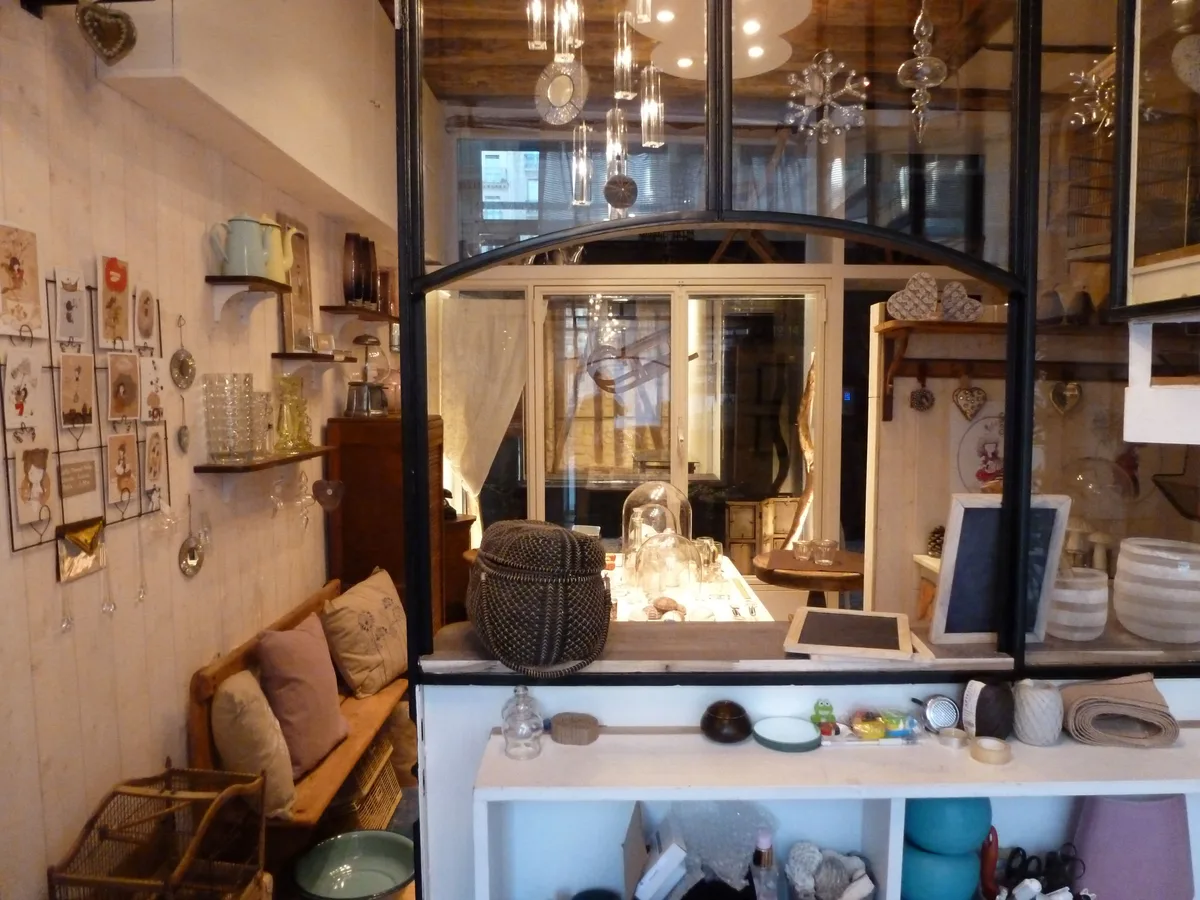
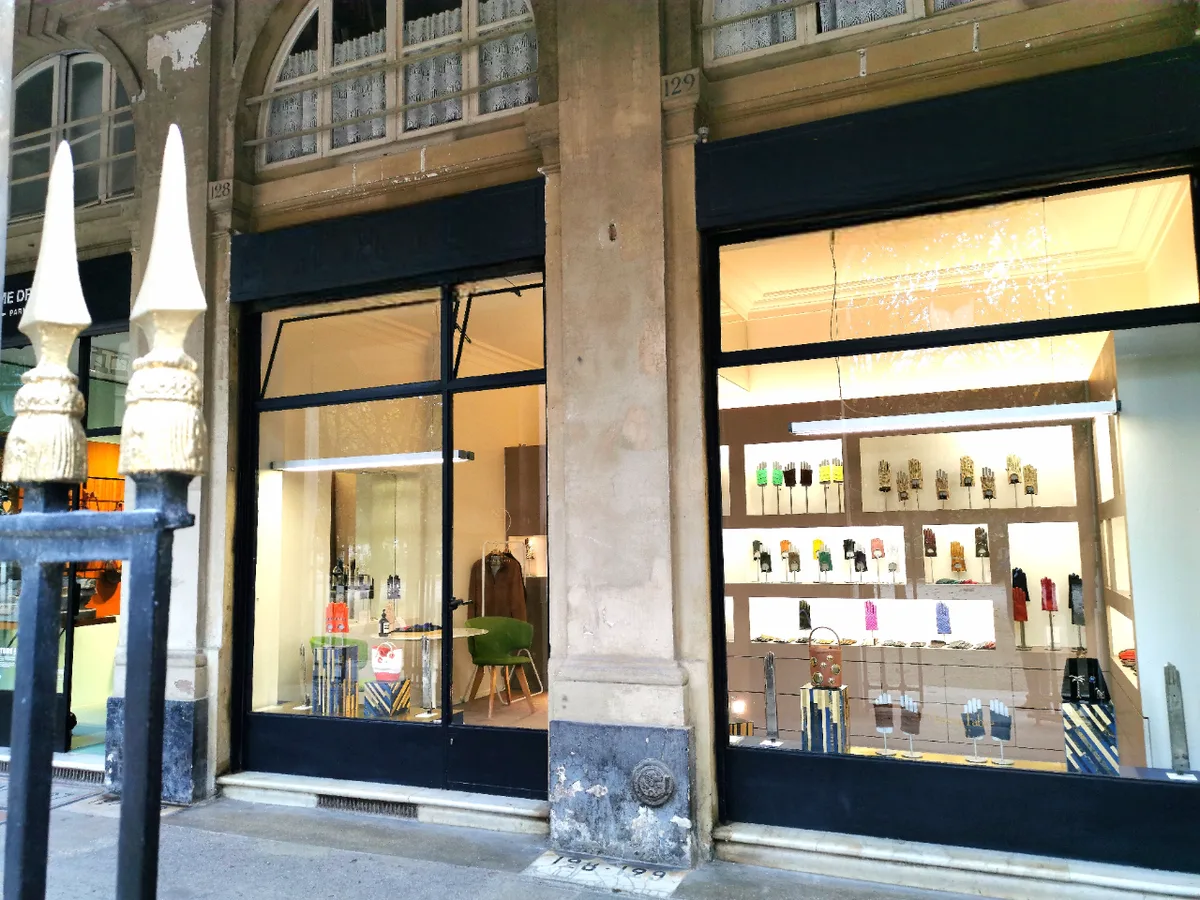
A pop up shop in Palais Royal places your brand at the intersection of French heritage, luxury retail, and some of the highest-value foot traffic in Paris. The Palais-Royal district, anchored by its arcaded galleries, formal gardens, and proximity to Place Vendôme, Rue Saint-Honoré, and the Louvre Museum, is one of the most sought-after and competitive short-term retail destinations in the world. Brands ranging from independent designers to established luxury houses have used temporary retail activations here to build brand awareness, test new collections, reach international visitors, and generate editorial coverage. This guide covers everything a brand team needs to know before signing a space in this arrondissement, from location selection and space types to permits, budgets, logistics, and how pop-up spaces in Paris can be sourced and managed from brief to close.
Why the Palais Royal District Commands Attention for Pop-Up Retail
Quick answer: The Palais Royal district in the Paris 1st arrondissement offers a rare combination of architectural prestige, curated luxury retail adjacency, and strong international visitor footfall. For fashion brands, beauty houses, and luxury retailers, this geography provides an environment that elevates brand perception on sight, without the long lead times required by permanent flagship commitments.
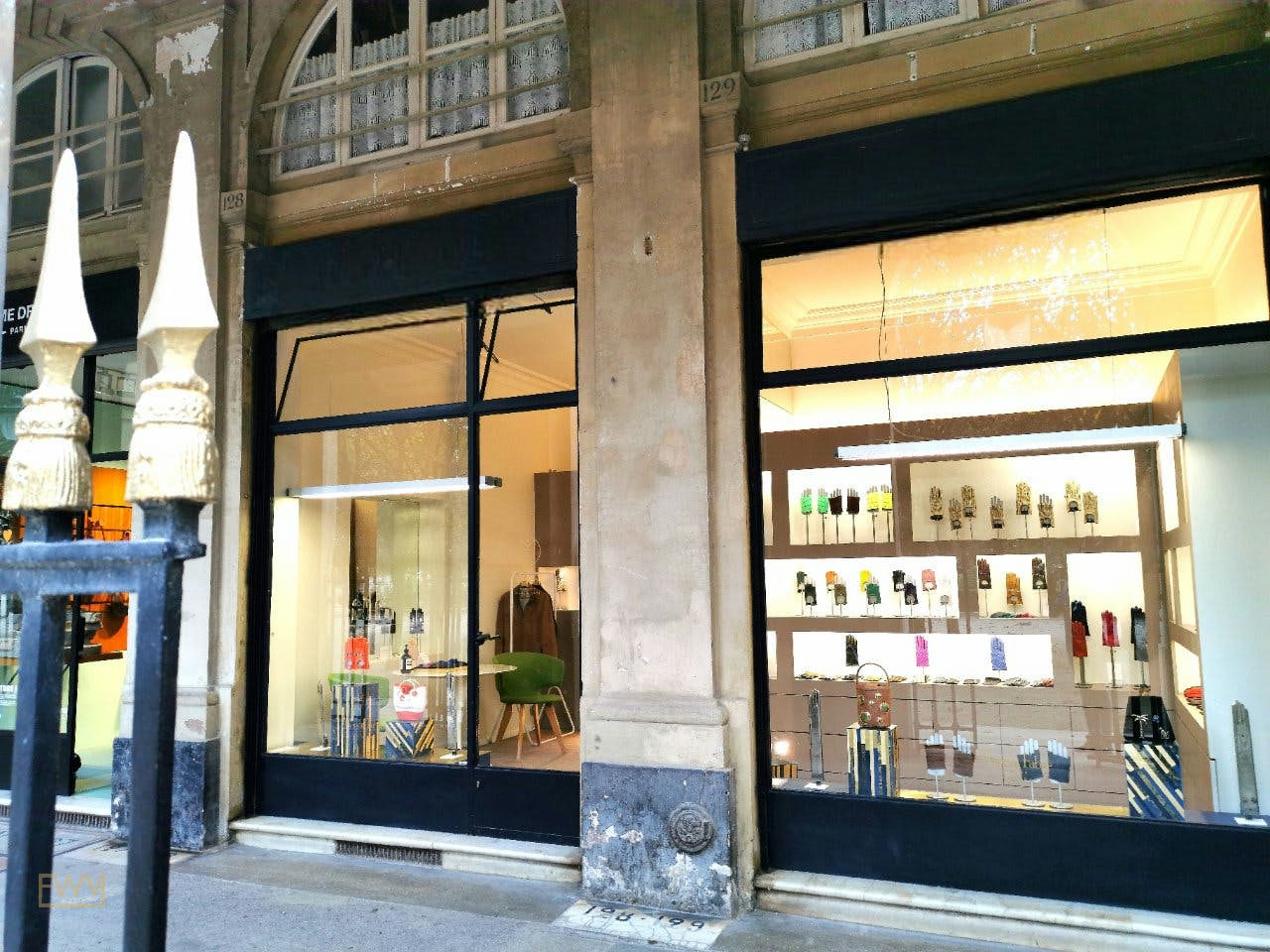
The Palais-Royal itself is one of Paris's most architecturally distinctive landmarks. Built in the 17th century and later transformed into the commercial and cultural hub it remains today, the complex surrounds a formal garden flanked by covered arcades. Those arcades, known as the Galerie de Valois, Galerie de Montpensier, and Galerie Beaujolais, house boutiques, galleries, restaurants, and one-of-a-kind specialist retailers. The combination of marble floors, high vaulted ceilings, parquet in upper-floor spaces, and controlled pedestrian traffic creates a setting that no trade fair booth or pop-up mall kiosk can replicate.
The surrounding streets extend that premium context. Rue Saint-Honoré connects directly to the district and is one of the most recognised luxury retail corridors in the world, hosting flagship stores from global fashion and accessories houses. Place Vendôme lies within walking distance, as do Rue de Rivoli, the Louvre Museum, and La Samaritaine, the revived department store that has itself become a destination for brand activations. Étienne Marcel and the Montorgueil district are immediately accessible to the north, providing access to a younger, style-conscious Parisian consumer demographic alongside the international luxury shopper.
For brands considering a pop-up store during Paris Fashion Week, the Palais Royal district positions them at the geographic and cultural centre of the event. Showrooms, presentations, and private appointments tend to cluster in the 1st and 8th arrondissements, making a Palais Royal activation directly accessible to press, buyers, stylists, and influencers moving between venues during the week. Brands such as Harry Nuriev, Augustinus Bader, and Haider Ackermann have used Paris 1st arrondissement spaces to create memorable retail moments that extend well beyond the Fashion Week calendar itself.
The district also serves brands outside the traditional fashion calendar. The weeks surrounding Christmas generate exceptional foot traffic, with international tourists and Parisian shoppers drawn to the festive atmosphere, the proximity of the Louvre Museum, and the decorated arcades. A pop-up timed to the festive season can combine retail sales with brand storytelling, gift-focused product launches, and experiential moments that drive both direct revenue and social content.
DID YOU KNOW: The Palais Royal gardens are managed by the Centre des monuments nationaux and draw over two million visitors annually, creating consistent and predictable foot traffic for retailers operating in the surrounding arcades and adjacent streets throughout the year.
The Fondation Quartier and the Pinault Collection's presence at the Bourse de Commerce, located just minutes from Palais Royal, have further elevated the district's standing as a destination for cultural tourism and high-end brand activations. Brands presenting artworks, limited editions, or concept-driven ephemeral gallery formats benefit from this cultural adjacency in ways that purely commercial districts cannot offer.
KEY TAKEAWAY: The Palais Royal district delivers a combination of architectural distinction, luxury retail adjacency, cultural prestige, and international visitor footfall that makes it one of the strongest locations in Europe for short-term brand activations. Its proximity to key Paris Fashion Week circuits and its year-round drawing power give brands a reliable platform for both campaign-driven and calendar-driven pop-up strategies.
With a clear sense of why this location is so compelling, the next step is understanding the specific space types available and which formats work best for different brand objectives.
Space Types Available for a Pop Up Shop in Palais Royal Paris
Quick answer: The Palais Royal area offers a diverse range of short-term retail formats, including arcade boutiques, gallery-style loft spaces, showroom apartments, ground-floor street retail, and courtyard venues. Each format serves different brand needs, budgets, and activation styles.
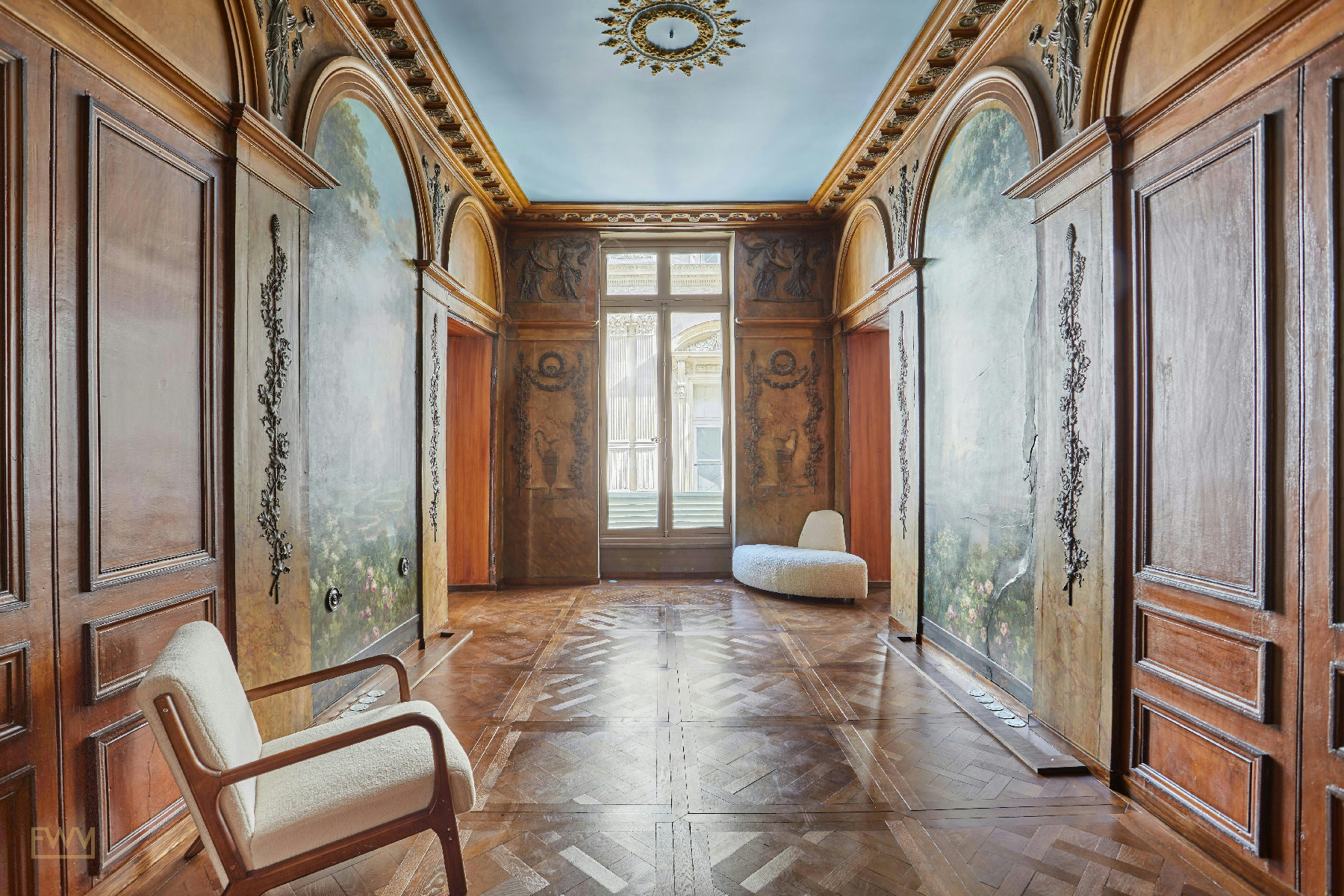
Understanding which space type aligns with your brand's objectives is the first practical decision in any Palais Royal pop-up project. The district contains genuinely varied architectural stock, from 17th-century arcade units with stone floors and arched ceilings to Haussmann-era upper-floor apartments with parquet floors and tall windows, to more contemporary converted spaces that support flexible fit-out.
Arcade Boutique Units
The covered arcades of the Palais-Royal are the most architecturally distinctive commercial units in the district. These narrow, elongated boutique spaces typically feature stone or marble floors, vaulted ceilings, and direct access to the pedestrian arcade that runs around the gardens. They suit jewellery, accessories, perfume, and small luxury collections particularly well. The compact footprint requires considered fixture design and selective merchandising, but the setting provides an immersive luxury atmosphere that compensates for size constraints.
Loft Spaces and Upper-Floor Showrooms
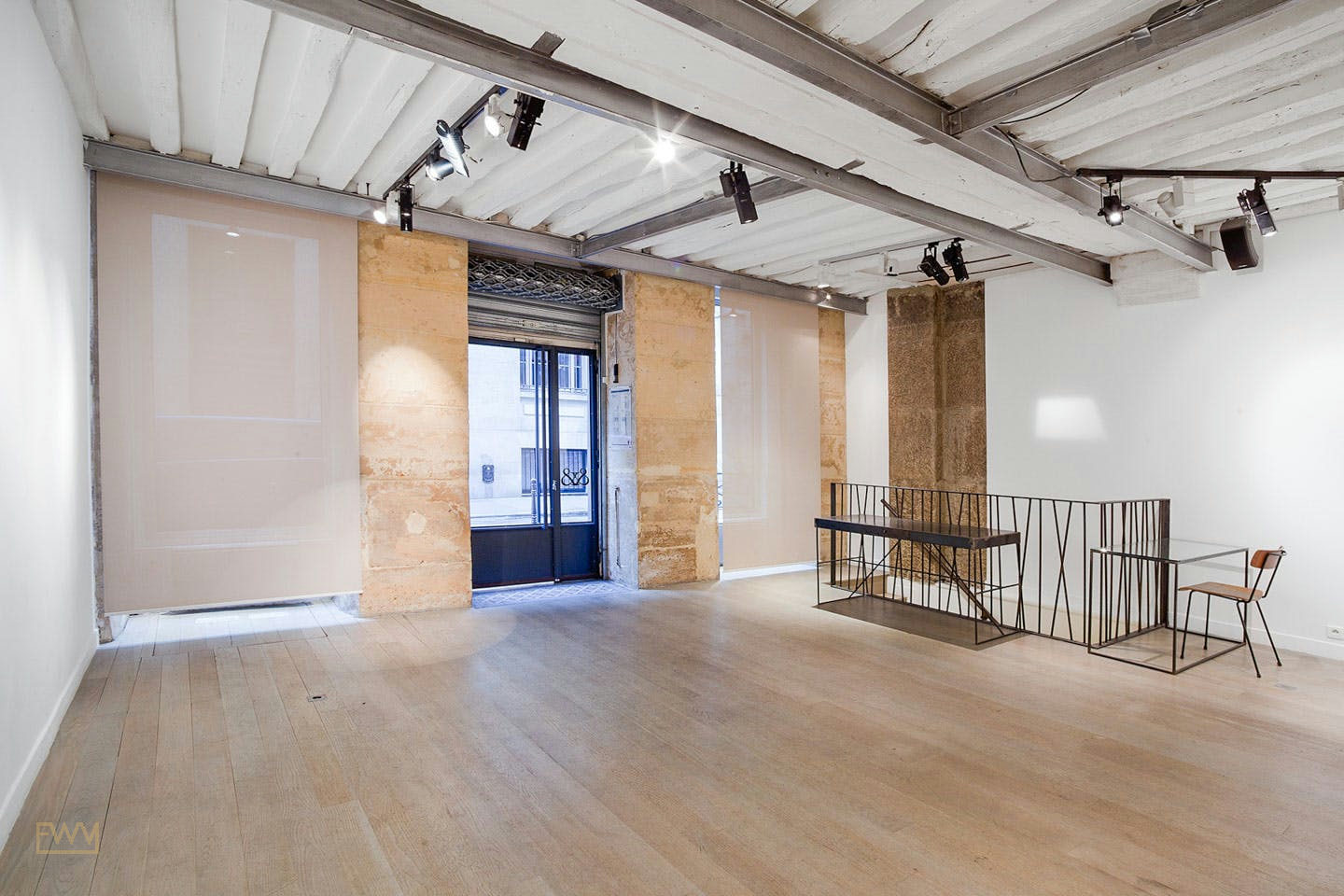
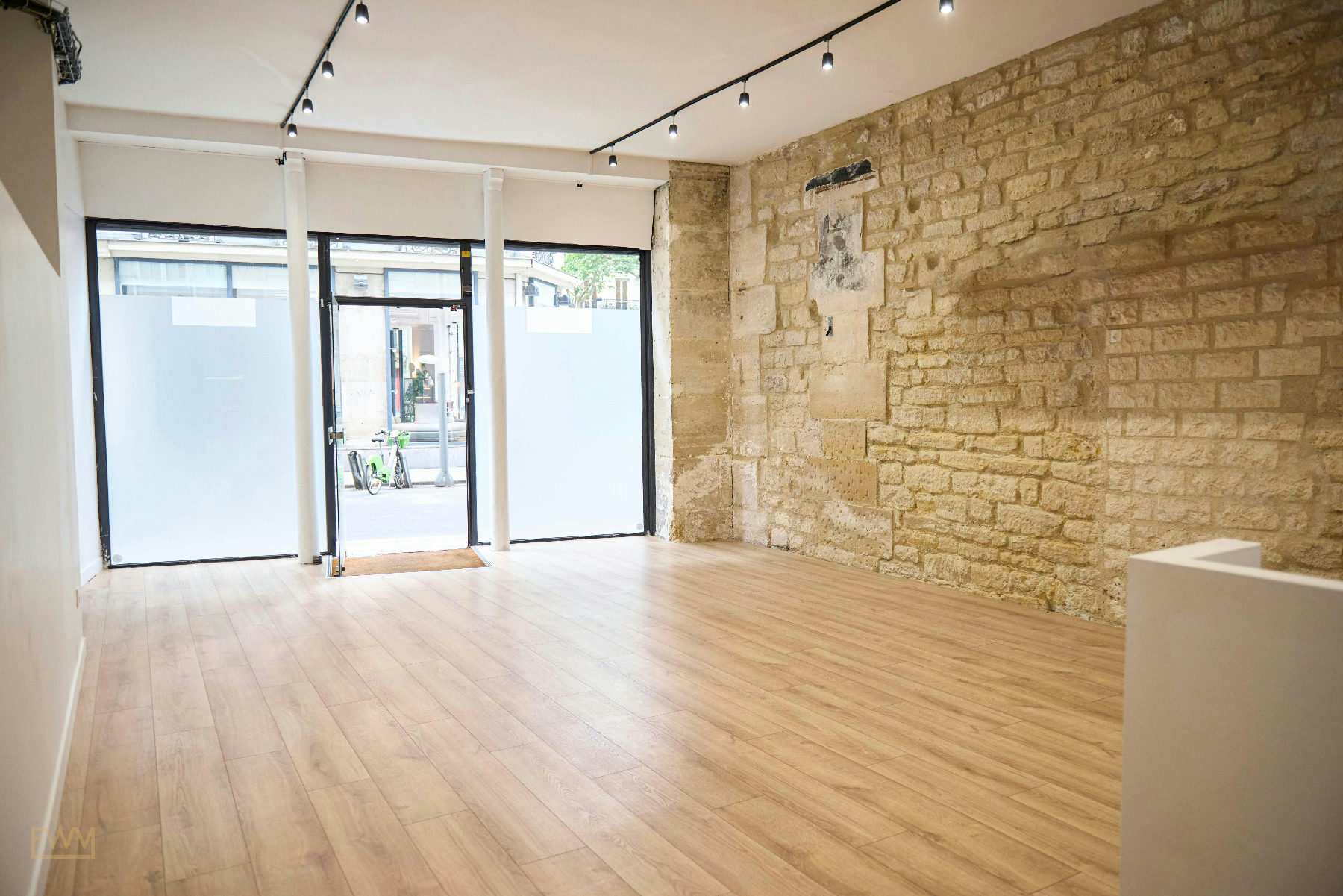
Upper-floor spaces in the streets surrounding Palais Royal, including those along Rue du Louvre, Rue de Rivoli, and the side streets connecting to Place des Victoires, offer larger footprints with loft-like proportions. High ceilings, large windows, and open-plan layouts make these spaces suitable for showrooms, ephemeral gallery formats, presentation events, and larger fashion activations. Marble floors, exposed stone, and period architectural details are common in these buildings and can be incorporated into brand concepts without significant build cost.
Street-Level Retail Units
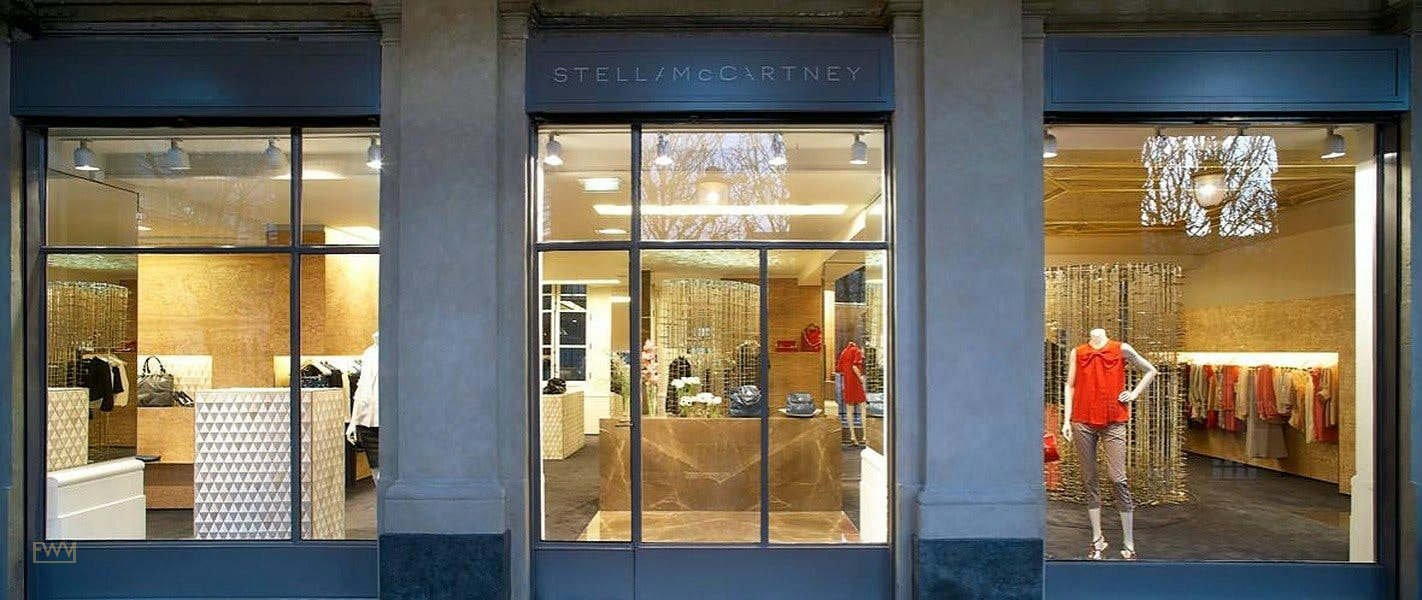
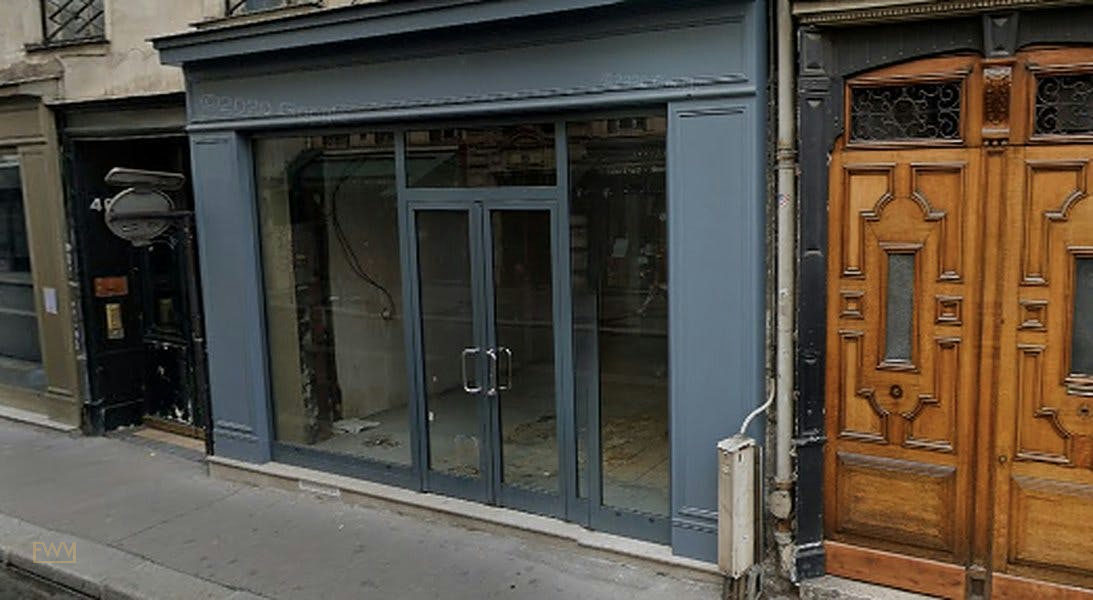
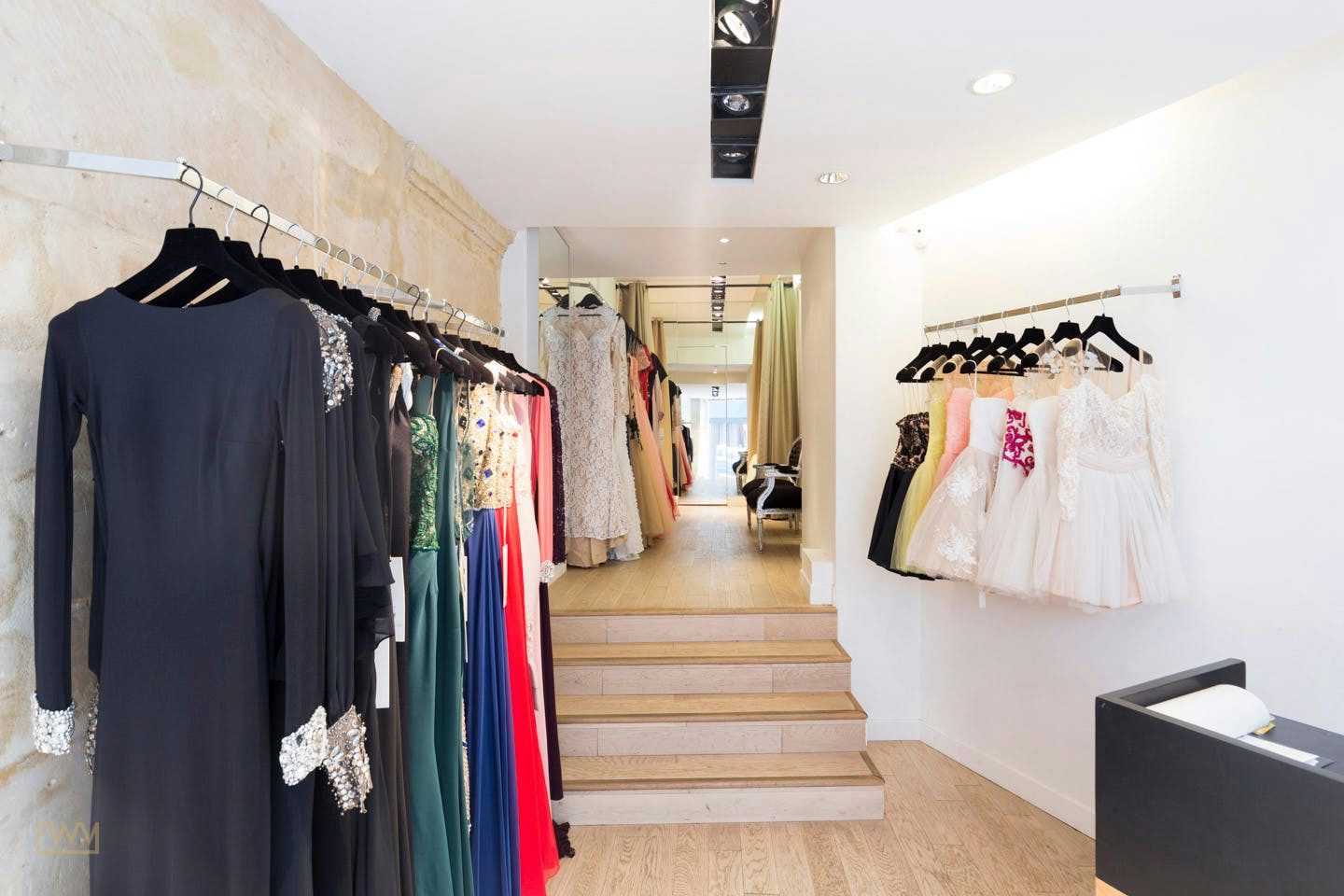
Ground-floor retail units on the streets directly adjacent to the Palais Royal gardens, including those facing Rue Saint-Honoré and the approaches from Étienne Marcel, offer traditional shop formats with direct pavement access. These spaces work well for brands seeking direct consumer engagement, product sales, and high street-level visibility. Foot traffic on these streets is strong throughout the day and evening, particularly during the Fashion Week calendar and the Christmas season.
Courtyard and Multi-Room Venues
Several properties within the district contain internal courtyards or multi-room configurations that lend themselves to experiential activations, brand immersion concepts, and event formats that combine retail with hospitality. Café-style elements, product demonstrations, and invite-only brand experiences can be designed within these spaces. The Courtyard Café model, in which retail and refreshment coexist, is an established format in the district and draws visitors for longer dwell times.
Space Type Comparison Table
| Space Type | Typical Size | Best For | Key Architectural Feature | Seasonal Strength |
|---|---|---|---|---|
| Arcade Boutique | 20 to 60 sqm | Jewellery, accessories, perfume, limited editions | Stone arches, marble floors, arcade exposure | Year-round, Christmas peak |
| Loft Space / Showroom | 80 to 300 sqm | Fashion presentations, showrooms, gallery activations | High ceilings, parquet, large windows | Fashion Week, trade season |
| Street-Level Retail | 40 to 150 sqm | Direct-to-consumer sales, brand flagships, cosmetic retail | Shopfront display, pavement access | Year-round, peak tourist season |
| Courtyard / Multi-Room | 100 to 400 sqm | Experiential events, hospitality-led activations, brand immersion | Internal courtyard, period reception rooms | Fashion Week, festive season |
| Apartment Showroom | 60 to 200 sqm | Private appointments, press days, trade showrooms | Parquet floors, natural light, residential character | Fashion Week, trade fairs |
KEY TAKEAWAY: Matching your space type to your activation format early in the planning process prevents costly mismatches between brand concept and architectural reality. The Palais Royal district offers genuine variety, but each space type has inherent constraints that shape what is achievable within a given budget and timeline.
Knowing which space type suits your concept is inseparable from understanding the neighbourhood geography, which shapes which types of brands succeed in different sub-locations within the district.
Neighbourhood Geography: Key Streets and Sub-Locations Within the District
Quick answer: The Palais Royal district spans several distinct micro-locations within the Paris 1st arrondissement, each with different visitor profiles, adjacencies, and retail characters. The most sought-after sub-locations include the Palais Royal arcades themselves, Rue Saint-Honoré, Place des Victoires, Rue du Louvre, and the Étienne Marcel and Montorgueil corridors to the north.
Brands approaching the district for the first time often treat it as a single location. In practice, the area contains several commercially distinct zones that attract different consumer types and deliver different brand visibility outcomes.
The Palais Royal Arcades and Gardens
The arcades directly surrounding the Palais Royal gardens are the most exclusive and architecturally compelling retail locations in the district. Access to units here is tightly controlled by heritage authorities, and short-term leases are rare and competitive. When available, these spaces command significant rental rates and are most appropriate for established luxury brands with the budget and permit capability to operate within heritage building constraints. The Pinault Collection's Bourse de Commerce and the adjacent Fondation Quartier attract an art-conscious international audience that overlaps well with luxury fashion and collector-oriented brands.
Rue Saint-Honoré and Place Vendôme Approach
Running west from the Louvre Museum toward the Arc de Triomphe, Rue Saint-Honoré is one of the world's most recognised luxury retail addresses. Brands activating here benefit from association with permanent neighbours including international fashion houses and fine jewellers. The street attracts high-spending international shoppers, particularly in the morning and early afternoon. Pop-up concepts on this street typically take the form of temporary flagship store formats or limited-edition product launches.
Place des Victoires
The circular Place des Victoires, located just north of the Palais Royal gardens, is a quieter but architecturally spectacular location with a curated independent retail character. It is particularly associated with fashion brands and boutiques, making it a natural fit for emerging and mid-luxury fashion activations. The relatively lower foot traffic compared to Rue Saint-Honoré is offset by the quality of the audience, which tends to be fashion-literate and engaged.
Rue du Louvre and Étienne Marcel
Rue du Louvre connects the Palais Royal district northward toward the Montorgueil district and Les Halles. The Poste du Louvre building, now a mixed retail and hospitality venue, anchors this corridor. Étienne Marcel is a street with a strong contemporary fashion identity, frequently referenced in discussions of Paris street style and independent retail. Brands targeting a younger, fashion-forward Parisian audience find this sub-location productive for pop-up formats that emphasise discovery and cultural relevance.
La Samaritaine and Rue de Rivoli
La Samaritaine, reopened as a luxury retail and hospitality destination, sits at the southern boundary of the district along Rue de Rivoli. The building itself hosts brand activations and concessions, and its surrounding streets offer retail units that benefit from the adjacent department store's drawing power. This sub-location is well-suited to brands seeking high daily visitor volumes with a mix of tourist and local shoppers.
To compare these sub-locations against your specific brief and budget, the space locator tool on Fashion Week Venues allows you to filter by arrondissement, space type, and activation format.
KEY TAKEAWAY: The Palais Royal district is not a single retail address. Selecting the right sub-location within the district requires understanding visitor profiles, adjacency effects, architectural constraints, and the specific objectives of your activation. Each micro-location within the arrondissement delivers a different combination of foot traffic volume, audience quality, and brand association.
Understanding the geography informs budget planning, which requires a clear framework for the actual cost components of a Palais Royal pop-up activation.
Budget Planning for a Pop Up Shop in Palais Royal
Quick answer: Rental costs in the Palais Royal district vary widely by space type, location, size, and duration. Directional estimates suggest that smaller street-level units in adjacent streets may start from several hundred euros per day, while arcade boutiques and larger loft spaces in prime positions carry significantly higher daily rates. Total activation budgets must account for rental, fit-out, staffing, logistics, permits, and marketing combined.
One of the most common planning errors brands make when approaching a Palais Royal pop-up is treating space rental as the only significant cost. In practice, the rental fee represents one component of a broader activation budget that includes multiple interdependent line items.
Cost Components of a Palais Royal Pop-Up
| Cost Category | What It Covers | Notes |
|---|---|---|
| Space Rental | Short-term lease or licence fee for the venue | Rates vary significantly by location, size, and season |
| Fit-Out and Production | Fixtures, furniture, brand installation, lighting, signage | Heritage buildings may restrict drilling, adhesives, or structural changes |
| Retail Staffing | Sales staff, brand ambassadors, store managers | French labour law applies; bilingual staff often required |
| Permits and Compliance | Commercial activity authorisation, temporary signage permits | Requirements vary by space type and duration |
| POS and Payments | Point-of-sale systems, card payment terminals, inventory software | Multi-currency capability is advisable for international visitor locations |
| Marketing and Activation | Influencer fees, event costs, PR, digital advertising | Palais Royal's organic visibility reduces but does not eliminate paid marketing need |
| Logistics and Transport | Stock delivery, set-up crew, dismantling, storage | Central Paris logistics require advance planning; vehicle access is restricted |
| Insurance | Public liability, product liability, property damage | Most space owners require proof of adequate cover before handover |
Rental rate guidance from publicly available market listings suggests that boutique-scale pop-up spaces in the Palais Royal area can start from approximately 200 euros per day for smaller street-level units in adjacent streets, rising to several thousand euros per day for premium arcade positions or larger loft formats during peak calendar windows. These figures are directional only and should not be used for formal budget planning without verification against current market conditions.
For brand-specific budget modelling, the budget estimation tool on Fashion Week Venues allows teams to input space size, duration, activation format, and staffing requirements to generate a structured cost framework.
TIP: Activation costs in heritage-protected buildings are frequently higher than equivalent spaces in less restricted areas because fit-out options are limited, specialist contractors may be required, and reinstatement obligations at the end of the lease can add significant cost. Always request a full schedule of dilapidations before signing.
DID YOU KNOW: The duration of a Palais Royal pop-up significantly affects the per-day effective cost. A two-week activation spread over fourteen days amortises fit-out and logistics costs far more efficiently than a three-day event, even if the total rental figure is higher. Brands with strong conversion mechanics and high average transaction values typically find that two to four week activations deliver better return on investment than very short runs.
To model the financial return of a proposed activation against its costs, the ROI calculation tool on Fashion Week Venues provides a structured framework for estimating revenue, brand value, and data collection outcomes against total spend.
KEY TAKEAWAY: Budget planning for a Palais Royal pop-up must account for all cost categories, not just space rental. Heritage building constraints, central Paris logistics, French labour requirements, and peak season demand all affect total cost. Use structured planning tools to model costs before committing to a space.
Cost planning connects directly to the question of duration, which has both financial and strategic dimensions that are worth exploring in detail.
Ideal Duration for a Pop Up Store in Palais Royal Paris
Quick answer: The ideal duration for a pop-up store in Palais Royal depends on the brand's objectives, budget, and calendar alignment. Activations typically range from three days for event-driven launches to six to eight weeks for seasonal retail runs. Most brands find that ten to twenty-one days provides the best balance between activation depth and cost efficiency.
Duration decisions should be driven by the activation's primary purpose, not by the availability calendar alone. A brand using the pop-up primarily to generate press coverage and social content may find that five to seven days is sufficient. A brand with genuine retail sales objectives, a new collection to present, or a target of building customer loyalty data will generally benefit from longer runs that allow word-of-mouth to build and repeat visits to accumulate.
Duration by Activation Objective
| Activation Objective | Recommended Duration | Rationale |
|---|---|---|
| Press and editorial launch | 3 to 7 days | Coverage is generated in first days; extended run has diminishing press returns |
| Fashion Week showroom | 5 to 10 days | Aligned to buyer and press schedules during the Fashion Week calendar |
| Seasonal retail (Christmas, summer) | 3 to 6 weeks | Amortises fit-out cost; captures repeat visitors and tourist waves |
| Collection test and consumer research | 2 to 4 weeks | Sufficient data sample for purchase behaviour and product feedback |
| Brand awareness and loyalty building | 4 to 8 weeks | Longer dwell in market creates memory and association with the location |
| Co-activation or brand collaboration | 2 to 3 weeks | Joint audience building benefits from sustained presence; shared cost structure |
The Paris Fashion Week calendar creates specific demand windows that affect both availability and pricing. Spaces in the most desirable Palais Royal locations are often booked months in advance for the February and October Fashion Week periods. Brands planning activations during these windows should begin venue discussions at least four to six months before the target dates. Outside peak windows, three to four months of lead time is generally sufficient for most space types in the district.
The timeline planning tool on Fashion Week Venues maps the key tasks and dependencies in a Palais Royal activation against the Paris Fashion Week calendar and other major commercial windows.
KEY TAKEAWAY: Duration is a strategic variable, not just a logistical one. Brands that align duration to their primary objective and amortise fit-out cost over sufficient days consistently achieve better outcomes than those who compress activations to minimise rental spend. Plan duration alongside budget, not after it.
Duration and budget planning become significantly more complex when permits and legal compliance enter the picture, which is one of the most misunderstood areas of Parisian pop-up retail.
Permits, Leases, and Legal Compliance for Pop Up Shops in Paris
Quick answer: Operating a pop-up shop in Paris requires navigating French short-term commercial lease law, local authority permits, and in some cases heritage property regulations. The two primary legal frameworks for short-term retail in France are the bail dérogatoire and the autorisation d'occupation temporaire. Requirements vary by space type, duration, and location.
Legal compliance is one of the areas where international brands most frequently encounter unexpected delays and costs. French commercial property law is precise, and the assumption that a short-term retail arrangement is simpler or less regulated than a standard lease is incorrect. Understanding the relevant frameworks before signing anything is essential.
Bail Dérogatoire
The bail dérogatoire, sometimes called a short-term commercial lease in English-language discussions, is a French legal instrument that allows commercial space to be rented for a period of up to thirty-six months without granting the tenant the property rights associated with a standard commercial lease. For pop-up retail purposes, this framework is typically used for activations lasting from a few weeks to several months. It requires a written agreement, compliance with French contract law, and explicit agreement from both parties that the arrangement falls outside the standard commercial lease framework.
Brands should be aware that a bail dérogatoire does not simplify the legal obligations of the tenant. French employment law, consumer protection regulations, fire safety requirements, and accessibility standards all continue to apply. A French legal advisor should review any lease document before signature.
Autorisation d'Occupation Temporaire (AOT)
For activations in publicly owned spaces, including certain sections of heritage buildings, courtyards, or public domain areas adjacent to landmarks such as the Louvre Museum, an autorisation d'occupation temporaire may be required. This is an administrative permit granted by the relevant public authority and is distinct from a commercial lease. The AOT process involves an application, review period, and conditions of use that must be respected during the activation.
Signage, Commercial Activity, and Heritage Restrictions
The Palais Royal district falls within heritage-protected zones that impose restrictions on external signage, facade alterations, and certain types of commercial communication visible from the street or arcade. Brands planning branded shopfront installations, hanging signs, or large external graphics should seek guidance from the space owner and, where necessary, from the Architecte des Bâtiments de France, the authority responsible for heritage building oversight in France.
IMPORTANT: Requirements for permits and compliance in Paris vary significantly by space type, building classification, duration of activation, and specific arrondissement. Do not assume that a permit arrangement that worked in one space will apply to another, even within the same district. Always verify current requirements with a qualified French legal advisor and use the permit guidance tool on Fashion Week Venues as a starting reference point.
International brands without a French legal entity can still rent short-term retail space in Paris in many cases, but the arrangements for doing so vary by space owner, lease type, and duration. Some space owners require a French guarantor or a deposit of several months' equivalent rent. Others accept international companies directly. This is one of the areas covered in the myth versus fact section below.
KEY TAKEAWAY: Legal compliance for a Paris pop-up is not a minor administrative step. Bail dérogatoire agreements, AOT permits, heritage restrictions, and employment law requirements all demand careful advance preparation. Engaging a specialist agency or legal advisor early in the planning process significantly reduces the risk of delays, fines, or forced closure.
With permits and legal frameworks understood, the next consideration is how to find and evaluate the right space, which is where specialist agency support becomes most valuable.
How Fashion Week Venues Supports Palais Royal Pop-Up Activations
Fashion Week Venues is a full-service pop-up agency and space marketplace that supports brands at every stage of a Paris activation, from initial brief and space discovery through to concept design, production, staffing, and post-activation analysis. For brands targeting the Palais Royal district specifically, the agency provides structured support across the areas that international teams find most challenging: space sourcing in a competitive and often opaque local market, navigating French permit and compliance requirements, managing fit-out in heritage buildings, and staffing activations with bilingual retail professionals.
The venue sourcing service covers the Palais Royal district and the broader Paris 1st arrondissement, drawing on established relationships with space owners in the arcades, on the key streets, and in the upper-floor showroom stock that rarely appears on public listing platforms. Brands brief their requirements in terms of size, format, duration, and budget, and the agency identifies shortlisted options with relevant information on each.
For brands that have identified a space but need support with concept and creative development, the concept direction service translates brand identity into spatial strategy, working within the architectural constraints and aesthetic character of the chosen venue. This is particularly valuable in heritage spaces where the temptation to over-build or under-edit is a common error.
The production and build service manages fit-out in central Paris, including the logistics of delivering and installing fixtures and furniture in pedestrianised or access-restricted zones. The team has experience with the specific requirements of heritage buildings and can advise on non-destructive installation methods that satisfy both brand requirements and building conservation obligations.
Retail staffing in Paris requires French language capability and familiarity with the luxury retail context. The retail staffing service provides vetted bilingual staff trained in brand representation, product knowledge, and the specific customer service expectations of the Palais Royal visitor demographic.
Brands considering whether to activate alone or in collaboration with a complementary brand can explore the twin co-activation concept, which pairs two non-competing brands within a single space to share costs and combine audiences. This model is particularly well-suited to the Palais Royal district, where space sizes often suit a dual-brand format and where the district's curatorial reputation supports unexpected brand pairings.
Beyond direct services, Fashion Week Venues provides a suite of planning tools including the space comparison tool, which allows brand teams to evaluate multiple shortlisted spaces against a standardised set of criteria before committing. The imagine tool and build planning tool support visual briefing and fit-out planning before a space has been confirmed, reducing the risk of scope changes once production has begun.
TIP: Brands new to Paris activations often underestimate the lead time required for sourcing, permitting, and production in the Palais Royal district. Beginning conversations with Fashion Week Venues three to six months before a target activation window gives the team enough time to source from the full range of available spaces, not just those that happen to be available at short notice.
To review the agency's approach to managing Paris activations from end to end, the process page on Fashion Week Venues outlines the key stages, decisions, and deliverables involved in a full-service engagement.
KEY TAKEAWAY: Fashion Week Venues supports Palais Royal pop-up activations across the full project lifecycle, from space discovery to post-activation reporting. The combination of local market knowledge, established space owner relationships, production capability, and specialist staffing makes it particularly valuable for international brands entering Paris for the first time or scaling from single to multiple activations.
Understanding how an agency supports the process clarifies what brand teams can reasonably expect to handle independently and where specialist support adds measurable value.
Maximising Foot Traffic and Conversion in a Palais Royal Pop-Up
Quick answer: Foot traffic in the Palais Royal district is strong but competitive. Converting passing visitors into engaged customers requires strategic merchandising, clear brand communication, and a compelling reason to enter. The combination of organic location traffic, targeted influencer marketing, and event programming delivers the strongest results for pop-up activations in this district.
The Palais Royal district's reputation as a curated luxury and cultural destination means that visitors are predisposed to discovery and engagement. However, the density of high-quality retail options in the arcades and surrounding streets means that a pop-up that does not present a distinctive visual proposition will be passed without a second glance. The activation concept must earn attention from the street.
Visual Merchandising in Heritage Spaces
In arcade boutique and loft space formats, the architectural character of the building is itself a merchandising asset. Marble floors, stone arches, parquet, and period details create a backdrop that elevates product presentation without requiring expensive graphic or scenic elements. Successful activations in Palais Royal spaces tend to work with the architecture rather than concealing it, using minimal, precise fixture arrangements that allow the building and the product to carry the concept together.
Fixtures in heritage buildings must often be freestanding rather than wall-mounted. This constraint, while limiting in some respects, encourages the kind of open, gallery-influenced merchandising that works well for luxury and fashion brands in this setting. Furniture rental from a specialist provider with experience in the Palais Royal context can dramatically reduce set-up time and cost compared to custom fabrication.
Influencer Marketing and Social Content
The Palais Royal district has strong visual content value. Its arcades, gardens, and gold-accented details photograph well and are consistently used as backdrops by fashion content creators and retail photographers working in Paris. A pop-up activation here benefits from this context, with organic social content amplifying the brand's presence beyond the immediate visitor audience.
Structured influencer programming, managed through a defined brief and content schedule, can generate consistent reach during the activation window. The influencer marketing service on Fashion Week Venues connects brands with verified Paris-based content creators whose audiences align with the target customer profile for Palais Royal activations.
Event Programming Within the Activation
Pop-up activations that include event programming, whether a launch evening, a product workshop, a styling appointment, or a private press preview, consistently outperform static retail formats in terms of press coverage, social content generation, and customer loyalty outcomes. Events create urgency and exclusivity that a permanent store cannot replicate, which is one of the core advantages of the pop-up format itself.
In the Palais Royal context, events can draw on the district's cultural and social associations. A brand activating around the Christmas season can incorporate festive elements such as exclusive product launches, gift-wrapping services, or a seasonal café concept with festive exclusives like hot chocolate or mulled drinks that create a reason to visit beyond the retail offer itself. Cosmetic retail brands have used similar mechanisms, combining product education, skin consultations, and exclusive products like limited moisturisers or a hero item such as The Rich Cream or a new lip balm range, to drive both dwell time and purchase intent.
Data Collection and Customer Intelligence
Pop-up activations are a valuable data collection opportunity that many brands under-exploit. Visitor registration, email capture, purchase data, product feedback, and social engagement metrics all generate intelligence that informs both the current activation's management and future brand strategy. CRM integration at the point of sale allows brands to build customer profiles during the activation window, turning a temporary retail presence into a long-term marketing tool. The data and analytics service on Fashion Week Venues supports brands in structuring this data collection process.
KEY TAKEAWAY: Maximising conversion in a Palais Royal pop-up requires a combination of architectural sensitivity in merchandising, structured influencer and content strategy, event programming to generate urgency, and systematic data collection to extend the commercial value of the activation beyond its physical run.
With operational strategy understood, it is worth examining the specific seasonal windows that shape the Palais Royal pop-up calendar and how brands can position their activations within these rhythms.
Seasonal Windows and Calendar Strategy for Palais Royal Pop-Up Stores
Quick answer: The Palais Royal district has several distinct peak trading and activation windows throughout the year. Paris Fashion Week in February and October, the summer tourist season, and the Christmas and New Year period represent the three primary demand windows, each offering different visitor profiles and commercial opportunities.
Unlike many retail districts that experience a single peak season, Palais Royal benefits from multiple overlapping demand cycles. International tourism, the Paris Fashion Week calendar, the cultural and institutional event calendar, and the French retail seasonal rhythm all contribute to a district that maintains strong foot traffic for a longer portion of the year than most comparable European locations.
Paris Fashion Week (February and October)
The biannual Paris Fashion Week calendar creates the most concentrated period of industry-focused demand for spaces in the Palais Royal district. The presence of press, buyers, stylists, brand directors, and social media creators in Paris during these weeks makes any activation immediately visible to the global fashion industry. Showroom formats, presentation spaces, and consumer-facing pop-up stores all perform well during this window, provided they are positioned correctly within the district and communicated effectively to the Fashion Week audience.
Space availability during Fashion Week is extremely limited, and brands that do not secure confirmed leases well in advance of the season risk being unable to find suitable locations at any price. The district is also subject to heightened competition from international luxury brands, which can affect both availability and rental rates.
Christmas and New Year Season
The period from mid-November through early January is the strongest retail trading window in the Palais Royal district. International tourists combine with Parisian shoppers seeking gifts, festive experiences, and seasonal exclusives. The district's aesthetic character, with its covered arcades and garden setting, lends itself particularly well to festive brand activations that incorporate seasonal elements such as decorative Christmas trees, limited festive collections, gift packaging services, or Courtyard Café-style hospitality. Brands in categories including jewellery, accessories, beauty, homeware, and gifting find this window particularly productive.
Summer Tourist Peak (June to August)
Summer brings a significant increase in international tourist foot traffic to the Palais Royal district, driven by proximity to the Louvre Museum and the general Paris tourist calendar. Consumer spending during this period tends to be gift-oriented and souvenir-adjacent for some visitor types, but the district also draws fashion-literate travellers who use Paris visits to discover brands they cannot access at home. Brands with strong international recognition or distinctive Parisian positioning perform well in this window.
Trade and Industry Windows
Beyond the consumer-facing calendar, the Palais Royal district is used for trade-facing activations throughout the year, including showroom appointments during Premiere Vision, Tranoï, and other Paris trade events. Brands presenting collections to buyers and press during these events use Palais Royal apartments and loft spaces as preferred alternatives to trade fair exhibition stands, offering a more controlled and brand-appropriate environment for private appointments.
KEY TAKEAWAY: The Palais Royal district supports activations across multiple calendar windows, but each window has distinct visitor profiles, competitive conditions, and planning lead time requirements. Aligning your activation to the right seasonal window for your brand category and commercial objectives significantly affects both cost and outcome.
Common Myths About Renting a Pop Up Shop in Palais Royal
MYTH: You need a French legal entity to rent a pop-up space in Palais Royal.
FACT: Many space owners in the Palais Royal district will transact with international companies directly, provided that appropriate documentation, insurance, and financial guarantees are in place. The specific requirements vary by space owner, lease type, and duration. Some arrangements may require a French guarantor or an increased deposit. Engaging a specialist agency with established local relationships can facilitate arrangements that would be difficult to negotiate independently. Always verify the specific requirements with the space owner and a French legal advisor before making assumptions.
MYTH: Paris Fashion Week is the only commercially viable window for a Palais Royal pop-up.
FACT: While Paris Fashion Week generates the highest concentration of industry attention, the Palais Royal district supports strong commercial activations throughout the year. The Christmas season, summer tourist peak, and inter-season trade windows all offer productive activation opportunities. Brands focused on consumer sales rather than industry visibility may actually find non-Fashion Week windows less competitive and more cost-effective for their objectives.
MYTH: Commission-based space brokers are the only way to find a pop-up space in Palais Royal.
FACT: Dedicated pop-up space marketplaces and full-service agencies provide structured, transparent alternatives to commission brokers for finding spaces in the Palais Royal district. These platforms and agencies offer searchable listings, verified space information, and managed negotiation processes that give brands more control over their decision-making. Commission broker arrangements can obscure true costs and limit the range of spaces presented to clients.
MYTH: Short-term retail leases in Paris are legally straightforward and do not require specialist advice.
FACT: Short-term commercial leases in France, including the bail dérogatoire, operate within a specific legal framework that has real obligations for both parties. Heritage building restrictions, AOT requirements, French employment law, fire safety regulations, and dilapidations obligations all apply to temporary retail activations in the Palais Royal district. Brands that approach short-term leases as informal arrangements risk penalties, disputes, and forced closures. Legal review before signing is strongly recommended.
MYTH: A pop-up in Palais Royal only works for established luxury brands with large budgets.
FACT: The Palais Royal district contains a range of space types at different price points and sizes, including smaller boutique units and upper-floor showroom spaces that are accessible to emerging and mid-scale brands. The district's reputation and foot traffic benefit brands at various stages of development, and the pop-up format itself is designed to give brands access to premium locations without the capital commitment of a permanent store. Budget planning tools help brands determine what is genuinely feasible within their envelope.
Frequently Asked Questions
Why rent a pop up shop in the Palais Royal district of Paris?
The Palais Royal district offers a combination of architectural prestige, luxury retail adjacency, and sustained international foot traffic that is difficult to replicate elsewhere in Paris. For fashion, beauty, and luxury brands, the location provides an environment that elevates brand perception immediately, placing the activation within a heritage context that communicates quality and curation. Proximity to Paris Fashion Week venues, the Louvre Museum, Place Vendôme, and Rue Saint-Honoré means that any activation here benefits from the accumulated brand associations of the district as a whole. This is not just a retail address; it is a brand positioning statement.
What are the most sought-after locations for renting a pop-up shop in Palais Royal, Paris?
The most sought-after sub-locations within the Palais Royal district include the covered arcades of the Palais-Royal itself, the stretch of Rue Saint-Honoré closest to the gardens, the immediate vicinity of Place des Victoires, and the Rue du Louvre corridor toward Étienne Marcel. Within the arcades, the Galerie de Valois and Galerie de Montpensier are the most prestigious and competitive positions. On the broader streets, units facing the Palais Royal gardens and those on the first floors above ground-level retail, offering loft-style spaces with parquet floors and high ceilings, are particularly sought after by fashion and beauty brands.
How much does it cost to rent a pop-up shop in Palais Royal, Paris?
Rental costs in the Palais Royal district vary significantly by space type, size, duration, location, and seasonal demand. Smaller street-level units in adjacent streets may start from approximately 200 euros per day based on publicly available market references, while premium arcade boutiques and larger loft spaces in prime positions carry considerably higher daily rates, particularly during Paris Fashion Week and the Christmas season. Total activation budgets must include fit-out, staffing, permits, logistics, and marketing in addition to rental. For brand-specific cost modelling, the budget estimation tool on Fashion Week Venues provides a structured planning framework.
What is the ideal duration to rent a pop-up store in Palais Royal, Paris?
The ideal duration depends on your primary activation objective. Fashion Week showroom activations typically run five to ten days, aligned to the buyer and press schedule. Consumer retail activations targeting the Christmas season or summer tourist window are most effective over three to six weeks, which amortises fit-out costs across sufficient trading days. Brand awareness and collection testing activations generally benefit from two to four weeks of presence. Very short activations of two to three days can work for press launch events but do not typically generate sufficient retail momentum to justify the fit-out investment required for Palais Royal spaces.
Do I need a French company to rent a pop-up space in Palais Royal?
In many cases, no. International brands without a French legal entity can rent short-term retail spaces in Paris, including in the Palais Royal district, provided they can supply the required documentation, insurance certificates, and financial guarantees requested by the space owner. The specific requirements vary by space owner, the type of lease or licence agreement being used, and the duration of the activation. Some space owners require a French guarantor or an enhanced deposit from international tenants. Engaging an agency with established local relationships can facilitate introductions and negotiations that remove many of these barriers.
What permits does a pop-up shop in Palais Royal require?
The specific permits required depend on the space type, duration, and nature of the commercial activity. Short-term commercial leases in France are governed by the bail dérogatoire framework. Activations in publicly owned or heritage-classified spaces may additionally require an autorisation d'occupation temporaire from the relevant public authority. External signage in heritage zones requires approval from the Architecte des Bâtiments de France. French employment law, fire safety regulations, and consumer protection requirements apply regardless of lease type or duration. Requirements vary and should be verified with a French legal advisor before any agreement is signed. The permit guidance tool on Fashion Week Venues provides an accessible starting reference.
What types of spaces are available for pop-up shops near Palais Royal?
The Palais Royal district contains a diverse range of space types suitable for short-term retail and brand activations. These include boutique-format arcade units within the covered galleries, street-level retail units on the principal surrounding streets, upper-floor loft spaces and apartment showrooms with parquet floors and high ceilings, courtyard venues suitable for experiential formats, and multi-room properties that can accommodate both retail and hospitality within a single activation. The variety of space types makes the district suitable for brands at different scales and with different activation formats, from intimate jewellery boutiques to large-scale fashion presentation spaces.
What is the best time of year to open a pop-up in Palais Royal?
The three strongest trading and activation windows in the Palais Royal district are Paris Fashion Week in February and October, the Christmas and New Year season from mid-November through early January, and the summer tourist peak from June through August. Each window has a different visitor profile and competitive dynamic. Fashion Week activations are most valuable for brands targeting industry press, buyers, and influencers. Christmas activations suit gifting, luxury, and experiential retail brands. The summer window is strongest for brands with international name recognition or distinctive Parisian positioning. Non-peak windows offer lower rental competition and can be productive for trade-facing or research-oriented activations.
Can an emerging or independent brand afford a pop-up in Palais Royal?
Yes, in many cases. The Palais Royal district contains space types at a range of price points, and the pop-up format is specifically designed to provide access to premium locations without the capital commitment of a permanent store. Smaller boutique units, upper-floor showroom spaces, and co-activation formats such as the twin concept available through Fashion Week Venues can make the district financially accessible to emerging brands with limited budgets. The key is accurate cost modelling across all budget categories before committing, rather than focusing on rental cost alone. Budget and ROI planning tools help brands determine what is genuinely achievable within their specific envelope.
How does foot traffic in Palais Royal compare to other Paris districts?
The Palais Royal district benefits from multiple overlapping sources of foot traffic: the Louvre Museum immediately to the south draws millions of international visitors annually, Place Vendôme and Rue Saint-Honoré create a luxury retail circuit that extends into the district, and the Palais Royal gardens themselves are a significant destination for both tourists and Parisian residents. This combination produces foot traffic that is high in volume and strong in audience quality relative to most other Paris districts. The covered arcades in particular generate protected pedestrian flow regardless of weather, which is a meaningful commercial advantage over open-street locations during autumn and winter activations.
What makes the Palais Royal arcades distinctive for luxury brand activations?
The covered arcades of the Palais-Royal combine several features that are genuinely rare in Paris commercial real estate. The protected pedestrian environment, the consistent architectural character of stone arches and marble floors, the carefully curated mix of existing boutique tenants, and the association with French cultural and royal heritage create a setting that communicates luxury and exclusivity without requiring significant brand investment in the physical environment. The arcades are a recognised global cultural landmark, which means that a brand activation here carries an inherent prestige that many equivalent square metres in less distinctive buildings cannot match. This heritage value is a primary reason why arcade units command premium rental rates.
How far in advance should I book a pop-up space in Palais Royal?
For Paris Fashion Week activation windows in February and October, four to six months of lead time is the minimum recommended. Prime positions in the arcades and on Rue Saint-Honoré for these periods are often discussed even earlier, and in some cases spaces are committed a full season in advance. For Christmas and New Year activations, beginning discussions in late summer is advisable, as the most sought-after spaces in this period are frequently claimed by September. For activations outside peak windows, three to four months of lead time is generally sufficient for most space types. The timeline planning tool on Fashion Week Venues provides a structured planning calendar aligned to Paris fashion and retail cycles.
Can I run a showroom and a consumer-facing pop-up in the same Palais Royal space?
Yes, and this is a format that many brands find effective in the Palais Royal district. Upper-floor loft spaces and apartment showrooms can be configured to serve trade appointments in the first part of a Fashion Week activation and then transitioned to a consumer-facing retail format for the remainder of the run. Alternatively, multi-room properties can host simultaneous trade and consumer activities in separate areas of the same space. This dual-use approach amortises rental and fit-out costs across two revenue and relationship channels, improving the overall return on the activation investment. The concept direction service on Fashion Week Venues can advise on how to design a space that serves both functions without compromising either.
What services does Fashion Week Venues provide for Palais Royal pop-up activations?
Fashion Week Venues offers a full-service engagement model for Palais Royal and broader Paris activations, covering venue sourcing, concept direction, production and build management, activation management, branded store design, furniture rental, retail staffing, POS and payments infrastructure, data and analytics, and influencer marketing. The agency also provides a curated space marketplace, planning tools including budget, ROI, timeline, permit, compare, and locator instruments, and the twin co-activation concept for brands seeking to share space costs with a complementary brand. Brands can engage the agency for the full service scope or for specific components where specialist support is most needed.
Is the Palais Royal district suitable for beauty and cosmetic retail pop-ups?
The Palais Royal district is well-suited to beauty and cosmetic retail activations, particularly those positioned in the premium and luxury segments. Cosmetic retail concepts that combine product discovery with consultation, education, and experiential elements perform particularly well in the district's loft and apartment showroom formats, where the residential character of the spaces supports intimate, one-to-one brand engagement. Brands in the cosmetic retail category have used Palais Royal spaces to launch hero products, build customer loyalty databases, and generate editorial content in a setting that reinforces a premium brand positioning. The combination of international tourist traffic and Paris-based beauty-conscious consumers makes the district a productive market for cosmetic activations.
Conclusion: Making Your Palais Royal Pop-Up Work
A pop up shop in Palais Royal is one of the most commercially and creatively compelling brand activation opportunities available in Europe. The district delivers a combination of architectural prestige, luxury retail adjacency, international tourist foot traffic, and Paris Fashion Week proximity that no comparable location in Paris or beyond can fully replicate. The high ceilings, marble floors, parquet interiors, and gold-accented arcades of the Palais-Royal create a backdrop that elevates brand presentation from the moment a visitor approaches the space.
Successfully activating in this district requires more than finding the right address. Space selection must be matched to activation format and brand objective. Duration must be planned as a strategic variable that shapes both cost efficiency and commercial outcome. Legal compliance, from bail dérogatoire agreements to heritage signage restrictions, demands careful preparation and qualified advice. Fit-out in heritage buildings requires specialist production management. Staffing must reflect the quality expectations of the Palais Royal visitor demographic. And the full budget, not just the rental line, must be modelled before any commitment is made.
The brands that succeed in Palais Royal pop-up activations share a common characteristic: they approach the project with the same rigour they would apply to a permanent store opening, while retaining the creative agility and experimental ambition that the temporary format makes possible. The location is unforgiving of under-preparation but extraordinarily generous to those who invest in it thoughtfully.
Fashion Week Venues supports brands at every stage of this process, from initial brief through to post-activation reporting, with local market knowledge, established space owner relationships, and a full range of production, staffing, and marketing services designed for the specific demands of Paris luxury retail. To move from research to activation, start exploring available spaces on the Fashion Week Venues marketplace and build a focused brief for your target neighbourhood, space type, and calendar window.