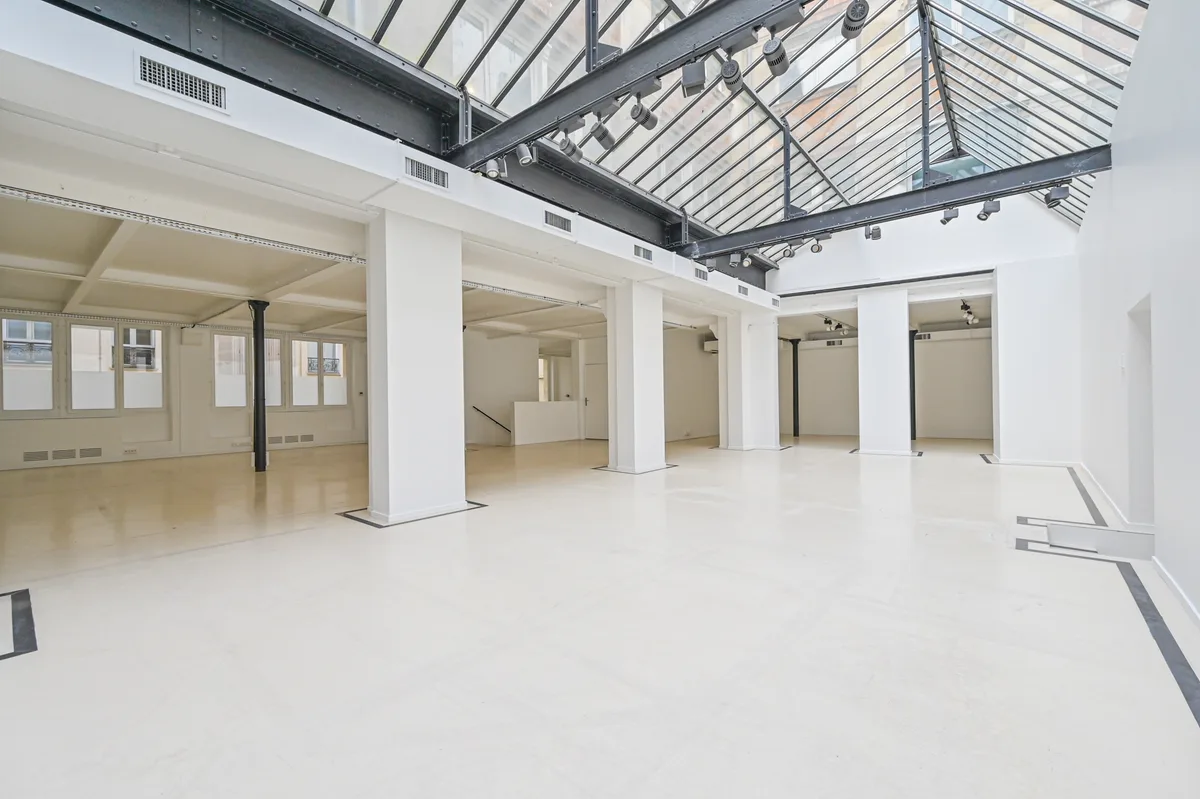
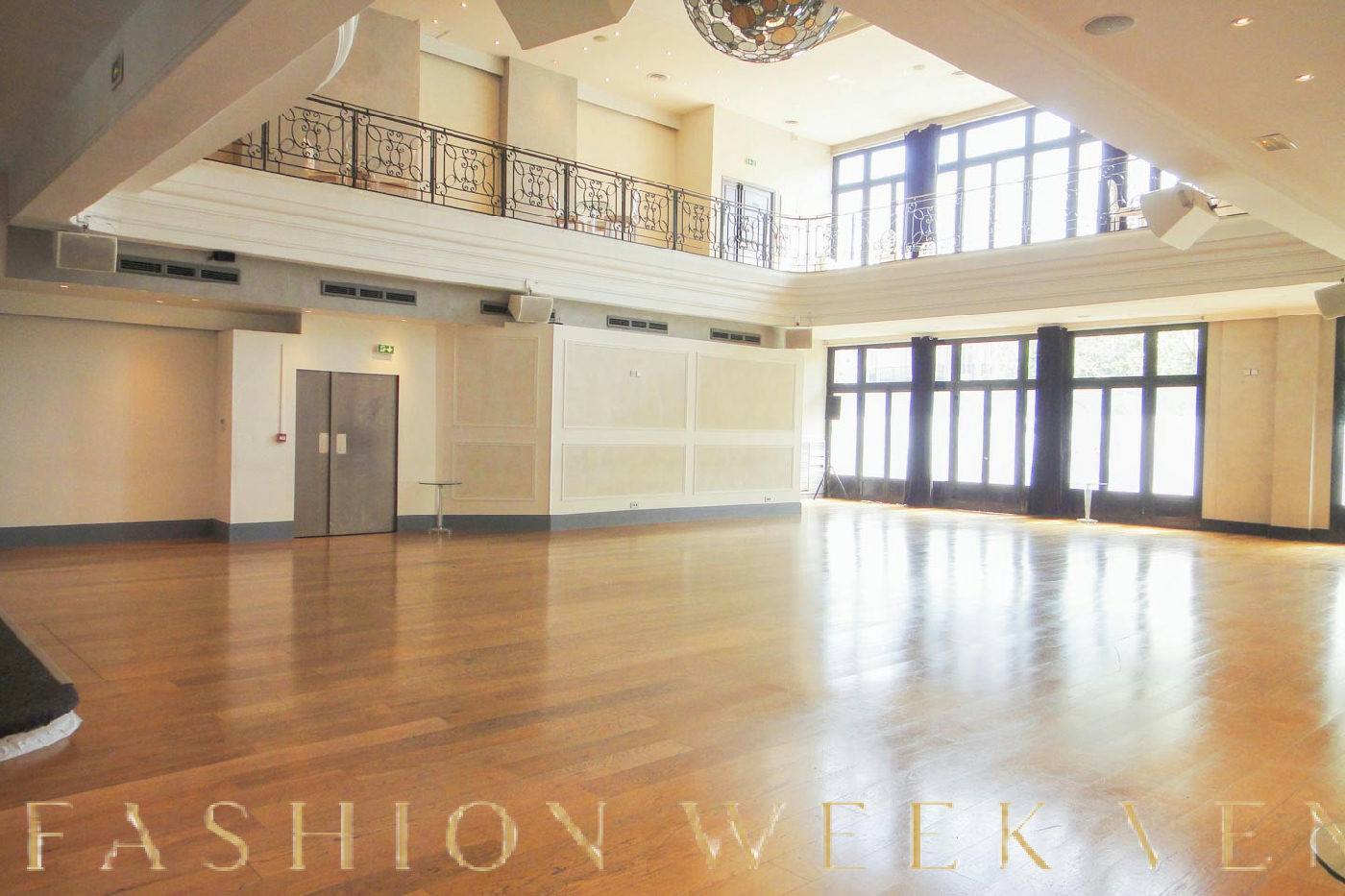
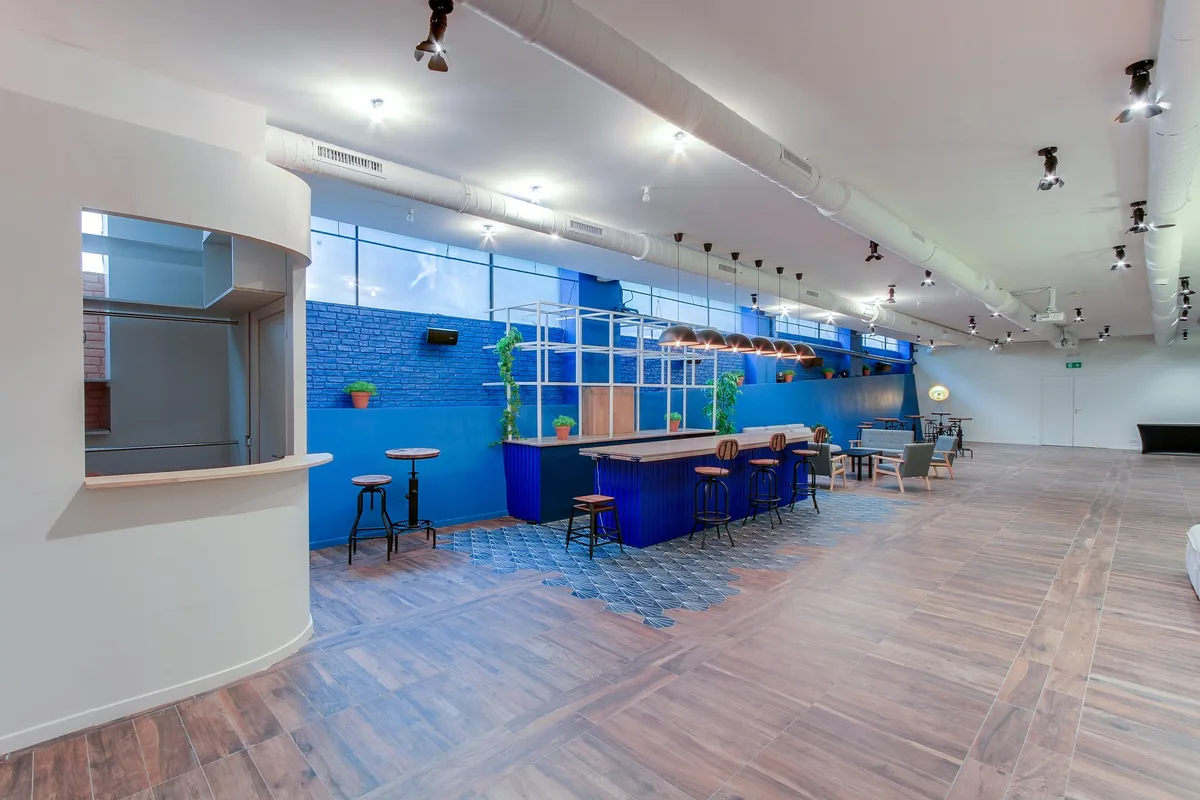
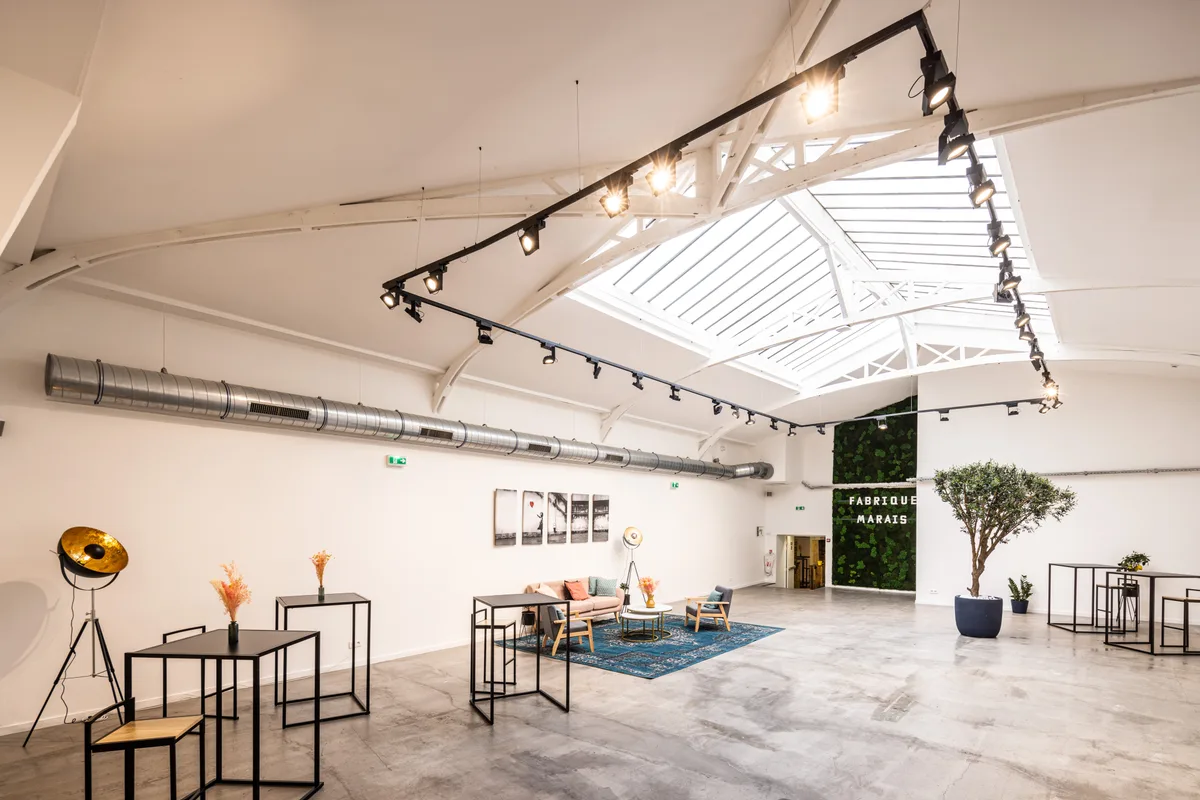
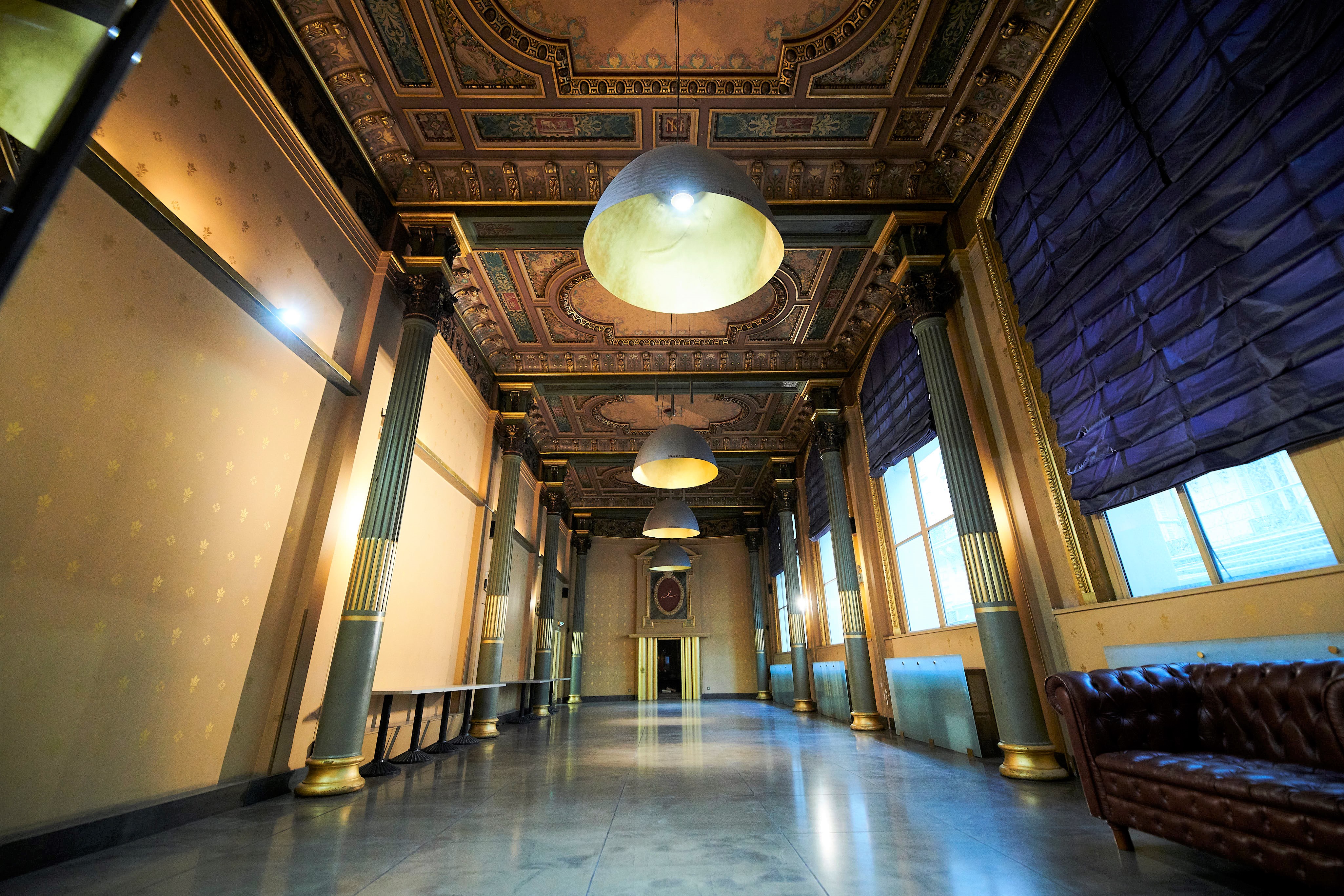
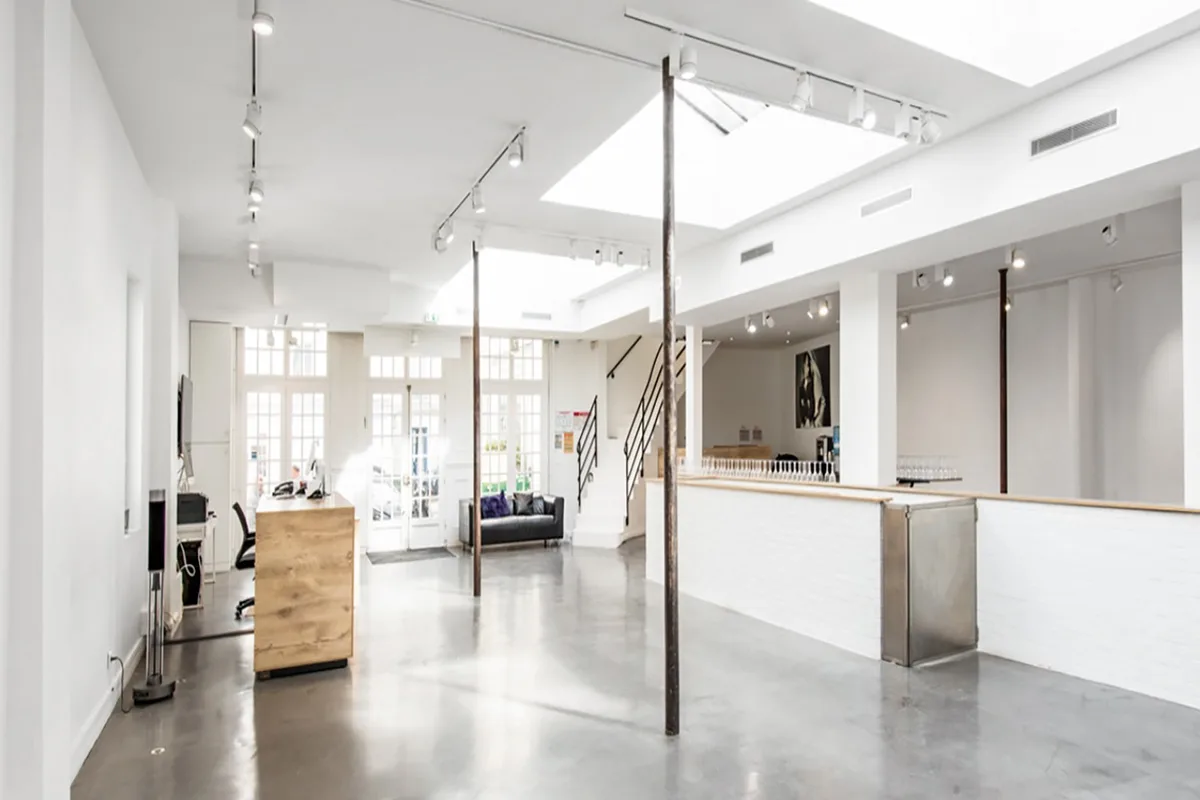
A pop up shop in the 8th arrondissement Paris places your brand at the geographic and symbolic heart of global luxury retail. The 8th arrondissement is home to the Champs-Élysées, Avenue Montaigne, Rue du Faubourg Saint-Honoré, and Place Vendôme, making it the single most concentrated corridor of high-end foot traffic in France. For brands seeking temporary retail presence, showroom space, or immersive activations in Paris, the 8th presents an unmatched combination of visibility, prestige, and cultural gravity. Yet it is also one of the most logistically complex and cost-intensive districts to operate in. This guide covers every dimension of planning a successful pop-up in Paris, from space types and neighbourhood strategy to permits, budgets, calendar timing, and the full range of adjacent districts competing for brand attention. Fashion Week Venues supports brands planning pop-up activations across Paris with end-to-end services from venue sourcing to activation management.
Why the 8th Arrondissement Defines Luxury Pop-Up Retail in Paris
The 8th arrondissement is the default destination for luxury brands, haute couture houses, and international retailers seeking maximum prestige in Paris. It is not simply a neighbourhood; it is a statement of positioning.
The core commercial arteries of the 8th form an interconnected luxury corridor that is almost impossible to replicate in any other European city. Rue du Faubourg Saint-Honoré runs east from Place de la Madeleine through a continuous row of flagship boutiques representing the most recognised names in international fashion, jewellery, and accessories. Avenue Montaigne, running south from the Champs-Élysées toward the Seine, hosts the Paris ateliers of Dior, Chanel, Louis Vuitton, Valentino, and Balenciaga, among others. Between these two axes, brands operating pop-up shops benefit from pedestrian traffic drawn by both deliberate shopping and tourist discovery.
The Champs-Élysées itself, stretching from Place de la Concorde to the Arc de Triomphe, commands extraordinary footfall. During Paris Fashion Week, Haute Couture Fashion Week, and major cultural events including the French Open and UEFA Champions League finals held at the Stade de France, the 8th arrondissement absorbs a significant share of international visitor concentration. Brands have used temporary retail formats in and around this zone to intercept affluent visitors at exactly the moment they are most receptive to new brand discovery.
The 8th is also architecturally suited to experiential retail formats. Haussmann-era buildings with wide ground-floor facades, courtyard spaces, and Hôtel particulier structures offer unusual spatial opportunities for brands that want to move beyond a simple commercial unit. These heritage spaces create immediate storytelling potential and photographic richness that translates directly into social media content.
For brands operating in beauty, ready-to-wear, accessories, or lifestyle categories, proximity to the editorial and buying community that concentrates in the 8th during fashion week calendars provides direct access to press, stylists, and wholesale buyers who routinely move between showrooms, shows, and retail visits in the same afternoon.
DID YOU KNOW: The corridor between Rue Saint-Honoré and Avenue Montaigne represents one of the highest concentrations of luxury retail spending per square metre anywhere in Europe, attracting both domestic Parisian clients and international visitors year-round.
Quick answer: The 8th arrondissement in Paris offers unmatched prestige and foot traffic for luxury and fashion pop-up shops. Its key arteries, including Rue du Faubourg Saint-Honoré, Avenue Montaigne, and the Champs-Élysées, attract affluent domestic and international shoppers continuously, making it the most commercially powerful district in Paris for premium temporary retail activations.
KEY TAKEAWAY: The 8th arrondissement is not simply a convenient location; it is a brand signal. Operating a pop-up here positions your brand in immediate visual and social proximity to the most recognised names in global fashion and luxury, which carries real strategic value for brand equity and press coverage.
Understanding the prestige and density of the 8th is essential, but it is equally important to understand how it compares to the other districts competing for brand attention in Paris, particularly as budgets become more central to activation planning.
Paris Pop-Up Districts Compared: 8th Arrondissement vs Le Marais, Saint-Germain, and Canal Saint-Martin
Paris is a city of distinct neighbourhood identities, and each arrondissement appeals to a different brand profile, customer demographic, and activation budget. Choosing the right district for a pop-up shop is one of the most consequential decisions a brand team will make.
| District | Primary Appeal | Typical Brand Profile | Foot Traffic Character | Relative Rental Cost |
|---|---|---|---|---|
| 8th Arrondissement (Faubourg Saint-Honoré, Montaigne) | Luxury prestige, global visibility | Haute couture, premium accessories, global heritage brands | High-spend international tourists, fashion industry insiders | Highest |
| Le Marais (3rd and 4th) | Cultural credibility, editorial magnetism | Emerging designers, streetwear, beauty, concept stores | Mixed local, fashion week visitors, cultural tourists | Moderate to high |
| Saint-Germain-des-Prés (6th) | Intellectual prestige, art and lifestyle | Art books, lifestyle, design, niche luxury | Affluent Parisian residents, cultural visitors | High |
| Canal Saint-Martin (10th) | Creative community, independent spirit | Sustainable brands, independent fashion, digital-native labels | Younger Parisians, creative professionals | Moderate |
| 1st Arrondissement (Palais Royal, Les Halles) | Cultural landmark proximity, fashion week density | Contemporary fashion, art-aligned brands, concept-led retail | Mixed tourists, fashion industry, local luxury shoppers | High |
Le Marais: Cultural Credibility and Editorial Power
The Marais district, spanning the 3rd and 4th arrondissements, functions as the editorial heart of Parisian pop-up culture. The streets around Rue des Francs-Bourgeois, Rue des Rosiers, Place des Vosges, and the area near the Picasso Museum have become a habitual circuit for press, stylists, buyers, and cultural tastemakers during fashion week calendars. Dover Street Market, located at 35-37 Rue des Francs-Bourgeois in the 4th arrondissement, acts as a gravitational anchor for this circuit, drawing both industry visitors and informed fashion consumers.
The Marais is where brands such as Anthony Calydon have chosen to activate. The brand held a pop-up at 37 Rue Debelleyme in the 3rd arrondissement on July 25th and 26th, 2026, showcasing signature knitted bags in pastel pink, sunny yellow, and baby blue. The choice of the Marais for this activation was deliberate: the neighbourhood's density of concept stores, independent boutiques, and cultural venues creates a natural audience that values craftsmanship, storytelling, and visual distinctiveness. Similarly, Lili Curia, a British footwear label launched in London in 2025 and already worn by artists including Karol G and Suki Waterhouse, chose Dover Street Market's lower level at 35-37 Rue des Francs-Bourgeois for a pop-up running until July 9th, 2026, precisely because that space concentrates the kind of culturally engaged customer the brand is building toward.
The Marais also hosts concept stores and hybrid spaces such as the Charlot' Store and Galerie Turenne that blur the line between retail, gallery, and event space. These venues offer the flexibility and visual richness that brands in fashion, beauty, and lifestyle require for immersive pop-up formats.
Saint-Germain-des-Prés and the 6th Arrondissement
Saint-Germain-des-Prés appeals to brands positioning at the intersection of fashion, art, and intellectual culture. Le Bon Marché Rive Gauche, the grand department store on Rue de Sèvres, regularly hosts brand collaborations and in-store pop-up experiences. The neighbourhood also contains a high concentration of art galleries, antique dealers, and design boutiques on streets like Rue Jacob, where Chauvin Paris hosted a collaboration pop-up with L'Objet from June 11th to July 4th, 2026. This area suits brands whose identity is rooted in heritage craftsmanship, design, or lifestyle narratives rather than streetwear or mass consumer appeal.
Canal Saint-Martin and the Northern Creative Belt
For digital-native brands, sustainable fashion labels, and emerging designers seeking lower rental costs and a younger creative audience, Canal Saint-Martin in the 10th arrondissement offers a genuine alternative. The neighbourhood has a strong community engagement culture and a local audience that actively supports independent and emerging brands. Brands that build their identity around authenticity, sustainability, and community will find Canal Saint-Martin a more resonant environment than the prestige corridors of the 8th.
KEY TAKEAWAY: District selection in Paris is a brand strategy decision as much as a logistics decision. The 8th maximises prestige and international visibility. Le Marais maximises editorial credibility and industry proximity. Canal Saint-Martin maximises community authenticity and cost efficiency. No district is universally correct; the right choice depends on your brand positioning, target customer, and activation objectives.
With district strategy established, the next critical dimension is understanding the space types available across Paris and which architectural formats best serve different activation goals.
Space Types for Pop-Up Shops and Brand Activations in Paris
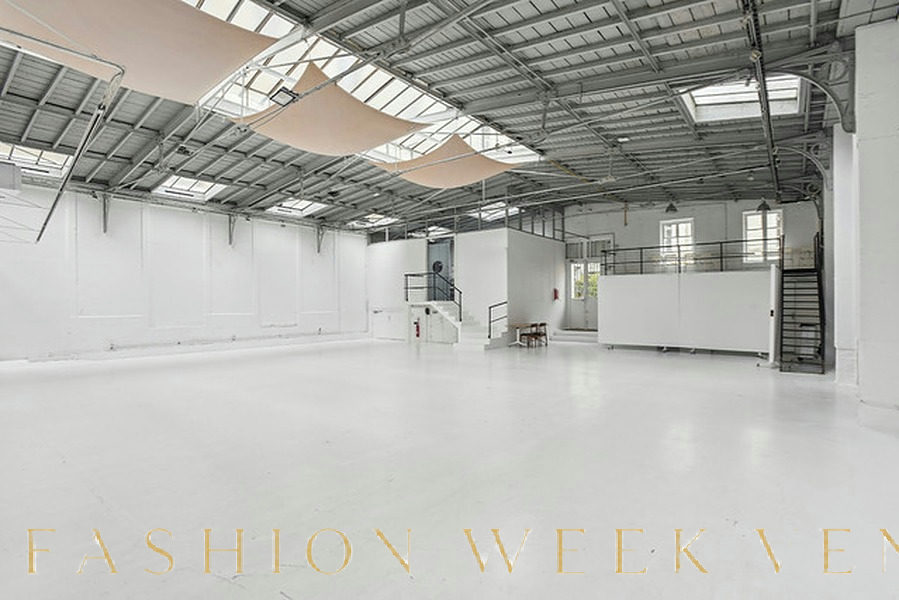
Paris offers a wider range of architectural space types for temporary retail and brand activations than almost any other city in the world. The variety of formats available directly shapes the creative and commercial possibilities of your pop-up.
Quick answer: Pop-up spaces in Paris range from traditional boutique storefronts and showrooms to Hôtel particulier courtyards, galeries d'art, loft spaces, and concept studios. The correct space type depends on your product category, target customer, brand positioning, and whether your primary goal is sales, press coverage, wholesale engagement, or community building.
| Space Type | Best Suited For | Key Characteristics | Typical Districts |
|---|---|---|---|
| Boutique Storefront | Fashion, beauty, accessories retail | Street-facing, display windows, customer flow optimised | 8th, Marais, Saint-Germain |
| Showroom | Wholesale appointments, press previews | Private, appointment-based, curated presentation | 8th, 1st, Marais |
| Galerie d'Art / Galerie d'exception | Art-aligned fashion, limited editions, exhibitions | High ceilings, gallery lighting, exhibition-ready | Marais, Saint-Germain, 1st |
| Hôtel Particulier | Immersive luxury activations, brand experiences | Courtyard, period architecture, multiple rooms | Marais, 8th, 16th |
| Loft | Flexible multi-use activations, workshops | Open plan, industrial or contemporary finish | Canal Saint-Martin, 10th, 11th |
| Concept Studio | Launches, press days, content creation | Designed environment, content-ready | Marais, 9th, 11th |
| Apartment | Intimate brand experiences, VIP appointments | Residential feel, exclusive access | 8th, 16th, Marais |
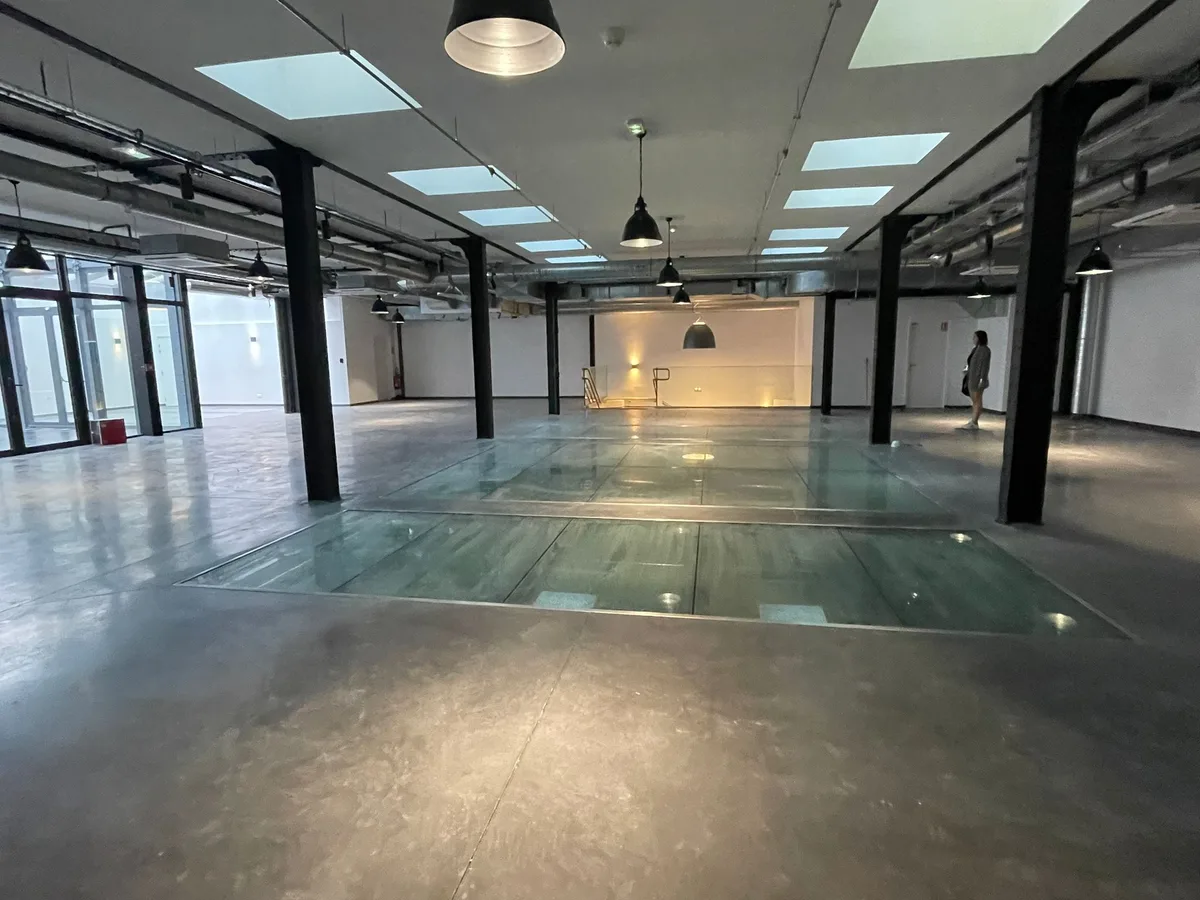
| Maison / Chic Event Space | Brand dinners, media events, multi-format activations | Period furnishings, versatile configuration | 8th, Saint-Germain, Marais |
The Galerie Format and Its Cultural Resonance
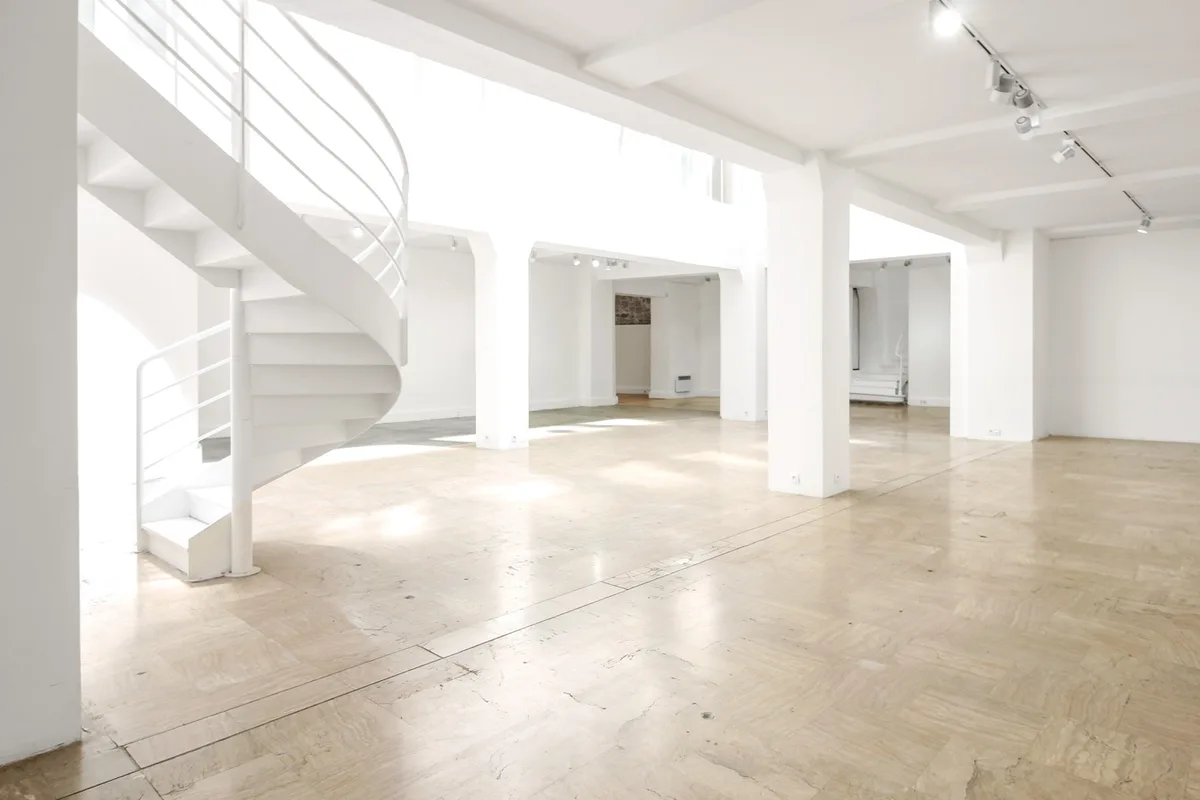
The galerie format occupies a uniquely powerful position in Parisian pop-up culture. Spaces described as Galerie d'art contemporain or Galerie d'exception signal cultural seriousness that a conventional retail unit cannot approximate. Brands in fashion, beauty, and lifestyle categories that situate their activation within a gallery format benefit from an immediate shift in how press and consumers perceive the work. The Palais Royal Garden area in the 1st arrondissement, with its Galerie des Arcades, is particularly associated with this intersection of fashion, art, and retail. JW Anderson's pop-up at 15 Rue du Louvre in the 1st arrondissement, running from July 9 to September 24, 2026, exemplifies how a fashion brand with strong design credibility uses architectural context to amplify brand identity.
Hôtel Particulier Spaces for Immersive Luxury
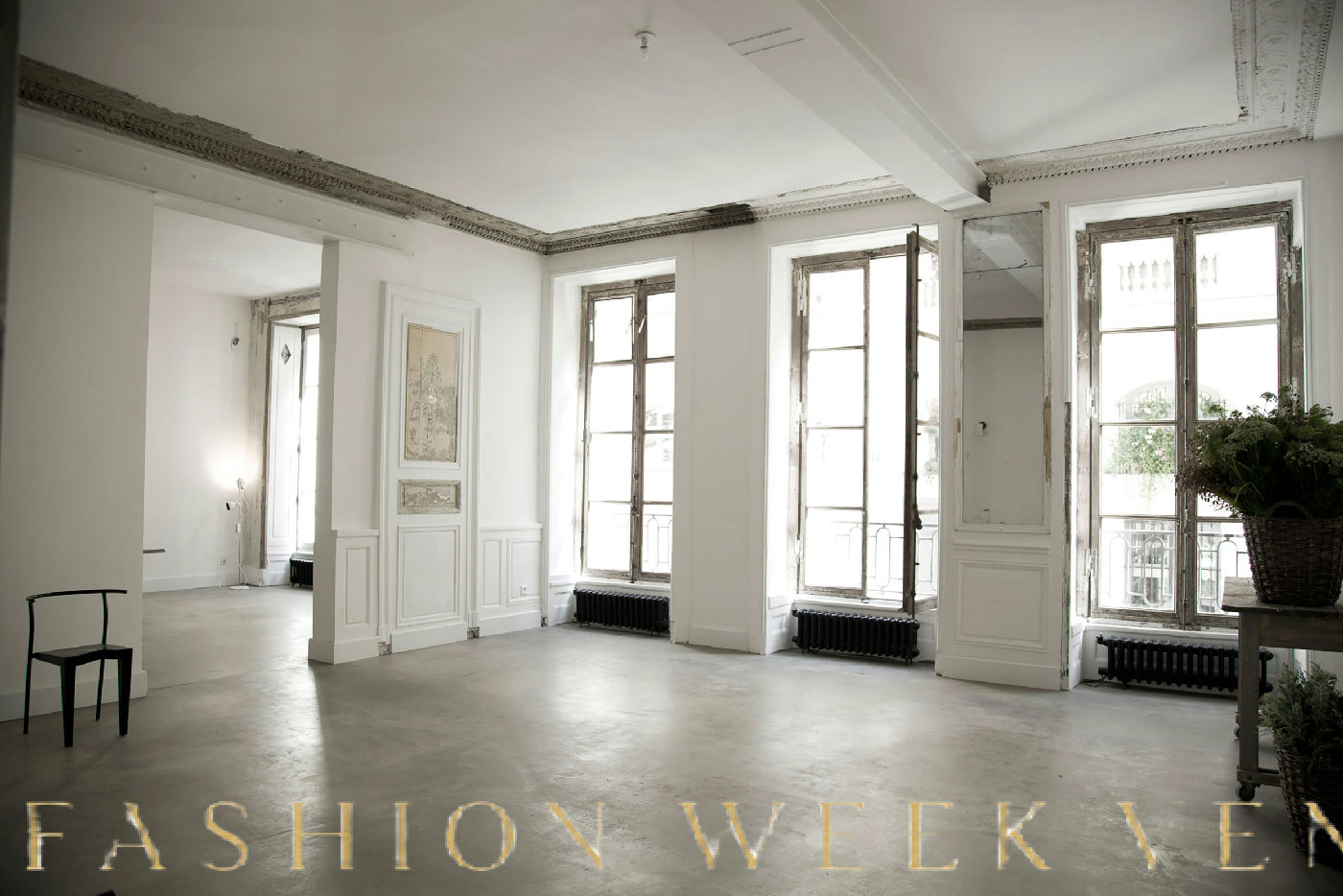
For brands operating at the luxury or haute couture tier, the Hôtel particulier is the most powerful spatial statement available in Paris. These private mansion spaces, typically dating from the 17th or 18th century, offer courtyards, enfilades of interconnected rooms, ornate architectural details, and an atmosphere of intimacy and exclusivity that is impossible to manufacture in a purpose-built commercial unit. L'Hôtel Alfred Sommier is one example of the type of heritage property that brands use for high-value activations during Paris Fashion Week and Haute Couture Fashion Week. The challenge with these spaces is logistical: they require careful technical planning around power supply, structural considerations, and fire safety compliance.
Pop Culture and Experiential Concept Spaces
Not all Paris pop-ups operate in the luxury register. The city has seen significant growth in pop culture activations built around figurines, gadgets, Gachapon machines, Manga figurines, and entertainment IP. Style Not Com, for example, represents a category of Paris retail activation that targets youth culture and collector communities rather than fashion week visitors. These activations typically operate in concept stores or repurposed commercial spaces in the Marais or the 1st arrondissement and generate substantial social media content and community engagement among younger demographics.
KEY TAKEAWAY: Space type selection is inseparable from brand positioning. A galerie d'art space communicates cultural ambition. A boutique storefront communicates commercial accessibility. A Hôtel particulier communicates exclusivity and heritage. Choose the format that reinforces what you want customers and press to believe about your brand.
To browse available space types across Paris's arrondissements and filter by format, size, and neighbourhood, use the Fashion Week Venues space marketplace to build a shortlist that matches your activation brief.
Paris Fashion Week Calendar: Strategic Timing for Pop-Up Activations
The Paris fashion calendar is the single most important external variable in planning a pop-up activation in the city. Getting the timing right dramatically changes the commercial and editorial outcome of any activation.
Quick answer: Paris Fashion Week occurs twice annually, in late February or early March for autumn-winter collections, and in late September or early October for spring-summer collections. Haute Couture Fashion Week takes place in January and July. All four windows create measurable spikes in industry visitor concentration and media attention across the city.
Paris Fashion Week draws thousands of buyers, journalists, stylists, photographers, influencers, and brand executives to the city over a concentrated ten-day period. The industry visitor concentration during this window is unmatched by any other event on the Paris calendar. For brands planning pop-up shops, showrooms, and press activations, aligning with fashion week calendars provides direct access to exactly the decision-makers and media voices that matter most.
However, Paris Fashion Week is not the only viable calendar window for brand activations. Haute Couture Fashion Week in July creates a separate but equally concentrated wave of luxury industry visitors. The French Open at Roland-Garros in late May and early June attracts a distinctly affluent international crowd to Paris, and brands in sportswear, lifestyle, and premium accessories have used this window to activate in the 8th and 16th arrondissements. Paris Saint-Germain home matches at the Parc des Princes draw local and international audiences that brands in streetwear and contemporary fashion have targeted through activations in the Marais and Canal Saint-Martin. UEFA Champions League match weeks involving Parisian venues generate additional spikes in international visitor footfall.
Summer in Paris, particularly June and July, has become an increasingly important activation window. The concentration of tourists, combined with lighter competition for press attention compared to fashion week itself, allows brands to generate coverage and community engagement without being lost in the volume of activations competing simultaneously during Fashion Week proper. The Anthony Calydon activation at Rue Debelleyme in late July 2026 and the JW Anderson space at Rue du Louvre running from July to September 2026 are evidence of this trend toward extended summer activations.
| Calendar Window | Dates (approximate) | Primary Visitor Profile | Best District for Activation |
|---|---|---|---|
| Haute Couture Fashion Week (January) | Late January | Luxury press, buyers, VIP clients | 8th, 1st, Marais |
| Paris Fashion Week AW (February/March) | Late February to early March | Buyers, press, stylists, brands | 8th, Marais, 1st, Saint-Germain |
| French Open / Roland-Garros | Late May to mid-June | Affluent international sports tourists | 8th, 16th, Saint-Germain |
| Haute Couture Fashion Week (July) | Early July | Luxury press, atelier community, VIP clients | 8th, Marais, 1st |
| Summer Activation Window | June to August | International tourists, fashion-aware consumers | Marais, 1st, 6th, Canal Saint-Martin |
| Paris Fashion Week SS (September/October) | Late September to early October | Full industry concentration | All central arrondissements |
IMPORTANT: Prime spaces in the 8th arrondissement and Le Marais for fashion week windows book out months in advance. If your target window is September Fashion Week or January Haute Couture, begin your venue search at least four to six months ahead. Waiting until six weeks before your intended opening date is unlikely to yield the best options in prime locations.
KEY TAKEAWAY: Strategic timing in Paris means more than selecting a fashion week date. It means understanding which calendar event most closely aligns with your brand's target customer, press relationships, and commercial objectives, and then planning backwards from that window with enough lead time to secure the right space.
Understanding when to activate leads naturally to the question of how to plan and execute the logistics, permits, and build-out required to open a pop-up in Paris legally and efficiently.
Permits, Regulations, and Legal Frameworks for Pop-Up Shops in Paris
Operating a temporary retail space or brand activation in Paris requires navigating a distinct legal and administrative landscape. Understanding the relevant frameworks before you sign any agreement is essential to avoid costly delays or compliance issues.
Quick answer: Temporary retail in Paris typically operates under one of two legal frameworks: the bail dérogatoire, a short-term commercial lease lasting up to three years with specific statutory conditions, or the Autorisation d'Occupation Temporaire (AOT), which applies to temporary use of public or semi-public spaces. Neither should be signed or activated without appropriate legal review.
Bail Dérogatoire: The Short-Term Commercial Lease
The bail dérogatoire, sometimes called a bail précaire, is a short-term commercial lease specifically designed for occupancies of up to 36 months. Unlike a standard commercial lease in France, which carries significant tenant protections and renewal rights under the French Commercial Code, the bail dérogatoire allows landlords and tenants to agree on a temporary occupancy without those long-term obligations attaching automatically. For brands planning a pop-up of days, weeks, or a few months, this is the most common and appropriate legal vehicle.
However, the bail dérogatoire must be correctly drafted. If a tenant remains in occupation beyond the agreed term without a formal new agreement, French law may convert the relationship into a standard commercial lease, which creates entirely different obligations and rights. The distinction matters significantly for international brands that are not familiar with French commercial property law.
Autorisation d'Occupation Temporaire (AOT)
The AOT is relevant for brands activating in public spaces such as museum forecourts, covered passages, parks, and municipal properties. Operating under an AOT requires approval from the relevant public authority, compliance with specific conditions attached to the authorisation, and often a fee structure based on occupancy duration and commercial activity. Requirements vary by arrondissement, space type, and the specific public authority involved. The Palais Royal Garden area, for example, operates under the direction of the Centre des monuments nationaux, which has its own permit conditions distinct from those governing a standard commercial street unit.
Additional Compliance Requirements
Beyond the lease or authorisation structure, brands operating pop-up shops in Paris must consider fire safety regulations for public-facing spaces, electrical safety requirements for installations and fit-outs, insurance covering public liability and commercial activity, accessibility requirements under French regulations, and packaging and waste disposal obligations. Brands importing and selling goods also need to be aware of applicable VAT registration requirements, particularly for non-EU brands. Requirements vary significantly based on space type, occupancy duration, the nature of commercial activity, and the specific arrondissement. The regulations governing a three-day press activation in a private Hôtel particulier are materially different from those governing a six-week retail pop-up in a ground-floor commercial unit on a public street in the 8th arrondissement.
IMPORTANT: Do not rely on a landlord or space operator alone for legal compliance guidance. Always verify your specific obligations with a qualified French legal advisor before signing any agreement or commencing fit-out work. Fashion Week Venues recommends using the permits guidance tool as a starting framework, but it does not substitute for professional legal advice.
KEY TAKEAWAY: The legal framework for pop-up shops in Paris is specific and consequential. A bail dérogatoire drafted correctly gives you the flexibility of temporary occupancy without long-term lease obligations. An AOT governs public space use. Both require proper professional handling to protect your brand from unexpected legal exposure.
With the legal framework understood, the next dimension is planning the budget and operational structure for your activation with sufficient accuracy to make confident decisions.
Budget Planning, ROI Forecasting, and Cost Structures for Paris Pop-Ups
Budget planning for a pop-up shop in Paris is a multi-variable exercise that requires honest assessment of space costs, fit-out and production, staffing, permits, marketing, and operational overhead. The 8th arrondissement commands the highest commercial property costs in Paris, and brands must build this reality into their budget forecasts before committing to a location.
Quick answer: Paris pop-up costs vary substantially based on district, space type, duration, fit-out complexity, and staffing requirements. The 8th arrondissement and Le Marais both sit at the higher end of the Paris rental market. Directional budget estimates should be built using a structured tool rather than generic market assumptions, as costs differ significantly by space and brief.
The primary cost categories for any Paris pop-up activation include: space rental, which varies by arrondissement, space type, and duration; concept direction and creative development; fit-out, build, and production; furniture and fixture rental; retail staffing and management; POS and payment systems; permits, insurance, and legal fees; inventory decisions and logistics; marketing and digital campaign costs; and post-activation data and analytics.
Understanding the Cost Relationship Between Prestige and ROI
Brands frequently underestimate the total cost of operating in the 8th arrondissement compared to the Marais or Canal Saint-Martin. A higher rental cost does not automatically translate to higher sales or better press outcomes. The ROI of a pop-up activation in Paris depends on how clearly the brand has defined its primary objective: if the goal is wholesale buyer appointments and press coverage during fashion week, a showroom-format space in the Marais near Dover Street Market may deliver superior ROI to a boutique storefront on the Champs-Élysées. If the goal is direct-to-consumer sales among high-spending international tourists, the 8th or the 1st arrondissement near Galeries Lafayette Paris Haussmann may justify the premium rental cost.
Galeries Lafayette Paris Haussmann on Boulevard Haussmann is the single highest-footfall retail destination in Paris, attracting millions of visitors annually, a significant proportion of whom are international tourists with above-average purchasing power in fashion and beauty categories. Brands that can secure positions within or immediately adjacent to this ecosystem benefit from a volume of foot traffic that is difficult to achieve in a standalone space elsewhere in the city.
Cashflow and Inventory Considerations
Cashflow management during a Paris pop-up activation is frequently underplanned. Brands must account for upfront rental deposits, fit-out costs that often need to be settled before the space opens, staffing costs that begin in advance of trading, and the inventory investment required to stock the space credibly. Overproduction to meet a pop-up inventory requirement can leave brands with unsold stock that creates a subsequent problem. Thoughtful inventory decisions linked to realistic sales projections and clear markdown strategies protect cashflow and brand equity simultaneously.
TIP: Use the Fashion Week Venues budget planning tool to build a structured cost estimate for your specific space type, district, duration, and service requirements before making any financial commitments.
KEY TAKEAWAY: Budget planning for a Paris pop-up must go beyond the space rental cost. Total activation cost includes production, staffing, permits, marketing, and operational overhead. ROI depends on clarity about objectives, not simply on the prestige of the address. Plan carefully, and use structured tools and specialist guidance to pressure-test your numbers.
With budget strategy established, the next critical element is the marketing and social media campaign that determines whether your pop-up reaches the right audience before, during, and after the activation period.
Marketing, Social Media, and Digital Strategy for Paris Pop-Up Shops
A Paris pop-up shop without a structured marketing and social media strategy is a beautiful room that no one visits. The marketing plan for a Paris activation must be built simultaneously with the space strategy, not added as an afterthought once the venue is confirmed.
Quick answer: For Paris pop-up activations in 2026, Instagram remains the dominant platform for visual storytelling and brand discovery among fashion and luxury consumers. TikTok drives behind-the-scenes content and wider cultural reach. YouTube Shorts extends international reach beyond the Paris market. A blended organic and paid approach, activated before the space opens, during the activation window, and after closing, delivers the most complete return on marketing investment.
Pre-Activation Campaign Structure
The marketing campaign for a Paris pop-up should begin at least four to six weeks before the opening date for short activations, and longer for activations tied to fashion week windows. Pre-activation content should build anticipation, communicate the address and dates clearly, and signal the brand's visual and cultural identity through the space design teaser content. Behind-the-scenes fit-out content performs strongly on TikTok and Instagram Reels, generating organic reach from audiences who are interested in the creative process as much as the final product.
Paid digital campaigns in Paris and across key international markets allow brands to reach tourists planning Paris visits during the activation window, press and industry contacts in the fashion ecosystem, and domestic Parisian consumers in the target demographic. Blending organic community engagement with targeted paid reach maximises both awareness and foot traffic conversion.
Influencer Marketing and Press Strategy
Paris has one of the most developed influencer and editorial ecosystems in the global fashion industry. For brands activating during fashion week or Haute Couture Fashion Week, the concentration of press, stylists, and influencers in the city creates a natural amplification opportunity. The most effective influencer marketing strategies for Paris pop-ups focus on quality of relationship over quantity of follower count. A small number of highly aligned influencers who genuinely connect with the brand's identity and whose audience matches the target customer will outperform a broad list of unselected names. Lili Curia's association with artists including Karol G and Suki Waterhouse is an example of organic celebrity alignment that amplifies brand awareness far beyond what a paid influencer list alone could achieve.
Storytelling and Brand Positioning Through Space Design
The most memorable Paris pop-ups succeed because they create an environment that tells a coherent brand story. Every element of the space, including the lighting, furniture, packaging, merchandising, and the behaviour of retail staff, communicates something about the brand's identity and values. Brands with heritage craftsmanship narratives, such as heritage labels engaged with the ANDAM Pierre Bergé Prize community or those working within the tradition of French Haute Couture, benefit from spaces that amplify materiality and craft. Streetwear and contemporary fashion brands benefit from spaces that feel immediate, energised, and culturally alive, with social media content opportunities built into the spatial design itself.
DID YOU KNOW: Pop-up activations in Paris that integrate a structured social media content strategy from the outset, including content creation zones built into the space design, consistently generate higher organic reach and more sustained brand awareness than activations that treat photography and content as incidental.
KEY TAKEAWAY: Marketing and social media strategy for a Paris pop-up must be planned before the space is booked, not after. The campaign timeline, platform mix, influencer relationships, and content calendar are as important to the activation's success as the space itself. Strategic timing plus unforgettable experience is the formula for lasting brand equity from a Paris activation.
To compare how different Paris neighbourhoods and space types map to your specific marketing objectives and target audience, explore the Paris city hub on Fashion Week Venues and shortlist spaces that match your brief, budget, and calendar window.
Notable Paris Pop-Up Activations and What Brands Can Learn From Them
Paris has hosted some of the most inventive and commercially successful temporary retail activations in the world. Examining recent and notable examples reveals the patterns and principles that distinguish exceptional activations from forgettable ones.
JW Anderson at 15 Rue du Louvre
JW Anderson, one of the most critically respected designers in contemporary fashion and winner of the ANDAM Pierre Bergé Prize, brought a multi-month pop-up to 15 Rue du Louvre in the 1st arrondissement, running from July 9 to September 24, 2026. The choice of the 1st arrondissement, adjacent to both the Palais Royal and the Louvre, positioned the brand at the intersection of fashion and cultural landmark proximity. Jonathan Anderson's design language, which balances heritage craftsmanship with cutting-edge conceptual thinking, translates naturally into a Paris context where both attributes carry cultural weight. The extended duration of the activation allowed the brand to build sustained community engagement rather than relying solely on a short opening burst.
Anthony Calydon in the Marais
Anthony Calydon's two-day pop-up at 37 Rue Debelleyme in the 3rd arrondissement on July 25th and 26th, 2026, demonstrated the power of concentrated intensity over extended duration. The activation centred on the brand's signature knitted bags in pastel pink, sunny yellow, and baby blue, a tightly edited product story that communicated clearly and photographed compellingly. The Marais location placed the brand within the district's established fashion-aware foot traffic, and the limited duration created scarcity and urgency that drove attendance.
Lili Curia at Dover Street Market
Lili Curia's pop-up at the lower level of Dover Street Market, 35-37 Rue des Francs-Bourgeois, running until July 9th, 2026, illustrates the strategic value of selecting a host space whose existing cultural positioning amplifies the brand's identity. Dover Street Market in Paris is a destination for exactly the customer that Lili Curia is targeting: fashion-educated, culturally engaged, and open to discovery. By entering through Dover Street Market rather than through a standalone space, Lili Curia accessed an established editorial community and a built-in audience without the full cost and logistical complexity of an independent activation.
Carhartt WIP and Streetwear Activations in Paris
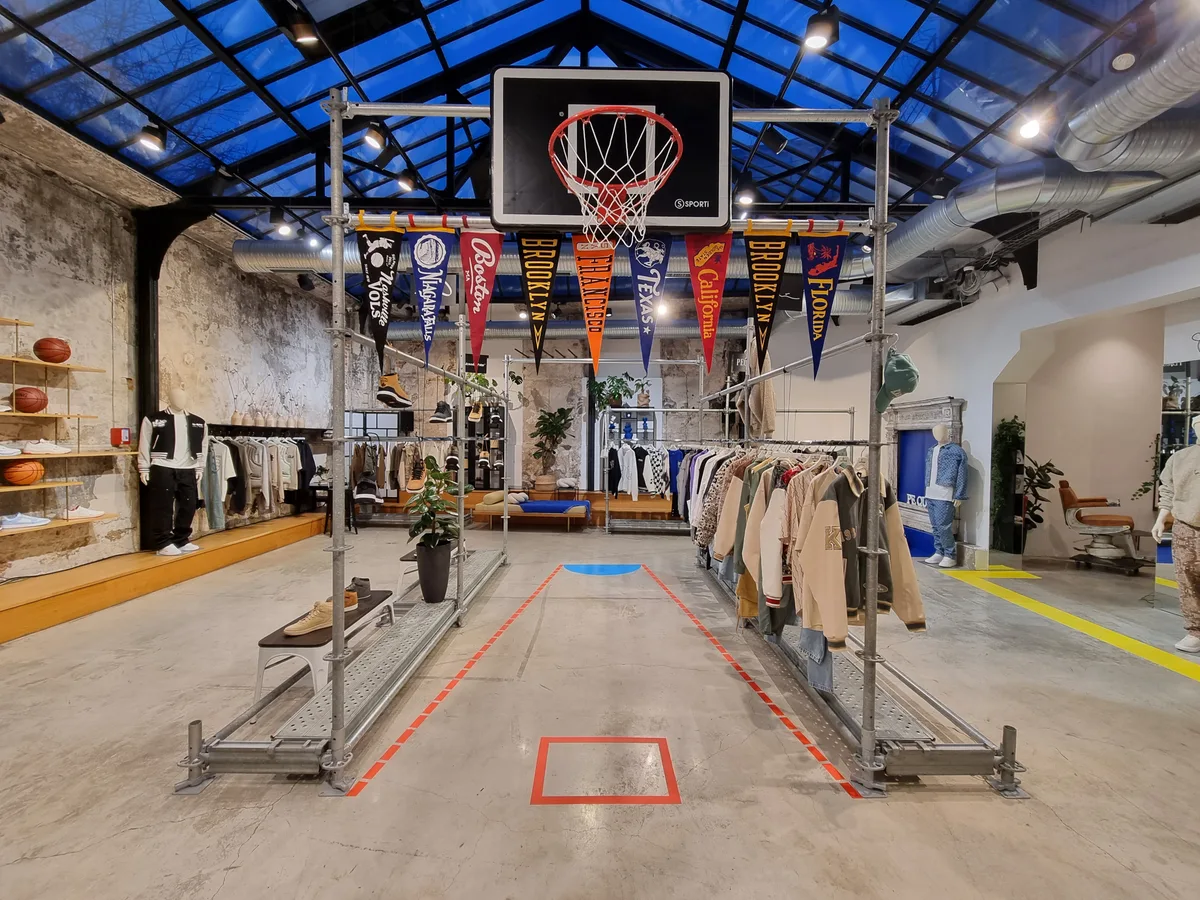
Carhartt WIP has consistently used Paris as a platform for activations that blend streetwear heritage with cultural programming. The brand's Paris activations typically incorporate workshops, community events, and collaborative elements that extend beyond pure retail and generate ongoing social media content. This approach reflects an understanding that the most durable brand equity from a Paris pop-up comes not from sales volume alone but from the cultural conversation the activation generates.
Pop Culture and Entertainment IP Activations
Paris has also embraced pop culture and entertainment-driven temporary retail. The ephemeral System of a Down merchandise and experiential shop, which appeared in Paris, demonstrated that music and entertainment IP can generate extraordinary foot traffic and social media amplification when placed correctly within the city's retail ecosystem. Activations built around Gachapon machines, Manga figurines, and gadget culture through operators such as Style Not Com have found receptive audiences in the Marais and the 1st arrondissement, where younger cultural consumers actively seek novelty and collectible experiences. These activations may occupy a different register from luxury fashion pop-ups, but they demonstrate the same fundamental principle: a clearly defined brand identity, a well-chosen location, and a compelling experience create lasting brand equity and community loyalty.
KEY TAKEAWAY: The most successful Paris pop-up activations share three characteristics: a clearly defined and consistently communicated brand identity, a location chosen for strategic alignment with the target customer rather than simply for prestige, and a spatial and programming design that creates content-worthy experiences. Size and budget matter far less than strategic coherence.
For brands considering whether to manage their Paris activation independently or through a specialist agency, the next section provides a clear framework for that decision.
How Fashion Week Venues Supports Pop-Up Activations in Paris and Beyond
Fashion Week Venues operates as a full-service pop-up shop agency and space marketplace with Paris as its primary and anchor market. The agency offers brands a single point of coordination across the full range of services required to plan, produce, and operate a successful pop-up activation in Paris or any of the other major fashion capitals it serves.
Quick answer: Fashion Week Venues helps brand teams by combining a curated space marketplace with end-to-end agency services including venue sourcing, concept direction, production and build, retail staffing, POS and payments, influencer marketing, and data analytics. The agency is designed specifically for brands activating in fashion capitals during key calendar windows.
Services Relevant to Paris Pop-Up Planning
For brands in the early research and decision phase, venue sourcing services provide structured access to vetted spaces across Paris's arrondissements, with specialist knowledge of which spaces are available during key calendar windows, how different space types perform for different brand profiles, and how to negotiate terms appropriate to a temporary retail context. This removes the significant time cost of independently researching and assessing the Paris space market.
For brands with clear spatial requirements but less certainty about creative direction, concept and creative direction provides experienced guidance on how to develop a spatial and programmatic identity that is coherent with the brand and compelling for the target customer. This service is particularly valuable for international brands entering Paris for the first time, where local knowledge of what resonates culturally adds significant strategic value.
Production and build services manage the physical fit-out of the space, including the technical challenges of working within heritage buildings or architecturally complex spaces that require specialist handling. Fit-out within a Hôtel particulier or a galerie d'exception has different structural, electrical, and insurance requirements compared to a standard commercial unit, and experienced production management reduces both cost and risk.
For brands that need retail staff who can represent their identity credibly during trading hours, staffing services provide sourcing and management of bilingual, brand-aligned retail talent. This is particularly important for brands selling to an international audience in Paris, where staff who communicate naturally in English, French, and other languages directly support sales conversion and customer experience quality.
Tools for Independent Planning
Fashion Week Venues also offers a suite of planning tools that support brand teams working through the research and decision-making phase. The budget planning tool, ROI calculator, timeline planner, permits guidance tool, space comparison tool, and locator tool allow brand managers to build structured estimates and comparisons before committing to agency engagement. These tools are designed to be practically useful for teams that need to develop internal business cases and present credible numbers to senior stakeholders.
For brands exploring co-activation formats, the twin concept enables two complementary brands to share a space and split the cost of rental and production, which can substantially improve the ROI of an activation that would be financially marginal as a solo operation. The imagine tool supports space visualisation, allowing teams to explore what a particular space might look like dressed with their brand before committing to the venue.
Which Brand Teams Benefit Most
Fashion Week Venues is most useful to: international brands entering Paris for the first time without existing local relationships; emerging brands with limited internal operational capacity who need a structured partner across the full activation workflow; established brands that want to access Paris's best spaces during peak calendar windows without the inefficiency of independently managing multiple vendor relationships; and creative directors and brand managers who need specialist local knowledge to make confident decisions about district selection, space type, and timing.
To see how Fashion Week Venues has supported past activations, visit the work and case studies section for a portfolio of completed projects.
KEY TAKEAWAY: Fashion Week Venues offers brand teams a structured alternative to navigating the Paris pop-up market independently. Whether you need full agency management or specific service support within an otherwise internally managed activation, the agency's specialist Paris knowledge reduces both the time cost and the risk of operating in one of the world's most complex retail environments.
Step-by-Step Planning Workflow for a Paris Pop-Up Shop
Planning a Paris pop-up activation follows a logical sequence of decisions and actions. Working through this workflow systematically prevents the most common errors that cause budget overruns, permit delays, and underperforming activations.
| Stage | Key Actions | Timing Before Opening | Key Tool or Resource |
|---|---|---|---|
| 1. Define Objectives and Brief | Clarify primary goal (sales, press, wholesale, awareness), target customer, budget range, preferred dates | 6 or more months | Internal brand strategy |
| 2. District and Space Type Selection | Research arrondissements, compare space types, assess foot traffic profiles | 5 to 6 months | Paris city hub, locator tool |
| 3. Budget Estimation | Build structured cost estimate across all categories | 5 months | Budget planning tool |
| 4. Space Shortlisting and Viewing | Identify candidate spaces, arrange site visits, assess technical suitability | 4 to 5 months | Space marketplace, compare tool |
| 5. Legal and Permit Review | Engage French legal advisor, confirm lease type (bail dérogatoire or AOT), identify permit requirements | 4 months | Permits tool, French legal advisor |
| 6. Space Agreement and Deposit | Negotiate and execute lease or licence agreement, pay deposit | 3 to 4 months | Legal advisor |
| 7. Concept and Design Development | Develop spatial concept, briefing fit-out production, agree furniture and fixture plan | 3 months | Concept direction, build tool |
| 8. Marketing Campaign Development | Build pre-activation campaign, influencer outreach, press list, paid media plan | 2 to 3 months | Influencer marketing service |
| 9. Production and Fit-Out | Execute fit-out, install fixtures, test POS and payment systems, staff briefing | 2 to 4 weeks | Production and build service |
| 10. Launch and Activation Management | Open to public, manage trading operations, monitor foot traffic and sales data | Activation period | Activation management, data analytics |
| 11. Post-Activation Analysis | Review sales, foot traffic, social media performance, customer feedback, ROI | Within 2 weeks of closing | ROI calculator, data analytics |
TIP: The most common planning error for Paris pop-ups is compressing the timeline. Brands that begin the process four to six months before their intended opening date have significantly more choice of space, more time for legal due diligence, and better negotiating position on rental terms than brands that begin with six to eight weeks to go.
For detailed timeline planning specific to your target calendar window, use the timeline planning tool on Fashion Week Venues to map your key milestones against the Paris calendar.
KEY TAKEAWAY: A structured planning workflow protects your brand from the most common Paris pop-up failures: spaces lost to faster-moving competitors, permit surprises that delay opening, fit-out costs that exceed budget, and marketing campaigns that begin too late to build meaningful pre-opening awareness. Start early and work systematically through each stage.
Sustainability, Brand Values, and the Future of Temporary Retail in Paris
Sustainability has moved from a peripheral consideration to a central brand positioning dimension for the most credible labels operating in Paris. Pop-up activations that ignore sustainability risk reputational exposure, particularly among the press and consumer communities most concentrated in Paris during fashion week calendars.
The tension between temporary retail and sustainability is genuine and worth addressing directly. Pop-up fit-outs generate physical waste through set builds that are used for days or weeks and then dismantled. Packaging used during short activations is often single-use. The carbon footprint of logistics, particularly for international brands shipping product to Paris for a short activation period, is non-trivial. Brands that are serious about sustainability integrate these considerations into the activation planning process rather than treating them as communications problems to be managed after the fact.
Practical sustainability strategies for Paris pop-ups include: using furniture rental services rather than purchasing and discarding fixtures; specifying fit-out materials that can be returned, reused, or composted; designing packaging for the activation that reflects the brand's sustainability commitments; choosing spaces that are accessible by public transport to reduce visitor travel impact; and committing to accurate carbon accounting for the activation's logistics and energy use. Brands such as Carhartt WIP have demonstrated that sustainability commitments communicated through the activation design itself, through material choices, workshop programming, and community engagement, resonate strongly with Paris's fashion-aware consumer community.
The future of temporary retail in Paris is also shaped by the growing sophistication of digital-native brands entering physical retail for the first time through pop-up formats. For these brands, the pop-up is not an extension of an existing physical retail strategy but the entirety of their physical presence. Getting the Paris activation right carries disproportionate strategic weight for digital-native labels, because it defines how the brand is perceived in the physical world for the first time. The combination of an architecturally compelling space, a coherent brand story, a structured social media strategy, and a community engagement programme creates the conditions for this physical debut to generate lasting brand equity well beyond the activation's closing date.
KEY TAKEAWAY: Sustainability is now a brand equity dimension, not just a compliance consideration. Brands activating in Paris that build genuine sustainability commitments into their space design, materials, packaging, and programming will find a receptive audience among the press, editorial, and consumer communities most concentrated in the city. Treat sustainability as an integral part of the creative brief, not an afterthought.
Common Myths About Pop-Up Shops in Paris Debunked
MYTH: You need a French legal entity to rent a pop-up space in Paris.
FACT: Many Paris spaces can be accessed by international brands without a French legal entity, particularly through short-term licence agreements or specific bail dérogatoire structures designed for temporary occupancy. However, the exact requirements depend on the space type, duration, landlord preferences, and whether commercial VAT obligations arise. Always verify your specific situation with a qualified French legal and tax advisor before signing any agreement.
MYTH: Paris Fashion Week is the only viable calendar window for a brand activation in Paris.
FACT: Haute Couture Fashion Week in January and July, the French Open in late May and June, the summer tourist season from June to August, and Paris Saint-Germain match weeks all create distinct and commercially viable windows for brand activations. Several brands operating in 2026 have chosen summer windows precisely because the reduced competition for press attention during those periods allows them to generate more sustained coverage than they would achieve in the fashion week crowd.
MYTH: Commission brokers are the only way to find a pop-up space in Paris.
FACT: Dedicated space marketplaces and full-service agencies provide structured access to vetted Paris spaces with transparent terms and specialist knowledge of the temporary retail market. Platforms such as the Fashion Week Venues marketplace allow brands to browse, compare, and shortlist spaces directly, with agency support available for brands that need end-to-end management rather than simply a space referral.
MYTH: Short-term leases in Paris are legally straightforward and need no specialist help.
FACT: French commercial property law is complex and specific, and the bail dérogatoire has precise statutory conditions that must be correctly followed. If a tenant remains in a space beyond the agreed bail dérogatoire term without a formally executed new agreement, French law can convert the occupancy into a standard commercial lease carrying full statutory protections and obligations. This can have serious financial and operational consequences for international brands who are not aware of the risk. Always engage a qualified French legal advisor for any Paris space agreement.
MYTH: The 8th arrondissement is the only prestigious district for a fashion pop-up in Paris.
FACT: Le Marais, the 1st arrondissement around the Palais Royal, and Saint-Germain-des-Prés all offer high levels of prestige and fashion industry relevance, depending on the brand's positioning and target customer. For editorial credibility and industry proximity, the Marais often outperforms the 8th arrondissement for brands at the emerging to mid-tier level of the fashion market. Prestige is relative to brand positioning, not absolute by district.
Frequently Asked Questions
What is the best arrondissement in Paris for a pop-up shop?
The best arrondissement depends entirely on your brand's positioning, target customer, and activation objectives. The 8th arrondissement, encompassing the Champs-Élysées, Rue du Faubourg Saint-Honoré, and Avenue Montaigne, offers the highest concentration of luxury and fashion foot traffic and maximum prestige. Le Marais (3rd and 4th arrondissements) offers editorial credibility and direct access to the fashion industry community, particularly near Dover Street Market and the streets around Place des Vosges. The 1st arrondissement, centred on the Palais Royal and Rue de Rivoli, offers cultural landmark proximity and strong fashion week density. Canal Saint-Martin in the 10th offers creative community engagement at lower rental costs.
How far in advance should I book a pop-up space in Paris?
For fashion week windows in February, March, September, and October, and for Haute Couture Fashion Week in January and July, the best spaces in the 8th arrondissement and Le Marais book out four to six months in advance. For summer activations outside fashion week periods, two to four months of lead time is generally sufficient, though the most sought-after spaces still go quickly. Beginning your search early gives you significantly more choice, better negotiating position on terms, and sufficient time for legal due diligence, fit-out planning, and pre-activation marketing campaigns.
What legal framework governs short-term commercial leases in Paris?
The most commonly used legal vehicle for temporary retail in Paris is the bail dérogatoire, a short-term commercial lease that can last up to 36 months without triggering the full statutory protections of the French Commercial Code. For activations in public or semi-public spaces, the Autorisation d'Occupation Temporaire (AOT) applies. Both frameworks have specific statutory conditions that must be correctly followed. Verify your specific obligations with a qualified French legal advisor before signing any space agreement. Requirements vary based on space type, duration, and the specific arrondissement.
Do I need a French legal entity to operate a pop-up in Paris?
Not necessarily, but the exact requirements depend on your space type, duration, commercial activity, and the landlord's requirements. Some short-term licence agreements can be executed by an international entity without a French legal presence. However, VAT registration obligations, particularly for non-EU brands making taxable supplies in France, may arise independently of the lease structure. Always verify your specific tax and legal obligations with qualified French advisors before committing to an activation.
What are the best calendar windows for a Paris pop-up in 2026?
In 2026, key calendar windows include Haute Couture Fashion Week in January and July, Paris Fashion Week in late February and late September, the French Open at Roland-Garros in late May and early June, and the extended summer tourist season from June to August. The summer window has become increasingly attractive for brands seeking sustained community engagement and press coverage without the competitive noise of fashion week. JW Anderson's activation at 15 Rue du Louvre running from July to September 2026 and the Anthony Calydon pop-up in the Marais in late July are examples of brands using the summer window effectively.
How much does a pop-up shop in Paris cost?
Total costs for a Paris pop-up activation vary substantially based on district, space type, duration, fit-out complexity, staffing, and marketing requirements. The 8th arrondissement commands the highest rental costs in the city, while Canal Saint-Martin and the outer arrondissements offer more accessible price points. Total activation cost must include production, permits, insurance, staffing, POS systems, and marketing in addition to the space rental itself. Use the Fashion Week Venues budget planning tool to build a structured directional estimate based on your specific brief before making financial commitments.
Where do luxury shoppers concentrate in Paris?
Luxury shoppers in Paris concentrate most densely in the corridor between Rue Saint-Honoré and Avenue Montaigne in the 8th arrondissement, around Place Vendôme in the 1st, and in the areas around Le Bon Marché Rive Gauche in the 6th arrondissement. Galeries Lafayette Paris Haussmann on Boulevard Haussmann attracts the highest volume of fashion-oriented foot traffic of any single Paris retail destination, including a very high proportion of international tourists. During fashion week, luxury shoppers also concentrate around the Marais, particularly near Dover Street Market and the streets between Rue des Francs-Bourgeois and Place des Vosges.
What social media platforms are most important for a Paris pop-up in 2026?
Instagram remains the dominant platform for visual storytelling and brand discovery in the Paris fashion and luxury context. It is essential for communicating the aesthetic identity of the space and product. TikTok is the most effective platform for behind-the-scenes content, spontaneous cultural moments, and reaching younger consumers outside the immediate fashion industry community. YouTube Shorts extends reach to international audiences planning or dreaming of Paris visits. A blended organic and paid strategy across these platforms, activated well before the space opens, generates significantly better results than either channel alone.
What insurance do I need for a Paris pop-up shop?
Insurance requirements for Paris pop-up spaces typically include public liability insurance covering customer-facing commercial activity, property and contents insurance for any fit-out and inventory, employer's liability if you are employing staff in France, and potentially event liability insurance if your activation includes programming beyond standard retail. Specific requirements vary based on space type, the terms of your lease or AOT, and the nature of your commercial activity. Always verify requirements with your insurer and your French legal advisor before commencing operations.
Can two brands share a pop-up space in Paris?
Yes, co-activation formats are increasingly common in Paris and can significantly improve the ROI of activations that might be marginal as solo operations. Shared activations between complementary brands allow the cost of rental, production, and marketing to be divided while maintaining a coherent and credible brand environment. The Fashion Week Venues twin concept is specifically designed to support co-activation planning, matching compatible brands and structuring the space-sharing arrangement to maximise the benefit for both parties.
What are the fire safety requirements for a Paris pop-up space?
Paris pop-up spaces that are open to the public are subject to French regulations governing establishments open to the public, known as Etablissements Recevant du Public (ERP). These regulations impose specific requirements on fire safety systems, emergency exits, signage, and maximum occupancy. The specific category and applicable standards depend on the type of commercial activity and the capacity of the space. Fit-out work in a space classified as ERP must comply with these standards before the space can open to the public. Requirements vary by space type and capacity; always verify the applicable standards for your specific space with a qualified French advisor.
What is the difference between a showroom and a pop-up shop in Paris?
A showroom in Paris is typically an appointment-based space used for wholesale presentations to buyers, press previews, or VIP client appointments. It is not generally open to the general public and is not configured primarily for direct-to-consumer sales. A pop-up shop is a publicly accessible temporary retail space designed for direct consumer engagement and sales. Many Paris activations during fashion week blend both functions, using the space for trade appointments during the day and consumer events in the evenings. The space type, lease terms, permits, and staffing requirements differ between the two formats.
How do I measure the ROI of a Paris pop-up activation?
ROI for a Paris pop-up activation should be measured across multiple dimensions: direct sales revenue relative to total activation cost; wholesale orders or buyer relationships generated; press coverage and media value generated; social media reach, engagement, and follower acquisition; brand awareness uplift; customer data collected for future CRM use; and the long-term impact on brand positioning and equity. Defining success metrics before the activation opens, rather than after it closes, allows the team to structure the data collection and reporting framework correctly from the outset. The Fashion Week Venues ROI calculator supports this process.
Which Paris neighbourhoods are most cost-effective for emerging brands?
Canal Saint-Martin in the 10th arrondissement and the northern edge of the 9th and 11th arrondissements offer the most cost-effective options for emerging brands that need physical presence in Paris without the premium of the 8th arrondissement or central Marais. These areas have strong creative community profiles, good social media appeal for younger demographics, and a local audience that is actively receptive to independent and emerging label discovery. For brands whose primary objective is press and industry visibility rather than direct consumer sales, a well-located Marais space, even at a higher cost, may still offer better value relative to objectives than a lower-cost Canal Saint-Martin unit.
How do I find available pop-up spaces in the 8th arrondissement Paris?
Available spaces in the 8th arrondissement and across all Paris arrondissements can be browsed through the Fashion Week Venues space marketplace, which lists vetted temporary retail spaces by district, size, and space type. The locator tool allows brands to map available options against specific neighbourhood and street requirements. For brands with very specific requirements, venue sourcing services provide structured research and recommendation based on a detailed brief. Acting quickly is important: the most desirable spaces in the 8th arrondissement are typically taken within days of becoming available during peak calendar periods.
Conclusion: Making Your Paris Pop-Up Activation Count
Paris offers brand teams an unparalleled environment for temporary retail, showroom activations, and immersive brand experiences. The 8th arrondissement provides the highest concentration of luxury foot traffic and global prestige of any district in the city. Le Marais delivers editorial credibility and industry proximity that no other neighbourhood quite replicates. Canal Saint-Martin, Saint-Germain-des-Prés, and the 1st arrondissement each offer distinct advantages depending on brand positioning, target customer, and activation objectives.
The difference between a Paris pop-up that generates lasting brand equity and one that consumes budget without proportionate return lies in the quality of planning, the coherence of brand storytelling, the precision of calendar timing, and the rigour of legal and permit compliance. Strategic timing plus an unforgettable experience is the formula that consistently produces the best outcomes. Brands that begin the planning process early, invest in understanding the local regulatory environment, build their marketing campaign from the outset rather than as an afterthought, and choose their space for strategic alignment rather than simply for address prestige will consistently outperform those that do not.
Whether you are planning your first Paris pop-up or your tenth, whether you are an emerging designer testing a new market or an established brand refreshing your Paris presence, the principles of excellent activation planning remain consistent: clarity of objective, coherence of identity, precision of timing, and depth of execution.
To move from research to activation, start exploring available spaces on the Fashion Week Venues marketplace and build a focused brief for your target neighbourhood, space type, and calendar window. Paris's best spaces move fast, and the brands that secure them are the ones that start planning today.