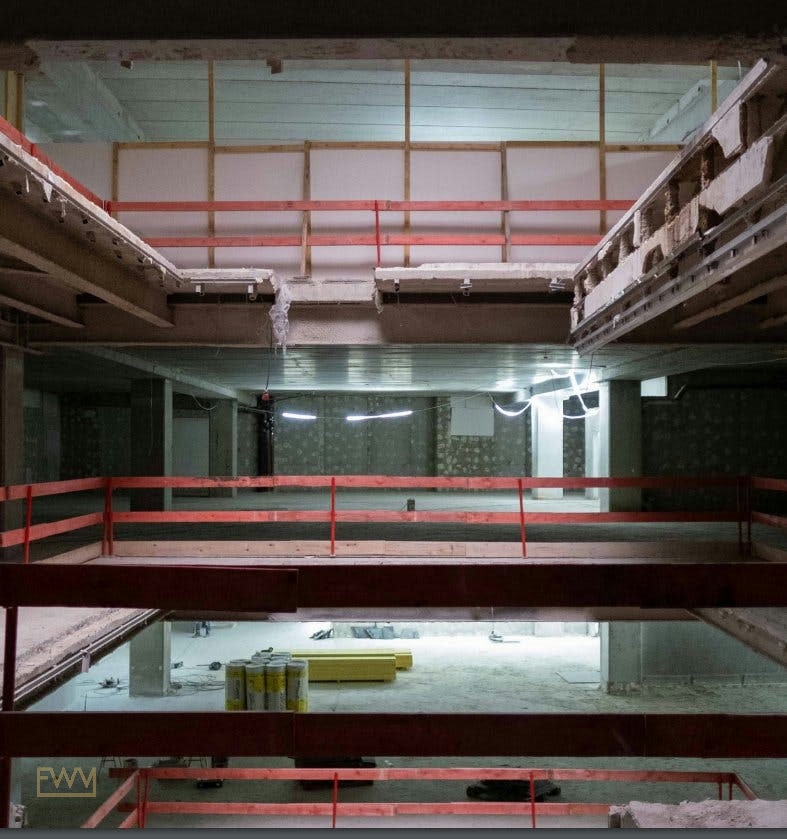
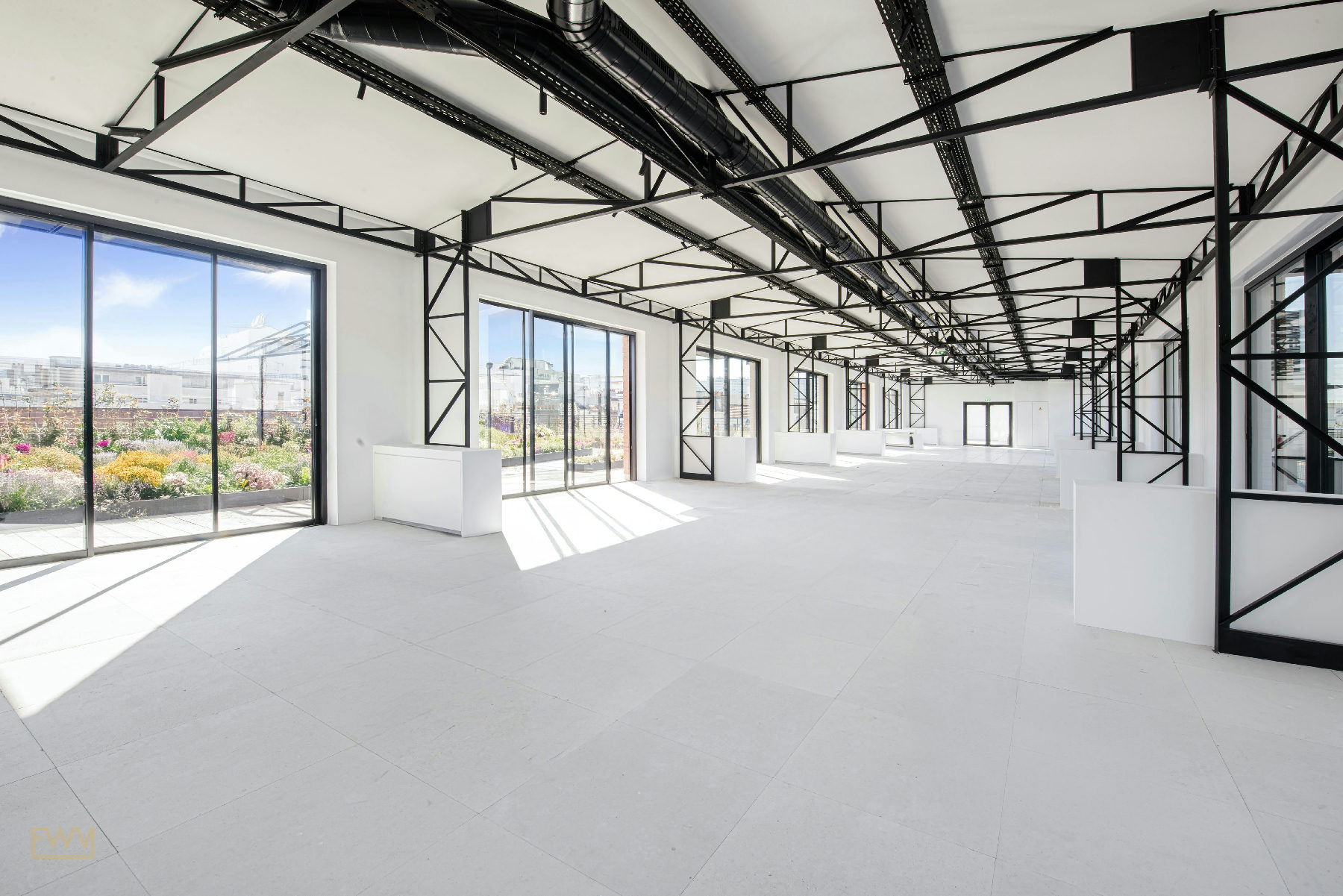
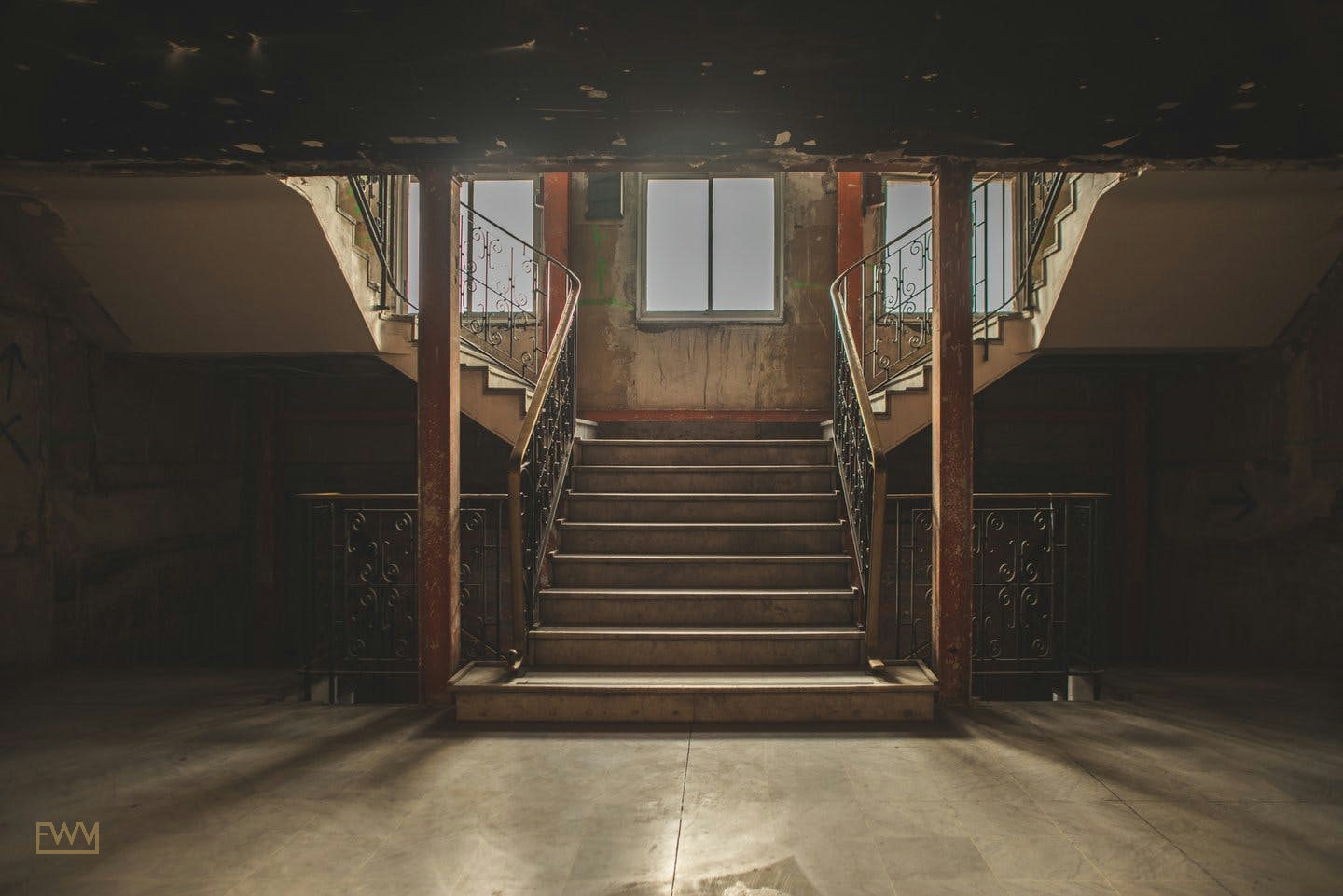
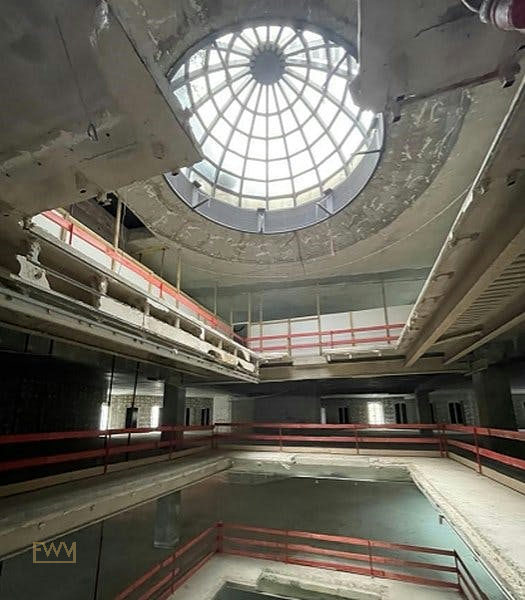
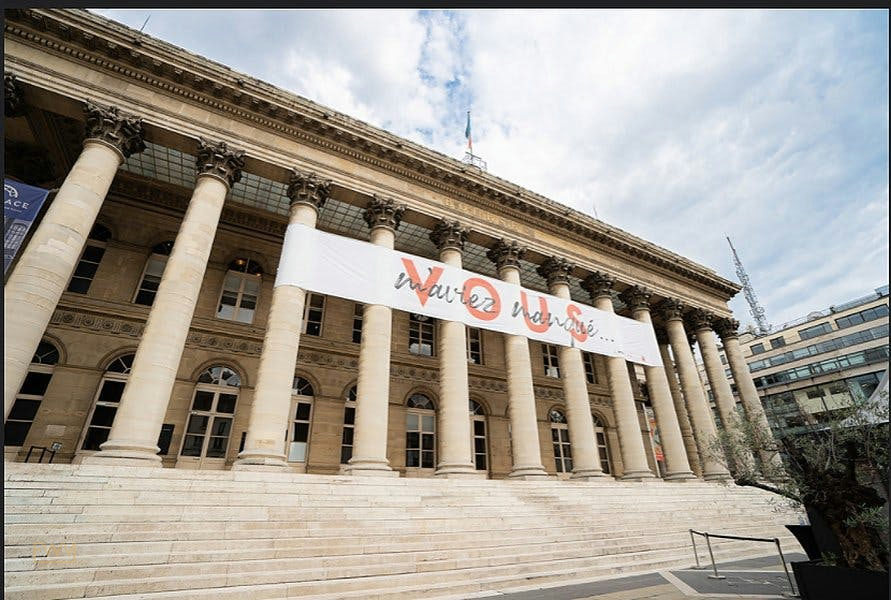
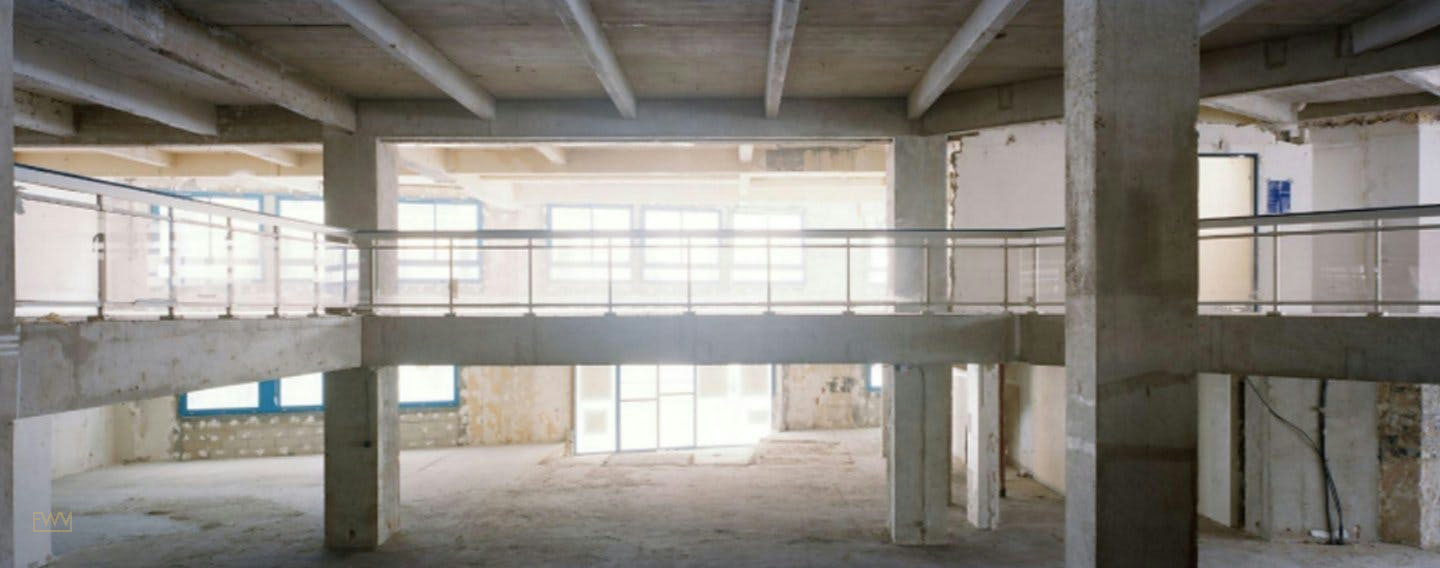
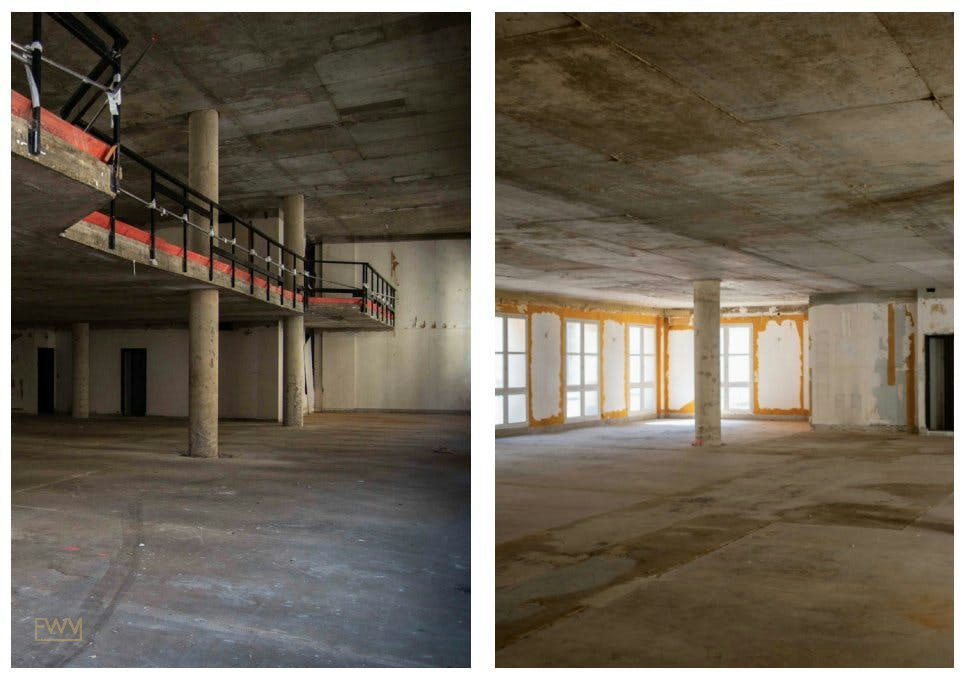
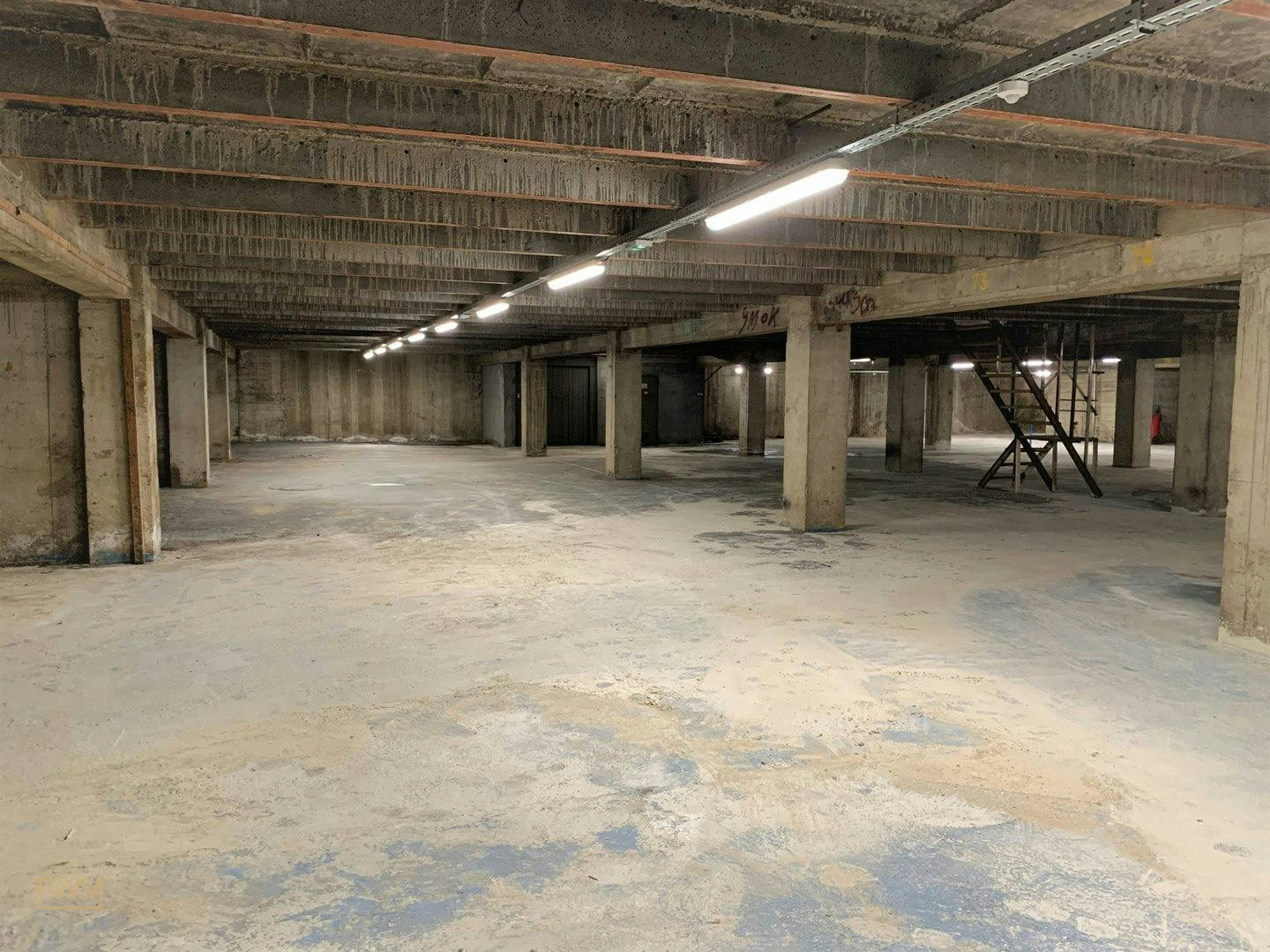
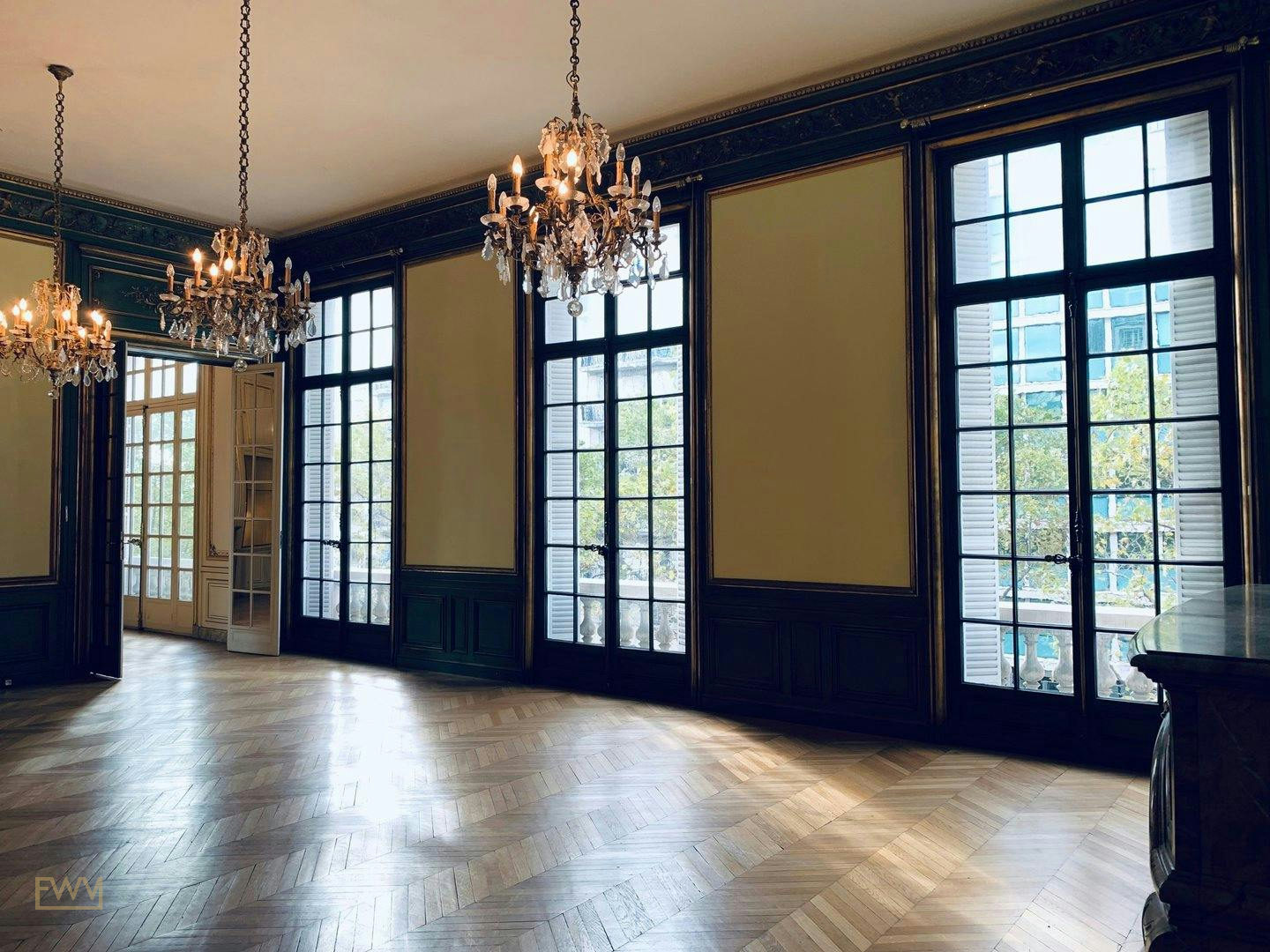
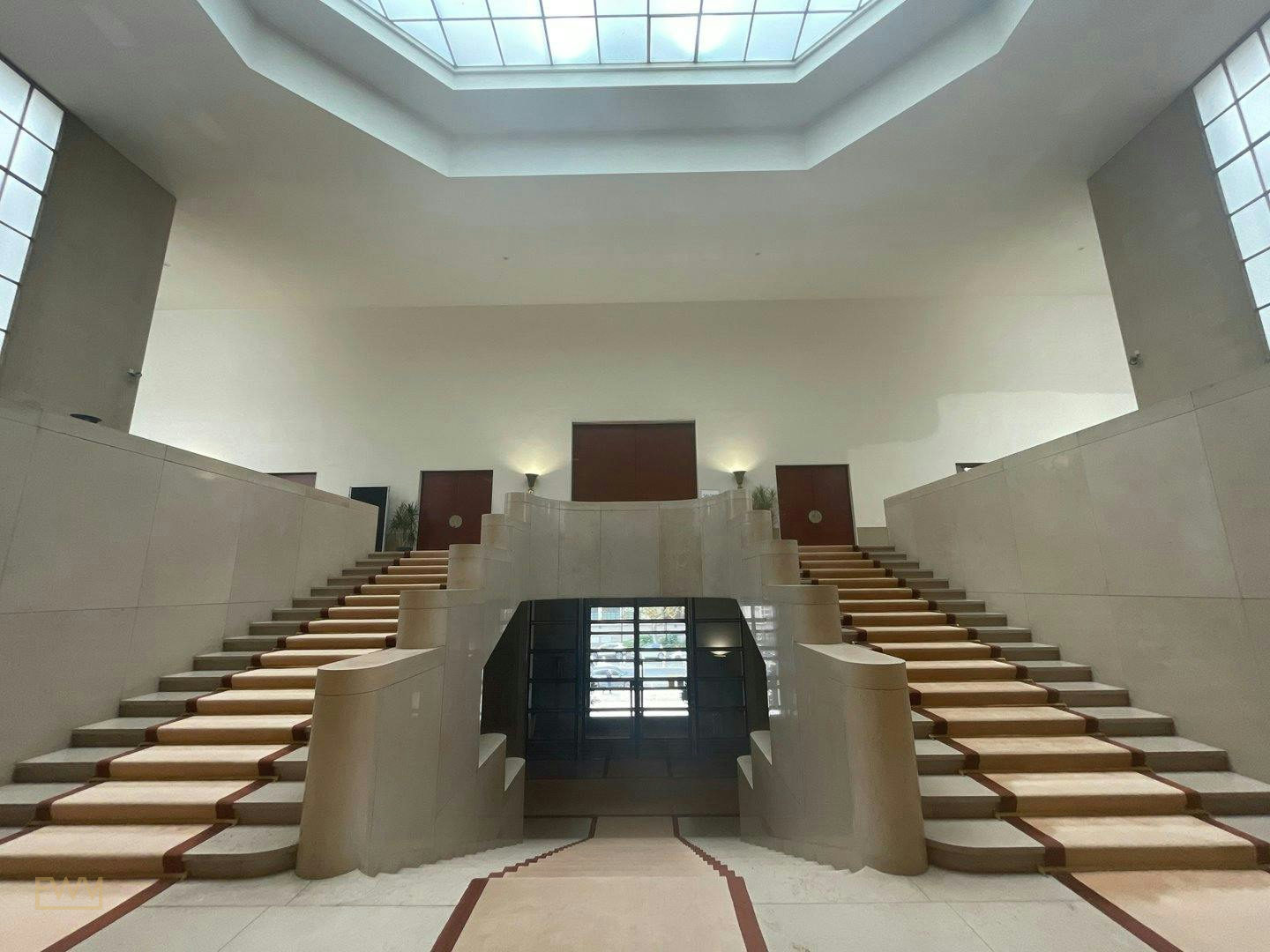
Securing the ideal venue for a pop-up during Fashion Week is crucial for brand visibility and success. Whether you're a seasoned brand or a newcomer, understanding the complexities of venue selection can significantly impact your activation’s outcome. In this guide, we delve into the world of Fashion Week venues, showcasing how Fashion Week Venues, a full-service agency and space marketplace, can streamline your search for the perfect spot amidst the bustling streets of Paris.
Exploring Paris's Fashion Districts for Pop-Up Venues
Paris is a global fashion capital known for its diverse districts, each offering unique opportunities for pop-up venues. Choosing the right neighborhood is vital as it can influence the kind of audience you attract and the overall ambiance of your event. Here, we break down the characteristics of key districts to help inform your decision.
Le Marais is renowned for its blend of contemporary and traditional Parisian styles, attracting trendsetters and luxury shoppers alike. It’s an ideal location for avant-garde fashion brands looking to make a statement.
Example: Host your pop-up in Le Marais to tap into the neighborhood's eclectic mix of art galleries and designer boutiques, giving your brand a creative and exclusive touch.
| District | Style | Target Audience | Brands Best Suited |
|---|---|---|---|
| Le Marais | Eclectic, Trendy | Fashion-forward, Luxury | Avant-garde, Emerging Designers |
| Saint-Germain-des-Prés | Classical, Chic | Sophisticated, High-end | Luxury Brands, Timeless Collections |
| Opéra | Historic, Elegant | Cultural, Artistic | Established Brands, Artistic Lines |
Saint-Germain-des-Prés, rich with history and sophistication, draws an audience seeking timeless luxury and charm. Hosting your pop-up here can enhance your brand's prestige, appealing to an elite clientele.
Key Takeaway: Selecting the right Paris district aligns your pop-up with the desired audience and market position. Each area offers a distinct flavor that can enhance your brand's image.
Opéra, home to iconic locations like Palais Garnier, provides a grand backdrop for brands seeking a classic yet vibrant setting, perfect for connecting with culturally engaged consumers. Transitioning from selecting a district, let's explore how to determine the ideal type of pop-up space for your brand.
Choosing the Right Type of Pop-Up Space
When planning a pop-up during Fashion Week, selecting the right type of space is as critical as the location. Different types of spaces can convey differing brand messages and cater to unique operational needs.
Quick answer: The choice of pop-up space should align with your brand’s identity, logistical requirements, and target audience expectations.
From classic showrooms to versatile event spaces, each format offers distinct advantages. Showrooms provide a controlled environment for luxury and couture brands to offer private, invitation-only experiences.
Conversely, open event spaces might be better suited for brand activations requiring more extensive audience interactions and logistical setups. For instance, versatile spaces in the Canal Saint-Martin area provide flexibility for experiential marketing setups, enhancing customer engagement through dynamic brand experiences.
Advantages:
- Showrooms: Enhance exclusivity and control, ideal for personalized customer interactions.
- Event Spaces: Greater flexibility in design and capacity, perfect for engaging larger audiences.
Disadvantages:
- Showrooms: Limited in accommodating high foot traffic events or larger installations.
- Event Spaces: Can lack the refinement needed for high-end, invite-only scenarios.
DID YOU KNOW: Some venues offer hybrid options that combine showroom elegance with event space flexibility, ideal for maximizing brand impact.
Ultimately, integrating your brand’s creative vision and logistical necessities is essential for success. With a decision framework like this, you can match your venue with promotional goals seamlessly.
KEY TAKEAWAY: Thoroughly assess each space type’s capabilities against your brand objectives and the scale of your intended activation. Next, we'll delve into timeline strategies for capitalizing on Paris Fashion Week's momentum.
Timing Your Activation with Fashion Week
The timing of a pop-up activation during Paris Fashion Week can spell the difference between obscurity and standout success. Understanding the fashion calendar and positioning your brand at peak moments are crucial.
The main fashion weeks occur bi-annually in September/October and February/March. Aligning your activation with these dates is critical; however, timing a little pre- or post-fashion shows can also capture attention from industry professionals looking to explore breakout features away from busy schedules.
Here's a general timeline to guide your planning:
| Week | Activity | Objective |
|---|---|---|
| Week -2 | Pre-show promotion | Build anticipation; engage early adopters |
| Week 0 | Main activation events | Leverage foot traffic; maximize media exposure |
| Week +1 | Post-show follow-ups | Nurture leads; assess audience feedback |
For instance, hosting an exclusive preview for influencers the weekend before Fashion Week starts can help generate buzz and press in advance of the larger events.
TIP: Adaptability is crucial—be prepared to adjust your event timing in response to real-time updates from the main fashion show calendar.
Strategically positioning your activation during these windows ensures maximum visibility and relevance. This leads us naturally to planning and managing the practicalities behind event logistics and compliance.
Understanding Venue Permits and Compliance Requirements
To host a successful pop-up, it is essential to understand the legal frameworks involved, specifically in Paris. Compliance extends beyond choosing a venue; it encompasses legal permits like ‘bail dérogatoire’ and ‘Autorisation d’Occupation Temporaire (AOT)’. These are essential for operating legally and ensuring a smooth event.
Quick answer: Obtaining the right permits and ensuring compliance with local regulations is crucial for any brand activating in Paris.
Bail Dérogatoire: A short-term lease agreement under French law, allowing up to three years of venue use without engaging in a full commercial lease contract. Important for temporary retail operations.
Autorisation d’Occupation Temporaire (AOT): Needed for temporary land occupation, crucial for events in public spaces.
The process of securing these permits may seem daunting, but leveraging platforms like the permits tool by Fashion Week Venues can simplify the process.
IMPORTANT: Permit requirements can vary significantly, and it's imperative to confirm specific obligations for different space types and arrondissement laws. Consulting a French legal advisor is highly recommended to navigate this complex aspect successfully.
Ensuring you have the right permissions provides peace of mind and government compliance, allowing you to focus on creating an impactful retail experience.
KEY TAKEAWAY: Do your due diligence with permits to prevent legal issues from derailing your event. Learn more about activation logistics and how to smoothly execute your next pop-up.
Logistical Planning for a Seamless Activation
Effective logistical planning is the backbone of a successful pop-up, particularly during the bustling Paris Fashion Week. Facets like budgeting, staffing, and technology integration are critical in delivering a seamless experience.
Quick answer: Ensuring well-coordinated logistics backs the creative vision of your pop-up with operational excellence.
Budgeting: Outline all potential expenses from venue hire and permits to marketing and operations. For precise estimation, Fashion Week Venues offers a budget estimation tool that can be tailored to your brand’s needs.
Staffing: Having the right team on the ground is vital—effective sales staff and customer service ensure the activation runs smoothly. Consider engaging with a reliable retail staffing service to supplement your team.
Technology: Use POS systems for seamless transactions combined with analytics tools to track footfall, engagement, and sales KPIs for immediate and post-event assessment.
This plan should be coordinated into a timeline reflecting every logistical milestone, such as delivery schedules, installation periods, and staff training sessions, well ahead of Fashion Week.
TIP: Remember, the devil is in the details—early preparation can help accommodate unexpected challenges without compromising the customer experience.
KEY TAKEAWAY: A comprehensive logistical strategy not only supports event execution but also enhances brand credibility through precision and professionalism. Next, discover how Fashion Week Venues can facilitate these processes.
How Fashion Week Venues Enhances Brand Activations
Fashion Week Venues stands out as a pivotal partner in executing seamless and effective brand activations during Fashion Week. Offering an array of services and tools, the platform simplifies the process for brands of all sizes.
Fashion Week Venues provides expert venue sourcing, ensuring your selection aligns perfectly with both brand identity and logistical requirements. Their concept direction services help integrate your brand’s vision into a tangible reality.
By using their innovative tools, such as the space comparison tool and timeline planning tool, brands can efficiently evaluate spaces and plan activations that coincide with key fashion calendar dates.
Brands like luxury retailers, emerging designers, and international marketing teams gain the most from Fashion Week Venues' expertise in production, retail staffing, and comprehensive data analytics—all crucial for real-time decision-making and post-event evaluation.
DID YOU KNOW: Fashion Week Venues also offers twin co-activation services, allowing brands to share unique spaces while maximizing consumer engagement opportunities.
While Fashion Week Venues greatly eases the logistical and creative burden of staging a pop-up, it's essential to engage thoughtfully with the team early in the planning process to secure optimal results.
KEY TAKEAWAY: With the right support, your brand can efficiently navigate the complexities of Fashion Week pop-ups, achieving both logistical fluency and creative prowess. Equip yourself with knowledge in common myths and facts next to broaden your awareness.
Common Myths Debunked
MYTH: You need a French legal entity to rent a space in Paris.
FACT: Many venues are available to international brands without needing to set up a French legal firm. However, understanding local regulations and working with agencies knowledgeable in cross-border retail can further ease the process.
MYTH: Paris Fashion Week is the only viable calendar window for pop-ups.
FACT: While high-profile, Paris also hosts numerous fashion-related events throughout the year, allowing for strategic activations outside the traditional Fashion Week window, still capturing the coveted industry audience.
MYTH: Commission brokers are the only way to secure a pop-up space in Paris.
FACT: While brokers can help, agencies like Fashion Week Venues provide comprehensive services including direct space listing platforms, giving you more control over your choices and budget.
MYTH: Short-term leases are straightforward and don’t require specialist help.
FACT: Short-term leases in Paris involve specific legal and operational requirements, best navigated with professional assistance to avoid potential pitfalls.
Frequently Asked Questions
What is the best district in Paris for a fashion pop-up?
Each Parisian district offers unique opportunities depending on your brand's objectives. Le Marais is popular for its trendy and vibrant atmosphere, ideal for contemporary brands. For more established luxury labels, Saint-Germain-des-Prés offers a sophisticated ambiance. Ultimately, the choice should align with your audience and branding strategy. Explore the Paris city hub for detailed insights on each neighborhood.
How do I budget for a pop-up during Fashion Week?
Budgeting for Fashion Week involves accounting for venue rent, permits, marketing, staffing, and logistic costs. It's wise to have a detailed budget plan to ensure financial control. Estimation tools such as the budget tool offered by Fashion Week Venues can help streamline this process.
Do I need a permit for a pop-up shop in Paris?
Yes, permits such as the bail dérogatoire and AOT are typically required for pop-up shops in Paris, especially for public or semi-public spaces. These permits ensure legal compliance and are important for a hassle-free event. Consult experts via the permits tool for guidance tailored to your specific requirements.
What is the typical duration of a pop-up during Fashion Week?
Pop-ups during Fashion Week can range from a few days to several weeks. While the core Fashion Week period is prominent, some brands choose to extend their presence to capture audiences pre- and post-event. The flexibility of your lease and strategic intent should guide your duration decision.
Can I host a pop-up outside the traditional Fashion Week dates?
Absolutely. Paris hosts various fashion-related events year-round, providing ample opportunities for pop-ups outside the main Fashion Week periods. Strategically placed events can still draw significant attention from industry professionals and consumers alike.
How can agencies assist with pop-up space sourcing?
Agencies like Fashion Week Venues offer comprehensive services in space sourcing. They not only provide a curated catalogue of suitable spaces but also aid in negotiating terms and ensuring legal compliance, easing the burden of these logistical tasks.
What logistic considerations are critical for pop-up events?
Key considerations include venue setup, staff allocation, supply chain coordination, and technology integration for seamless operations. Detailed logistics planning is crucial to ensure everything from the visual merchandising to customer transactions run smoothly during the event.
What role does technology play in a pop-up?
Technology plays a critical role in managing customer engagement and transactions. POS systems streamline sales, while analytics tools offer insights into visitor demographics and engagement, crucial for assessing your pop-up's performance in real-time.
Can international brands easily host pop-ups in Paris?
Yes, international brands can successfully host pop-ups in Paris with the right support. Agencies familiar with local legal requirements and cultural nuances provide invaluable assistance in navigating these complexities, ensuring your event is both culturally resonant and legally compliant.
How do I measure the success of my pop-up?
Success can be measured by footfall, sales data, media coverage, and social media engagement. Post-event analytics provide insights into these metrics, showcasing the effectiveness of your activation and guiding future strategies, as detailed through ROI tools available on Fashion Week Venues.
What is a twin co-activation?
A twin co-activation involves partnering with other brands to share space and resources effectively. This model maximizes exposure while effectively managing costs, leveraging the synergy between complementary brands to draw greater audience engagement.
Conclusion
Activating a pop-up during Fashion Week in Paris is an unparalleled opportunity to enhance brand visibility and connect with a global audience. By choosing the right district and space type, aligning with the fashion calendar, effectively managing logistics, and ensuring compliance with local laws, brands can create memorable experiences that resonate. Platforms like Fashion Week Venues simplify these processes, providing the tools and guidance needed to bring your vision to life.
To transition from planning to action, leverage the extensive resources available through Fashion Week Venues. Begin by exploring available spaces on the Fashion Week Venues marketplace to pinpoint the ideal setting for your brand's next big moment in Paris.