
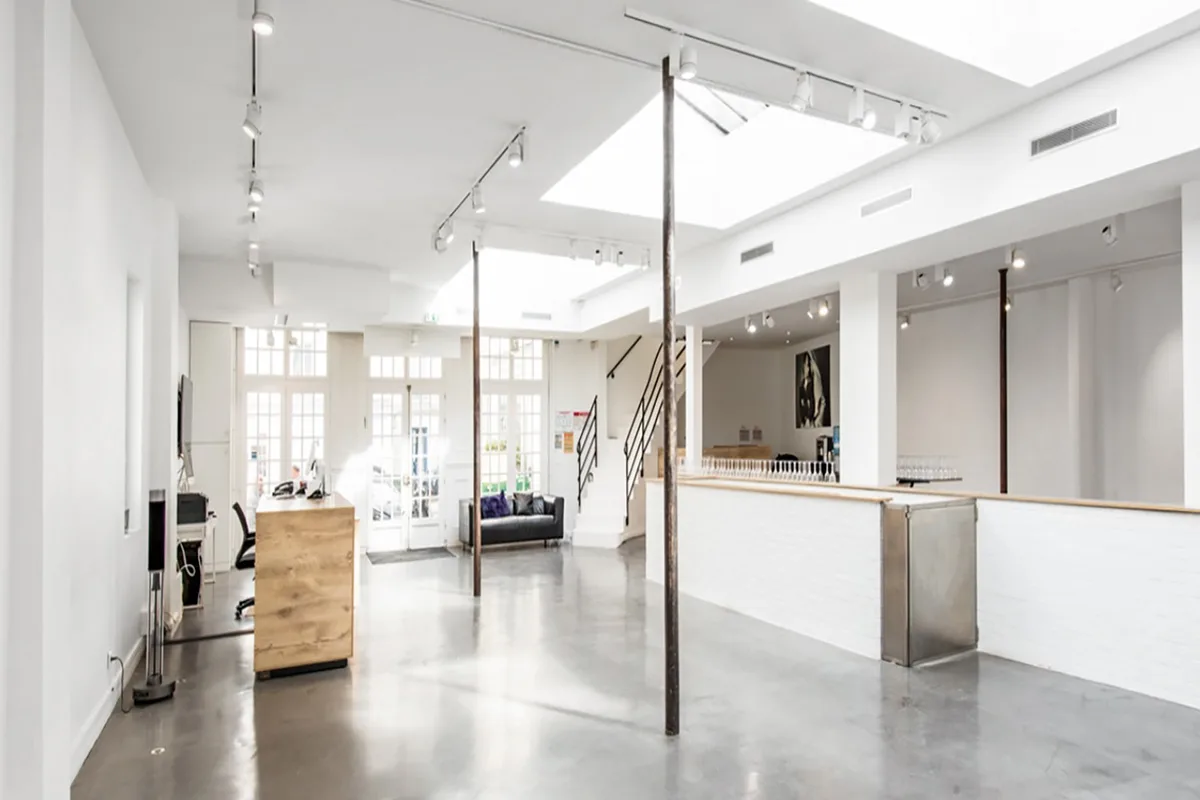
A pop up store Le Marais activation places your brand at the intersection of heritage, culture, and one of the highest concentrations of international foot traffic in the French capital. Le Marais is not simply a fashionable neighbourhood; it is a living retail laboratory where emerging designers, global fashion houses, contemporary beauty brands, and concept stores test ideas, launch products, and build lasting brand recognition within days rather than months. The district's mix of medieval architecture, world-class museums, vibrant gastronomy, and densely layered creative culture makes it unlike any other retail location in Paris. For brands entering Paris for the first time, or returning for a targeted seasonal activation, Le Marais offers a strategic combination of audience quality, media visibility, and physical infrastructure that few other European neighbourhoods can match. Fashion Week Venues specialises in helping international and emerging brands source, plan, and activate pop-up spaces across Paris and other major fashion capitals.
What Makes Le Marais the Right Location for a Pop-Up Store in Paris
Quick answer: Le Marais combines exceptional foot traffic from international visitors, a culturally sophisticated local audience, strong media and influencer attention, and a wide variety of available short-term retail spaces. These factors together make it one of the most commercially and strategically valuable neighbourhoods in Paris for pop-up retail.
Le Marais occupies the 3rd and 4th arrondissements of Paris, and its retail appeal is rooted in a combination of physical, demographic, and cultural factors that reinforce one another. The area attracts an unusually broad visitor base: local Parisians who live and work there, French tourists from other regions, and a substantial proportion of international travellers who include Le Marais on every visit to Paris. This diversity of audience is not incidental; it is structural. The Picasso Museum, the Maison de Victor Hugo on Place des Vosges, the Marché des Enfants-Rouges, and the proximity to Place de la République and Beaubourg all function as anchor attractions that draw foot traffic into the neighbourhood continuously throughout the year.
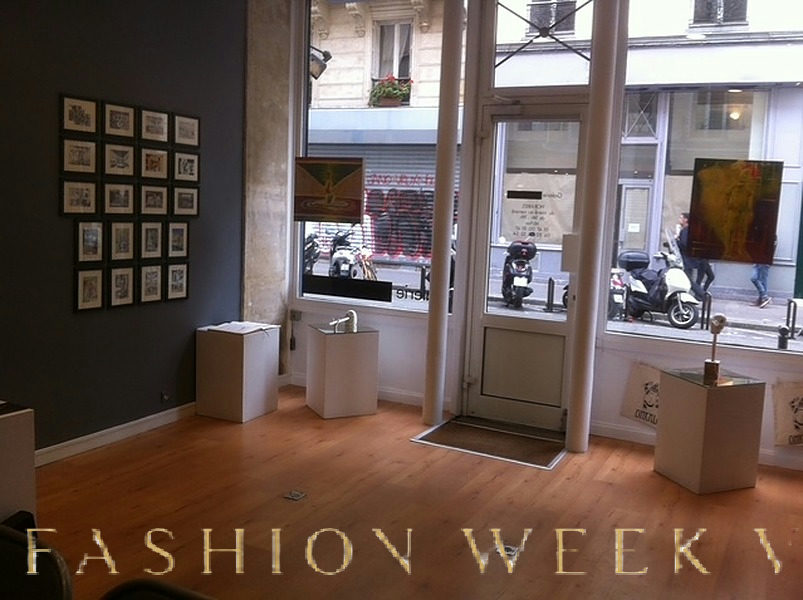
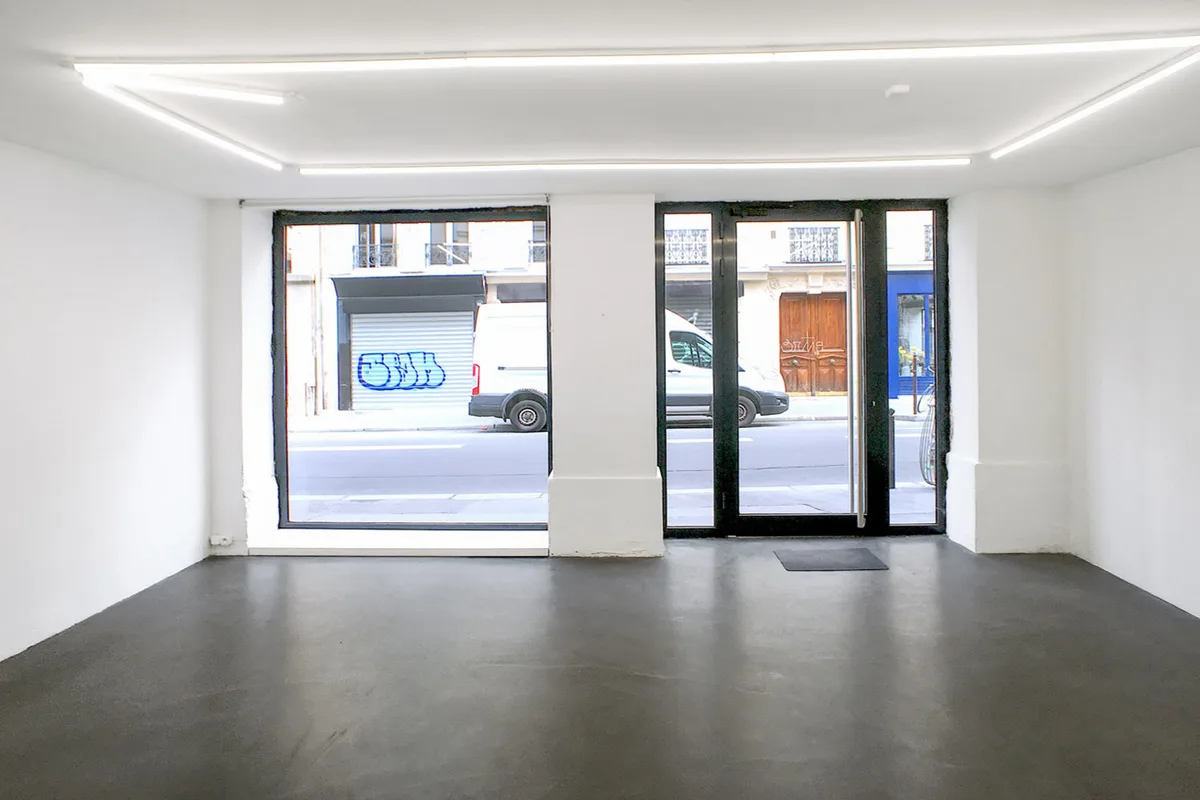
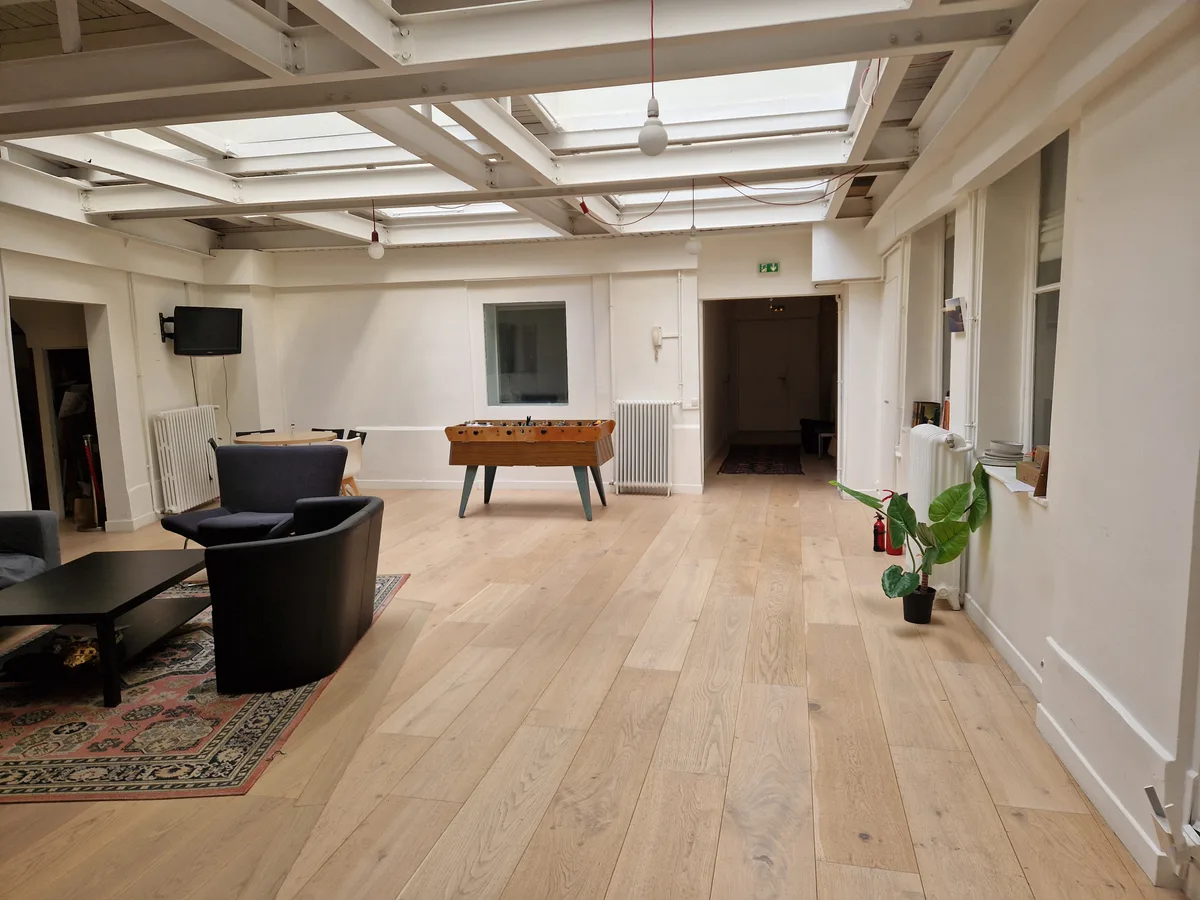
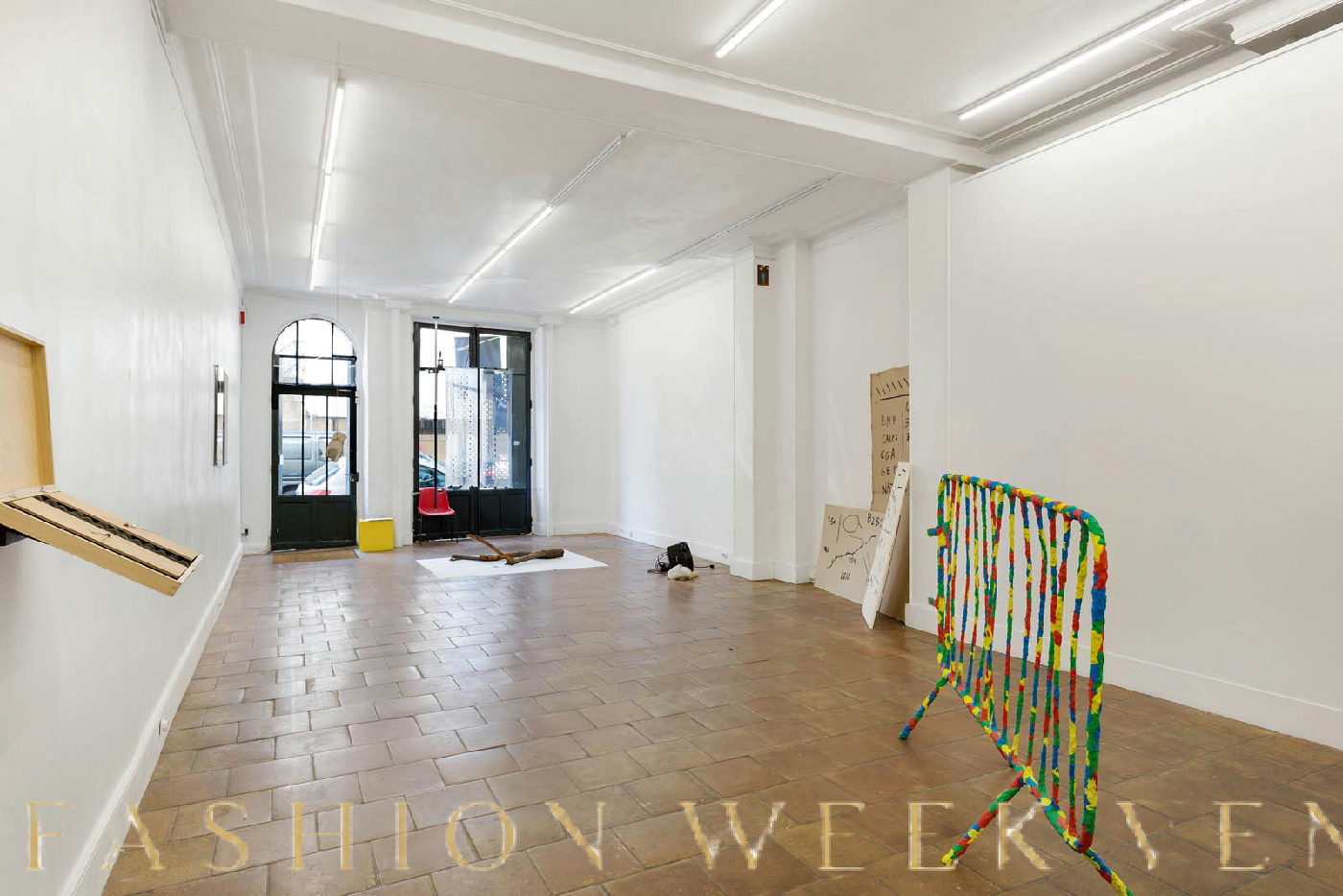
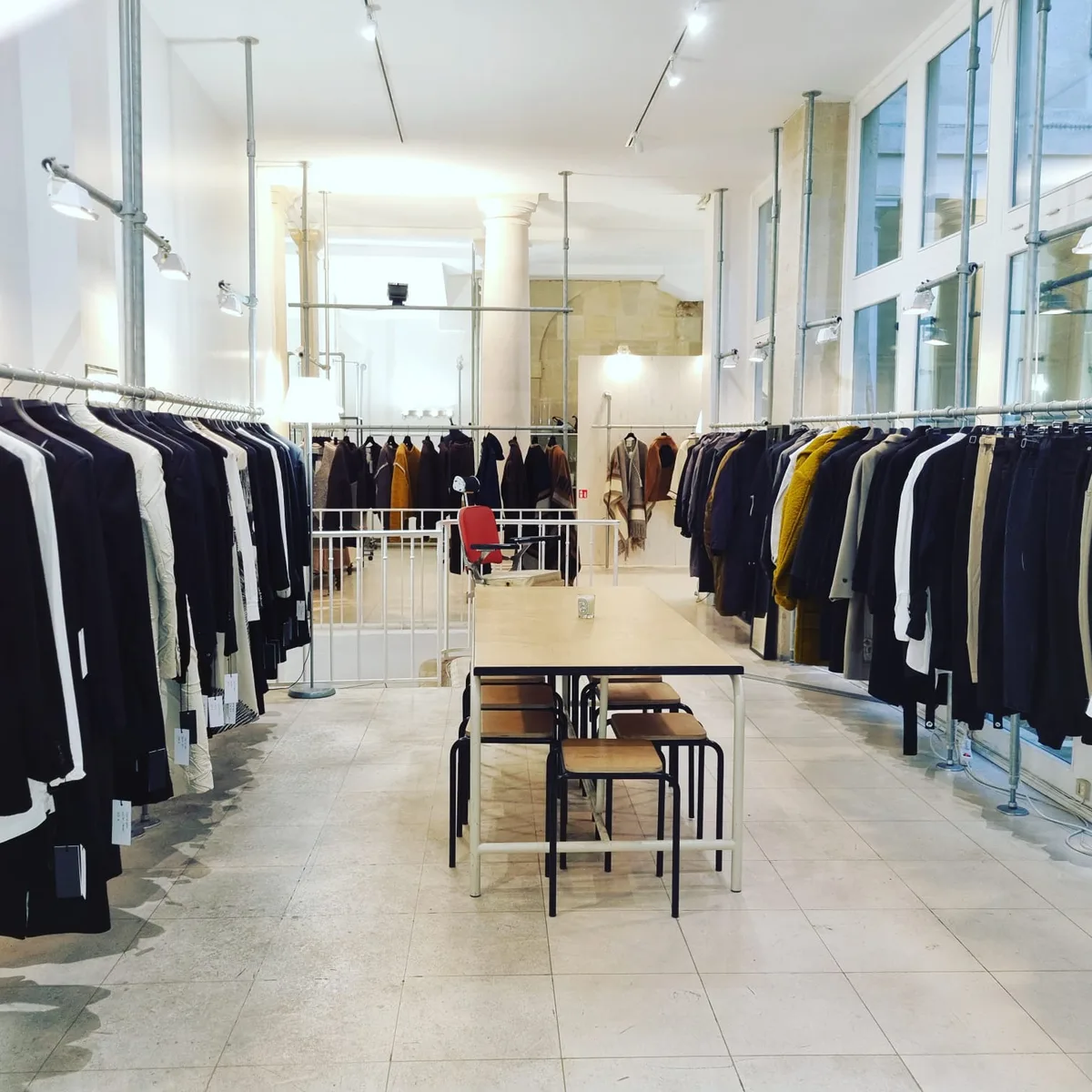
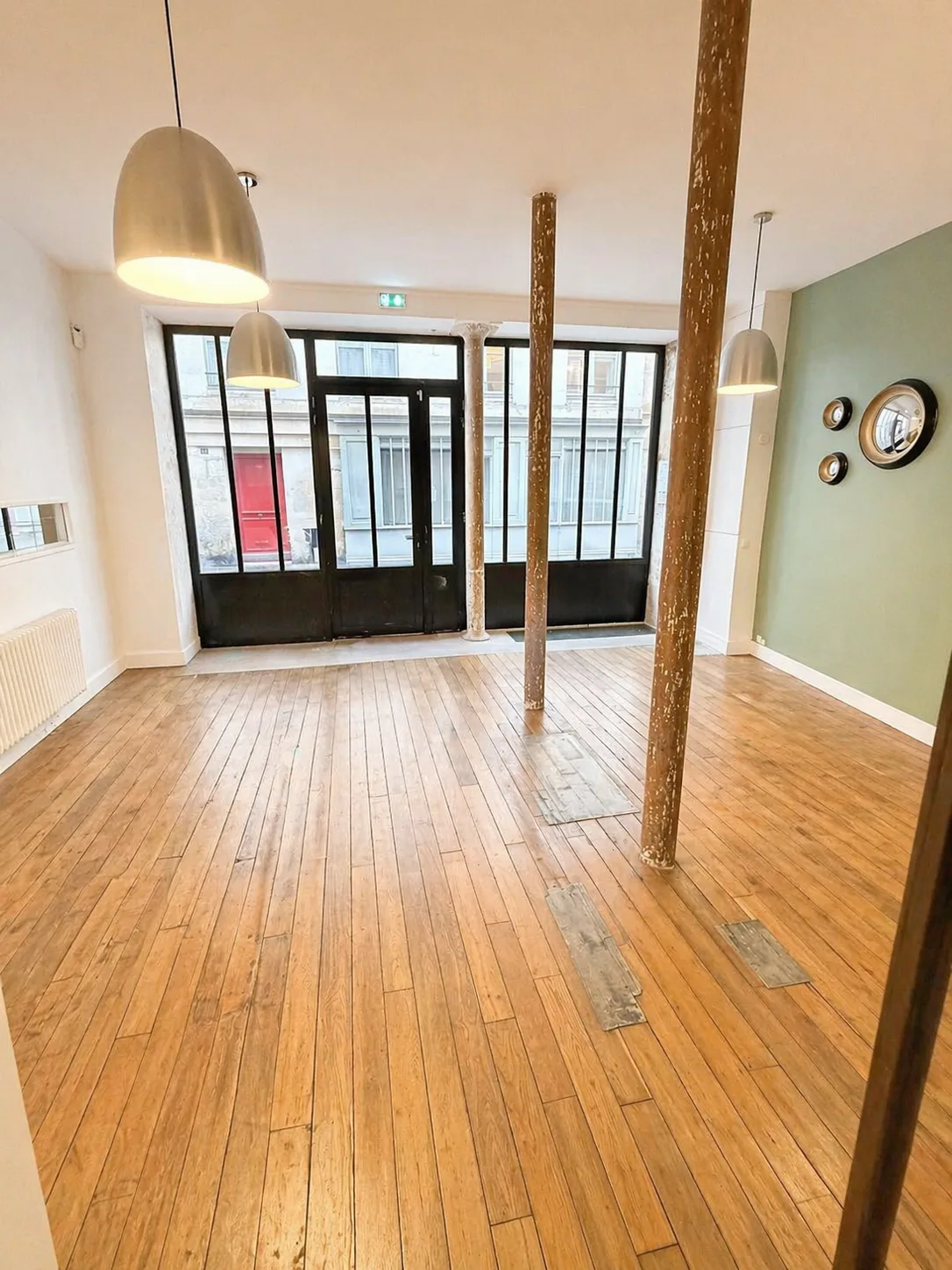
For brands, this means that even a short-term activation lasting one or two weeks can generate substantial organic exposure without relying entirely on paid advertising. The physical environment reinforces this opportunity. Le Marais is characterised by narrow streets, intimate courtyards, and historic stone buildings that give retail spaces a distinctively Parisian atmosphere. Spaces here often feature white walls, wooden floors, poutres apparentes (exposed timber beams), and modern spotlights that allow brands to present collections in an architectural setting that communicates quality and cultural awareness without heavy investment in fit-out.
The neighbourhood's layered identity also matters commercially. Le Marais operates simultaneously as a luxury retail destination, a vintage culture hub, a contemporary fashion corridor, and an art gallery district. This means that brands across a wide range of positioning, from emerging independent designers selling vintage T-shirts and designer denim, to established international fashion houses launching seasonal collections, can all find an audience and a setting that fits their brand narrative.
Rue des Francs-Bourgeois is the neighbourhood's primary commercial artery and offers exceptional visibility with high daily footfall. Rue des Rosiers provides a more intimate, culturally layered environment that suits lifestyle, food, and independent fashion brands. Rue de Bretagne connects the district to the Marché des Enfants-Rouges and blends gastronomy and shopping in a way that extends visitor dwell time. Rue de Montmorency and the streets surrounding Espace Turenne offer additional space options with slightly lower rental competition, making them attractive for brands seeking larger footprints or more flexible configurations.
The neighbourhood's proximity to Samaritaine and the broader Right Bank luxury corridor also matters for brand perception. Being physically present in Le Marais positions a brand within a cultural geography that consumers, press, and influencers already associate with creativity, authenticity, and taste. This positional value is difficult to replicate in a less historically and culturally charged location.
DID YOU KNOW: Le Marais was once the aristocratic heart of Paris, and its preservation of 17th-century architecture means that retail spaces here carry an ambient prestige that newer shopping districts simply cannot manufacture.
KEY TAKEAWAY: Le Marais offers a rare combination of cultural prestige, diverse international foot traffic, architecturally distinctive retail spaces, and year-round commercial vitality that makes it the most strategically sound choice for a pop-up store activation in Paris. Understanding the specific streets and micro-markets within Le Marais is essential to matching your brand with the right location.
Knowing why Le Marais works is only the starting point. The next practical question for any brand team is understanding what types of spaces are actually available, and how they differ in terms of size, format, and commercial suitability.
Types of Pop-Up Spaces Available in Le Marais
Quick answer: Le Marais offers a wide variety of short-term retail spaces, from intimate boutique units and art galleries to expansive industrial lofts, converted courtyards, and dedicated showrooms. The right format depends on your brand's objectives, team size, product category, and budget.
One of the most significant practical advantages of Le Marais as a pop-up retail destination is the genuine variety of available space formats. Unlike more homogeneous shopping districts, Le Marais evolved organically over centuries and now contains an unusually heterogeneous stock of buildings and units. This architectural diversity translates directly into commercial variety for brands seeking short-term retail space.
Boutique Units and Concept Store Formats
Small boutique units, typically ranging from 30 to 80 square metres, are the most common format in Le Marais. These spaces suit independent designers, jewellery brands, beauty labels, and lifestyle brands that prioritise an intimate, curated customer experience over high-volume throughput. Many of these units are situated on Rue des Francs-Bourgeois or Rue des Rosiers and benefit from natural pedestrian flow without requiring significant marketing spend to drive visitors to the door. Concept store formats within this size category often feature open-plan layouts with strong display windows, making merchandising and visual storytelling straightforward.
Art Galleries and Cultural Spaces
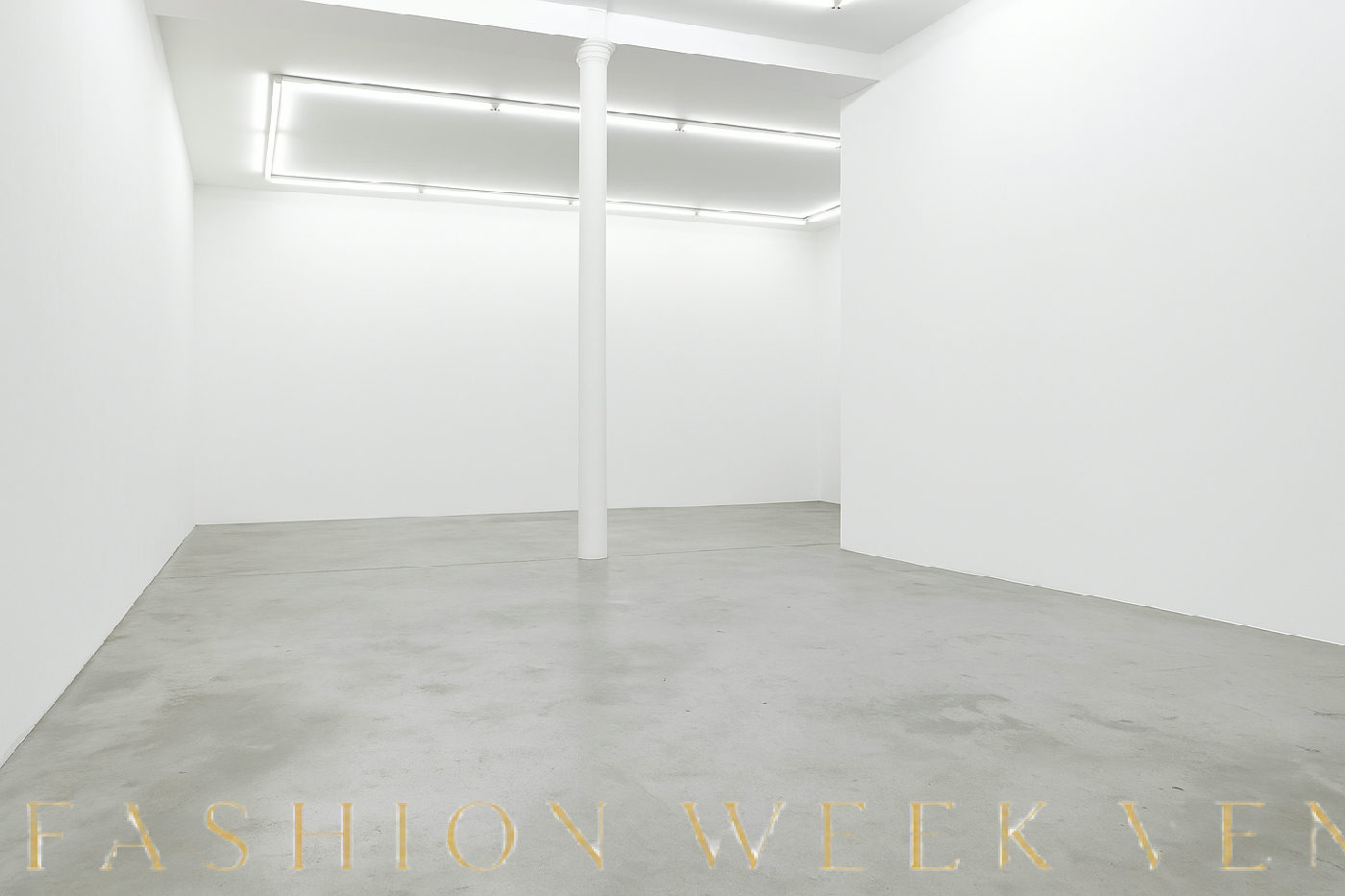
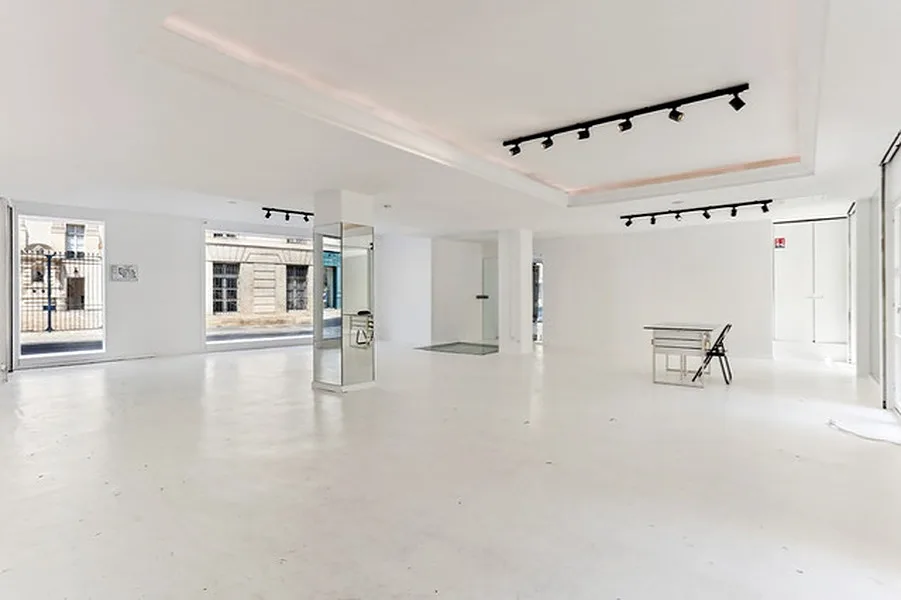
Le Marais has one of the highest concentrations of art galleries in Paris, and many of these spaces rent short-term to fashion and lifestyle brands. Gallery spaces typically offer white walls, polished concrete or wooden floors, and neutral architectural backdrops that function exceptionally well for fashion presentations, product launches, and editorial shoots alongside retail activations. Galerie Joseph is one of the most well-known event and pop-up spaces in the district, but numerous smaller gallery spaces throughout the 3rd and 4th arrondissements offer comparable quality at different price points.
Showrooms and Fashion Showroom Formats
During Paris Fashion Week and Paris Fashion Week Men's, the demand for showroom space in Le Marais intensifies significantly. Showrooms in this context serve a dual function: they host wholesale buyers and press appointments while simultaneously operating as brand experience spaces open to qualified visitors. Fashion showroom formats in Le Marais range from single-room apartments configured for intimate presentations to multi-room hôtel particulier spaces capable of hosting large press events and buyer days. Brands using showroom formats here benefit from the neighbourhood's dense concentration of fashion industry professionals, editors, and international buyers who visit during the calendar windows associated with both womenswear and menswear weeks.
Industrial Lofts and Large-Format Event Spaces
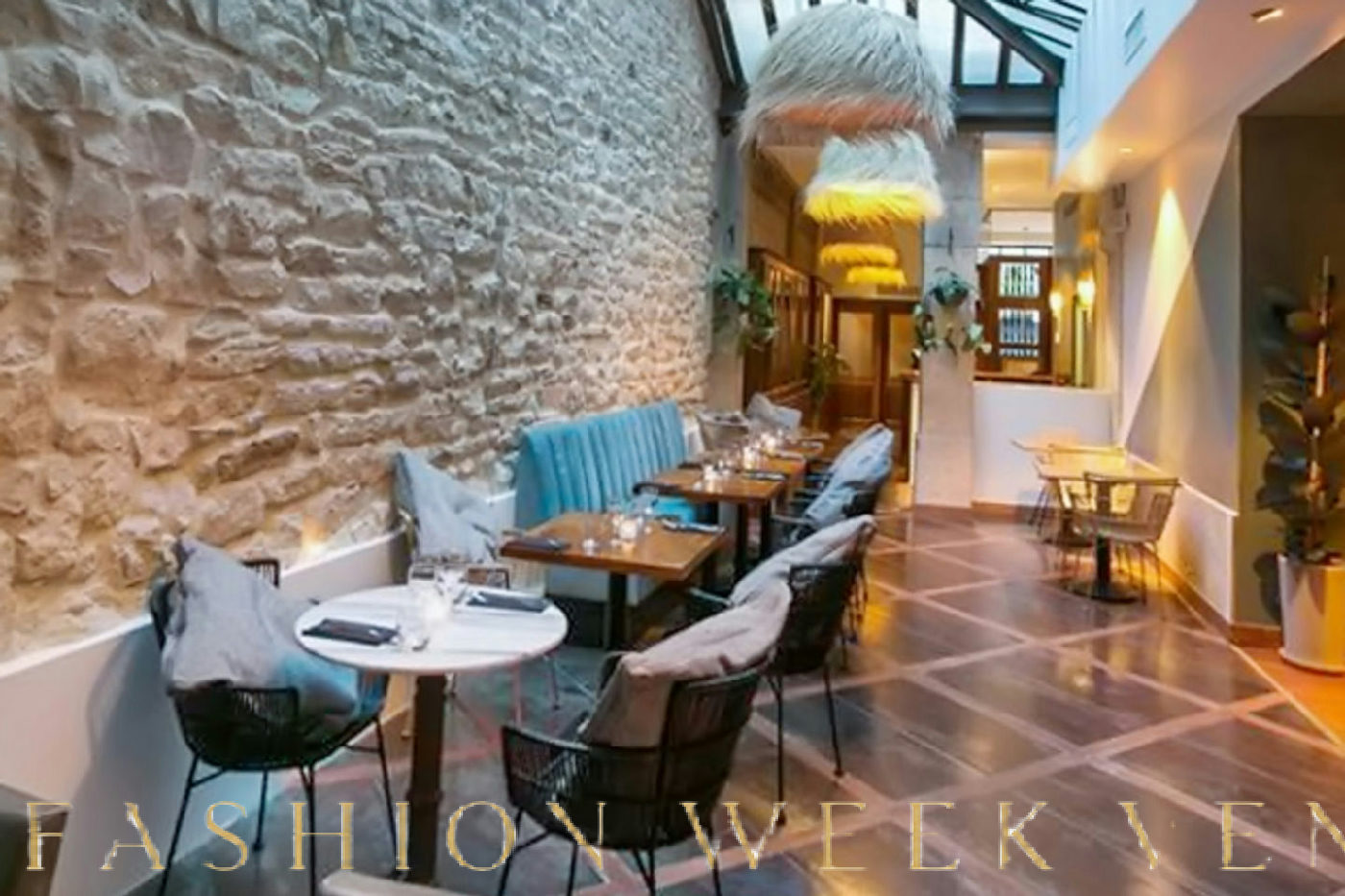
The northern part of Le Marais and the areas around Rue de Bretagne and Espace Turenne contain a number of larger industrial and loft-format spaces that suit brands requiring more than 150 square metres. These spaces are well suited to experiential retail activations, product launch events, collaborations with multiple brands or partners, and activations that incorporate performance, installation, or interactive elements. The raw architectural quality of exposed brick, timber beams, and large windows common in these buildings provides a strong canvas for ambitious spatial design.
Space Type and Street Comparison Table
| Space Type | Typical Size | Best Streets | Ideal For |
|---|---|---|---|
| Boutique Unit | 30 to 80 sqm | Rue des Francs-Bourgeois, Rue des Rosiers | Jewellery, beauty, independent fashion, vintage |
| Art Gallery | 60 to 200 sqm | Throughout 3rd and 4th arrondissements | Fashion launches, editorial, brand experience |
| Fashion Showroom | 80 to 300 sqm | Rue de Turenne, Rue de Montmorency | Wholesale presentations, press days, buyer appointments |
| Industrial Loft | 150 to 500 sqm | Espace Turenne, Rue de Bretagne | Experiential retail, collaborations, large events |
| Courtyard or Passage | Variable | Throughout Le Marais | Multi-brand activations, outdoor-adjacent retail |
TIP: If your brand is planning an activation around Paris Fashion Week, begin your space search at least three to four months in advance. Premium Le Marais spaces are reserved early by returning brands and agencies with established landlord relationships.
KEY TAKEAWAY: Le Marais offers a genuine spectrum of space formats from intimate boutique units to large industrial lofts. Matching your space type to your brand's specific objectives, product category, and audience size is more important than size alone. Explore the Fashion Week Venues space marketplace to compare available formats across the district.
Understanding the space landscape is essential, but brands also need a clear view of how the Le Marais retail calendar and event ecosystem can amplify the commercial impact of a pop-up activation.
The Fashion Week Calendar and Key Commercial Windows in Le Marais
Quick answer: Paris Fashion Week, both womenswear and menswear editions, creates the highest-intensity retail windows of the year in Le Marais, but the neighbourhood sustains strong commercial performance across multiple cultural and seasonal peaks throughout the year.
For brands planning a pop-up store in Le Marais, timing is one of the most consequential strategic decisions you will make. The French capital operates on a retail and cultural calendar that creates distinct waves of foot traffic, media attention, and consumer spending, and understanding how these waves intersect with Le Marais specifically is essential for maximising return on investment.
Paris Fashion Week: Womenswear and Menswear
Paris Fashion Week womenswear, held twice yearly in late February to early March and late September to early October, is the single most commercially intense event window for brands operating pop-up spaces in Le Marais. The neighbourhood becomes a hub for international press, buyers, stylists, influencers, and high-net-worth consumers during these weeks. Brands that activate during Fashion Week benefit from organic media coverage, influencer content creation, and elevated brand recognition that extends well beyond the physical space itself. Paris Fashion Week Men's, typically held in late June to early July, creates a secondary but increasingly significant window, particularly for brands operating in menswear, streetwear, and unisex lifestyle categories.
Art Fairs and Cultural Events
Le Marais is home to a dense calendar of art fairs, gallery openings, and cultural events throughout the year. Nuit Blanche, the FIAC art fair period, and various gallery season openings all draw culturally engaged audiences who overlap significantly with the target consumer profiles of premium fashion, beauty, and lifestyle brands. Brands that align their pop-up activation with these cultural moments can benefit from amplified foot traffic and a more receptive, experience-oriented audience without the direct competition for attention that characterises Fashion Week windows.
Seasonal Retail Peaks
Beyond the fashion calendar, Le Marais performs commercially well during the Christmas and end-of-year period, the January sales window, and the spring and early summer months when tourist volumes in Paris reach their annual peak. The area's international visitor profile means that seasonal gifting, holiday shopping, and experience-driven retail all perform strongly here. Brands selling jewellery, beauty products, matcha, lifestyle goods, or fashion accessories can often justify a pop-up investment during these seasonal windows even without a Fashion Week or art fair anchor.
Commercial Calendar Overview Table
| Calendar Window | Approximate Timing | Primary Audience | Best Space Types |
|---|---|---|---|
| Paris Fashion Week Womenswear | Late Feb to early Mar, late Sep to early Oct | Press, buyers, influencers, high-net-worth consumers | Showrooms, gallery spaces, boutiques |
| Paris Fashion Week Men's | Late June to early July | Menswear press, streetwear audience, buyers | Lofts, showrooms, concept stores |
| Art Fair Season (FIAC, etc.) | October to November | Collectors, cultural consumers, international visitors | Gallery spaces, boutiques |
| Christmas and End of Year | November to December | Tourists, local shoppers, gifting audience | All formats, larger footprints preferred |
| Spring and Summer Peak | April to August | International tourists, lifestyle shoppers | Boutiques, concept stores, courtyard spaces |
IMPORTANT: Paris Fashion Week calendar dates shift year to year. Always confirm official dates with the Fédération de la Haute Couture et de la Mode before finalising your space rental agreement to ensure your activation window aligns correctly.
To compare neighbourhoods and space types, explore the Paris city hub on Fashion Week Venues and shortlist spaces that match your brief, budget, and calendar window.
KEY TAKEAWAY: Paris Fashion Week generates the highest-intensity commercial window for Le Marais pop-up activations, but the neighbourhood sustains strong performance across multiple seasonal and cultural peaks throughout the year. Aligning your activation timing with the right audience window is as important as choosing the right space.
With timing and space format understood, the next critical area for brand teams to address is the practical and legal framework for renting short-term retail space in Le Marais, including the specific lease structures and permit requirements that apply.
Leases, Permits, and Legal Framework for Pop-Up Retail in Le Marais
Quick answer: Short-term retail in Le Marais is governed by specific French lease structures, most commonly the bail dérogatoire and, for certain public or institutional spaces, the autorisation d'occupation temporaire. International brands do not automatically require a French legal entity, but compliance requirements vary significantly by space type, duration, and specific arrondissement, and specialist legal advice is always recommended.
One of the most common sources of confusion for international brands considering a pop-up store in Le Marais is the French legal and administrative framework governing short-term retail leases. French property law is specific and in some areas counterintuitive for brands accustomed to UK, US, or other European lease conventions, and errors in lease structure can create significant complications.
The Bail Dérogatoire
The bail dérogatoire is the most common lease instrument for short-term commercial retail in France. It is a derogatory lease that allows a landlord and tenant to agree on a commercial rental outside the standard protections of the French Commercial Code (which governs standard commercial leases of three, six, or nine years). The bail dérogatoire can be agreed for a period of up to three years in total, making it the standard instrument for pop-up activations lasting days, weeks, or several months. It is important to understand that the bail dérogatoire does not automatically confer the same renewal rights or protections as a standard commercial lease. Brands should not assume that an initial short-term agreement gives any right to renew or extend occupancy without a new agreement.
The Autorisation d'Occupation Temporaire (AOT)
For spaces that fall under public domain, such as spaces owned by the city of Paris, certain institutional or cultural buildings, or spaces on public land, the relevant instrument is the autorisation d'occupation temporaire (AOT). This is a temporary use authorisation rather than a lease in the conventional sense, and it carries different rights, obligations, and renewal conditions. Brands activating in institutional venues such as renovated public buildings, cultural centres, or city-managed spaces in Le Marais may encounter AOT structures. The specific conditions vary considerably by location and negotiation, and professional guidance is essential.
Do International Brands Need a French Legal Entity?
International brands frequently assume they cannot rent commercial space in Paris without first establishing a French limited company or branch. This assumption is not accurate in all cases. Many short-term lease and AOT structures can be entered into by foreign entities under certain conditions, but the specific requirements depend on the landlord, the space category, the intended use, and the duration of the rental. Some landlords will require a French guarantor or a locally incorporated entity; others will not. Professional advice from a French legal advisor is strongly recommended before signing any agreement. The permit guidance tool on Fashion Week Venues provides a useful starting framework, though it does not substitute for formal legal counsel.
Other Practical Compliance Considerations
Beyond the lease structure itself, brands operating pop-up retail spaces in Le Marais must consider additional compliance areas including commercial signage regulations, temporary business registration for retail activity in France, product liability and insurance requirements, fire safety certification for event spaces, and specific rules governing outdoor signage and display windows in protected architectural zones. Le Marais contains several zones with heightened architectural heritage protections, particularly around Place des Vosges and the historic hôtel particulier buildings of the 3rd arrondissement, and compliance with these protections affects everything from window display installation to exterior signage.
IMPORTANT: Requirements for permits, signage, and temporary retail compliance vary by space type, duration, and specific location within Le Marais. Always verify current requirements with a qualified French legal advisor and your space provider before committing to an activation plan.
KEY TAKEAWAY: The bail dérogatoire is the primary short-term lease instrument for pop-up retail in Le Marais. International brands may not always need a French legal entity, but requirements vary considerably by situation. Professional legal and operational guidance is not optional; it is a core part of any competent activation plan for Paris.
With the legal framework understood, brands need a clear picture of the practical steps involved in planning and executing a successful pop-up activation in Le Marais from initial brief to opening day.
Planning and Executing a Pop-Up Store in Le Marais: Step-by-Step Workflow
Quick answer: A successful pop-up store in Le Marais requires a structured workflow covering brief development, space sourcing, legal agreement, fit-out and production, staffing, marketing, operations management, and post-activation analysis. Compressing this process without specialist support typically results in either missed opportunities or avoidable cost overruns.
Brands that achieve the strongest results from Le Marais pop-up activations are almost always those that approach the project as a structured production rather than an improvised retail experiment. The neighbourhood rewards preparation: the best spaces are reserved months in advance, the most impactful window displays require professional production, and the audiences that generate meaningful media coverage and social content are attracted by experiences that feel deliberately designed.
Activation Planning Workflow Table
| Phase | Key Actions | Recommended Lead Time |
|---|---|---|
| 1. Brief Development | Define objectives, audience, budget, calendar window, and space requirements | 4 to 6 months before activation |
| 2. Space Sourcing | Search marketplace, shortlist spaces, visit in person or virtually, negotiate terms | 3 to 4 months before activation |
| 3. Legal and Compliance | Review lease structure, confirm permit requirements, engage legal advisor | 3 months before activation |
| 4. Concept Direction | Develop spatial concept, visual identity, merchandising plan, and display strategy | 2 to 3 months before activation |
| 5. Production and Build | Commission fit-out, furniture rental, lighting, signage, and display installation | 4 to 6 weeks before activation |
| 6. Staffing and Operations | Recruit and brief retail staff, set up POS and payment systems, confirm logistics | 2 to 4 weeks before activation |
| 7. Marketing and Influencer Activation | Launch social media campaigns, invite press and influencers, coordinate local partnerships | 2 weeks before to during activation |
| 8. Live Activation Management | Manage daily operations, customer engagement, stock, and incident response | During activation |
| 9. Post-Activation Analysis | Collect data, analyse foot traffic, sales, and media coverage, calculate ROI | 1 to 2 weeks after activation |
Brief Development and Space Sourcing
The quality of your brief determines the quality of your space match. A well-formed brief specifies not only the size and budget parameters but also the precise audience profile you are targeting, the specific streets or micro-zones within Le Marais that align with your brand positioning, and the physical characteristics that your space must have. Display windows, floor material, ceiling height, loading access, power capacity, and natural light are all factors that affect the feasibility of your planned activation concept. Professional venue sourcing services are valuable at this stage because experienced sourcing specialists maintain relationships with landlords and space managers that are not accessible through public listings alone.
Concept Direction and Production
The spatial concept for your Le Marais pop-up needs to work on multiple levels simultaneously: it must communicate your brand's identity clearly, function as a practical retail environment, and generate the kind of visual and experiential content that drives social media sharing and press coverage. White walls and wooden floors are common in Le Marais spaces and provide a strong neutral canvas, but they also require thoughtful layering with brand-specific elements, furniture choices, and display arrangements to avoid looking generic. Poutres apparentes and original architectural features should be worked with rather than masked wherever possible, as they contribute to the authentically Parisian atmosphere that draws visitors to the neighbourhood in the first place.
Staffing, POS, and Operational Readiness
Retail staffing in Paris requires attention to French employment law, which governs everything from working hours to minimum wage rates and staff contracts for temporary positions. For international brands without an established French payroll, specialist retail staffing services that operate within the French regulatory framework are strongly advisable. POS and payment infrastructure also needs to be configured for the French market, including support for local payment methods and compliance with French data handling requirements for customer information collected during the activation.
TIP: Budget for a dedicated activation manager on site throughout your Le Marais pop-up. The operational complexity of managing foot traffic, stock, staff, press visits, and influencer appointments simultaneously requires experienced coordination that cannot be delegated to a general retail assistant.
KEY TAKEAWAY: A successful Le Marais pop-up activation is a structured production project, not an improvised retail event. Following a disciplined workflow from brief development through post-activation analysis significantly improves both the quality of the customer experience and the measurable return on your investment. Use the timeline planning tool to map your activation schedule against your target calendar window.
Beyond the logistics, the question of how to maximise the marketing and brand-building impact of your Le Marais pop-up store is equally important, particularly for brands seeking media coverage, influencer amplification, and measurable improvements in brand recognition.
Marketing, Influencers, and Brand Activation Strategy in Le Marais
Quick answer: A Le Marais pop-up store generates its strongest marketing returns when it combines a clear experiential concept, strategic influencer engagement, coordinated social media campaigns tied to local events, and strong visual merchandising that creates shareable moments inside and at the display windows.
The marketing potential of a Le Marais pop-up store extends far beyond the physical footfall generated during the activation itself. When executed well, a pop-up in this neighbourhood functions as a content production hub, a press moment, an influencer activation, and a brand statement simultaneously. Brands that understand and plan for this multiplier effect consistently generate media value that exceeds their physical retail revenue from the same event.
Visual Merchandising and Display Windows
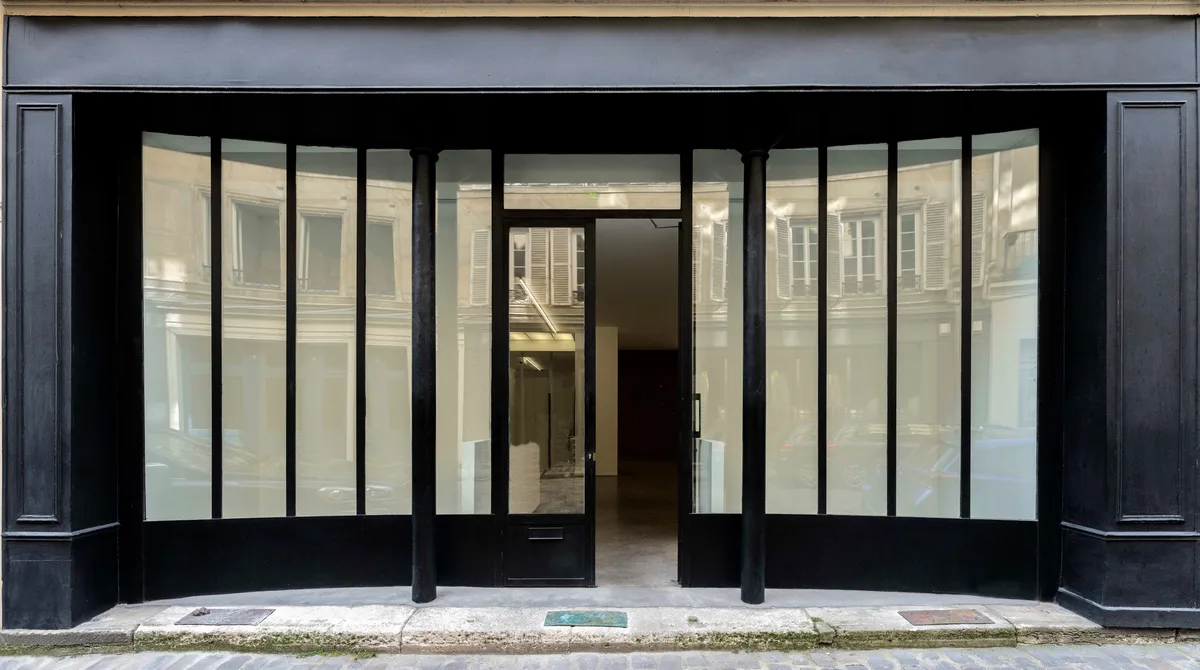
Le Marais's street culture means that window displays are scrutinised by passersby who are themselves often fashion-aware, culturally engaged, and active on social media. A well-designed display window on Rue des Francs-Bourgeois or Rue des Rosiers is effectively a public billboard in one of the world's most photographed urban neighbourhoods. Investing in professional window display design and installation pays returns that extend into organic social media content generated by visitors and passersby who photograph and share striking or unusual displays. Modern spotlights, considered product placement, and a clear brand story told through the window are all essential components of a high-performing Le Marais retail presence.
Influencer Marketing and Social Media
Le Marais is one of the most active influencer zones in Paris. Fashion, lifestyle, food, and travel influencers visit the neighbourhood regularly and are receptive to exclusive invitations to well-designed brand activations. For brands seeking to amplify their pop-up store through influencer content, the most effective approach combines a targeted private preview event for key influencers with a wider public opening, creating a layered content cycle that generates initial high-quality editorial posts followed by ongoing organic coverage from general visitors. Social media campaigns tied to specific local events, cultural moments, or neighbourhood-specific themes consistently outperform generic launch content because they connect the brand to an authentic sense of place that resonates with Le Marais's established cultural identity.
Press and Media Coverage
Paris-based fashion and lifestyle press are active in Le Marais throughout the year and particularly concentrated during Fashion Week. A Le Marais pop-up activation provides journalists and editors with a physical space to visit, photograph, and write about, which significantly increases the likelihood of organic press coverage compared to a purely digital or showroom-based brand moment. Press releases, media kits, and specific press preview appointments all contribute to coverage generation. Brands that have previously activated in Le Marais have attracted attention from both specialist fashion media and broader lifestyle publications, amplifying brand recognition well beyond the immediate Parisian audience.
Collaborations and Cultural Partnerships
One of the most effective brand activation strategies specific to Le Marais is the cultural collaboration. Partnering with a local gallery, inviting a Parisian designer or artist to participate in your activation, or aligning with a neighbourhood food or hospitality brand creates a richer experience and taps into existing audiences and community networks. Brands like the fictional but illustrative cases of matcha brands collaborating with local ceramicists, jewellery labels co-activating with emerging photographers, and fashion houses hosting evening events tied to gallery openings all reflect a pattern of partnership that is both commercially effective and culturally appropriate for Le Marais's identity.
For brands exploring co-activation with another label or creative partner, the twin co-activation concept from Fashion Week Venues provides a structured framework for sharing a space between two complementary brands, reducing individual cost while expanding the combined audience and narrative appeal of the activation.
DID YOU KNOW: Pop-up activations that incorporate influencer preview events and coordinated social media campaigns typically generate significantly higher post-event brand search volumes than activations relying on organic foot traffic alone. The halo effect of a well-executed Le Marais pop-up extends into digital brand recognition for weeks after the physical activation has closed.
KEY TAKEAWAY: The marketing value of a Le Marais pop-up store is substantially larger than its physical retail footprint suggests. Strategic investment in window display design, influencer engagement, press coverage, and cultural collaboration transforms a short-term retail space into a multi-channel brand moment that generates lasting recognition and commercial momentum.
Understanding how to amplify marketing value is essential, but brands also need to understand how to measure the actual return on their investment and what metrics matter most for a Le Marais pop-up activation.
Budget, ROI, and Measuring the Commercial Impact of Your Le Marais Pop-Up
Quick answer: Budget and ROI for a Le Marais pop-up store depend on space size, rental duration, fit-out complexity, staffing model, and marketing investment. Brands should approach budgeting with a clear framework that accounts for all cost categories and defines success metrics before the activation begins, not after.
One of the most common planning errors made by brands entering the Le Marais pop-up market for the first time is treating the space rental cost as the primary budget variable while underestimating fit-out, staffing, marketing, logistics, and operational costs. In reality, the space rental typically represents only a portion of the total activation investment, and a comprehensive budget framework must account for every category of expenditure to produce a reliable financial plan.
Cost Categories to Budget For
The primary cost categories for a Le Marais pop-up activation include: space rental (which varies significantly by location, size, and duration and should be estimated using a reliable tool rather than broad guesswork), fit-out and production (covering construction, painting, lighting, signage, and any structural modifications permitted by the lease), furniture and fixture rental (modular furniture rental is often more cost-effective than purchase for short activations), retail staffing (accounting for French employment law requirements and any agency fees), POS and payment infrastructure, visual merchandising and window display design and installation, marketing and influencer engagement, press and PR, logistics (including delivery, setup, and breakdown), and insurance.
For directional budget estimation specific to your space size, duration, and concept complexity, the Fashion Week Venues budget calculator provides a structured starting point. Do not treat any published range as a fixed guarantee; actual costs depend on specific space negotiations, market conditions at the time of booking, and the scope of your activation concept.
Defining and Measuring ROI
Return on investment for a pop-up store in Le Marais is multidimensional. Direct retail revenue is the most immediately measurable metric, but it rarely tells the complete story of a successful activation. Brands should also track foot traffic volume and conversion rates, earned media value (the equivalent advertising cost of press coverage generated), social media reach and engagement generated by the activation, new customer acquisition costs compared to digital acquisition benchmarks, influencer content reach and sentiment, and direct commercial enquiries or wholesale leads generated during the activation period. For showroom-format activations during Paris Fashion Week, the value of buyer appointments and resulting wholesale orders should be the primary commercial metric.
The ROI calculator tool on Fashion Week Venues helps brands build a multi-metric return framework before their activation begins, ensuring that success is defined against measurable targets rather than retrospective impressions.
Short-Term Rental Flexibility and Value
One of the structural advantages of the pop-up retail model in Le Marais is the flexibility of short-term rental arrangements. Brands can activate for as little as three to five days around a specific event, extend to a week or two for a targeted seasonal launch, or commit to a multi-month presence if the commercial case justifies it. This flexibility allows brands to calibrate their investment precisely against their objectives and budget constraints, and to test the market before committing to longer-term commercial positions in Paris. Emerging brands and independent designers benefit particularly from this flexibility, as it makes Le Marais accessible without requiring the capital commitment of a permanent retail lease.
KEY TAKEAWAY: Effective budgeting for a Le Marais pop-up requires accounting for all cost categories, not just space rental. ROI measurement should be defined before the activation begins and should capture both direct commercial and indirect brand-building returns. Use structured tools and professional guidance to build a financially disciplined activation plan.
Budget and ROI clarity makes the decision to activate in Le Marais significantly more manageable. The final practical consideration for brand teams is understanding how Fashion Week Venues specifically supports the planning and execution of pop-up activations in Paris and what that means in practice.
How Fashion Week Venues Supports Pop-Up Store Activations in Le Marais
Quick answer: Fashion Week Venues is a full-service pop-up shop agency and space marketplace with Paris as its anchor market. It provides brand teams with venue sourcing, concept direction, production, activation management, staffing, POS, data analytics, influencer marketing, and a suite of planning tools designed specifically for fashion and lifestyle brands activating in major fashion capitals.
Fashion Week Venues operates at the intersection of space marketplace and full-service agency, which means brands can engage with it at whatever level of support their team and budget require. Some brand teams have the internal capability to manage concept direction, production, and marketing independently and need primarily a reliable, well-connected venue sourcing partner with genuine access to quality Le Marais spaces. Others are entering Paris for the first time and need end-to-end support across every phase of the activation. Fashion Week Venues is structured to serve both profiles.
Fashion Week Venues is not a passive listing platform. It brings specialist knowledge of the Paris retail market, established relationships with landlords and space managers across Le Marais and other Parisian neighbourhoods, and operational experience across multiple Fashion Week windows and seasonal activation cycles. This depth of market knowledge is particularly valuable for international brands who may be highly competent in their home markets but unfamiliar with the specific nuances of Parisian lease structures, permit requirements, neighbourhood micro-markets, and the logistics of operating a retail space in France as a foreign entity.
Fashion Week Venues also provides brands entering Paris for the first time with a clear process and a transparent view of how an activation is structured from initial brief to post-activation analysis. The agency process page outlines the workflow in detail, giving brand teams a clear expectation of what each phase involves and what decisions they will need to make at each stage.
Services Available Through Fashion Week Venues
The full service offering from Fashion Week Venues covers venue sourcing, concept direction, production and build, activation management, branded store design, furniture rental, retail staffing, POS and payments, data and analytics, and influencer marketing. Brand teams can engage individual services where they need targeted support or commission the full end-to-end service where they prefer a managed activation. The complete services overview provides detailed descriptions of each service and the brand profiles they are most suited to.
For brands considering a twin or co-activation with a complementary brand partner, Fashion Week Venues offers a structured co-activation framework that manages the additional complexity of a shared space. For brands wanting to visualise a space before committing to a rental agreement, the imagine tool allows teams to explore spatial concepts and configurations digitally before making physical commitments.
Planning Tools for Brand Teams
Fashion Week Venues provides a range of planning tools that help brand teams make better-informed decisions at every stage of the activation process. The budget calculator helps teams build realistic cost frameworks. The ROI calculator supports multi-metric return planning. The compare tool allows side-by-side evaluation of shortlisted spaces. The timeline tool maps activation phases against calendar windows. The permits tool provides a structured framework for understanding compliance requirements. The locator tool helps teams identify spaces by neighbourhood, size, and format. These tools are designed to reduce the information asymmetry that typically disadvantages brands new to the Paris market.
IMPORTANT: Fashion Week Venues does not guarantee the availability of specific spaces, the approval of permits, or specific commercial outcomes from any activation. All planning tools and service descriptions represent best-effort guidance based on current market knowledge, and brands should conduct their own due diligence and seek specialist legal and financial advice where appropriate.
KEY TAKEAWAY: Fashion Week Venues offers brand teams a structured, specialist pathway into Le Marais pop-up retail. Whether you need a single service or full end-to-end management, the agency's combination of market knowledge, space access, operational experience, and planning tools significantly reduces the risk and complexity of a Paris activation. Review past activations and case studies to understand the types of brands and projects Fashion Week Venues has supported.
Common Myths About Pop-Up Stores in Le Marais Debunked
MYTH: International brands need a French legal entity before they can rent a pop-up space in Le Marais.
FACT: While some landlords and institutional space managers do require a locally incorporated entity or French guarantor, many short-term lease arrangements and bail dérogatoire agreements can be entered into by foreign companies under specific conditions. Requirements vary significantly by space type, landlord preference, and duration. Professional guidance from a French legal advisor is essential to understanding your specific situation before assuming either that you qualify or that you are excluded.
MYTH: Paris Fashion Week is the only commercially viable calendar window for a Le Marais pop-up store.
FACT: Paris Fashion Week creates the highest-intensity window for press and buyer-focused activations, but Le Marais sustains strong commercial performance across multiple peaks throughout the year. Art fair season, the Christmas gifting period, spring and summer tourist peaks, and Paris Fashion Week Men's all represent commercially viable windows for different brand profiles. Brands should match their activation timing to their specific audience and commercial objectives rather than defaulting to Fashion Week as the only option.
MYTH: Commission brokers or informal networks are the only way to access good pop-up spaces in Le Marais.
FACT: While informal broker networks do exist and do have landlord relationships, they typically provide limited transparency on pricing, lease terms, and space quality. Structured space marketplaces and full-service agencies like Fashion Week Venues provide access to curated space listings with clear terms, specialist support on lease negotiation, and end-to-end operational capability that informal brokers cannot match. Transparency, accountability, and operational depth are the key differentiators.
MYTH: Short-term commercial leases in France are legally straightforward and brands can handle them without specialist help.
FACT: French commercial property law is complex and contains specific provisions, particularly around the bail dérogatoire and AOT structures, that differ significantly from UK, US, and other European lease conventions. Errors in lease structure can result in unintended legal obligations, loss of deposit, or compliance failures. Professional legal advice is strongly recommended for any brand signing a commercial space agreement in France, regardless of the apparent simplicity of the arrangement.
MYTH: Only luxury and premium brands can succeed with a pop-up store in Le Marais.
FACT: While Le Marais does carry a premium brand association, the neighbourhood's diverse visitor base and the genuine variety of available space formats and price points make it accessible and commercially viable for emerging designers, independent brands, and lifestyle labels across a wide range of positioning. The key is matching your brand's price point, product category, and activation concept to the right street, space, and calendar window within the district.
Frequently Asked Questions
What makes Le Marais attractive for retail brands looking for a pop-up store location?
Le Marais combines high daily foot traffic from a genuinely international audience, a culturally sophisticated local consumer base, strong press and influencer activity, and a wide variety of available short-term retail spaces. The neighbourhood's combination of world-class museums, historic architecture, vibrant gastronomy, and established fashion boutiques creates an environment in which retail activations feel contextually appropriate and where consumers are actively in a discovery mindset. The district's layered identity, spanning luxury, vintage, contemporary fashion, and art, allows brands across a wide range of positioning to find a credible and commercially productive home.
Are there different types of pop-up spaces available in Le Marais?
Yes. Le Marais offers a genuine spectrum of short-term retail space formats. These include small boutique units of 30 to 80 square metres on primary commercial streets, art gallery spaces with white wall and polished floor environments, dedicated fashion showroom formats suited to wholesale and press presentations, larger industrial lofts and event spaces for experiential retail activations, and converted courtyards or passages suited to multi-brand formats. The right space type depends on your brand's objectives, product category, target audience, and budget. Comparing available options using a space discovery tool is an effective way to shortlist realistic options.
Is Le Marais popular with global and international brands?
Yes. Major fashion houses, international lifestyle brands, premium beauty labels, and globally recognised consumer brands have consistently chosen Le Marais as a location for their Paris pop-up store launches and seasonal activations. The neighbourhood's combination of cultural prestige, international foot traffic, and media visibility makes it a natural choice for brands that want their Paris presence to generate both direct commercial returns and broader brand recognition. The concentration of fashion industry professionals, press, and influencers in Le Marais during key calendar windows amplifies the reach of activations beyond their physical footprint.
Can small and emerging brands benefit from a pop-up store in Le Marais?
Absolutely. The flexible rental model available in Le Marais means that small and emerging brands can activate for relatively short periods, including as little as three to five days, with a space size and investment level calibrated to their budget. The neighbourhood's appeal to a diverse consumer base, including visitors actively seeking independent and emerging labels, means that emerging designers can generate meaningful commercial results and brand exposure without competing on the same scale as established luxury houses. The key is selecting the right street, space format, and calendar window for your specific brand profile and audience.
How do I find the right pop-up retail space in Le Marais?
The most effective approach combines structured marketplace search with specialist sourcing support. Publicly accessible listing platforms provide a starting point, but the best Le Marais spaces are often not publicly listed and require established landlord relationships to access. Working with a specialist venue sourcing agency that has existing connections within the Le Marais market significantly increases both the quality of space options available and the efficiency of the sourcing process. Defining your brief precisely before beginning your search, including your required size, preferred streets, must-have features, and target calendar window, is essential for an efficient and well-matched outcome.
How much does it cost to rent a pop-up store space in Le Marais?
Rental costs in Le Marais vary significantly based on space size, specific street, duration, and prevailing market conditions. Spaces on primary commercial streets such as Rue des Francs-Bourgeois command premium rates, particularly during Fashion Week windows, while spaces on secondary streets or in less central parts of the district may be considerably more accessible. The space rental cost is also only one component of the total activation budget, which must account for fit-out, staffing, marketing, logistics, and insurance. Use a structured budget calculator to build a realistic cost framework rather than relying on broad published estimates.
What is a bail dérogatoire and how does it apply to pop-up retail in Paris?
A bail dérogatoire is a short-term commercial lease structure under French law that allows a landlord and tenant to agree on a commercial rental outside the standard protections and obligations of the French Commercial Code. It can be used for agreements of up to three years in total, making it the standard instrument for pop-up activations of days, weeks, or several months. It does not automatically confer renewal rights or the same protections as a standard commercial lease, and brands should not assume any right to extend occupancy without a new agreement. Professional legal advice is strongly recommended before signing any bail dérogatoire in France.
When is foot traffic highest in Le Marais for retail purposes?
Le Marais experiences foot traffic peaks during Paris Fashion Week, both womenswear and menswear editions, during major art fair periods including October and November, during the Christmas and end-of-year gifting season, and during the spring and summer tourist peak from April through August. Weekends generate higher foot traffic than weekdays throughout the year. However, Le Marais sustains commercially meaningful foot traffic year-round, making it viable for retail activations across multiple calendar windows rather than being exclusively dependent on Fashion Week for commercial performance.
Do I need a French legal entity to rent a pop-up space in Le Marais as an international brand?
Not necessarily, but requirements vary significantly by space type, landlord preference, and the specific structure of the lease agreement. Some landlords require a locally incorporated French entity or a French guarantor; others are willing to work with foreign companies under specific conditions. The autorisation d'occupation temporaire applicable to certain public or institutional spaces has its own eligibility framework. Brands should seek qualified French legal advice to understand their specific situation before committing to any commercial space agreement, and should not assume either automatic eligibility or automatic exclusion as a foreign entity.
How does a pop-up store in Le Marais improve brand recognition?
A well-executed pop-up store in Le Marais generates brand recognition through multiple simultaneous channels: organic foot traffic from the neighbourhood's established visitor base, earned media from press and journalists active in the district, influencer content created during and after private preview events, social media content generated by visitors photographing and sharing the space and its window displays, and the halo effect of brand association with one of Paris's most culturally prestigious neighbourhoods. This multi-channel brand exposure effect consistently extends brand recognition well beyond the immediate audience reached during the physical activation period.
What role do display windows play in a Le Marais pop-up store?
Display windows in Le Marais function as high-visibility brand statements in one of the world's most photographed urban environments. Street-level windows on primary commercial streets are regularly photographed by fashion-aware passersby and shared on social media, generating organic content that extends the reach of the activation beyond its physical audience. Investing in professional window display design and installation, including considered product placement, strong lighting, and a clear brand story communicated through the window, is one of the highest-return elements of a Le Marais pop-up activation budget. Distinctive or unexpected window treatments consistently generate press and social attention without additional media spend.
How should brands measure ROI from a Le Marais pop-up store?
ROI measurement for a Le Marais pop-up should be multidimensional. Key metrics include direct retail revenue and average transaction value, foot traffic volume and conversion rates, earned media value from press coverage generated, social media reach and engagement from influencer and organic content, new customer acquisition costs compared to digital benchmarks, brand search volume changes in the period following the activation, and for showroom formats, the commercial value of buyer appointments and resulting wholesale orders. Defining these metrics and establishing baseline targets before the activation begins is essential for an accurate and honest post-activation assessment.
What streets in Le Marais are best for different types of pop-up retail?
Rue des Francs-Bourgeois is the strongest option for brands prioritising visibility, daily footfall, and broad consumer reach. Rue des Rosiers suits lifestyle, independent fashion, and culturally positioned brands seeking a more intimate and neighbourhood-embedded atmosphere. Rue de Bretagne and the areas surrounding the Marché des Enfants-Rouges suit food-adjacent, lifestyle, and independent design brands that benefit from the extended dwell time generated by the gastronomy scene. Rue de Turenne and the Espace Turenne area offer larger space options with slightly lower rental pressure, suited to showroom formats and larger experiential activations. The streets around Place des Vosges carry particular prestige and suit luxury and premium lifestyle brands.
How far in advance should brands book a pop-up space in Le Marais?
For Fashion Week window activations, a minimum of three to four months in advance is strongly recommended, with the most sought-after spaces on primary streets sometimes reserved six months or more ahead by returning brands. For non-Fashion Week seasonal activations, a lead time of two to three months is generally sufficient for most space formats, though prime locations can fill quickly during the Christmas and summer peak periods. Beginning the search early also provides more time for lease negotiation, legal review, concept development, production, and marketing planning, all of which contribute to a higher-quality activation outcome.
Can brands activate in Le Marais and other cities simultaneously?
Yes. Brands with multi-market activation strategies can coordinate pop-up stores across Paris and other major fashion capitals within the same campaign window. This approach is particularly effective for brands targeting international press and influencer coverage during global fashion calendar events. Managing simultaneous activations in multiple cities requires specialist operational capability and strong coordination between local teams in each market. Fashion Week Venues operates city hubs across Paris, London, Milan, New York, Tokyo, and Dubai, providing coordinated support for multi-market activation strategies from a single agency relationship.
Conclusion: Making Your Pop-Up Store in Le Marais Work
A pop up store Le Marais activation represents one of the most commercially and creatively valuable opportunities available to fashion and lifestyle brands in the European retail landscape. The neighbourhood's combination of cultural prestige, international foot traffic, architectural distinctiveness, media and influencer concentration, and genuine variety of short-term retail space formats makes it uniquely positioned to deliver both direct commercial returns and lasting brand recognition within a compressed timeframe.
Success in Le Marais is not accidental. It requires a well-formed brief, a space that genuinely matches your brand's objectives and audience profile, a legally sound rental agreement, a production and fit-out that communicates your brand story clearly, a staffing and operations model built for the French market, and a marketing strategy that extends the activation's reach through influencer engagement, press coverage, and social media. Brands that invest in these components consistently generate returns that justify and often significantly exceed the cost of the activation itself.
The most common errors are late-stage planning, underestimated budgets, mismatched space choices, and failure to engage professional support for the specific legal and operational complexities of the French market. Avoiding these errors is straightforward with the right guidance and tools in place before commitments are made.
Fashion Week Venues is structured to support brand teams at every stage of this process, from initial space discovery through to post-activation analysis, with specialist knowledge of the Paris market, established space access, and a full suite of planning tools. Whether you need a single service or full end-to-end management, the agency's depth of market experience and operational capability significantly reduces the risk and complexity of activating in Paris.
To move from research to activation, start exploring available spaces on the Fashion Week Venues marketplace and build a focused brief for your target neighbourhood, space type, and calendar window. Your Le Marais pop-up store is a real commercial and brand-building opportunity; approach it with the same rigour and ambition you bring to every other major brand decision.