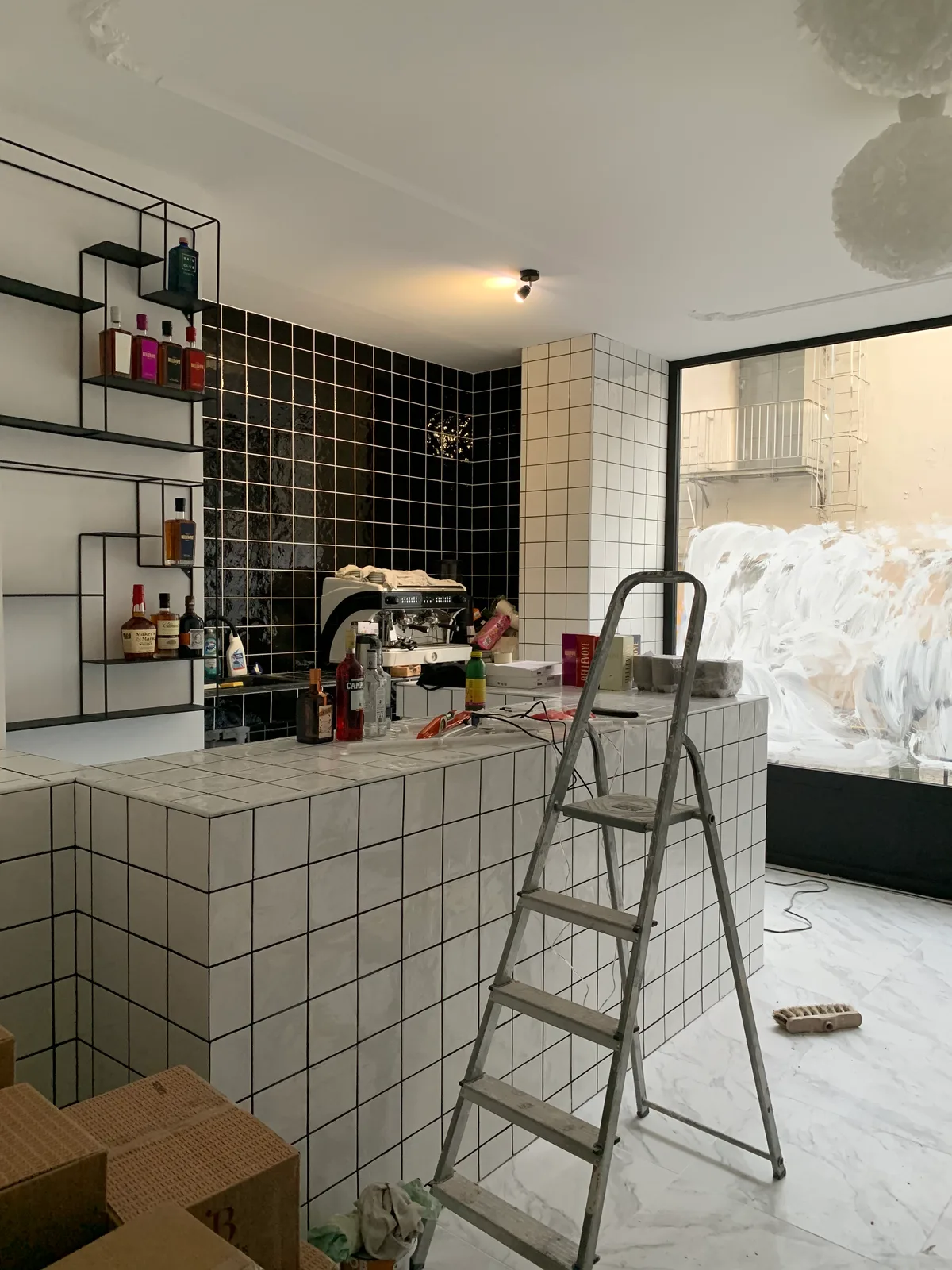
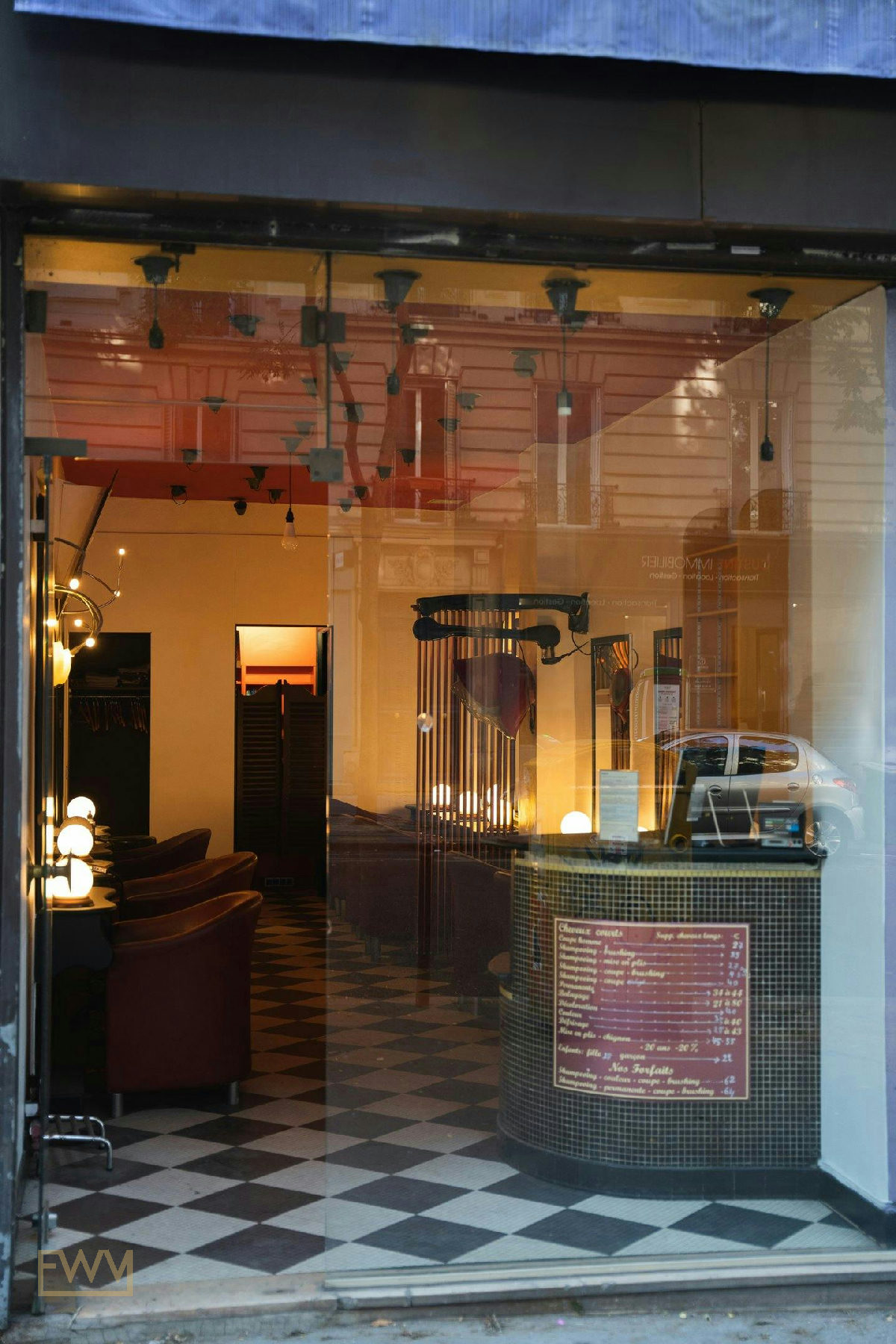
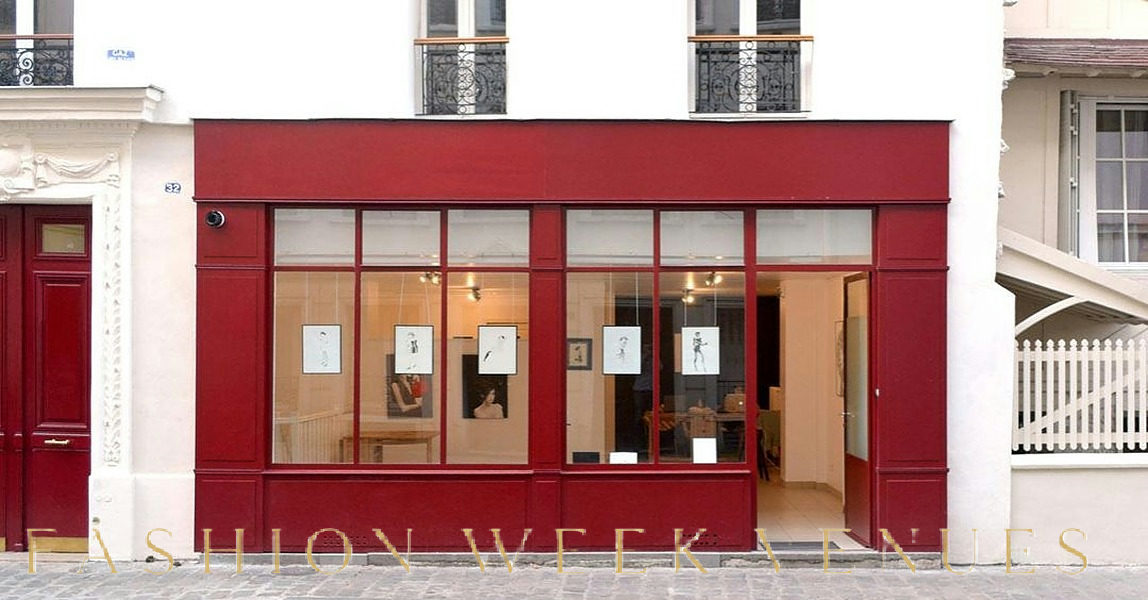
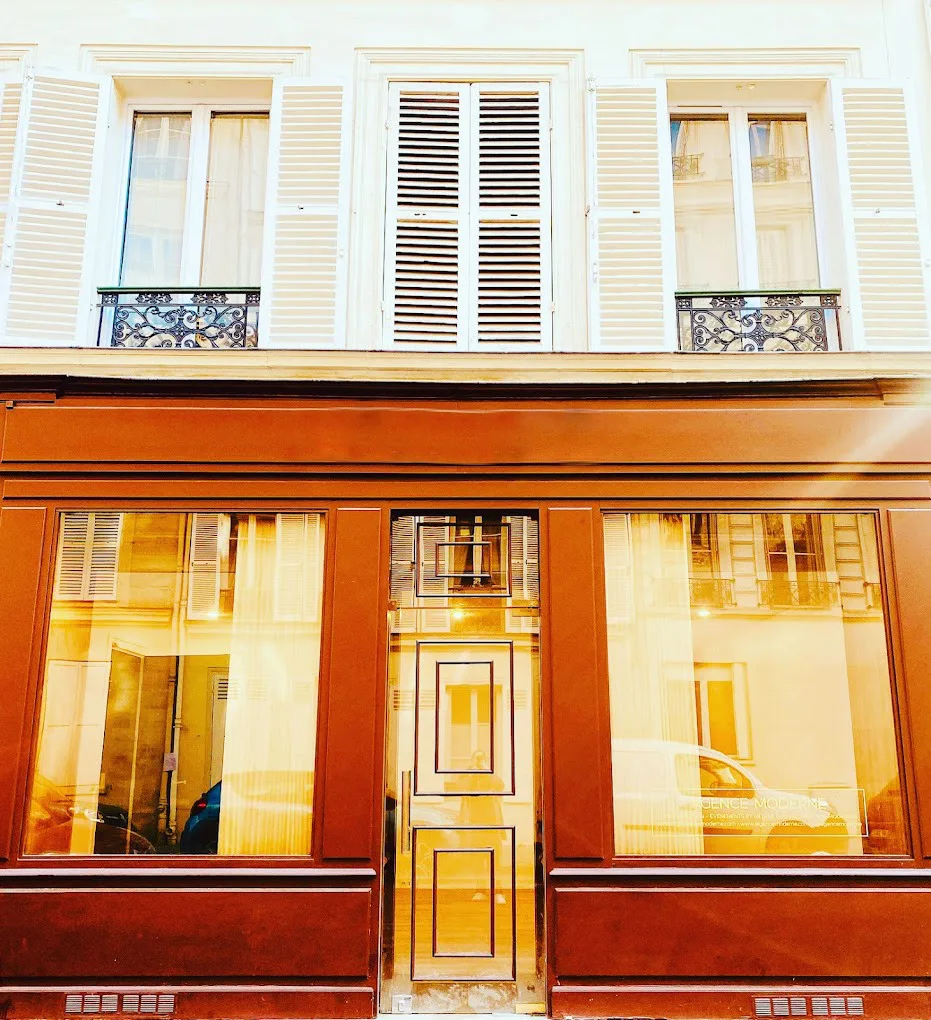
Short term retail in Montmartre offers fashion brands, independent designers, and international labels one of the most distinctive and high-impact activation opportunities in Paris. This storied 18th arrondissement neighbourhood, known for its winding cobblestone streets, the white dome of Sacré-Coeur, and a cultural identity stretching back centuries, draws millions of visitors annually while retaining a fiercely local character that brands increasingly want to associate with. Whether you are planning a pop-up store, a fashion showroom for Paris Fashion Week, a product launch, or a private exhibition, Montmartre's blend of art, history, and foot traffic makes it a serious commercial proposition. Fashion Week Venues helps brands identify, evaluate, and activate the right spaces across Montmartre and the wider Paris market, from initial venue sourcing through to production, staffing, and analytics.
Why Montmartre Is a Serious Location for Short Term Retail in Paris
Montmartre is not simply a tourist attraction. It is a functioning neighbourhood with a distinct commercial ecosystem, a loyal local clientele, and a creative reputation that translates directly into brand value. For brands considering short term retail in Paris, Montmartre competes credibly with Le Marais, Saint-Germain-des-Prés, and the Golden Triangle for a specific type of activation: one where heritage, storytelling, and cultural authenticity matter as much as raw footfall numbers.
The area around the Sacré-Coeur basilica and the Place du Tertre draws tourists, but the streets descending into lower Montmartre, including rue des Abbesses, rue Lepic, rue des Martyrs, and the edges of Pigalle toward rue Dancourt, serve a markedly different crowd. These are Parisian shoppers, creative professionals, and design-aware visitors who are specifically seeking boutique retail experiences rather than mainstream commercial offers. The resident community is educated, fashion-aware, and increasingly well-resourced, with spending patterns that favour independent labels and curated concepts over mass-market alternatives.
From a brand positioning perspective, an activation in Montmartre signals authenticity, cultural fluency, and confidence. The neighbourhood's long association with artists, Parisian history, and French aristocracy, combined with a contemporary wave of concept stores and independent boutiques such as Emmanuelle Zysman's jewellery boutique, gives international brands an immediate frame of cultural reference. Labels including Ba&sh and Sandro have operated in surrounding zones, and the wider north Paris creative corridor continues to attract designers seeking space outside the more commercially saturated Marais district and Saint-Honoré circuits.
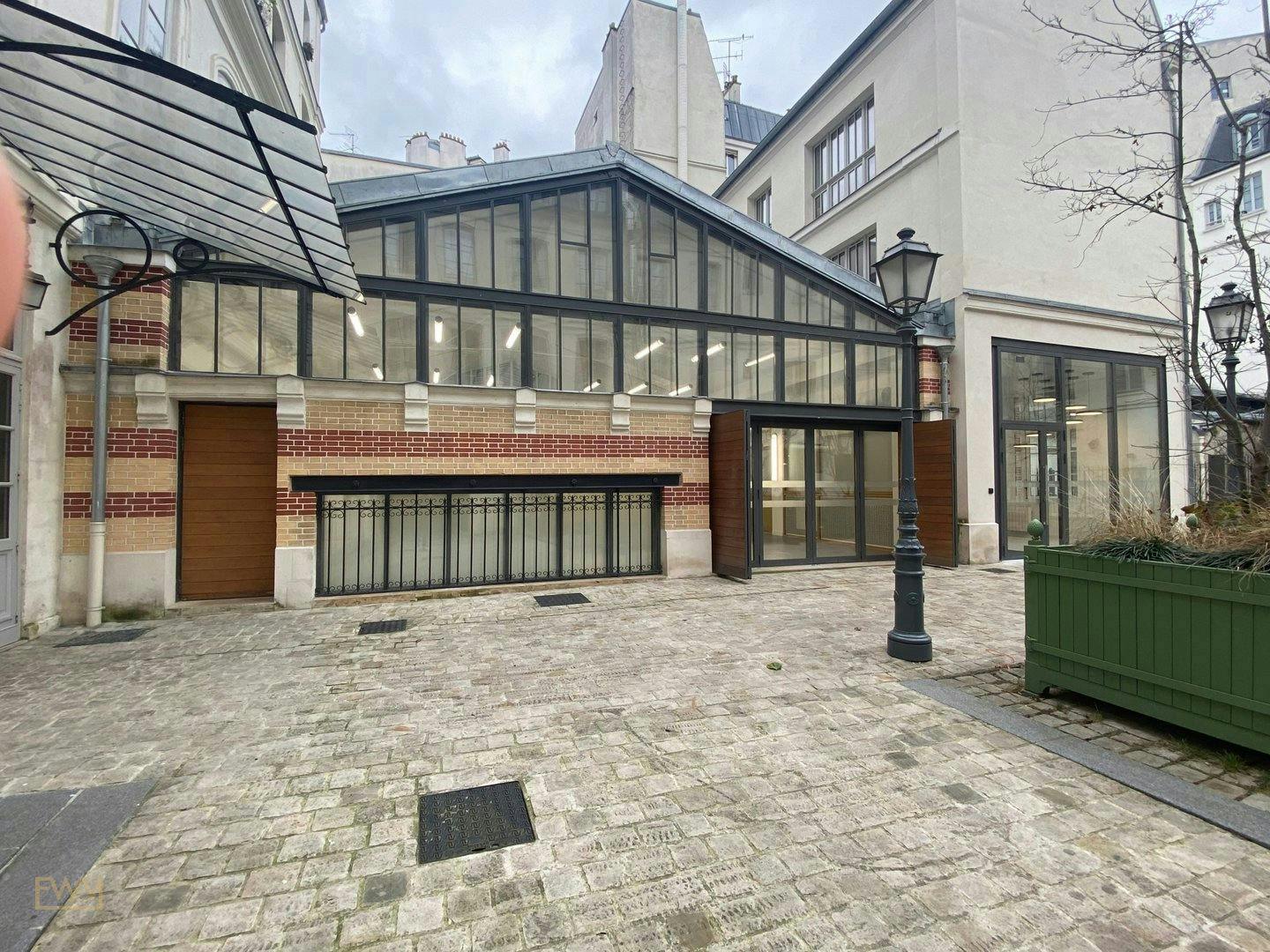
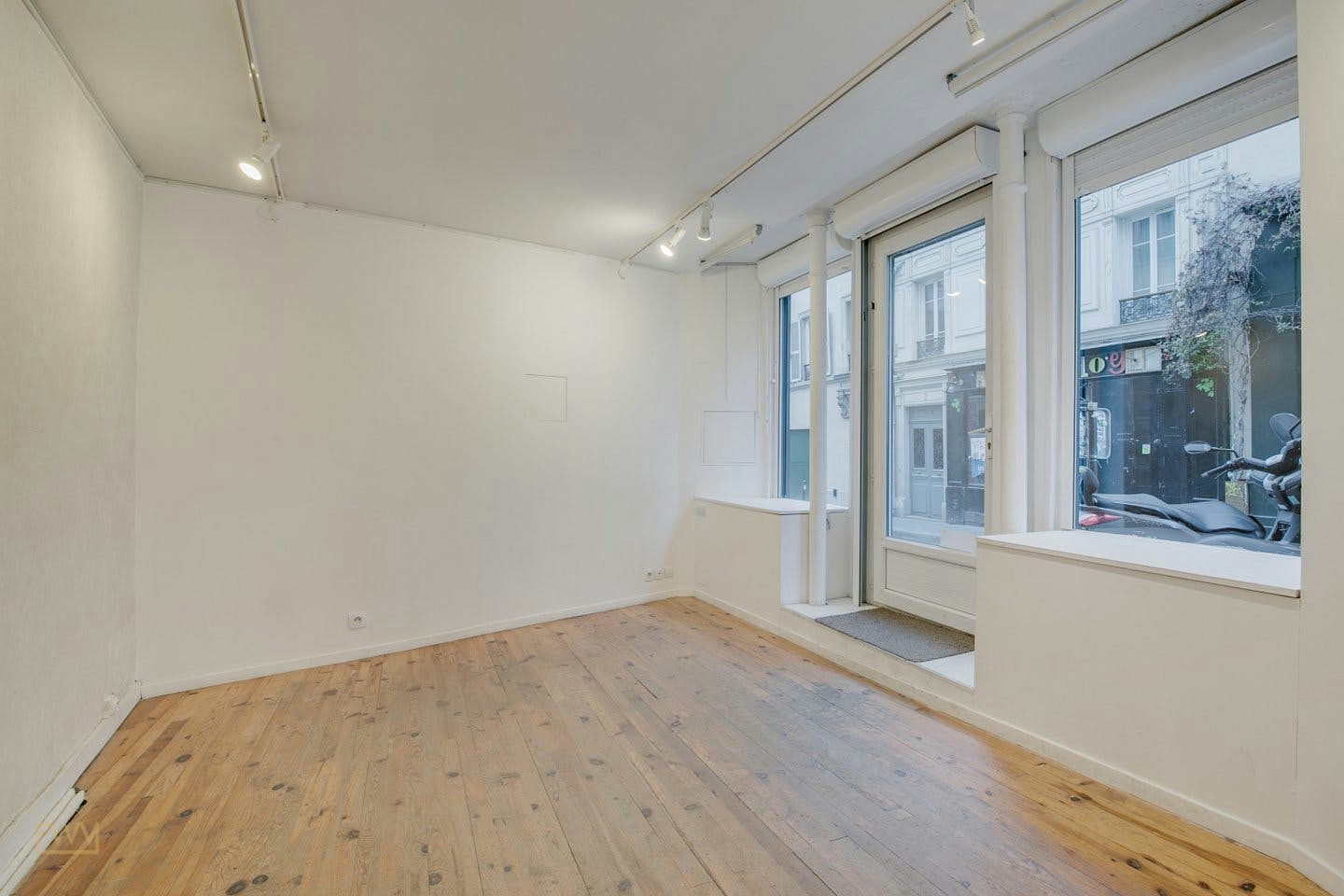
The physical environment also rewards brands that invest in considered design. Montmartre spaces often feature original architectural elements: aged stone walls, wide-plank wooden floors, large windows overlooking narrow streets, and ceiling heights that support strong visual merchandising. A polished concrete floor, raw industrial loft, or galerie boutique configuration can be transformed into a compelling retail concept with relatively modest build investment when the shell itself is this expressive. For brands planning activations during Paris Fashion Week, FIAC, or Paris Design Week, the neighbourhood's creative context amplifies the editorial value of the activation significantly.
DID YOU KNOW: Montmartre sits at approximately 130 metres above sea level, making it the highest point in Paris. This elevation, combined with its historic village character, contributes to a sense of destination that draws visitors specifically rather than capturing passing trade, which actually improves dwell time and purchase intent for brands with a strong concept.
KEY TAKEAWAY: Montmartre offers short term retail brands a combination of cultural authority, architectural character, and a high-intent visiting audience that is difficult to replicate in more commercially standardised Paris retail corridors. The neighbourhood rewards concept-led activations more than volume-driven ones.
Understanding how Montmartre compares to other Paris neighbourhoods requires a clear view of the wider city retail landscape, which the next section covers in depth.
Paris Retail Neighbourhoods Compared: Where Montmartre Fits in the City's Commercial Map
Paris is structured around a system of 20 arrondissements, and each major retail neighbourhood within those arrondissements serves a different commercial purpose, attracts a different clientele, and commands different rental rates. For any brand planning short term retail in Paris, understanding this geography is fundamental to making the right location decision.
Le Marais and the Haut Marais (3rd and 4th Arrondissement)
Le Marais remains the most active neighbourhood for pop-up stores and short term retail in Paris. The Marais district combines historic architecture, including the Place des Vosges and proximity to the Musée Picasso, with a dense concentration of concept stores, art galleries, and independent boutiques. The Haut Marais, the northern section of the Marais, has evolved into a particularly sought-after zone for brand activations, with the Carreau du Temple providing a major landmark event and market space. Rental rates in the Marais are typically higher than Montmartre, and competition for quality short-term spaces during Fashion Week periods is intense. However, foot traffic volumes are substantially higher and the clientele skews younger and more fashion-forward.
Saint-Germain-des-Prés (6th Arrondissement)
Saint-Germain-des-Prés carries significant cultural prestige and attracts a mature, affluent clientele. The neighbourhood's association with French intellectual and artistic life, combined with proximity to luxury retail and established fashion houses, makes it a natural home for higher-end brand activations, showrooms, and private presentations. Short term retail spaces here tend to be boutique in scale and premium in finish. Rental rates reflect the prestige of the postcode.
The Golden Triangle and Champs-Élysées (8th Arrondissement)
The Golden Triangle, defined by the Avenue des Champs-Elysées, Avenue Montaigne, and Avenue George V, represents the apex of Parisian luxury retail. The Champs-Élysées itself has evolved significantly over the past decade, with major international brands and flagship department stores including Galeries Lafayette and Printemps anchoring substantial footfall. The Rue de Rivoli and Place Vendôme corridors extend this luxury geography. Short term retail in this zone is typically large-format, heavily produced, and targeted at brands with significant activation budgets. Saint-Honoré, running between Place Vendôme and the 8th, functions as a connecting corridor for luxury and contemporary fashion labels.
Montmartre and Pigalle (18th Arrondissement)
Montmartre offers lower entry rental rates than the Marais, Saint-Germain-des-Prés, or the Golden Triangle, while delivering a neighbourhood profile that supports premium brand storytelling. The Pigalle zone, which borders lower Montmartre and has undergone significant creative regeneration over the past decade, adds a street-culture and music-adjacent dimension that appeals to contemporary lifestyle and fashion brands. Rue Dancourt and the streets around it have seen notable independent retail activity. The combination of Montmartre's historic identity and Pigalle's contemporary energy creates a wide tonal range for brand activations.
| Neighbourhood | Arrondissement | Primary Clientele | Best For | Relative Rental Level |
|---|---|---|---|---|
| Montmartre | 18th | Tourists, creatives, locals | Concept stores, art, independent fashion | Moderate |
| Le Marais / Haut Marais | 3rd / 4th | Fashion-forward locals, tourists | Pop-up retail, showrooms, brand launches | Moderate to High |
| Saint-Germain-des-Prés | 6th | Affluent Parisians, international visitors | Luxury presentations, showrooms | High |
| Golden Triangle / Champs-Élysées | 8th | Luxury shoppers, international tourists | Flagship activations, large-format events | Very High |
| Pigalle | 9th / 18th border | Young creatives, music and culture crowd | Streetwear, lifestyle, music-adjacent brands | Moderate |
Quick answer: Montmartre sits in the moderate rental range within Paris and attracts tourists, local creatives, and fashion-aware Parisians. It is best suited to concept-led activations, independent fashion brands, jewellery, beauty, and art-adjacent retail. It offers lower entry costs than the Marais or Saint-Germain-des-Prés while delivering strong cultural credibility.
KEY TAKEAWAY: Each Paris neighbourhood serves a distinct commercial purpose. Montmartre's positioning as a culturally rich, moderately priced, high-credibility location makes it a strong choice for brands prioritising storytelling, editorial value, and authentic Parisian identity over pure volume.
Choosing the right neighbourhood is only part of the decision. The next section examines the different types of short term retail spaces available in and around Montmartre and what each configuration suits.
Types of Short Term Retail Spaces Available in Montmartre
Montmartre's physical environment is diverse, and the range of spaces available for short term retail reflects that diversity. Understanding the different space types helps brands match their concept, team size, and budget to the right configuration before approaching the market.
Boutique Storefronts and Galerie Boutiques
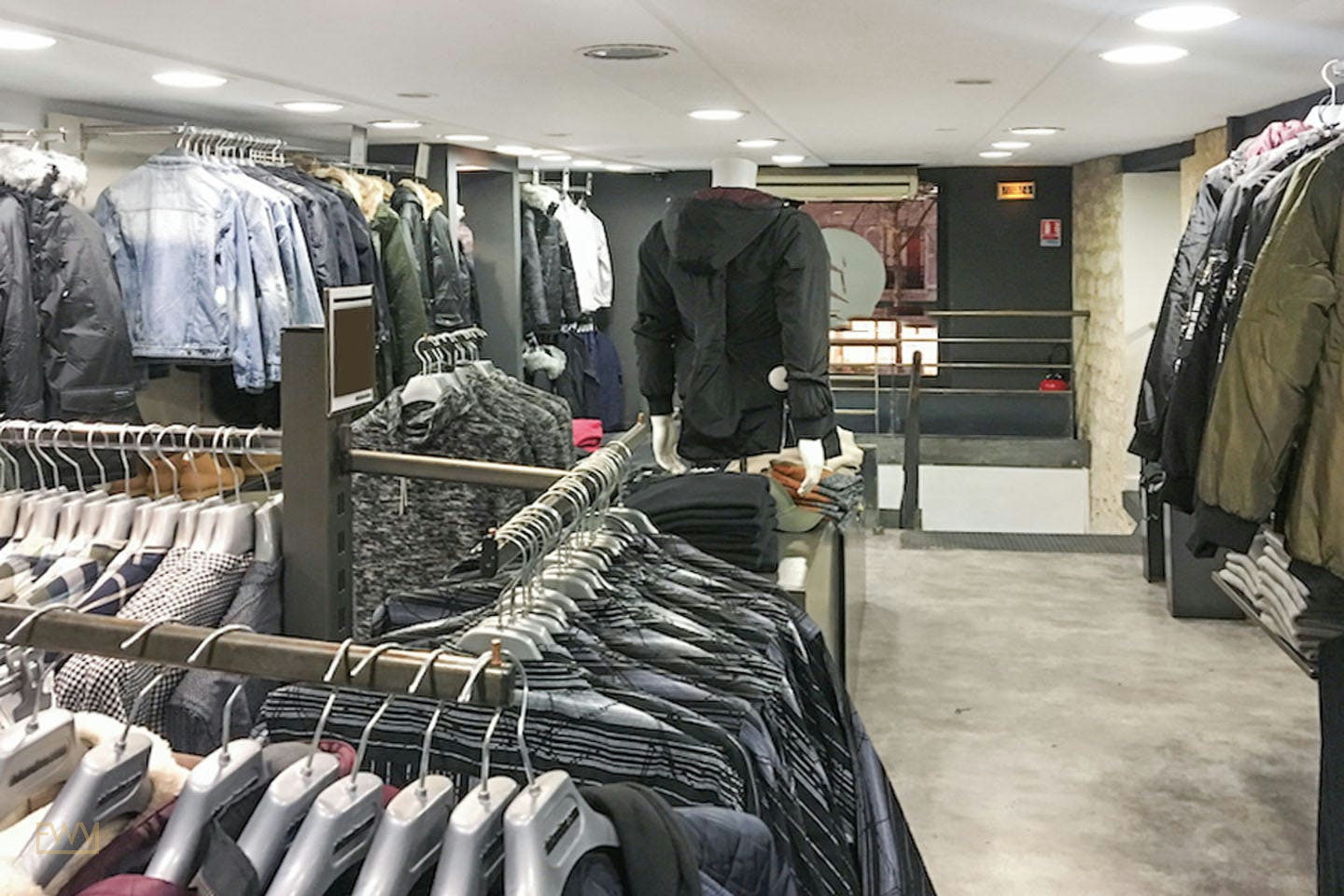
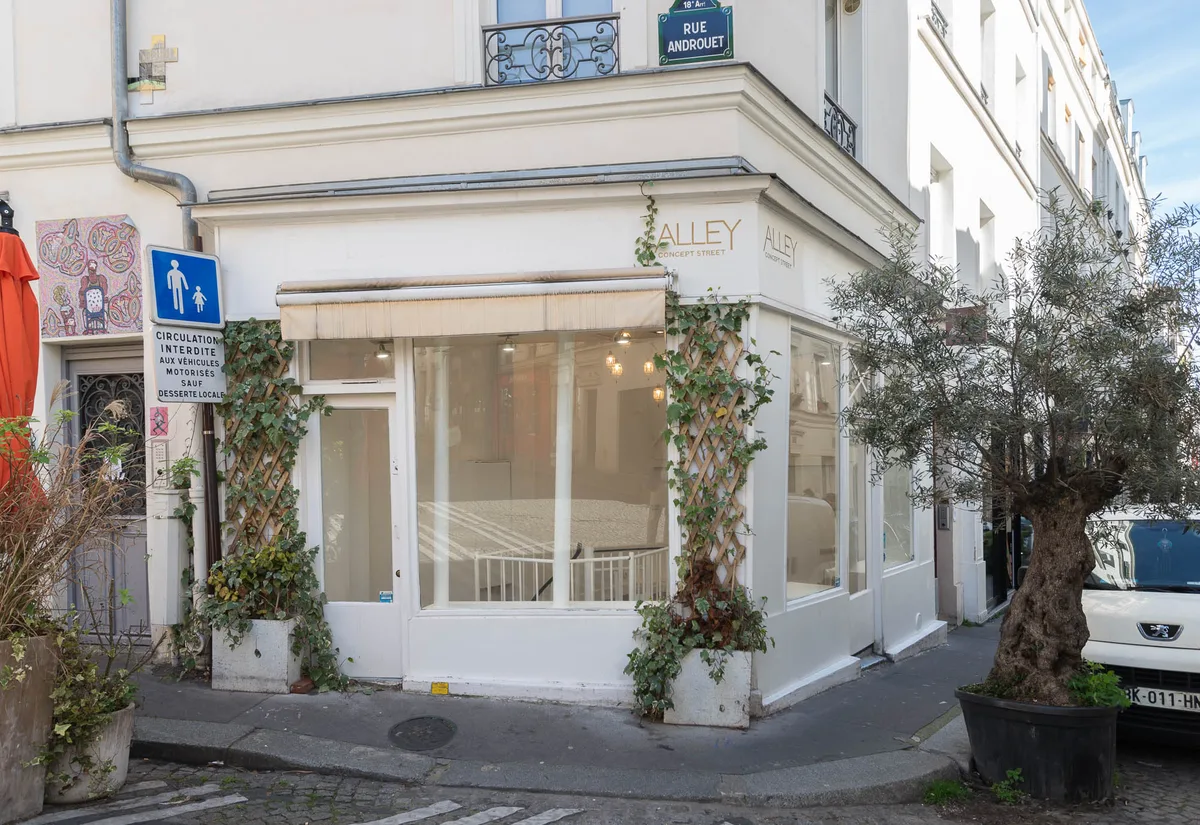
Boutique storefronts are the most common space type available for short term retail in Montmartre. These are typically ground-floor retail units with a shopfront window, a sales floor of between 20 and 80 square metres, and direct street access. Many retain original architectural features including stone walls, wooden floors, and period shopfront details. A galerie boutique configuration combines retail display with a gallery-style presentation format, which is particularly well-suited to jewellery brands, accessory labels, and designers who want to present their work in an edited, curated environment. Lighting quality varies significantly between spaces and should be assessed carefully during viewing, as spotlights and natural light levels are critical to visual merchandising quality in boutique-scale formats.
Loft and Studio Spaces
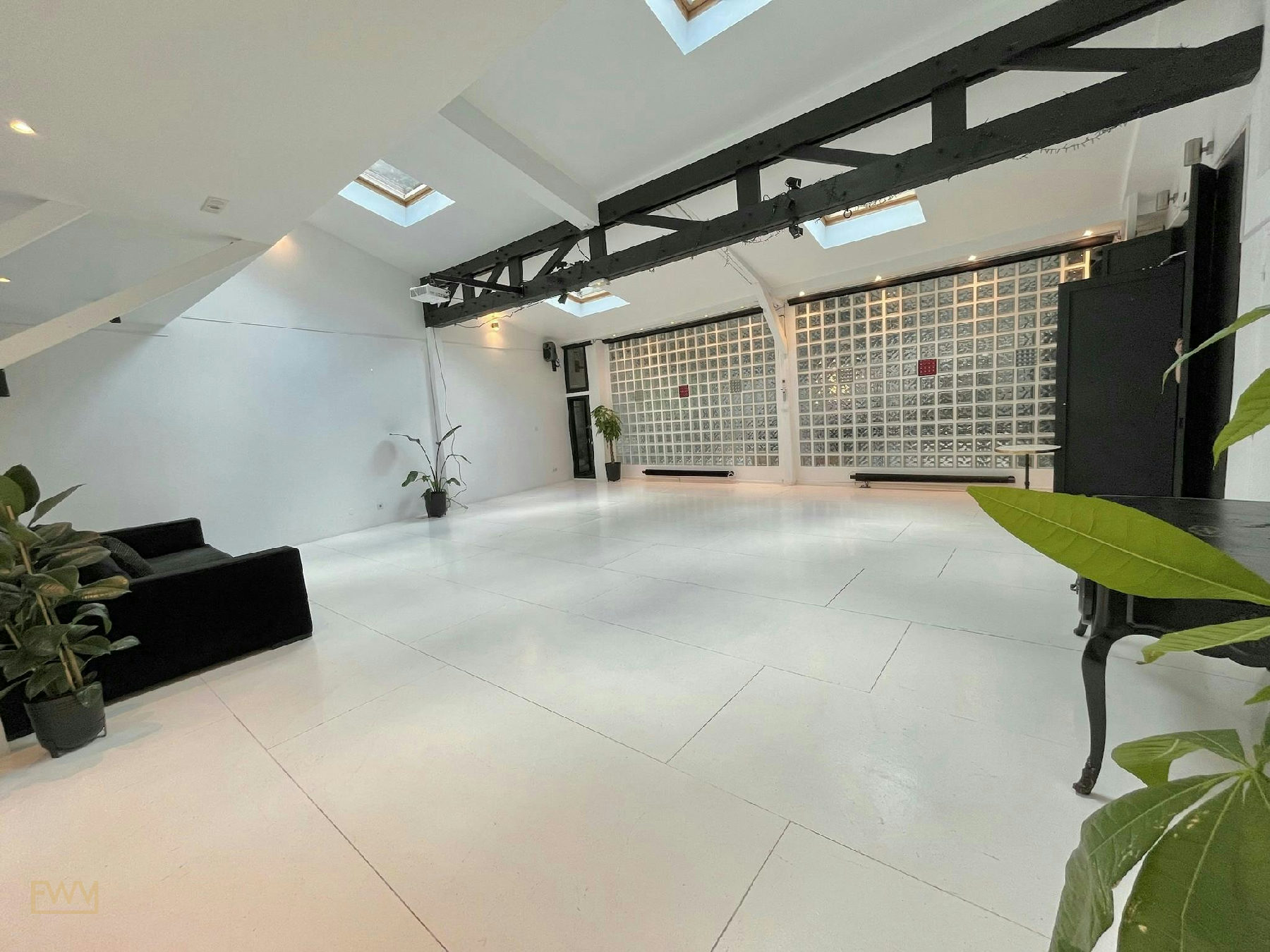
Loft and studio photo spaces represent a growing category of short term rental in Montmartre and surrounding streets toward Pigalle. These spaces typically feature higher ceilings, open floor plans, concrete or hardwood floors, and large window configurations. They are highly flexible and support a wide range of activation formats including pop-up retail, fashion showrooms, private exhibitions, press days, and waxed canvas or craft-focused brand experiences. A large door entrance or ground floor backyard configuration adds logistical value for brands shipping merchandise or requiring vehicle access for build and breakdown. For brands requiring a Fashion Showroom format during Paris Fashion Week, a loft or studio space provides the footprint and the visual neutrality needed to put collection presentation at the centre of the experience.
Apartments and Residential-Format Spaces
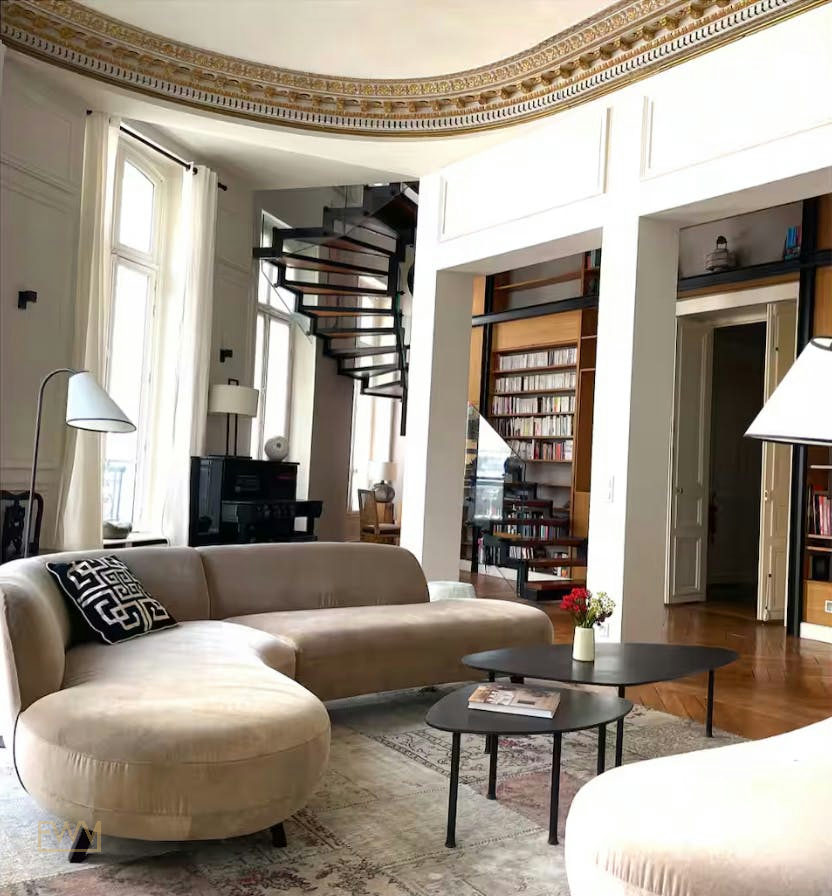
Paris has a strong tradition of using residential apartments as temporary retail and showroom spaces, and Montmartre's housing stock of historic Haussmann-era and pre-war apartments lends itself to this format particularly well. Apartment-format spaces create an intimate, domestic environment that works exceptionally well for beauty brands, independent jewellery designers, and fashion labels staging private sales, trunk shows, or invitation-only presentations. The domestic scale encourages dwell time and conversation, which typically improves conversion rates for higher-ticket items. However, apartment spaces require careful attention to permit requirements and building regulations, as the use of a residential space for commercial retail activity carries specific compliance obligations under French law.
Art Galleries
Montmartre has a long-established gallery culture, and several of the neighbourhood's art galleries rent their spaces for short term retail and brand events between exhibitions. These spaces typically feature gallery-quality lighting, polished or raw concrete floors, white walls, and professional hanging systems. For brands with a strong visual or product design identity, an art gallery setting elevates the perceived value of the activation immediately. Art gallery exhibits formats also work well for jewellery, ceramics, limited-edition fashion, and lifestyle brands that want to frame their product presentation in a cultural rather than purely commercial context.
| Space Type | Typical Size | Best Suited For | Key Considerations |
|---|---|---|---|
| Boutique Storefront | 20 to 80 sqm | Retail, accessories, jewellery, beauty | Lighting quality, window display potential |
| Galerie Boutique | 30 to 100 sqm | Curated fashion, art-adjacent retail | Display flexibility, floor material |
| Loft / Studio | 60 to 300 sqm | Showrooms, press days, launches | Ceiling height, door access, loading |
| Apartment Format | 40 to 150 sqm | Private sales, trunk shows, beauty | Permit compliance, building rules |
| Art Gallery | 50 to 200 sqm | Limited edition, product design, jewellery | Availability windows, existing programme |
Quick answer: The most common short term retail spaces in Montmartre include boutique storefronts, galerie boutique formats, loft and studio spaces, apartment-format showrooms, and art galleries. Each suits a different activation type, and the choice should be driven by brand concept, expected footfall, merchandise volume, and operational requirements.
KEY TAKEAWAY: Space type selection in Montmartre should precede neighbourhood selection in the planning process. The physical configuration of the space determines your visual merchandising options, logistical requirements, and the customer experience you can realistically deliver.
Once you have identified the right space type, understanding the logistics of renting that space on a short term basis in Paris is the critical next step.
How Short Term Retail Rental Works in Paris: Permits, Contracts, and Compliance
Renting a retail space in Paris on a short term basis involves a different legal and administrative framework than a standard commercial lease. Brands unfamiliar with French property law and local regulations often underestimate the complexity of this process, which can lead to delays, compliance failures, or unexpected costs if not handled correctly from the outset.
The Bail Dérogatoire: Short Term Commercial Leases in France
The primary short term commercial rental instrument in France is the bail dérogatoire, sometimes called a convention d'occupation précaire. This is a specific type of lease agreement that operates outside the standard French commercial lease framework (the bail commercial), which normally guarantees tenants a nine-year minimum term with strong renewal rights. A bail dérogatoire allows landlords and tenants to agree on a rental period of up to three years without triggering the statutory protections of a bail commercial. For brands renting a space for a few days, a week, a month, or a season, this is typically the relevant instrument. The specific terms of a bail dérogatoire must be carefully drafted to ensure they correctly reflect the short term nature of the arrangement and do not inadvertently trigger commercial lease obligations. Brands should verify all lease arrangements with a qualified French legal advisor before signing.
Authorisation d'Occupation Temporaire (AOT)
For brands wishing to use public domain spaces, including terraces, pavement areas, or publicly owned buildings, an Autorisation d'Occupation Temporaire (AOT) is required from the relevant municipal authority, typically the City of Paris or the relevant arrondissement's prefecture. AOT applications involve a formal request, supporting documentation, and a processing period that varies depending on the scope and location of the activity. Requirements vary by space type, duration, and arrondissement, and approval is not guaranteed. Brands planning outdoor elements to their Montmartre activation, including signage, terrace furniture, or pavement displays, should initiate the AOT process well in advance of their planned activation date. The permit guidance tool provides a structured starting point for understanding the permit landscape for your specific activation brief.
Insurance and Liability
Short term retail operations in Paris require appropriate insurance coverage, including public liability insurance, contents insurance, and in many cases, specific event insurance. Landlords will typically require proof of insurance as a condition of the lease agreement. Insurance requirements vary depending on the space type, the nature of the activity, and whether the activation involves third-party vendors, staff, or members of the public. Brands should obtain insurance advice specific to their activation format and not assume that their existing corporate insurance policies extend to cover temporary retail operations in France.
Local Regulations and Practical Compliance
Beyond the lease and permit framework, brands must comply with French consumer protection regulations, including requirements around pricing transparency, refund policies, and transaction receipts. If the activation involves food or drink, additional health and safety and licensing requirements apply. Signage and exterior branding in Montmartre may be subject to local heritage restrictions given the neighbourhood's protected architectural status in several zones. Brands planning large-scale external branding or structural modifications to a space should seek specific regulatory advice before committing to a space or a design concept.
IMPORTANT: A short term retail lease in Paris is not legally straightforward without specialist guidance. The distinction between a bail dérogatoire and a bail commercial carries significant legal and financial consequences. Always verify your lease and permit arrangements with a qualified French legal advisor before signing any agreement.
Quick answer: Short term retail in Paris operates primarily under a bail dérogatoire framework, which is a specific derogatory lease outside standard commercial lease protections. Permits for public domain use require an AOT from the City of Paris. Insurance is mandatory. Requirements vary by space type, duration, and arrondissement, and specialist legal advice is strongly recommended before signing any agreement.
KEY TAKEAWAY: The legal and administrative framework for short term retail in Paris is genuinely complex. Brands that treat it as an administrative afterthought consistently encounter delays, unexpected costs, and compliance issues. Building permit and legal review into your timeline and budget from day one is not optional; it is essential.
With the legal framework understood, the next section addresses the practical question of cost: what does short term retail in Montmartre actually cost, and how should brands structure their budget?
Budgeting for Short Term Retail in Montmartre: What Affects Your Costs
The cost of short term retail in Montmartre depends on multiple variables, and directional estimates without brand-specific context can mislead planning decisions significantly. Rental rates are only one component of the total cost of a pop-up activation, and for many brands, fit-out, staffing, and operational costs exceed the space rental itself.
Space Rental Rates in Montmartre
Montmartre's rental rates for short term commercial spaces are generally lower than those in Le Marais, Saint-Germain-des-Prés, or the areas around Place Vendôme and Saint-Honoré. However, rates vary considerably based on the space's size in square metres, location within the neighbourhood, quality of finish, presence of existing furniture or fixtures, and the time of year. Spaces offered during or immediately before Paris Fashion Week, FIAC, or Paris Design Week typically command premium rates reflecting elevated demand. Specific pricing requires an accurate brief and should be assessed on a space-by-space basis. The budget estimation tool provides a structured framework for building a cost model based on your specific activation parameters.
Fit-Out and Production Costs
The cost of fitting out a short term retail space in Paris depends on the degree of transformation required and the duration of the activation. A space with an existing retail fit-out, gallery lighting, and appropriate flooring will require less investment than a raw loft or studio space being converted into a fully branded retail environment. Key cost drivers include branded installation elements, furniture rental, point-of-sale infrastructure, lighting adjustment, signage production, and breakdown and restoration costs. For short activations of one to two weeks, brands typically prioritise flexible, non-permanent installations that can be assembled and removed quickly to minimise both build costs and any restoration obligations under the lease agreement.
Staffing and Operations
Staffing costs in Paris are subject to French employment law, including minimum wage requirements, social security contributions, and rules around working hours and contracts. For short term activations, brands typically use a combination of brand ambassadors, sales staff, and where necessary, a local retail manager or activation lead. The cost of experienced French-speaking retail staff in Paris varies based on experience level, language requirements, and the specific role. All staffing arrangements should comply with French employment regulations, and the use of self-employed contractors rather than employees carries specific conditions that must be legally verified.
Technology, Payments, and Data
A functioning point-of-sale system capable of processing card and contactless transactions is a basic operational requirement for any short term retail activation. In Paris, payment systems must support French and European payment standards, including EMV chip and contactless. Brands should also plan for reliable internet connectivity in the space, which is not always guaranteed in older Montmartre buildings. Data and analytics capabilities, from footfall counting to customer data capture, add operational value but also require compliance with French data protection regulations under GDPR as implemented in French law.
TIP: Build your Montmartre activation budget in four distinct categories: space rental, fit-out and production, staffing and operations, and marketing and social media. Underestimating any single category is the most common cause of budget overruns in short term retail activations in Paris.
Quick answer: The total cost of a short term retail activation in Montmartre includes space rental, fit-out and production, staffing, technology, insurance, and marketing. Space rental in Montmartre is typically more affordable than Le Marais or Saint-Germain-des-Prés, but total activation costs are driven primarily by the scope of the fit-out and the operational requirements. Use a brand-specific budget tool rather than market averages for accurate planning.
KEY TAKEAWAY: Rental rates in Montmartre are a relatively modest component of the total activation cost. Brands that focus budget planning only on the space rental and underinvest in fit-out, staffing, and marketing consistently underperform against their activation objectives.
To compare neighbourhoods and space types before committing your budget, explore the Paris city hub on Fashion Week Venues and shortlist spaces that match your brief, budget, and calendar window.
Montmartre and Paris Fashion Week: Activating in the Right Calendar Window
Paris Fashion Week is the most commercially important calendar window for brand activations in Paris, but it is far from the only one worth planning around. Understanding the full annual events calendar and how Montmartre fits within it is essential for brands optimising their activation strategy.
Paris Fashion Week: Womenswear and Menswear
Paris Fashion Week takes place twice a year for womenswear: in late February and early March for Autumn/Winter collections, and in late September and early October for Spring/Summer collections. Menswear Fashion Week in Paris typically falls in January and June. During these periods, the city sees a massive concentration of buyers, press, stylists, influencers, and fashion fans from around the world, and demand for showrooms, pop-up spaces, and event venues spikes significantly. Brands wishing to present collections, host press days, or run retail activations during Fashion Week should begin their space search at minimum three to six months before their target date. The most sought-after spaces in every Paris neighbourhood fill rapidly.
FIAC, Paris Design Week, and Seasonal Events
Beyond Fashion Week, Paris hosts a series of major cultural and design events that create compelling activation windows. FIAC, the international contemporary art fair held annually in October, transforms the city's art gallery and cultural venue ecosystem and creates a high-value audience for brands at the intersection of fashion and art. Paris Design Week, typically held in September, creates a strong platform for lifestyle, interior, and product design brands. For Montmartre specifically, the neighbourhood's own cultural calendar, including open studio events, local gallery programmes, and the Fête de la Musique in June, creates additional footfall moments that brands can align with.
Off-Peak and Evergreen Windows
Not every brand needs to activate during peak Paris calendar windows. Off-peak activations in Montmartre benefit from lower rental rates, greater space availability, and a neighbourhood audience that is less diluted by the intense commercial activity of Fashion Week. Brands targeting local Parisian consumers, neighbourhood regulars, and the year-round tourism market that Montmartre reliably attracts can often achieve stronger community engagement and more authentic brand experiences by deliberately avoiding the peak season. The right calendar window depends entirely on the brand's objectives, target audience, and activation concept.
Quick answer: Paris Fashion Week in February/March and September/October is the peak window for showrooms and brand activations in Paris. FIAC in October and Paris Design Week in September are strong secondary windows for art and design-adjacent brands. Montmartre also offers compelling off-peak activation opportunities at lower cost and with stronger local audience engagement.
KEY TAKEAWAY: The calendar window for your Montmartre activation should be driven by your target audience first and by the prestige of the event calendar second. Activating during Fashion Week maximises industry visibility; activating off-peak maximises local authenticity and budget efficiency.
The fashion and cultural identity that makes Montmartre such a compelling activation location does not exist in isolation. The next section explores the neighbourhood's artistic heritage and what it means practically for brand storytelling and activation design.
Montmartre's Fashion, Art, and Cultural Identity: What It Means for Brand Activations
Montmartre's identity as a neighbourhood is inseparable from its artistic heritage, and for brands activating there, that heritage is not merely decorative context: it is a strategic asset. Understanding what Montmartre represents culturally, and how to work with rather than against that identity, is the difference between an activation that resonates and one that reads as opportunistic.
The Historical Foundation
Montmartre has been associated with artists since the nineteenth century, when the neighbourhood's relatively affordable rents and village-like atmosphere attracted painters, writers, and performers. The area around the Sacré-Coeur basilica and the Place du Tertre became synonymous with a specific Parisian creative identity that persists in popular culture globally. While the tourist-facing version of Montmartre has become heavily commercialised around these landmarks, the streets of lower Montmartre retain a genuine neighbourhood character rooted in that artistic tradition. For brands, this historical depth provides authentic storytelling material that is credible precisely because it predates commercial exploitation.
Contemporary Creative Culture
Today's Montmartre hosts a range of independent designers, jewellers, concept store operators, and gallery owners who have deliberately chosen the neighbourhood for its creative community rather than its commercial intensity. Boutiques and ateliers including those from independent jewellery designers and small fashion labels occupy the streets around rue des Abbesses and rue Lepic. This contemporary layer of creative commerce creates natural brand adjacency for labels that share similar values around craft, independence, and aesthetic confidence. Brands including those at the design and accessory level, including jewellery labels and boutique fashion concepts, find that Montmartre's existing retail ecology reinforces rather than dilutes their positioning.
Social Media and Visual Culture
Montmartre is one of the most photographed neighbourhoods in Europe. The visual character of the streets, the Sacré-Coeur backdrop, the painted facades including historic "Papiers Peints" lettering with its 1930s visual character, the flower markets, and the cobblestone steps all generate organic social media content at scale. For brands activating here, the neighbourhood itself functions as a content backdrop, reducing the pressure on artificial set design and amplifying organic social media reach from visitors, fashion fans, and influencers who are already creating content in the area. A well-positioned pop-up store on the right street in Montmartre will generate social media visibility that a more commercially generic location cannot replicate at any price.
Jewellery, Accessories, and Craft-Adjacent Brands
Montmartre has a particular affinity for jewellery, accessories, and craft-informed fashion labels. Independent designers including Emmanuelle Zysman, whose jewellery boutique has become a Montmartre landmark, have demonstrated that the neighbourhood supports a sustained premium independent retail business at a level that surprises many international brands. For labels in these categories considering their first Paris activation, Montmartre represents a lower-risk, higher-authenticity entry point than the more competitive and costly Marais or Saint-Honoré circuits.
DID YOU KNOW: The Sacré-Coeur basilica was completed in 1914 and attracts approximately ten million visitors annually, making it one of the most visited sites in France. The streets immediately surrounding it, while heavily tourist-oriented, connect through a short walk to the genuinely residential and retail-active streets of lower Montmartre that are most relevant to brand activations.
Quick answer: Montmartre's cultural identity, built around its artistic history, contemporary independent creative community, and extraordinary visual character, provides brand activations with authentic storytelling material, strong social media visibility, and a credible creative frame that commercial retail districts cannot replicate.
KEY TAKEAWAY: The most successful brand activations in Montmartre work with the neighbourhood's existing identity rather than imposing an external brand world over it. The brands that perform best here are those that understand Montmartre's culture well enough to position their activation as a natural and welcome part of it.
Understanding Montmartre's cultural context informs what kind of pop-up or showroom concept is most likely to succeed. The next section covers the practical process of finding and securing a short term retail space in Montmartre.
How to Find and Secure a Short Term Retail Space in Montmartre
Finding the right short term retail space in Montmartre requires a combination of market knowledge, speed of decision-making, and a clear brief. The Paris short term retail market moves quickly, particularly around major calendar windows, and brands that approach the process without preparation consistently miss the best spaces.
Defining Your Brief Before You Start Searching
A clear activation brief is the single most important preparation step before beginning any space search in Paris. Your brief should specify your preferred neighbourhood or streets within Montmartre, the minimum and maximum space size in square metres, the type of space required (storefront, loft, gallery, apartment format), your target duration and activation dates, your total budget including fit-out, your expected footfall or visitor volume, and your specific requirements around floor type, ceiling height, lighting, door access, and storage. A brief this specific allows space providers and agencies to respond with relevant options immediately, reducing the time lost evaluating unsuitable spaces.
Using the Fashion Week Venues Space Marketplace and Locator
The Fashion Week Venues space marketplace provides a curated selection of short term retail spaces across Paris including Montmartre, the Marais, and other key neighbourhoods. The marketplace allows brands to filter by space type, size, neighbourhood, and calendar availability, and to compare multiple options side by side. The locator tool helps brands understand the geographic context of each space relative to key streets, landmarks, and footfall generators in their target neighbourhood.
The Step-by-Step Process for Securing a Space
| Step | Action | Typical Timing |
|---|---|---|
| 1 | Define activation brief including dates, size, type, and budget | 3 to 6 months before activation |
| 2 | Browse marketplace and shortlist 3 to 6 candidate spaces | 3 to 5 months before activation |
| 3 | Commission professional viewings and space assessment | 2 to 4 months before activation |
| 4 | Negotiate terms with space owner or agent | 2 to 3 months before activation |
| 5 | Review lease with French legal advisor and confirm insurance | 6 to 8 weeks before activation |
| 6 | Confirm permits and regulatory requirements for your activation type | 6 to 8 weeks before activation |
| 7 | Begin fit-out planning and supplier appointments | 4 to 6 weeks before activation |
| 8 | Execute build and dress the space | 1 to 3 days before opening |
| 9 | Open activation and begin operational management | Activation launch date |
| 10 | Breakdown, restoration, and post-activation data review | Within agreed period after close |
Working with a Full-Service Agency
For brands without an established Paris network, working with a full-service pop-up agency significantly compresses the timeline and reduces execution risk. An agency with direct relationships with space owners, knowledge of local regulations, and an established supplier network in Paris can move from brief to space secured in a fraction of the time it takes a brand to navigate the market independently. Understanding what to look for when selecting an agency for your Paris activation is covered in detail in the guide to hiring a pop-up agency.
KEY TAKEAWAY: Speed and specificity are the two most important qualities in a Paris short term retail space search. Brands with a clear, detailed brief and the ability to make quick decisions consistently secure better spaces than those approaching the market with vague requirements or extended decision timelines.
Finding and securing the space is the first milestone. What happens next, from concept to build to activation management, determines whether the activation achieves its commercial and marketing objectives.
How Fashion Week Venues Supports Short Term Retail Activations in Montmartre and Paris
Fashion Week Venues operates as a full-service pop-up agency and space marketplace specifically designed for brands executing short term retail, showroom, and event activations in Paris and other major fashion capitals. For brand teams planning a Montmartre activation, Fashion Week Venues offers both a self-service discovery pathway through its marketplace and tools, and a fully managed service for brands that want end-to-end agency support.
Venue Sourcing and Space Discovery
The venue sourcing service covers the identification, assessment, and negotiation of short term retail spaces across Paris including Montmartre, the Marais, Saint-Germain-des-Prés, and other key neighbourhoods. For brands with specific requirements around space type, floor area, street location, or architectural character, venue sourcing removes the significant time cost of independent market search and reduces the risk of committing to a space that does not meet operational requirements.
Concept Direction and Branded Store Design
The concept direction and branded store design services support brands in translating their identity into a physical retail environment that works within the specific architectural and spatial constraints of their chosen Montmartre space. This is particularly relevant for brands activating in spaces with strong existing character, where the design challenge is to create a compelling brand environment that complements rather than fights the space's inherent qualities. For short activations where permanent structural changes are not possible, considered design that uses flexible furniture, considered lighting, and strong visual merchandising becomes the primary tool.
Production, Build, and Activation Management
The production and build service covers the physical execution of the retail fit-out, from supplier coordination and material sourcing to on-site installation and final dressing. For international brands without an established Paris supplier network, this service eliminates one of the most time-consuming and logistically complex aspects of running a pop-up in a foreign market. The activation management service then covers operational support during the activation itself, including staff management, daily reporting, and issue resolution.
Staffing, POS, and Data
The retail staffing service provides experienced French-speaking brand ambassadors and sales staff for Montmartre activations. POS and payments support ensures that the space operates with compliant, reliable payment infrastructure from day one. Data and analytics services track footfall, conversion, average transaction value, and other key metrics that allow brands to evaluate the commercial performance of their activation and build a quantified case for future investment in Paris retail.
Planning and Decision Tools
For brands in the research and planning phase, Fashion Week Venues offers a suite of planning tools including a budget estimator, an ROI calculator, a space comparison tool, a timeline planner, and a permit guidance tool. These tools are designed for brand teams making real decisions about space, investment, and timing, and they provide structure and benchmark reference points that make the planning process significantly more efficient. The timeline planning tool is particularly useful for brands assessing whether their target activation window is realistic given their current planning position.
Quick answer: Fashion Week Venues supports Paris pop-up and short term retail activations through a combination of a curated space marketplace, venue sourcing, concept direction, production and build, activation management, staffing, POS, data and analytics, and a suite of planning tools. Brands can use the marketplace and tools independently or engage the full-service agency for end-to-end support.
KEY TAKEAWAY: The value of a full-service agency in a market like Paris is not just the services themselves but the local knowledge, supplier relationships, and regulatory familiarity that compress the timeline, reduce execution risk, and improve the quality of the final activation. Brands new to the Paris market benefit most from this kind of integrated support.
Common Myths About Short Term Retail in Paris Debunked
MYTH: You need a French legal entity to rent a short term retail space in Paris.
FACT: International brands do not necessarily need to establish a French legal entity to rent a short term space under a bail dérogatoire. Many international brands rent Paris spaces directly as foreign legal entities, subject to appropriate due diligence from the landlord and correct structuring of the lease agreement. However, this does not eliminate the need for French legal advice, and specific requirements can vary depending on the duration, space type, and landlord requirements. Always verify your specific situation with a qualified French legal advisor.
MYTH: Paris Fashion Week is the only commercially viable calendar window for a pop-up activation in Paris.
FACT: Paris Fashion Week is the highest-profile window for industry-facing activations, but it is not the only commercially viable option. FIAC, Paris Design Week, the Christmas gifting season, and off-peak periods all offer compelling activation opportunities depending on brand objectives and target audience. Off-peak activations in Montmartre often deliver stronger local audience engagement and better budget efficiency than peak-season activations in more expensive neighbourhoods.
MYTH: The only way to find a short term retail space in Paris is through a commission-based space broker.
FACT: Commission-based brokers are one route to market but not the only one. Curated space marketplaces, full-service agencies with direct landlord relationships, and digital platforms all provide access to Paris short term retail spaces. The key variable is not the channel but the quality of the spaces available and the transparency of the commercial relationship. A curated marketplace with clearly disclosed terms often provides better value and greater choice than a traditional broker arrangement.
MYTH: Short term retail leases in France are legally simple and do not require specialist legal support.
FACT: Short term commercial leases in France, including the bail dérogatoire, operate within a specific and technically demanding legal framework. Errors in lease drafting can inadvertently trigger the protections of a standard nine-year bail commercial, with significant financial and legal consequences for the tenant. Permit requirements, insurance obligations, and local regulatory compliance add further complexity. Specialist French legal advice is not optional for brands entering the Paris short term retail market; it is a necessary and cost-effective investment relative to the risks it mitigates.
MYTH: Montmartre is primarily a tourist area with low relevance for serious fashion brand activations.
FACT: While parts of upper Montmartre around Place du Tertre are heavily tourist-oriented, lower Montmartre around rue des Abbesses, rue Lepic, and the Pigalle border is a functioning, fashion-aware neighbourhood with a sophisticated local clientele and a creative community that actively engages with brand activations. The neighbourhood's cultural credibility, architectural character, and social media visual appeal make it a serious and often undervalued activation location for brands with a strong concept and a clear target audience.
Frequently Asked Questions About Short Term Retail in Montmartre and Paris
What is a pop-up store and how does it differ from a permanent shop?
A pop-up store is a temporary retail space that operates for a defined period, ranging from a single day to several months, in contrast to a permanent shop with a long-term commercial lease. Pop-up stores allow brands to test new markets, launch products, create time-limited customer experiences, and generate social media visibility without committing to the fixed costs and long-term obligations of a permanent retail location. In Paris, pop-up stores are common across all major neighbourhoods and are used by brands ranging from emerging independent designers to established international labels. The short term nature of the format creates urgency and exclusivity that permanent retail cannot replicate.
What are the most sought-after streets and locations for a pop-up store in Montmartre?
The most commercially active streets for short term retail in Montmartre include rue des Abbesses, rue Lepic, rue des Martyrs, and the area around the Abbesses metro station. These streets combine meaningful foot traffic from both local residents and design-aware visitors with a retail ecology of independent boutiques, concept stores, and art galleries that provide credible brand adjacency. The streets around rue Dancourt, bordering Pigalle, are increasingly relevant for contemporary lifestyle and fashion brands. The immediate tourist circuit around Sacré-Coeur is generally less suited to fashion brand activations unless the concept is explicitly tourist-oriented.
How much does it cost to rent a pop-up space in Montmartre?
Rental costs for short term retail spaces in Montmartre vary based on the size of the space in square metres, the duration of the rental, the quality of the existing fit-out, and the time of year. Montmartre is generally more affordable than Le Marais or Saint-Germain-des-Prés, but costs during peak calendar windows such as Paris Fashion Week or FIAC are typically higher than off-peak periods. Total activation costs should be assessed as a complete budget including rental, fit-out, staffing, technology, insurance, and marketing rather than rental cost alone. The budget estimation tool on Fashion Week Venues provides a more accurate model for your specific brief.
Do I need a permit to run a pop-up shop in Paris?
Permit requirements for a pop-up shop in Paris depend on the type of space, the duration of the activation, and the specific activities involved. For private interior spaces rented under a bail dérogatoire, the primary permit considerations relate to change of use, signage, and any structural modifications. For activations that extend into public outdoor areas, an Autorisation d'Occupation Temporaire from the City of Paris is required. Requirements vary by arrondissement and space type, and the permit landscape changes periodically. The permit guidance tool on Fashion Week Venues provides a structured starting point, and verification with a French legal advisor is always recommended before committing to a space or an activation format.
How long can I rent a pop-up shop in Montmartre?
Short term retail spaces in Montmartre can be rented for periods ranging from a single day to several months. The bail dérogatoire framework supports rentals of up to three years, making it suitable for activations at any scale from a weekend pop-up to a seasonal retail concept. For most fashion brand activations, durations of one to four weeks are most common, particularly around major calendar windows. Some spaces are available for shorter micro-activations of three to seven days, which can be effective for product launches, press events, or influencer-facing activations. The right duration depends on your objectives, your target audience, and your operational capacity.
Are pop-up stores common in Paris, and is Montmartre an established market for them?
Pop-up retail is well established across Paris, and Montmartre has a growing profile within the city's short term retail market. The neighbourhood's combination of cultural credibility, architectural character, and diverse clientele makes it a natural home for concept-led brand activations. While the Marais remains the most active pop-up neighbourhood in Paris by volume, Montmartre offers a distinctive and less commercially saturated alternative that is increasingly sought after by brands with a strong design and cultural identity. The neighbourhood's international visibility through tourism and social media amplifies the reach of activations beyond the immediate local audience.
Can I run a food or drink activation in a pop-up space in Montmartre?
Food and drink activations in pop-up spaces in Paris involve additional regulatory requirements beyond standard retail, including health and safety compliance, licensing for alcohol service, and in some cases, specific permits from the relevant arrondissement authorities. The feasibility of a food or drink element depends on the space's existing infrastructure, including kitchen facilities, ventilation, and plumbing, as well as the terms of the lease. Brands planning activations with a hospitality element should discuss these requirements early in the planning process and seek specific regulatory advice. Requirements vary by space type, activity, and location within Montmartre.
What is the ideal duration for a Fashion Week showroom in Montmartre?
For a Fashion Week showroom in Paris, the typical rental duration aligns with the Fashion Week schedule itself, typically seven to ten days, often with additional setup and breakdown days on either side. Brands hosting buyers and press for both Womenswear seasons should plan for the specific dates of the relevant Fashion Week and ensure the space is confirmed and the lease signed at least three months in advance. Montmartre's loft and studio spaces are particularly well suited to showroom formats, offering the open floor plans and ceiling heights needed for collection presentation while providing a cultural context that supports brand storytelling.
What neighbourhoods in Paris are best for pop-up retail?
The best Paris neighbourhood for a pop-up depends entirely on the brand's objectives, target audience, and concept. Le Marais and the Haut Marais are the highest-volume pop-up neighbourhoods and best suited to fashion-forward, design-conscious brands targeting a young and international audience. Saint-Germain-des-Prés suits premium and luxury brands. Montmartre suits concept-led, culturally aware brands with strong storytelling and a creative identity. The Golden Triangle and Champs-Élysées suit large-format, high-budget activations with global brand reach. A clear understanding of each neighbourhood's character and clientele is essential before making a location decision.
How far in advance should I start planning a pop-up in Paris?
For activations targeting Paris Fashion Week or other major calendar events, the planning process should begin at least three to six months in advance. The most desirable spaces in every Paris neighbourhood fill quickly once a Fashion Week window approaches, and the legal, permit, production, and staffing workstreams all have minimum lead times that must be respected for a successful execution. For off-peak activations in Montmartre, a lead time of six to twelve weeks may be achievable for experienced brands with an established Paris network, but first-time activators should allow significantly more time. The timeline planning tool provides a structured view of what is achievable given your current planning position.
What should I look for when viewing a short term retail space in Montmartre?
When viewing a potential short term retail space in Montmartre, assess the following: floor condition and material (polished concrete, raw concrete, hardwood, or tile), ceiling height and any structural beams or obstacles, quality and flexibility of existing lighting including the presence of spotlights or track lighting, natural light levels and window orientation, door width and access for deliveries and large installations, storage availability, internet connectivity quality, toilet and staff welfare facilities, proximity to public transport, and the general character of the immediate street environment. All of these factors affect both the practicality of your operation and the quality of the customer experience you can deliver.
Can international brands rent a pop-up space in Paris without a local French entity?
International brands can in many cases rent short term retail spaces in Paris without establishing a French legal entity, particularly under a bail dérogatoire agreement. However, landlords may have specific requirements around guarantees, financial references, or local representation, and the specific terms of any lease must be reviewed carefully by a qualified French legal advisor to ensure they are appropriate for the brand's legal structure and commercial objectives. The absence of a French entity does not remove the obligation to comply with French commercial, employment, tax, and consumer protection regulations during the activation. Professional legal and operational support is strongly recommended for first-time activators in Paris.
What is the Twin concept offered by Fashion Week Venues?
The Twin concept from Fashion Week Venues is a co-activation format that allows two complementary but non-competing brands to share a single space and split the associated costs, from rental to fit-out to staffing. This model is particularly effective in Paris, where space rental costs during peak windows can be significant, and where brand partnerships can amplify the editorial and social media reach of the combined activation. A well-matched Twin pairing creates a more compelling retail experience for visitors than either brand would achieve alone, while meaningfully reducing the per-brand cost of the activation. The concept works particularly well in Montmartre, where the neighbourhood's curated, independent character supports thoughtful creative collaborations.
How does Fashion Week Venues handle permit and compliance requirements for Paris activations?
Fashion Week Venues provides permit guidance through its dedicated permit tool, which gives brands a structured framework for understanding the permit landscape relevant to their specific activation type, duration, and location. For brands using the full agency service, the team supports the permit process with practical guidance and supplier introductions, but all permit applications and legal filings must ultimately be verified and executed with the involvement of a qualified French legal advisor. Fashion Week Venues does not guarantee permit approval and recommends that brands initiate permit-related enquiries as early as possible in the planning process given variable processing times.
Can I browse Paris pop-up spaces in English, and are there French-language resources available?
The Fashion Week Venues marketplace and city hub pages are available in English and are designed for international brand teams planning Paris activations from outside France. The platform's service team can support brands in multiple languages throughout the briefing, venue sourcing, and activation management process. For brands requiring French-language documentation, lease translation, or local regulatory guidance in French, Fashion Week Venues can direct teams to appropriate professional resources. Brands managing their own space search should be prepared to engage with French-language lease documentation and regulatory requirements regardless of which channel they use to find their space.
Conclusion: Making Short Term Retail in Montmartre Work for Your Brand
Montmartre offers fashion brands, independent designers, jewellery labels, beauty concepts, and lifestyle activations a genuinely distinctive short term retail opportunity in one of the world's most culturally resonant cities. The neighbourhood's combination of artistic heritage, architectural character, social media visual currency, and a sophisticated local and international clientele creates conditions that reward brands willing to invest in a considered, concept-led activation strategy. It is not the highest-volume neighbourhood in Paris, and it is not always the easiest to navigate logistically, but for the right brand with the right concept, it delivers an activation quality that the more commercially saturated neighbourhoods of the Marais or Saint-Germain-des-Prés cannot replicate at the same cost.
Success in Montmartre short term retail requires careful planning across every dimension: space selection, legal compliance, fit-out design, staffing, operational logistics, and marketing. The permit and lease framework for short term commercial rental in Paris is genuinely complex, and the brands that execute best are those that treat regulatory compliance and legal review as integral parts of the planning process rather than administrative obstacles to be addressed at the last moment.
Fashion Week Venues exists to help brand teams navigate exactly this complexity, from the initial space search through to post-activation data review. Whether you are planning your first Paris pop-up or your tenth Fashion Week showroom, the platform's combination of a curated marketplace, planning tools, and full agency services provides a structured and practical pathway to a successful activation in Montmartre and across the wider Paris market.
To move from research to activation, start exploring available spaces on the Fashion Week Venues marketplace and build a focused brief for your target neighbourhood, space type, and calendar window.