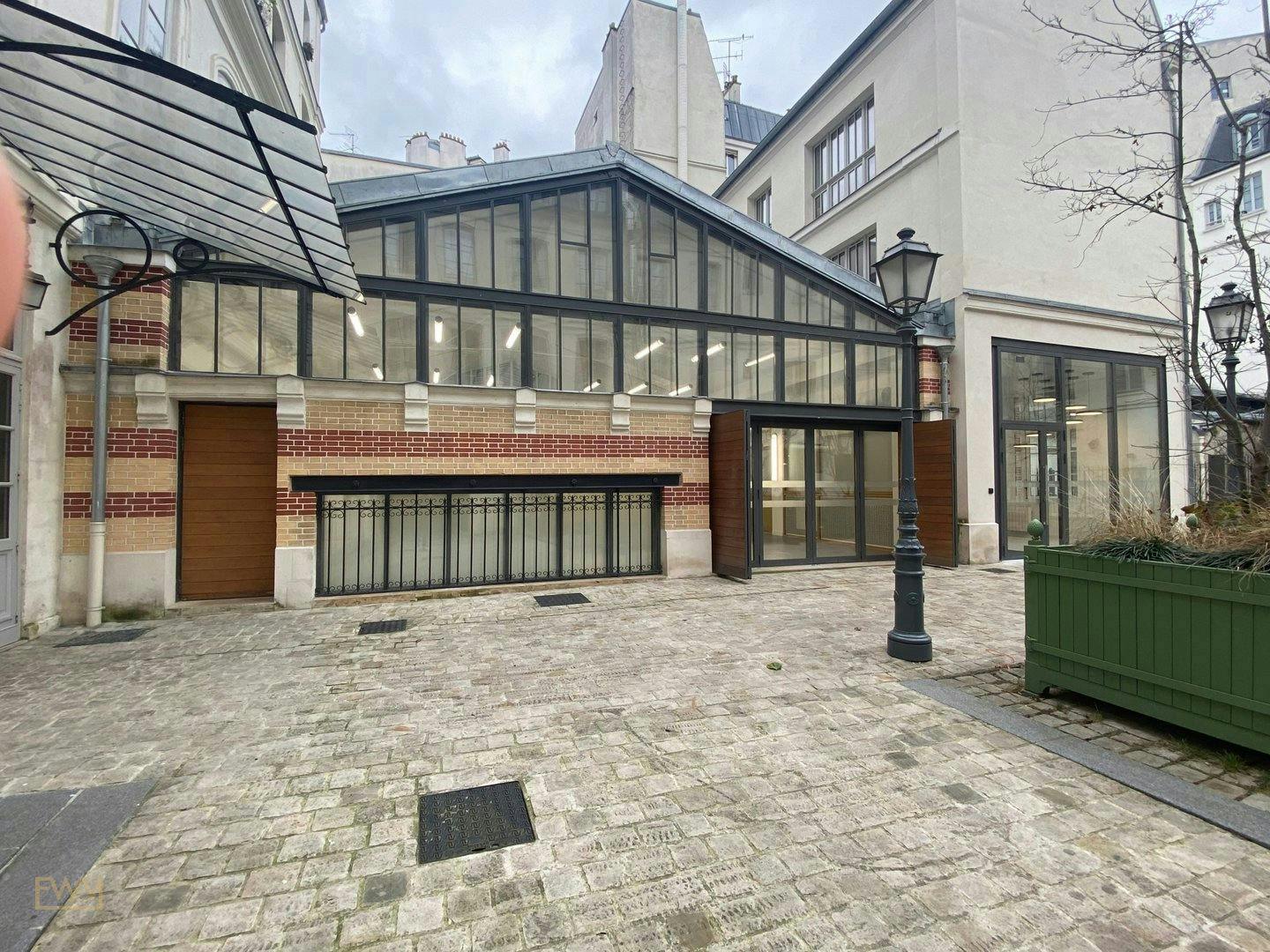
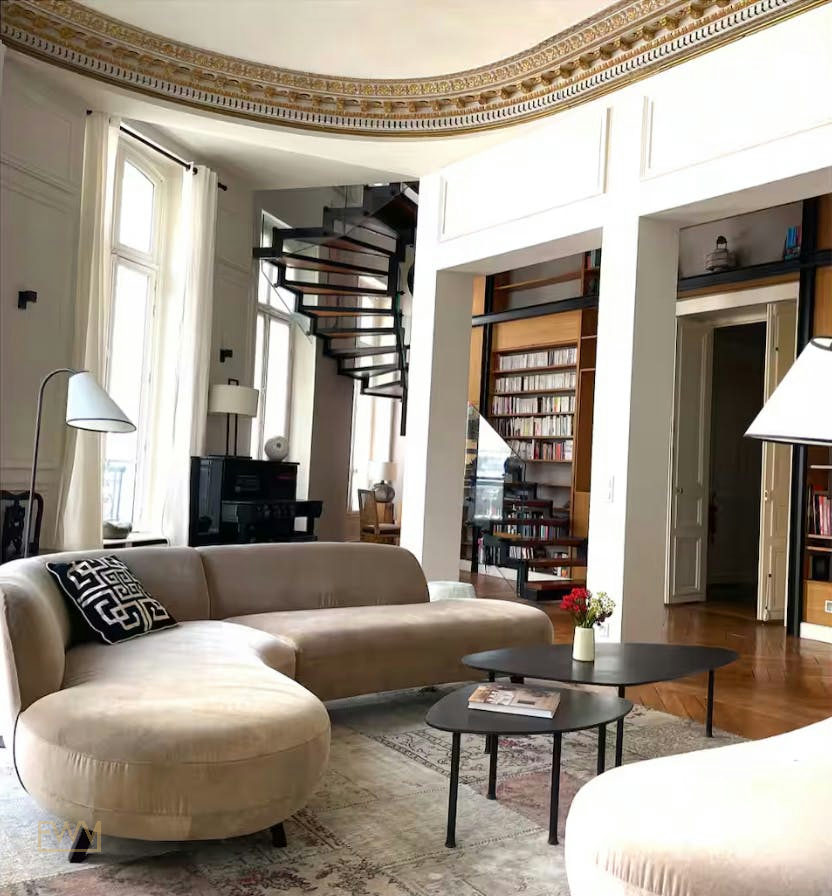
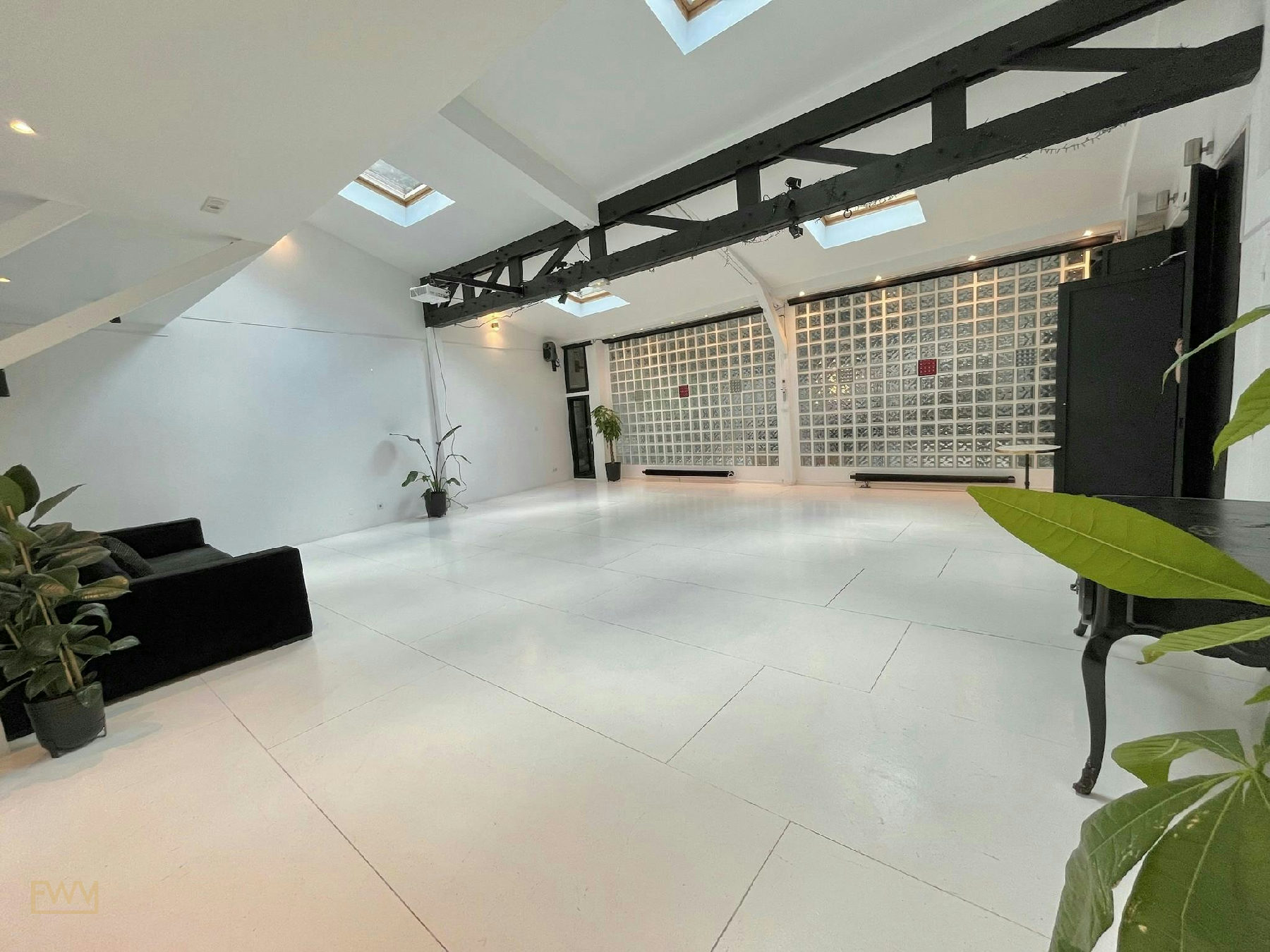
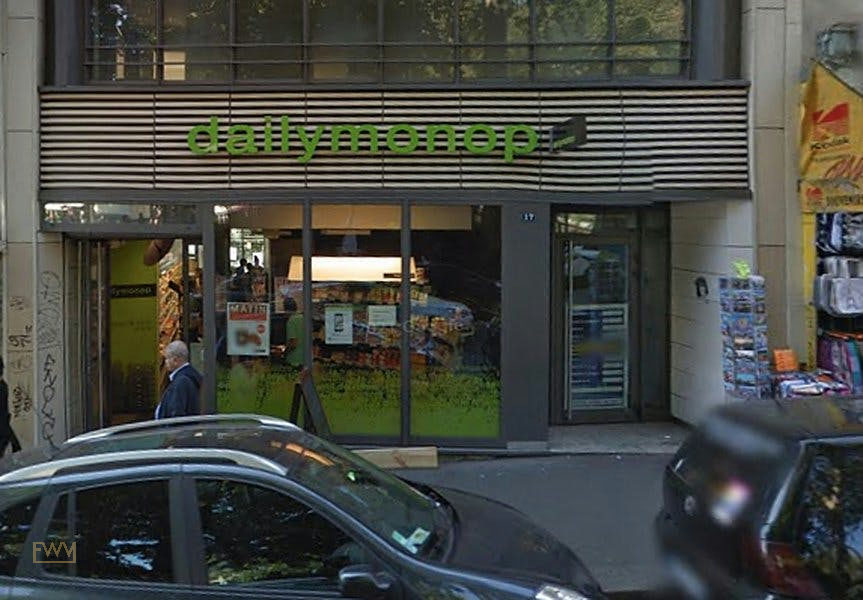
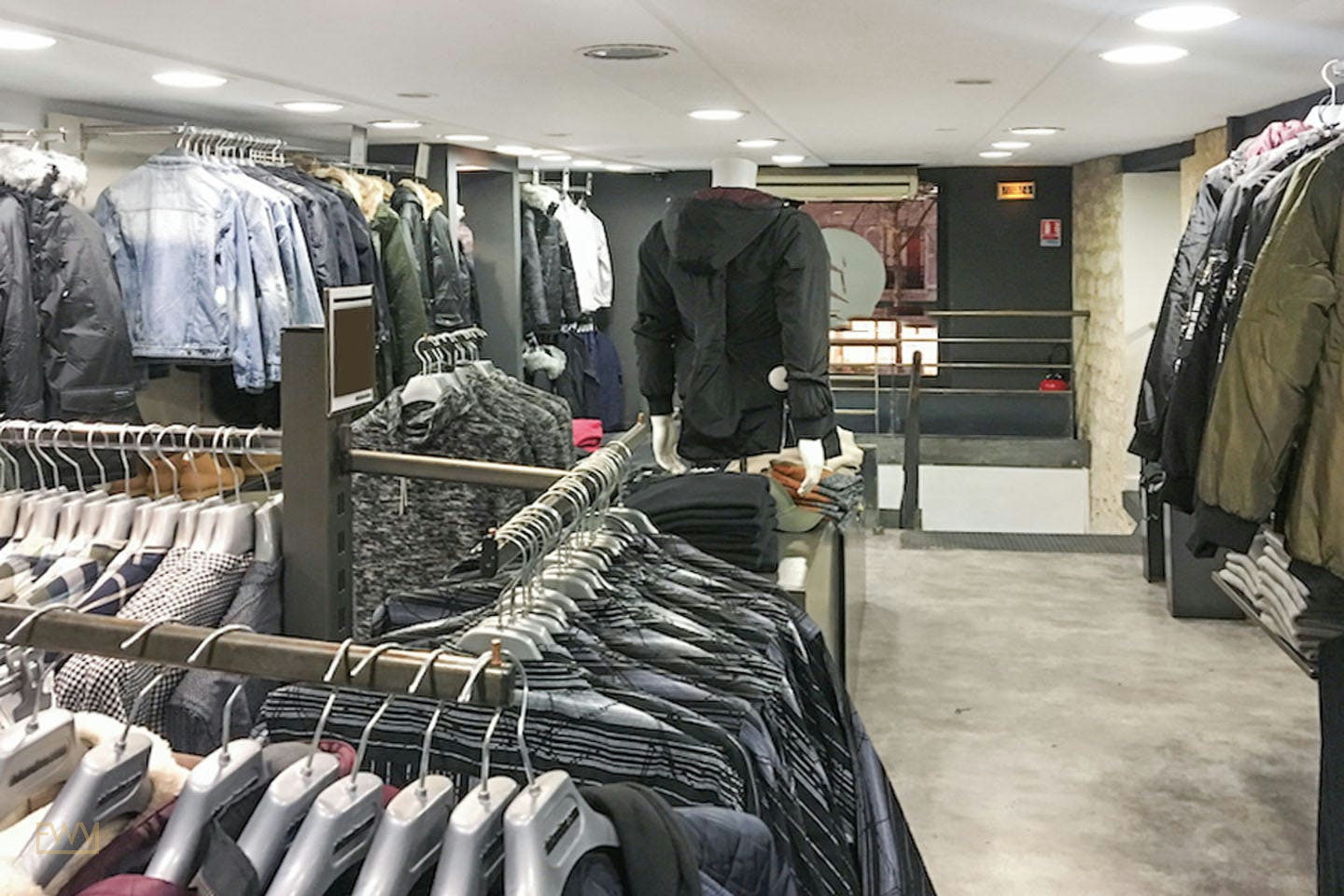
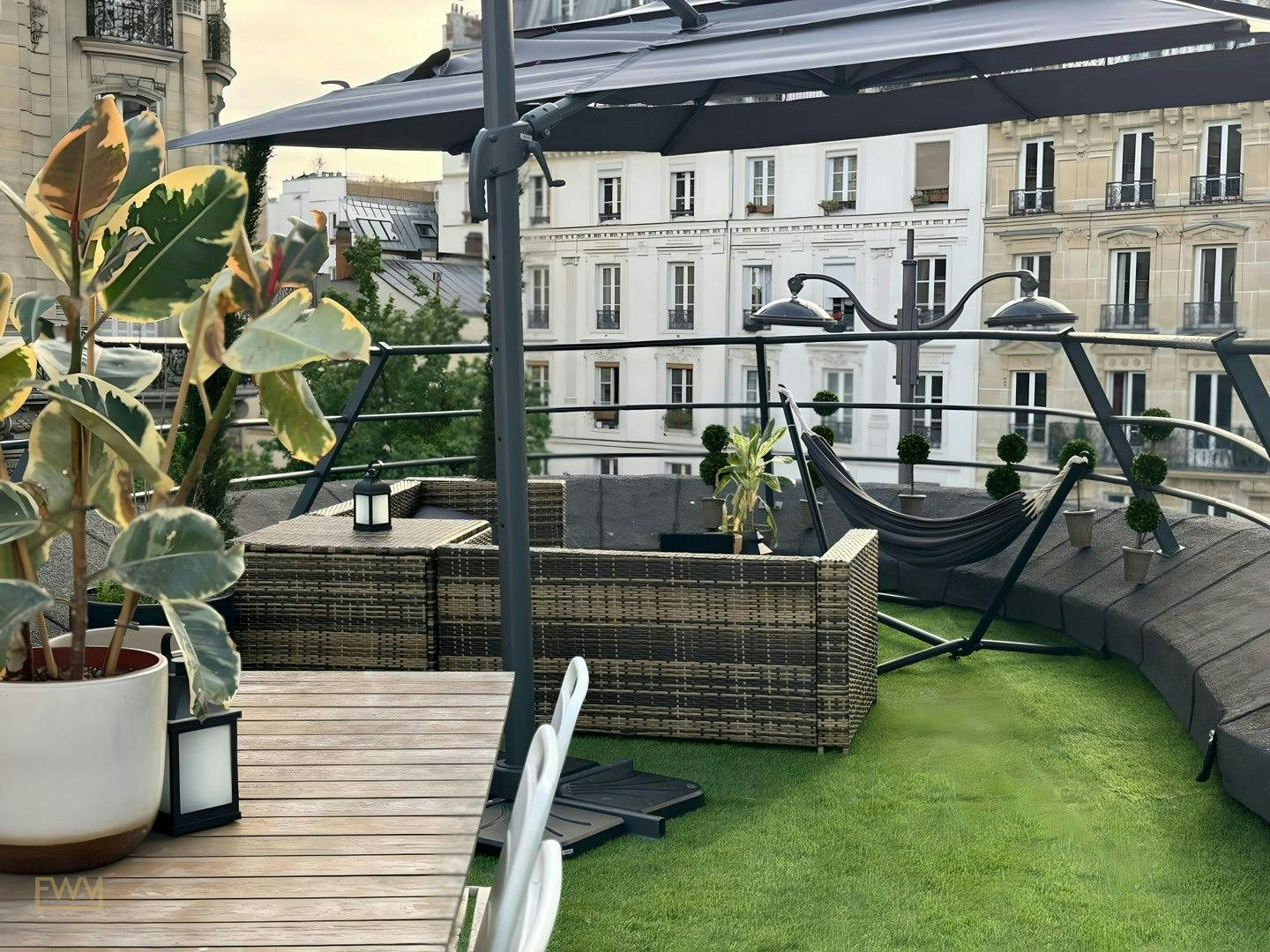
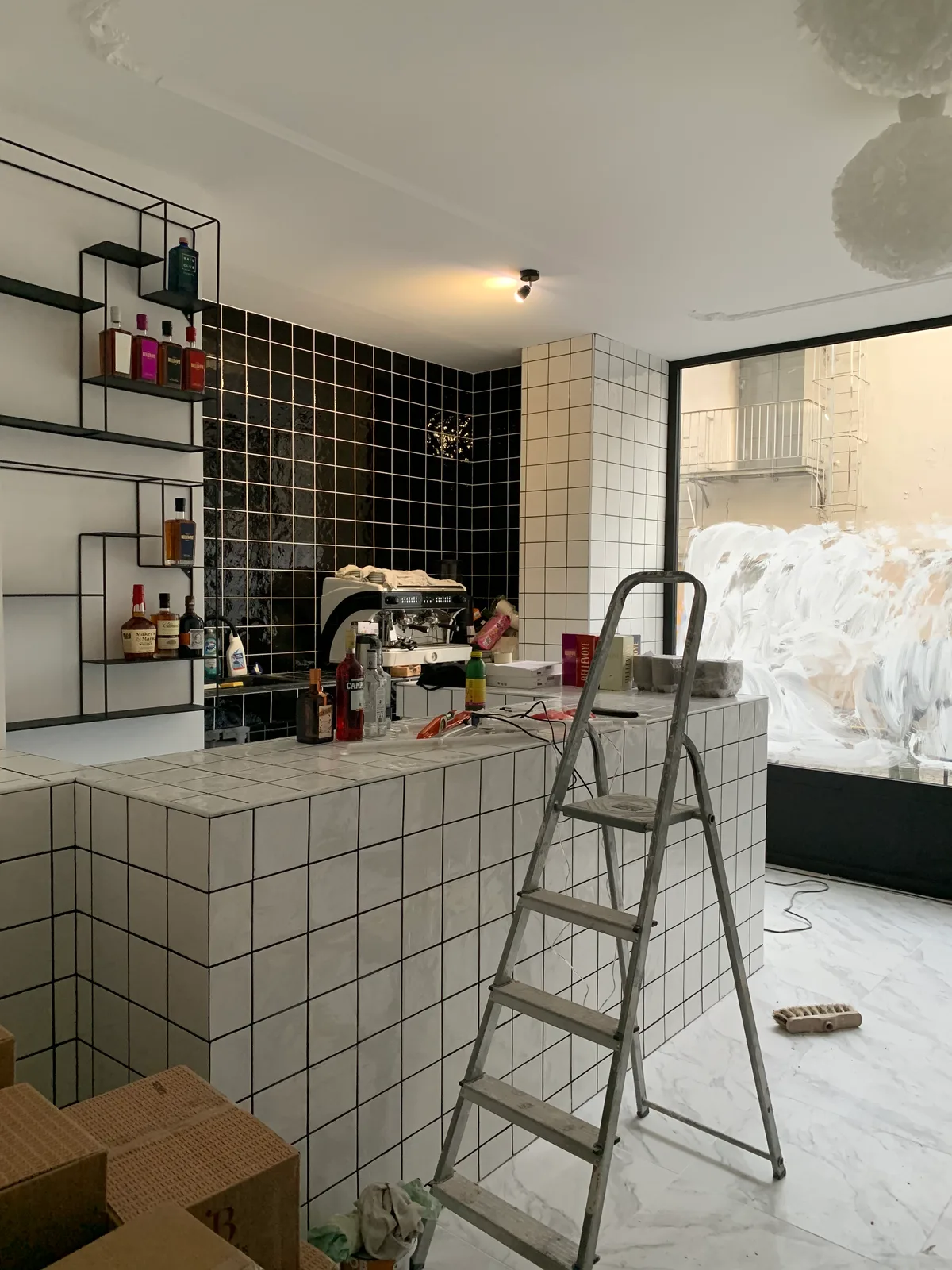
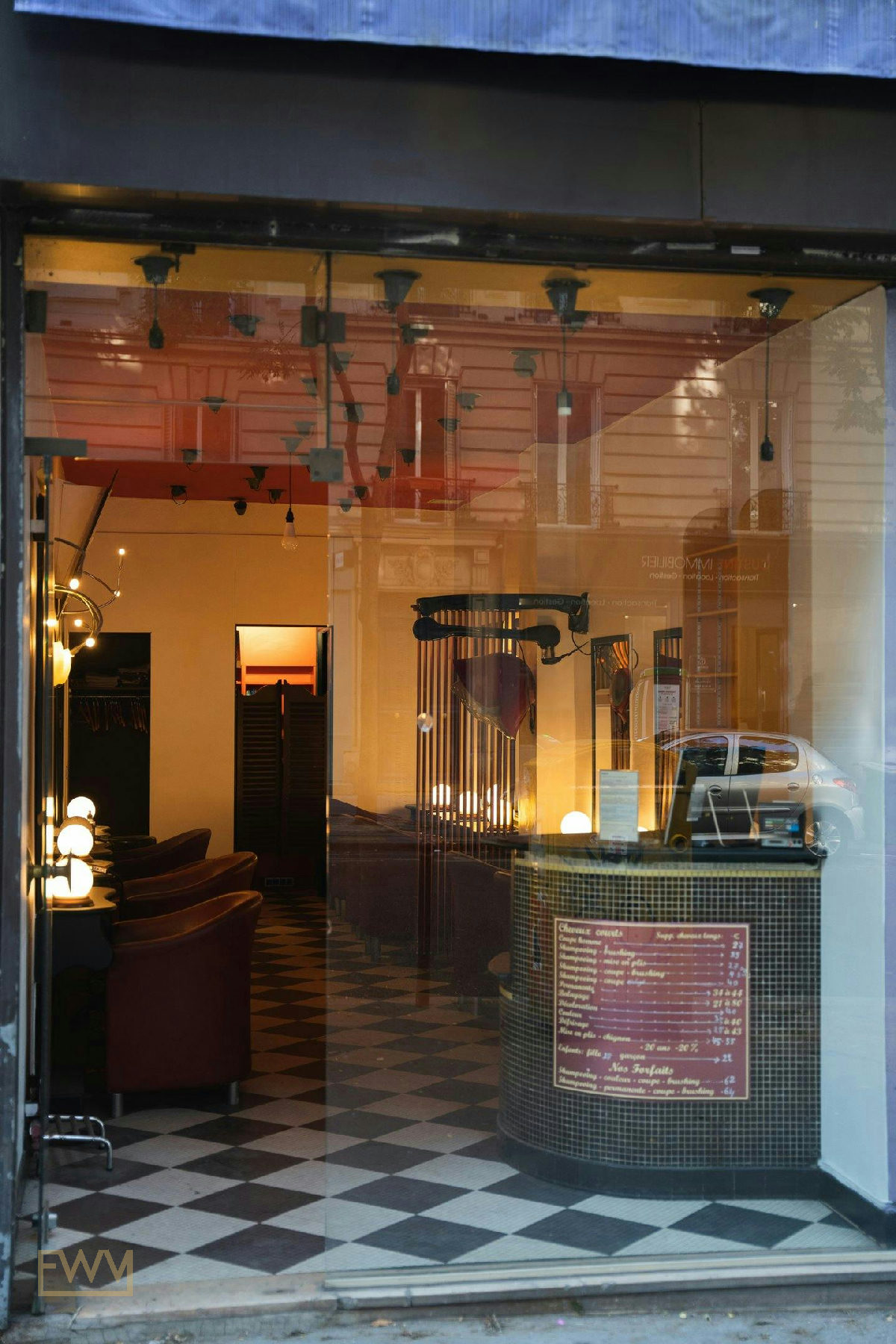
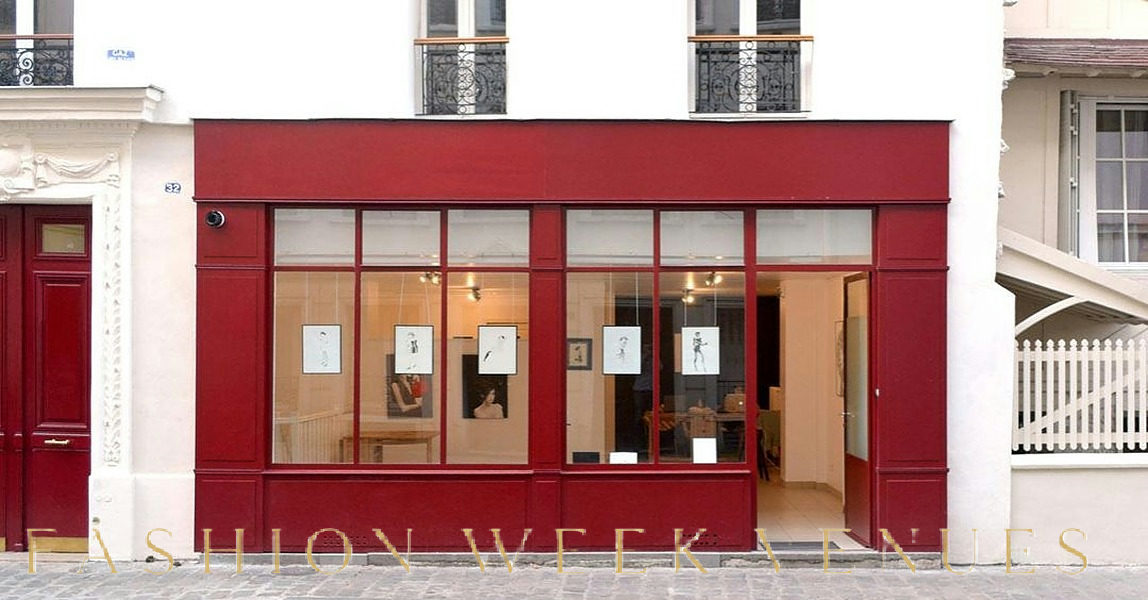
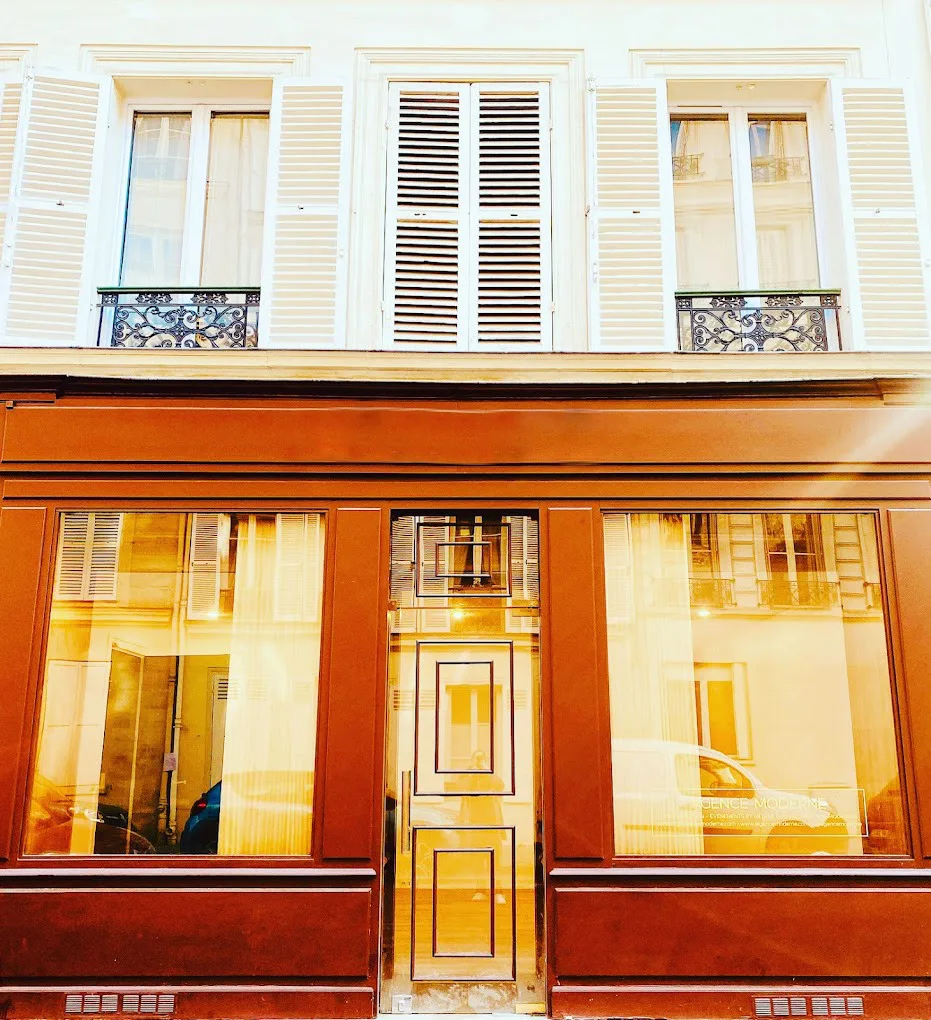
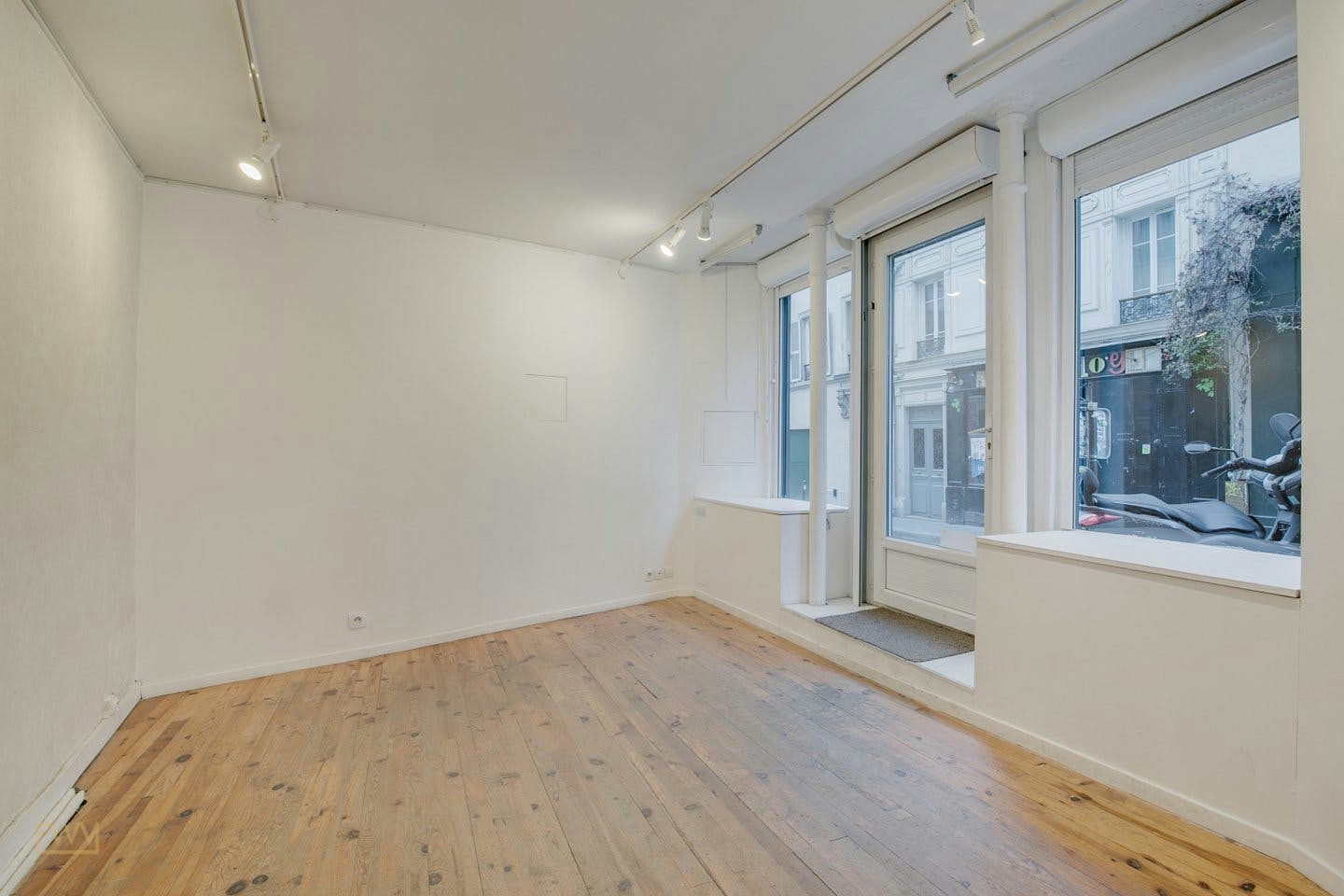
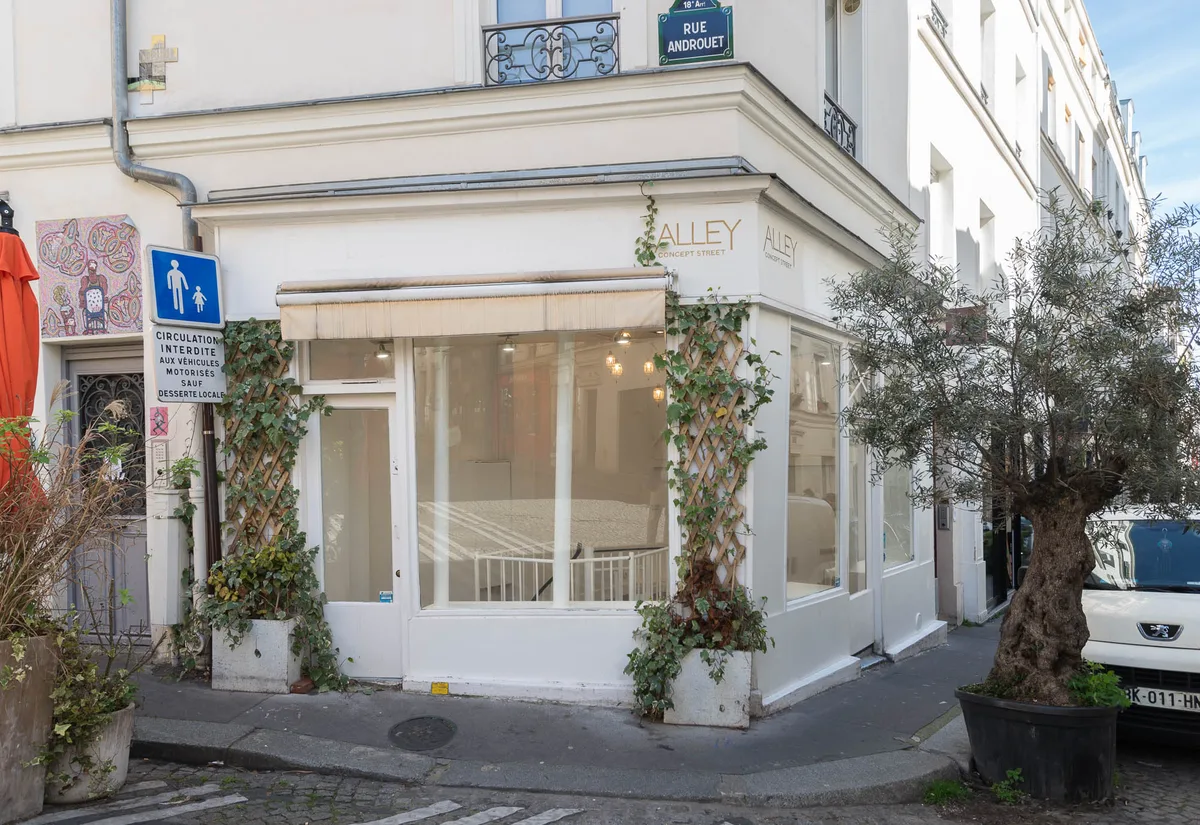
A boutique rental in the 9th arrondissement Paris places your brand at the intersection of culture, commerce, and creative energy. Paris 9 sits between the grand department stores of Boulevard Haussmann and the bohemian slopes of Montmartre, making it one of the most strategically compelling locations for pop-up shops, showrooms, temporary retail spaces, and brand activations in the French capital. From the ornate surroundings of the Palais Garnier to the independent boutique culture of Rue des Martyrs, the 9th arrondissement offers a rare combination of heritage prestige and contemporary retail potential. Fashion Week Venues connects brands with curated pop-up spaces across Paris, including a growing portfolio of commercial and event spaces in Paris 9ème.
Why the 9th Arrondissement Is a Compelling Location for Boutique Rental in Paris
Quick answer: The 9th arrondissement Paris combines high-volume foot traffic from Galeries Lafayette Haussmann and Printemps with the cultural draw of the Palais Garnier and Opéra Garnier, independent street retail on Rue des Martyrs, and residential density from Saint-Georges to Notre-Dame de Lorette, creating a layered commercial environment suited to a broad range of brand activations and boutique retail formats.
The 9th arrondissement, known locally as Paris 9ème or Opéra, occupies a central position in the city's commercial geography. To its south, it borders the 8th arrondissement and the luxury corridors of the Madeleine. To its north, it climbs toward Pigalle and the creative energy of lower Montmartre. To its east, it connects with the Grands Boulevards and the auction house culture around Drouot. This geographic versatility means that a boutique rental in the 9th arrondissement Paris can draw from multiple consumer demographics simultaneously.
Boulevard Haussmann is the commercial spine of the district. Galeries Lafayette Haussmann and Printemps are two of the most visited retail destinations in Europe, attracting millions of visitors annually including international tourists from across Asia, the Middle East, and the Americas. Brands that establish a presence in nearby streets benefit from significant spontaneous foot traffic from shoppers who are already in a purchasing mindset.
Beyond the department store corridor, the neighbourhood fractures into distinct micro-zones. Saint-Georges and Notre-Dame de Lorette form a quieter residential and creative neighbourhood that attracts design professionals, stylists, and a well-educated local clientele. Rue des Martyrs has become one of Paris's most celebrated independent retail and food streets, drawing a mix of Parisians and culturally engaged visitors. Passage Jouffroy, one of the covered passages built during the 19th century, offers a uniquely atmospheric setting for boutique concepts.
The 9th also benefits from exceptional transport connectivity. Gare du Nord, the busiest railway station in Europe, sits on its northern edge, creating strong pedestrian movement through the arrondissement. Multiple metro lines serve the district, and the area's walkability means that a well-positioned pop-up store or showroom can command both passing trade and destination visits.
For international brands entering Paris, the 9th arrondissement represents a balance of accessibility and authenticity. It lacks the tourist saturation of the Marais and the price premium of Saint-Germain, but it offers genuine Paris street culture, proximity to major cultural institutions including the Musée Grévin, the Musée Gustave Moreau, and the Musée de la Vie Romantique, and a resident population that includes artists, architects, and creative professionals who form an influential early-adopter audience.
DID YOU KNOW: The Palais Garnier, the original Paris opera house completed in 1875 and one of the architectural masterpieces of the Second Empire, sits directly in the 9th arrondissement. Its surrounding streets attract a combination of cultural tourists, theatre audiences, and luxury shoppers, making the immediate vicinity one of the most culturally prestigious retail locations in the city.
KEY TAKEAWAY: The 9th arrondissement's combination of commercial depth, cultural prestige, transport connectivity, and neighbourhood diversity makes it one of the most versatile locations in Paris for boutique rental, pop-up shops, showrooms, and brand activations targeting a broad but quality-conscious clientele.
Understanding the specific micro-zones and their respective audiences within Paris 9 is essential before committing to a space, which the following section explores in detail.
Mapping the 9th Arrondissement: Micro-Zones, Foot Traffic, and Space Availability
Quick answer: The 9th arrondissement divides into several distinct retail and cultural zones, each with its own foot traffic profile, property character, and brand suitability. Matching your boutique rental to the right micro-zone is as important as choosing the arrondissement itself.
Brands searching for a boutique rental in the 9th arrondissement Paris must think beyond the postcode. The distance between Galeries Lafayette Haussmann on Boulevard Haussmann and the quiet streets around Rue Cadet is less than ten minutes on foot, but the commercial environments are entirely different. Understanding those differences allows you to select a space that matches your target clientele, budget, and activation goals.
Boulevard Haussmann and the Department Store Corridor
The stretch of Boulevard Haussmann between Chaussée d'Antin and Saint-Lazare stations is the commercial heartland of Paris 9. Galeries Lafayette Haussmann and Printemps draw enormous international foot traffic, and the surrounding streets are highly sought after for boutique rental, pop-up stores, and temporary retail activations. Space availability here tends to be limited and competitive, and rental costs are among the highest in the arrondissement. Brands that can afford this zone benefit from an audience that is actively shopping and open to discovery. The building amenities in this area are often superior, with many commercial units offering lift access, strong Wi-Fi infrastructure, and polished fit-outs.
Opéra Garnier and the Grands Boulevards
The area immediately surrounding the Opéra Garnier and extending east along the Grands Boulevards has a distinct character shaped by heritage tourism, theatre audiences, and the presence of business travellers staying in nearby boutique hotels and larger properties. The InterContinental Paris Le Grand on Rue Scribe, situated one block from the Palais Garnier, is representative of the hospitality infrastructure that surrounds this zone. Pop-up stores and boutique activations here benefit from an affluent and culturally engaged audience. Passage Jouffroy, a beautifully preserved 19th-century covered arcade, offers an unusually atmospheric retail setting that suits artisan brands, gallery concepts, and curated product experiences.
Saint-Georges and Notre-Dame de Lorette
Moving north and west from Opéra, the Saint-Georges neighbourhood around Place Saint-Georges and Notre-Dame de Lorette has a quieter, more residential character. This is a neighbourhood of studios, independent galleries, design practices, and creative professionals. Boutique rental here suits brands targeting a design-literate, French-speaking local audience. Contemporary art spaces, showrooms, and workshop formats work particularly well in this zone. The Musée de la Vie Romantique and the Musée Gustave Moreau are both located in this pocket, adding cultural density that attracts visitors with aesthetic interests.
Rue des Martyrs and the Pigalle Border
Rue des Martyrs runs from Notre-Dame de Lorette northward toward Pigalle and lower Montmartre. This street has undergone significant transformation over the past decade, evolving from a traditional Parisian food and market street into one of the city's most celebrated independent retail destinations. Sidewalk cafes, artisan food producers, independent clothing boutiques, and concept stores line the street. Boutique rental here offers access to a highly engaged local audience as well as cultural tourists who specifically seek out authentic Paris neighbourhood experiences. The foot traffic profile differs from Boulevard Haussmann in that visitors tend to spend more time and engage more deeply with individual spaces.
Poissonnière and Drouot
The eastern edge of the 9th, toward Poissonnière and the Drouot auction house district, is characterised by a mix of art dealers, antique traders, and emerging commercial spaces. This zone appeals to brands in the design, art, and collectibles space. Foot traffic is more specialist but also more aligned with high-value purchasing behaviour. Boutique rental here is generally more affordable than in the Boulevard Haussmann corridor, making it an option for brands seeking quality location at a more accessible price point.
| Micro-Zone | Primary Audience | Best Space Types | Relative Cost |
|---|---|---|---|
| Boulevard Haussmann | International tourists, luxury shoppers | Pop-up store, boutique retail, brand activation | High |
| Opéra / Grands Boulevards | Cultural tourists, business travellers, theatre audiences | Boutique, gallery concept, showroom | Medium-High |
| Saint-Georges / Notre-Dame de Lorette | Creative professionals, design-literate locals | Gallery, showroom, workshop, studio | Medium |
| Rue des Martyrs / Pigalle | Independent retail visitors, cultural tourists | Boutique, concept store, pop-up | Medium |
| Poissonnière / Drouot | Art buyers, dealers, specialist visitors | Gallery, showroom, art space | Lower |
To compare spaces across these micro-zones and filter by budget, size, and space type, use the space comparison tool on Fashion Week Venues to shortlist the options that best match your brief.
KEY TAKEAWAY: Each micro-zone within the 9th arrondissement has a distinct commercial character. Matching your boutique rental to the right zone based on your target audience, space requirements, and budget is essential to maximising the commercial impact of your Paris activation.
With an understanding of the geography established, the next critical question is what types of commercial spaces are actually available for boutique rental in Paris 9.
Types of Boutique Rental and Commercial Spaces Available in Paris 9ème
Quick answer: The 9th arrondissement offers a range of short-term commercial space types suited to pop-up shops, showrooms, event venues, galleries, photo studios, and conference spaces. Each format has different space feature requirements, permit implications, and ideal use cases.
When brands and creative teams search for boutique rental in the 9th arrondissement Paris, they encounter a diverse inventory of space types. Understanding the distinctions between those space types helps teams match the right format to their activation brief, timeline, and budget.
Pop-Up Boutiques and Ephemeral Retail Spaces
Boutique éphémère, or ephemeral boutique, is the French retail concept that has become the dominant format for short-term retail activations in Paris. A pop-up boutique typically occupies a former retail unit, a ground-floor commercial space, or a heritage building ground floor for a period ranging from a few days to several months. In the 9th arrondissement, pop-up boutique spaces range from compact 25 to 40 square metre units suitable for single-brand activations to larger 100 to 300 square metre spaces suited to multi-brand or seasonal retail concepts.
Space features for a strong pop-up boutique typically include ground-floor access, large display windows, polished concrete or hardwood floors, adjustable spotlight lighting, strong Wi-Fi, and proximity to street-level foot traffic. Spaces with a balcony or elevated street presence add significant brand visibility. Lift access becomes important for spaces where stockroom or production areas are split across floors.
Showrooms
Showroom rental in Paris 9 is particularly relevant during the Paris Fashion Week calendar and the trade show season. Brands use showrooms to present collections to press, buyers, and stockists in a controlled, appointment-based environment. Unlike a pop-up boutique, a showroom does not require the same level of street-facing visibility, but it does benefit from professional fit-out, flexible furniture arrangements, and strong Wi-Fi for digital presentations. The Saint-Georges and Opéra zones are particularly well-suited to showroom formats given their proximity to fashion industry infrastructure and accommodation.
Art Galleries and Galerie D'art Spaces
The 9th arrondissement has a strong contemporary art culture, and a number of permanent gallery spaces occasionally open their premises for short-term rental by brands seeking a gallery aesthetic. White-walled, well-lit gallery spaces work particularly well for brands presenting new collections, collaborations with artists, or product launches that benefit from a curated exhibition format. The area around Drouot and Saint-Georges has a concentration of such spaces.
Event and Conference Spaces
Espace événementiel and conference spaces in Paris 9 serve brand launches, press days, industry events, and private client experiences. These spaces typically feature divisible floor plans, AV infrastructure, catering facilities, and controlled access. The proximity to major hotels and transport hubs makes event space rental in the 9th arrondissement particularly convenient for international guests.
Photo Studios
Studio photo rental in the 9th arrondissement suits fashion brands, e-commerce teams, and creative agencies that need professional shooting environments in a central Paris location. Studios with raw concrete floors, steel pillars, and adjustable spotlights are common in the creative quarter toward Pigalle and Saint-Georges, offering the industrial aesthetic that has become standard in contemporary fashion photography.
| Space Type | French Equivalent | Typical Size Range | Key Features Required | Best Use Case |
|---|---|---|---|---|
| Pop-Up Boutique | Boutique éphémère / Pop-up éphémère | 25 to 300 sqm | Display window, spotlight lighting, Wi-Fi | Short-term retail, brand activation |
| Showroom | Showroom | 40 to 200 sqm | Flexible layout, Wi-Fi, meeting area | Collection presentations, trade shows |
| Gallery | Galerie D'art | 30 to 150 sqm | White walls, track lighting, secure access | Art shows, editorial launches, product exhibitions |
| Event Space | Espace événementiel | 50 to 500 sqm | AV, catering, flexible layout, lift access | Brand events, press days, private sales |
| Photo Studio | Studio Photo | 30 to 120 sqm | High ceilings, natural light or blackout, raw finishes | Fashion photography, e-commerce shoots |
TIP: When reviewing space listings in the 9th arrondissement, pay close attention to the floor and access details. A first-floor space with no lift may be unsuitable for retail if your customers include older visitors or if you are moving significant stock. Always confirm whether the space has a security solution in place, particularly for high-value product activations.
KEY TAKEAWAY: The 9th arrondissement offers a genuinely diverse range of commercial space types. Matching your space format to your activation concept, team size, and visitor experience requirements is as important as the location choice itself.
Selecting the right space type is closely connected to understanding the lease structures and permit requirements that govern short-term commercial rental in Paris, which the following section addresses directly.
Leases, Permits, and Legal Frameworks for Short-Term Boutique Rental in Paris 9
Quick answer: Short-term commercial space rental in Paris typically operates under a bail dérogatoire rather than a standard French commercial lease. Brands also need to understand autorisation d'occupation temporaire requirements for certain space types. Requirements vary by space type, duration, and arrondissement, and brands should always verify requirements with a qualified French legal advisor.
One of the most common sources of confusion for international brands entering the Paris boutique rental market is the legal framework governing short-term commercial leases. French commercial property law is considerably more complex than many brands assume, and the distinction between different lease types has material implications for your rights, obligations, and costs.
The Bail Dérogatoire Explained
The bail dérogatoire is a short-term commercial lease format under French law that allows landlords and tenants to agree to a temporary occupation without triggering the full protections and obligations of the standard nine-year French commercial lease (bail commercial). A bail dérogatoire can run for a maximum cumulative period of three years. For brands seeking a pop-up boutique rental, a showroom activation, or a short-term retail space in the 9th arrondissement, this is typically the most relevant lease structure.
Key points about the bail dérogatoire include the fact that it must be agreed in writing before occupation begins, that it explicitly states the parties' intention to derogate from the standard commercial lease regime, and that both parties must vacate or renegotiate at the end of the agreed term to avoid the agreement converting into a standard nine-year commercial lease. Brands should never assume that a verbal agreement or an informal exchange with a space owner is sufficient to establish a legally valid bail dérogatoire. Always work with a French legal advisor to verify the document before signing.
Autorisation d'Occupation Temporaire
An autorisation d'occupation temporaire, commonly abbreviated AOT, governs the temporary occupation of public domain spaces such as pavement areas, public squares, or spaces that are part of public infrastructure. If your boutique activation involves an outdoor element, a display extending onto a public pavement, or a space that is partially on public land, an AOT will typically be required from the relevant Mairie or prefecture. Requirements vary significantly by arrondissement and by the specific nature of the occupation. The 9th arrondissement Mairie handles local AOT requests, but additional authorisations may be required from the Préfecture de Police depending on the nature of the activation.
IMPORTANT: Permit and authorisation requirements for commercial activations in Paris vary by space type, duration, use, and specific location. This guide provides general orientation only. Always verify requirements with a qualified French legal advisor before signing any lease or commencing any fit-out. Use the permit guidance tool on Fashion Week Venues to identify which authorisations may be relevant to your specific activation type and location.
Broker Fees and Transaction Costs
In the Paris commercial property market, broker fees are common and can add materially to the total cost of a boutique rental. Traditional commission brokers typically charge a fee equivalent to one to two months of rental income, which can represent a significant additional cost for short-term activations. Some platforms and agencies structure their fees differently, charging a fixed service fee or incorporating sourcing costs into their overall service package. Always confirm the full transaction cost, including any broker fees, before proceeding with a space agreement to avoid unexpected budget pressure.
Home Insurance and Property Protection
Standard French commercial property rental agreements typically require the tenant to hold appropriate property insurance, sometimes referred to in residential contexts as home insurance, covering the occupied space against damage, theft, and liability. For commercial pop-up activations, the relevant insurance category is typically a contrat de responsabilité civile professionnelle combined with a contrat multirisque commerciale. Verify your insurance obligations with the landlord before taking possession of the space, and confirm that your existing corporate insurance policy extends to Paris-based temporary commercial activities.
KEY TAKEAWAY: Boutique rental in the 9th arrondissement Paris involves navigating French commercial property law, permit requirements, and transaction costs that differ materially from residential and commercial rental markets in other countries. Working with experienced advisors and specialist agencies significantly reduces the risk of legal and financial surprises.
The permit and legal landscape is one area where specialist agency support adds the most value, and the next section explains specifically how Fashion Week Venues supports brands through this process.
How Fashion Week Venues Supports Boutique Rental and Pop-Up Activations in Paris 9
Fashion Week Venues operates as a full-service pop-up agency and space marketplace with deep knowledge of the Paris commercial space market, including the 9th arrondissement. The agency's role is to reduce the time, complexity, and risk involved in finding, securing, and activating a boutique rental in Paris, particularly for international brands that do not have established in-market relationships or local operational infrastructure.
Venue Sourcing and Space Discovery
The venue sourcing service gives brands access to a curated portfolio of commercial spaces in the 9th arrondissement and across Paris, including spaces that are not publicly listed through standard commercial property channels. The sourcing team works to match brand briefs with appropriate spaces based on size, location, space type, budget, and calendar window. This is particularly valuable during peak periods such as Paris Fashion Week, when available spaces are absorbed quickly and competition from other brands is intense.
Concept Direction and Branded Store Design
Once a space is identified, the concept direction and branded store design teams work with brands to develop the visual and spatial identity of the activation. This includes spatial layout planning, material selection, visual merchandising strategy, and alignment with brand guidelines. The aim is to ensure that the physical space communicates the brand's identity clearly and compellingly to the Parisian clientele it will encounter in the 9th arrondissement.
Production, Build, and Furniture Rental
The production and build service manages the physical transformation of the rented space into a branded boutique environment. This includes sourcing and managing contractors, handling fit-out logistics, coordinating with the building's management for access and compliance, and ensuring the space is ready to trade on time. Furniture rental services are available for brands that want a fully equipped space without the cost and logistics of purchasing and transporting fixtures from outside France.
Retail Staffing, POS, and Payments
Running a boutique rental in Paris 9 requires local operational capacity. Fashion Week Venues provides retail staffing with French-speaking staff experienced in luxury and contemporary retail. Point-of-sale systems and payment processing solutions are available to ensure hassle-free transactions with the diverse clientele that the 9th arrondissement attracts, including international visitors who may be using non-European payment methods.
Activation Management and Influencer Marketing
Activation management covers the day-to-day operational management of the space during the rental period, including security service coordination, inventory management, client experience, and performance monitoring. The influencer marketing service supports brands in building awareness of their Paris 9 activation through targeted outreach to Parisian and international fashion influencers, helping to generate the foot traffic and social amplification that maximises the commercial impact of the rental.
Planning and Budget Tools
Before committing to a specific space or service package, brands can use the suite of planning tools available on the Fashion Week Venues platform. The budget estimation tool provides directional cost modelling for a Paris boutique rental based on space size, duration, and service requirements. The ROI calculation tool helps teams build the business case for a Paris activation. The timeline planning tool supports logistics and sequencing, and the locator tool maps available spaces across the 9th arrondissement and other Paris districts.
Brand teams can also explore the past activations and case studies to understand what successful boutique and pop-up projects in Paris have looked like in practice, and then review how the agency works to understand what engagement with Fashion Week Venues involves from first contact to activation completion.
TIP: International brands that are activating in Paris for the first time should book an initial consultation with the Fashion Week Venues advisory team well in advance of their target calendar window. Peak periods, particularly around Paris Fashion Week in February and September or October, see extremely high demand for quality spaces in the 9th arrondissement, and the best spaces are secured months ahead of the activation date.
KEY TAKEAWAY: Fashion Week Venues provides end-to-end support for boutique rental and commercial activation in the 9th arrondissement Paris, from space discovery and lease negotiation support through to fit-out, staffing, and operational management. This is particularly valuable for international brands without established in-market operational infrastructure.
The 9th Arrondissement as a Cultural and Commercial Context for Brand Activations
Quick answer: The 9th arrondissement's cultural infrastructure, including the Palais Garnier, Galeries Lafayette Haussmann, Musée Grévin, Musée Gustave Moreau, and Passage Jouffroy, creates a rich contextual backdrop that brands can leverage to position their activation within a broader narrative of Parisian culture and prestige.
The commercial case for boutique rental in the 9th arrondissement Paris is inseparable from the cultural richness that defines the district. Brands that understand and engage with the arrondissement's cultural identity create activations that resonate more deeply with the Parisian audience and stand out more clearly from generic retail formats.
Palais Garnier and the Opera Quarter
The Palais Garnier, completed in 1875 and designed by Charles Garnier, is one of the most iconic buildings in Paris and one of the great architectural statements of European cultural ambition. The opera house draws a sophisticated, culturally engaged audience to the 9th arrondissement throughout the year. Brands that establish a boutique rental in the streets immediately surrounding the Palais Garnier benefit from association with this cultural prestige, and evening events aligned with the opera calendar can capture an affluent audience in a particularly receptive mood. The Opéra Garnier and its surrounding streets have long been associated with fashion, luxury, and the arts, providing a natural alignment for contemporary brand activations.
Galeries Lafayette Haussmann and Printemps
Galeries Lafayette Haussmann is not simply a department store. It is one of the most visited buildings in France, with its famous Art Nouveau glass dome and comprehensive fashion offering drawing visitors who combine museum-hopping with serious retail. The Galeries Lafayette building is itself a cultural landmark, and the presence of the flagship store on Boulevard Haussmann creates a gravitational effect on the surrounding streets. Brands with a boutique rental in the immediate vicinity of Galeries Lafayette Haussmann can position themselves as part of the same premium fashion conversation while offering a more intimate and curated alternative shopping experience. Printemps, directly adjacent, contributes further to this commercial density.
Musée Grévin and the Passage Jouffroy
The Musée Grévin, Paris's wax museum located on the Grands Boulevards, and the adjacent Passage Jouffroy, one of the city's most atmospheric covered passages with its mosaic floors, ironwork, and eclectic boutiques, offer a distinctive backdrop for brands seeking unusual and characterful retail environments. The passage itself has a number of small boutique units that are occasionally available for short-term rental, providing a setting that is completely unique in its combination of historical architecture and quirky contemporary retail culture.
Musée Gustave Moreau and Musée de la Vie Romantique
In the quieter northern reaches of the arrondissement toward Pigalle, the Musée Gustave Moreau and the Musée de la Vie Romantique attract visitors with a specific interest in 19th-century French art, Symbolism, and Romantic-era culture. The streets around these museums have a creative, artistic character that suits brands in the art, jewellery, fragrance, and niche fashion sectors. Boutique rental in this zone offers intimacy and cultural depth rather than mass foot traffic.
Sacré-Coeur and Montmartre Proximity
While Sacré-Coeur and the upper reaches of Montmartre technically lie in the 18th arrondissement, their proximity to the 9th means that the northern streets of Paris 9 benefit from the overflow of visitors drawn to one of the most visited sites in the entire City of Lights. Lower Montmartre and the streets around Pigalle and Rue des Martyrs capture visitors who are exploring the city on foot and moving between the Sacré-Coeur pilgrimage and the central Paris retail districts.
DID YOU KNOW: The Moulin Rouge, one of the most famous entertainment venues in the world, sits on the border between the 9th and 18th arrondissements at Place de Clichy and Blanche. Its global cultural recognition creates a spillover effect on the immediate surrounding streets, making this northern edge of Paris 9 one of the most internationally recognised neighbourhoods in the city.
KEY TAKEAWAY: The cultural density of the 9th arrondissement provides brands with a rich set of contextual narratives to draw on when positioning their boutique rental activation. Aligning your brand story with the cultural identity of the specific micro-zone you occupy strengthens the coherence and resonance of the overall experience.
To compare neighbourhoods and space types across the 9th arrondissement and adjacent districts, explore the Paris city hub on Fashion Week Venues and shortlist spaces that match your brief, budget, and calendar window.
Timing Your Boutique Rental in Paris 9: Calendar Windows, Fashion Week, and Seasonal Strategy
Quick answer: The optimal timing for a boutique rental in the 9th arrondissement Paris depends on your target audience, commercial objectives, and calendar alignment. Paris Fashion Week in February and September or October represents the highest-profile window, but other seasonal peaks including the summer tourist season, the Soldes retail periods, and the pre-Christmas quarter also offer strong commercial opportunities.
Paris operates on a retail calendar that is more structured and pronounced than most global cities. Understanding the seasonal rhythm of the 9th arrondissement allows brands to time their boutique rental for maximum commercial impact and audience alignment.
Paris Fashion Week Windows
Paris Fashion Week for women's ready-to-wear typically takes place in late February and early March for the Autumn/Winter season, and in late September or early October for the Spring/Summer season. These two-week windows represent the most intense periods of fashion industry activity in the city, with buyers, press, stylists, influencers, and brand directors all concentrated in Paris simultaneously. A boutique rental or showroom in the 9th arrondissement during Fashion Week benefits from an unusually dense and fashion-credible visitor base. However, demand for quality commercial spaces during these periods is extremely high, and brands should expect to begin their search and secure their space at least three to four months in advance.
IMPORTANT: Paris Fashion Week is not the only viable calendar window for a successful boutique activation in the 9th arrondissement. Brands that assume they can only achieve meaningful impact during Fashion Week miss significant opportunities in the tourist season, the Soldes periods, and the pre-Christmas quarter, when consumer foot traffic in the Boulevard Haussmann corridor can actually exceed Fashion Week levels.
Summer Tourist Season
July and August bring an enormous volume of international tourists to Paris, including visitors who are arriving from long-haul destinations specifically to shop and experience French culture. The 9th arrondissement, with its proximity to Galeries Lafayette Haussmann, the Palais Garnier, and the Grands Boulevards, sees very strong tourist foot traffic during the summer. International brands targeting Asian, American, and Middle Eastern consumers find the summer period particularly effective for boutique activations. Note that many French residents and some local businesses reduce activity in August, which means the summer tourist audience is more internationally dominated than at other times of year.
Soldes and Sale Periods
France operates two official Soldes periods per year: the winter Soldes in early January and the summer Soldes in late June or early July. These periods generate extremely high retail foot traffic across the 9th arrondissement, particularly around Galeries Lafayette Haussmann and Printemps. Brands can use the Soldes period strategically to drive volume through a temporary boutique rental, particularly if they have a price-sensitive or deal-oriented product offering.
Pre-Christmas Quarter
The October to December period, particularly November and December, represents one of the strongest retail windows of the year in Paris. The 9th arrondissement's department stores invest heavily in Christmas window displays and in-store experiences that draw enormous crowds. A boutique rental during this period benefits from the ambient commercial energy of the district and from the strong gifting mindset of consumers in the run-up to Christmas.
KEY TAKEAWAY: Multiple calendar windows offer strong commercial opportunities for boutique rental in the 9th arrondissement Paris. The right window for your brand depends on your target audience, product category, and activation objectives. Planning three to six months ahead of your target window is strongly recommended, and using the timeline planning tool on Fashion Week Venues helps structure the logistics of your activation from space search to opening day.
Budgeting for a Boutique Rental in Paris 9: What to Plan For
Quick answer: The total cost of a boutique rental in the 9th arrondissement Paris encompasses space rental fees, fit-out and production costs, staffing, insurance, permits, and operational expenses. Costs vary significantly based on space size, location within the arrondissement, duration, and the level of build and service required.
Budgeting accurately for a Paris boutique rental is one of the most important disciplines in the planning process. Brands that underestimate the total cost of a Paris activation frequently encounter financial pressure that compromises the quality of execution. The following framework provides a structural overview of the cost components to plan for, without specific price guarantees, which vary significantly by space and brief.
Space Rental Fees
Commercial space rental fees in the 9th arrondissement vary considerably based on micro-zone, space size, duration, and specification. Spaces in the Boulevard Haussmann corridor command a premium reflecting their foot traffic volume and prestige positioning. Spaces in quieter zones such as Saint-Georges or Poissonnière tend to be more accessible. Daily and weekly rental structures are common for pop-up boutiques and event activations, while monthly rental structures are more typical for longer showroom or retail engagements. Brands should treat any published rental rates as directional only and verify current market pricing through a qualified space advisor or agency.
Fit-Out and Production Costs
Transforming a raw or part-equipped commercial space into a fully branded boutique environment involves costs for design, materials, furniture, lighting, signage, and contractor labour. In Paris, contractor costs are subject to French labour regulations and local market rates. Lead times for quality contractors are typically longer than in markets such as London or New York, particularly during peak periods. Brands should budget fit-out costs based on a per-square-metre estimate that reflects their required finish quality and the complexity of their concept. Furniture rental rather than purchase can meaningfully reduce both upfront costs and the logistical complexity of post-activation disposal.
Staffing Costs
Operating a retail boutique in Paris requires compliance with French employment law, including minimum wage requirements, social charges, and working hours regulations. For short-term activations, outsourcing staffing through a specialist retail staffing provider avoids the complexity of direct employment and ensures compliance. Costs should be planned based on the number of staff required, opening hours, and the duration of the activation.
Permits and Insurance
Permit fees and the cost of obtaining relevant authorisations should be included in the budget. Insurance costs for a commercial space in Paris will vary based on the value of stock and equipment held in the space, the nature of activities conducted, and the duration of the rental. Always confirm insurance requirements with the landlord before signing the lease and obtain specialist advice if your existing insurance arrangements are unclear in their application to Paris-based commercial activities.
Operational and Technology Costs
Point-of-sale systems, payment processing, Wi-Fi infrastructure, security service provision, and data and analytics tools all contribute to operational costs. Brands activating in Paris for the first time often underestimate these line items. Working with an agency that bundles operational services into a comprehensive package reduces both cost uncertainty and coordination complexity.
For a brand-specific cost estimate, use the budget estimation tool on Fashion Week Venues, which provides directional cost modelling based on space type, size, duration, and service requirements.
KEY TAKEAWAY: The total cost of a boutique rental in Paris 9 is always higher than the space rental fee alone. Planning comprehensively for fit-out, staffing, permits, insurance, and operations from the beginning of the budgeting process prevents financial surprises and protects the quality of the final activation.
Common Myths About Boutique Rental in the 9th Arrondissement Paris
MYTH: You need a French legal entity to rent a commercial space in the 9th arrondissement Paris.
FACT: International companies can rent commercial space in France without establishing a French legal entity, provided the lease structure is appropriate and the necessary contractual and insurance documentation is in place. Many brands use an agency or local representative to manage the rental process. Requirements may vary depending on the specific landlord and lease type, so always verify with a qualified French legal advisor.
MYTH: Paris Fashion Week is the only viable calendar window for a successful boutique rental activation in Paris 9.
FACT: Paris Fashion Week is one of several high-value calendar windows. The summer tourist season, the Soldes periods, and the pre-Christmas quarter all offer strong commercial opportunities in the 9th arrondissement, often with greater availability of quality spaces and less competition from other brands. The right window depends on your target audience and commercial objectives.
MYTH: The only way to find a commercial space for a pop-up boutique in Paris is through a commission broker.
FACT: Commission brokers represent one route to market, but specialist pop-up agencies and space marketplace platforms such as Fashion Week Venues provide access to curated space inventories that may not be available through traditional brokerage channels. Agency models also offer integrated services beyond space finding, including concept direction, fit-out, staffing, and operations, which can represent a more cost-effective and lower-risk approach for brands new to the Paris market.
MYTH: Short-term commercial leases in Paris are legally straightforward and can be arranged informally without specialist legal input.
FACT: French commercial property law is complex and highly codified. The bail dérogatoire has specific formal requirements that must be met in writing before occupation begins, and failure to comply with these requirements can result in the agreement converting into a nine-year standard commercial lease, with all of the obligations that entails. Always work with a qualified French legal advisor and never rely on verbal agreements or informal arrangements for commercial space rental in Paris.
MYTH: Raw, unfinished spaces in Paris 9 are always cheaper to rent and activate than fully fitted commercial units.
FACT: Raw spaces may have lower base rental rates, but the fit-out costs required to bring them to a commercially viable standard can significantly exceed the savings on rent. A fully equipped or part-fitted commercial space may represent better total cost of ownership for a short-term activation, particularly when contractor lead times and the complexity of Parisian building regulations are factored in.
Frequently Asked Questions About Boutique Rental in the 9th Arrondissement Paris
Why should a brand choose a boutique rental in the 9th arrondissement Paris specifically?
The 9th arrondissement offers a unique combination of commercial density, cultural prestige, and neighbourhood diversity. The Boulevard Haussmann corridor with Galeries Lafayette Haussmann and Printemps provides access to millions of international shoppers annually. The Opéra and Palais Garnier create a culturally prestigious backdrop. The independent retail culture of Rue des Martyrs and Saint-Georges offers authentic engagement with Paris's creative community. For brands seeking a central Paris location that balances mass market reach with cultural credibility, Paris 9 is one of the most compelling options in the city.
What is the typical minimum duration for a boutique rental in the 9th arrondissement?
Minimum rental durations vary by space and by landlord. Some spaces are available for as few as three to five days, particularly those listed on specialist pop-up platforms. Spaces in high-demand locations such as Boulevard Haussmann may have minimum terms of one to four weeks. Showroom spaces during Paris Fashion Week are often booked for the duration of the Fashion Week period. For longer brand activations, monthly rental structures are common. Always confirm the minimum term and any notice period requirements before signing.
Do I need to speak French to rent a boutique space in the 9th arrondissement?
While many landlords in the commercial property market in Paris do conduct business in French, working with a bilingual agency or advisor removes the language barrier entirely. Fashion Week Venues conducts its client-facing communication in English and manages the French-language elements of the space rental process on behalf of international brands. French lease documents, however, are legally binding in their French-language version, so professional translation and legal review by a French-qualified advisor is strongly recommended before signing any commercial agreement.
What is a bail dérogatoire and why does it matter for my pop-up boutique rental?
A bail dérogatoire is a short-term commercial lease permitted under French law that allows occupation without triggering the full obligations of the standard nine-year commercial lease. It is the most commonly used lease structure for pop-up shops, showrooms, and temporary retail spaces in Paris. It must be established in writing before occupation begins and must explicitly state the parties' intention to derogate from the standard commercial lease regime. Working with a qualified French legal advisor to review and validate the lease document is essential before committing to any boutique rental in Paris.
When is the best time to visit and activate in the 9th arrondissement?
For brands, the most commercially impactful windows are Paris Fashion Week in February and March for the Autumn/Winter season and September or October for the Spring/Summer season, the summer tourist season from June to August, the Soldes periods in January and late June, and the pre-Christmas quarter from October to December. For visitors and tourists, spring and early autumn offer the most pleasant weather and the fullest programme of cultural events, while summer offers the longest days and the most international atmosphere, particularly around the Galeries Lafayette Haussmann and the Opéra quarter.
What space features should I prioritise for a pop-up boutique rental in Paris 9?
The most important space features for a pop-up boutique rental depend on your concept, product, and audience. For street-facing retail, prioritise ground-floor access, large display windows, and proximity to existing foot traffic generators. For showroom formats, prioritise flexible layout, professional finish, and strong Wi-Fi. For event spaces, prioritise divisible floor plans, lift access for guests and deliveries, and AV infrastructure. Security service provision and building amenities such as loading access are practically important across all space types, particularly for brands holding high-value stock.
How far in advance should I start searching for a boutique rental in the 9th arrondissement?
For activations aligned with Paris Fashion Week, begin your search at least three to four months before your target opening date. For peak summer and pre-Christmas windows, two to three months is a recommended minimum. For less time-sensitive activations in quieter periods, six to eight weeks may be sufficient in some cases, though starting earlier always provides more choice and negotiating leverage. Use the timeline planning tool on Fashion Week Venues to map the search, brief, negotiation, permit, fit-out, and launch sequence against your target opening date.
Can I find residential and apartment rentals in the 9th arrondissement alongside my commercial space?
Yes. The 9th arrondissement has a strong residential rental market, including furnished studio rentals, furnished apartment rentals, two-bedroom apartments, and monthly stays that suit brand teams spending extended periods in Paris for an activation. Platforms that specialise in furnished apartment rentals in Paris, including those offering move-in-ready apartments with Wi-Fi and home insurance, list properties throughout the arrondissement from Saint-Georges and Notre-Dame de Lorette to Pigalle and the Grands Boulevards. The availability of short-term rental accommodation close to a commercial space simplifies operational logistics considerably.
Are there co-working spaces in the 9th arrondissement for brand teams running a pop-up activation?
Yes. The 9th arrondissement has a growing co-working and flexible workspace offer that suits brand teams who need a base of operations during a Paris activation. Several boutique hotels in the arrondissement also offer workspace options, including lobby co-working areas and dedicated business suites. Having reliable fast Wi-Fi and a professional working environment close to your boutique space is important for teams managing administrative, digital, and communication tasks alongside the physical activation.
What are the typical building amenities I should expect from a commercial boutique space in Paris 9?
Building amenities vary significantly between spaces. Key features to verify include floor and access details such as whether there is a lift for deliveries and customer access, security service arrangements, Wi-Fi infrastructure, loading bay or street-level delivery access, toilet facilities, climate control, and the condition of the electrical and plumbing systems. Some spaces in older Haussmannian buildings have architectural character that is commercially valuable, including high ceilings, ornate details, and balcony frontage, but may require careful review of building services before committing to a rental.
What is the difference between a pop-up boutique and a storefront rental in Paris?
A pop-up boutique, or boutique éphémère, is specifically a short-term temporary retail format with a defined end date. It typically operates under a bail dérogatoire and is designed as a temporary activation rather than a permanent commercial presence. A storefront rental may refer to any street-facing commercial unit and does not necessarily imply a short-term structure. In the Paris market, pop-up and storefront terms are sometimes used interchangeably in English-language listings, so always confirm the intended lease structure and duration with the space provider before proceeding.
How does the Twin concept on Fashion Week Venues work for Paris 9 activations?
The Twin concept allows two complementary, non-competing brands to co-activate in the same space, sharing rental and production costs while creating a more compelling and multi-dimensional visitor experience. This format can be particularly effective in the 9th arrondissement, where the visitor base includes culturally engaged consumers who appreciate curated multi-brand experiences. The Twin model reduces the per-brand cost of a Paris boutique rental and can extend the duration of the activation beyond what either brand might sustain independently.
Are there food tour and neighbourhood exploration experiences I can build into my boutique activation in the 9th arrondissement?
The 9th arrondissement is an excellent neighbourhood for experiential programming built around local food, culture, and heritage. Rue des Martyrs is particularly celebrated for its artisan food culture and independent boutiques. Brands can create programming that incorporates neighbourhood walks, guided food experiences, and visits to local cultural institutions such as the Musée de la Vie Romantique or the Passage Jouffroy. These experiential layers deepen visitor engagement and extend the time that guests spend in and around your boutique rental, increasing the quality of brand interactions.
What type of clientele should I expect at a boutique rental in the 9th arrondissement?
The clientele varies significantly by micro-zone. Boulevard Haussmann attracts a high proportion of international tourists from Asia, the Americas, and the Middle East alongside French shoppers. The Opéra quarter draws cultural tourists and business travellers. Saint-Georges and Rue des Martyrs attract a more locally oriented, creative, and design-literate French audience. Understanding which clientele profile best matches your brand's commercial objectives should drive your choice of micro-zone within the arrondissement, your space type, and your activation concept.
How can I ensure hassle-free transactions for international visitors at my Paris 9 boutique?
Ensuring hassle-free transactions for an international clientele in the 9th arrondissement requires a payment infrastructure that handles multiple international card schemes, contactless payments, and increasingly QR code-based payment methods favoured by Chinese visitors. Tax refund processes for non-EU visitors, known as détaxe, should also be considered if your product price points qualify. Working with a POS and payments provider experienced in the Paris luxury and fashion retail sector simplifies this considerably and ensures that payment friction does not undermine the customer experience at the point of sale.
Conclusion: Making Your Boutique Rental in the 9th Arrondissement Paris a Success
A boutique rental in the 9th arrondissement Paris represents one of the most compelling opportunities in the global luxury and fashion retail activation landscape. The district's combination of heritage prestige, commercial density, cultural richness, and neighbourhood diversity creates a context in which well-conceived brand activations can achieve significant commercial impact and lasting brand memory.
Success in Paris 9 requires more than finding an available space. It requires matching your space type and micro-zone to your target audience, navigating the French commercial lease framework with qualified legal support, planning your calendar window strategically, budgeting comprehensively for all cost components, and executing the fit-out, staffing, and operations to the standard that Parisian consumers expect.
International brands entering the Paris market for the first time face a steep learning curve in all of these areas. Working with an experienced agency that understands the local market, has established relationships with space owners, and can manage the full activation process from brief to closing is the single most effective way to reduce risk and maximise the quality of the outcome.
Fashion Week Venues combines space marketplace access with full-service agency capability, giving brands the flexibility to engage at whatever level of support matches their internal capacity and their activation ambitions. Whether you need a curated shortlist of available boutique spaces in Paris 9, a complete end-to-end activation management service, or specific tools for budget modelling, permit guidance, and timeline planning, the platform is designed to support brands at every stage of the process.
To move from research to activation, start exploring available spaces on the Fashion Week Venues marketplace and build a focused brief for your target neighbourhood, space type, and calendar window. The best boutique rental opportunities in the 9th arrondissement Paris move quickly, and the earlier you begin the process, the stronger your position in a competitive and time-sensitive market.