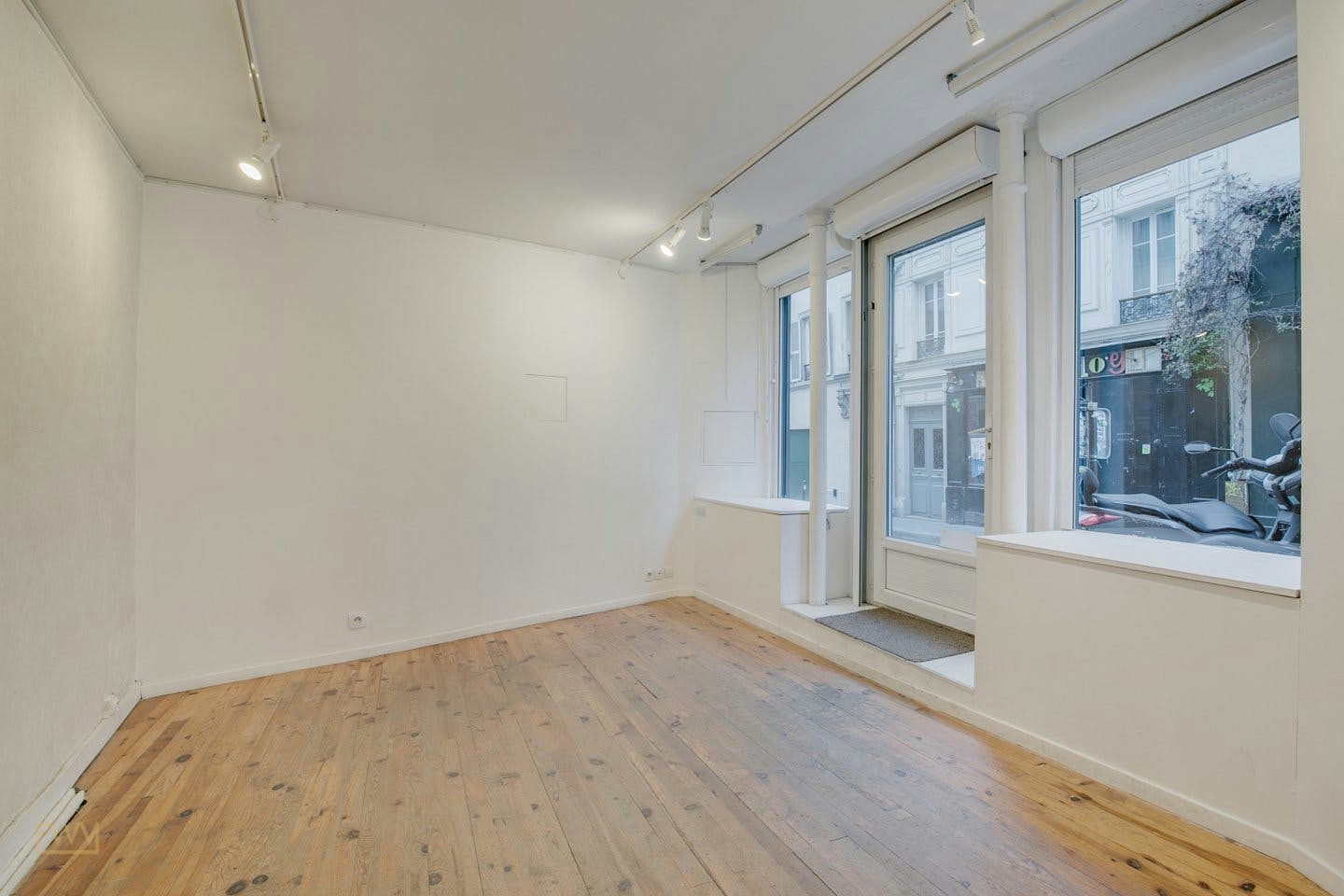
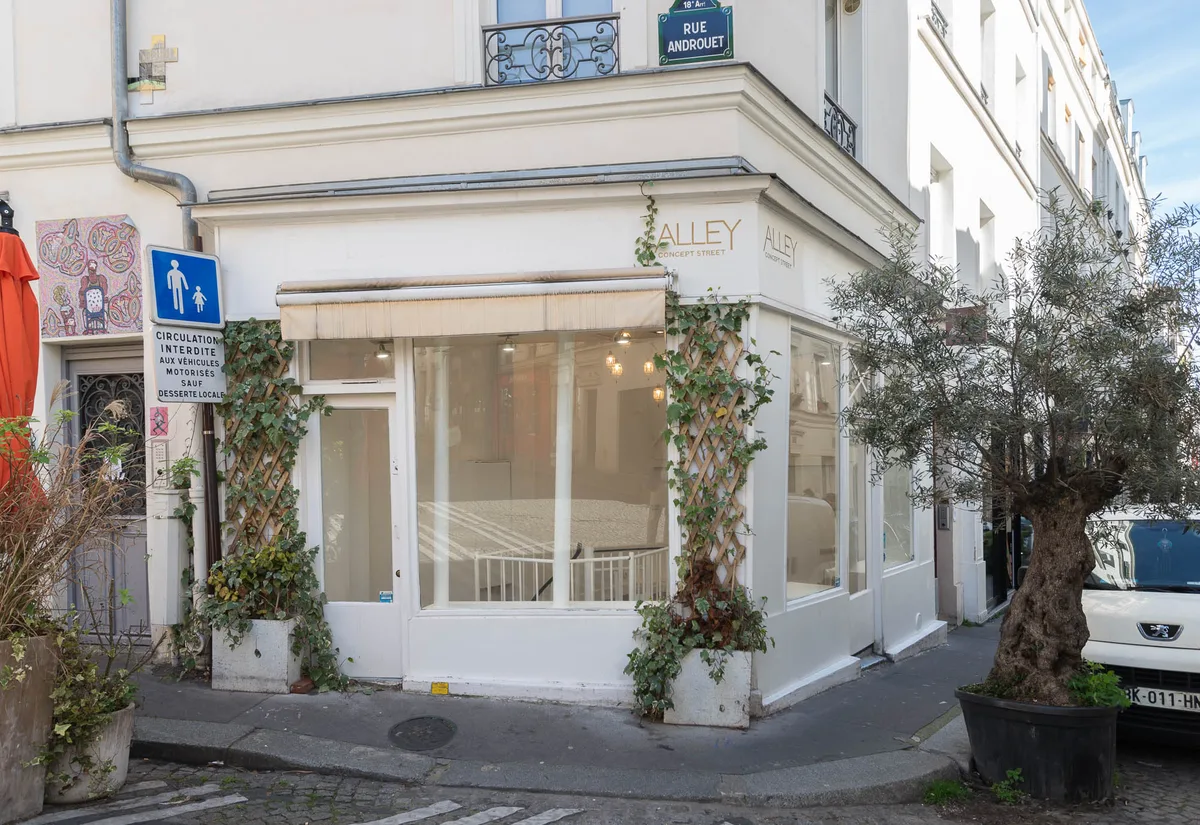
To rent retail space in the 9th arrondissement Paris is one of the most strategically sound decisions a fashion brand, DTC label, or luxury retailer can make when activating in the French capital. The 9ème arrondissement sits at the intersection of heritage commerce, contemporary retail culture, and fashion industry infrastructure, offering everything from grand Haussmannian storefronts on the Grands Boulevards to intimate showroom apartments in Pigalle. Whether your brief calls for a pop-up shop, a fashion showroom, a press day venue, or a market-testing space ahead of a permanent opening, Paris 9 provides the neighbourhood depth, foot traffic diversity, and architectural character that few districts can match. Fashion Week Venues supports brands activating across Paris, with deep expertise in short-term retail strategy, space sourcing, and full-service activation management.
Why the 9th Arrondissement of Paris Is a Priority Retail District
The 9th arrondissement of Paris occupies a uniquely privileged position in the city's commercial geography. Bordered by the 8th to the west, the 10th to the east, the 18th to the north, and the 2nd to the south, it functions as a natural connector between the luxury axis of the Opéra Garnier and the creative energy of Pigalle and lower Montmartre. For brands seeking temporary retail space, this connectivity translates into real commercial advantage.
The district's anchor institutions, including Galeries Lafayette on Boulevard Haussmann and Printemps nearby, generate enormous daily footfall from both international tourists and Parisian shoppers. This positions any retail activation within the 9th arrondissement as a beneficiary of ambient consumer traffic without requiring the enormous rental premiums demanded on the Champs-Élysées or Place de la Madeleine. A pop-up shop or boutique on a side street within walking distance of Galeries Lafayette Group's flagship can capture this overflow audience at a fraction of the cost of a comparable space in the 8th arrondissement.
The Saint-Lazare station, located on the western edge of the 9th, is one of the busiest rail hubs in Europe, connecting the arrondissement to major domestic and international routes. This infrastructure makes the 9th a natural arrival and departure point for trade visitors during Paris Fashion Week, Maison et Objet, and other significant professional events on the French capital's calendar. For brands hosting press days, showroom appointments, or trade activations, the ease of access from Saint-Lazare alone makes a compelling logistical case.
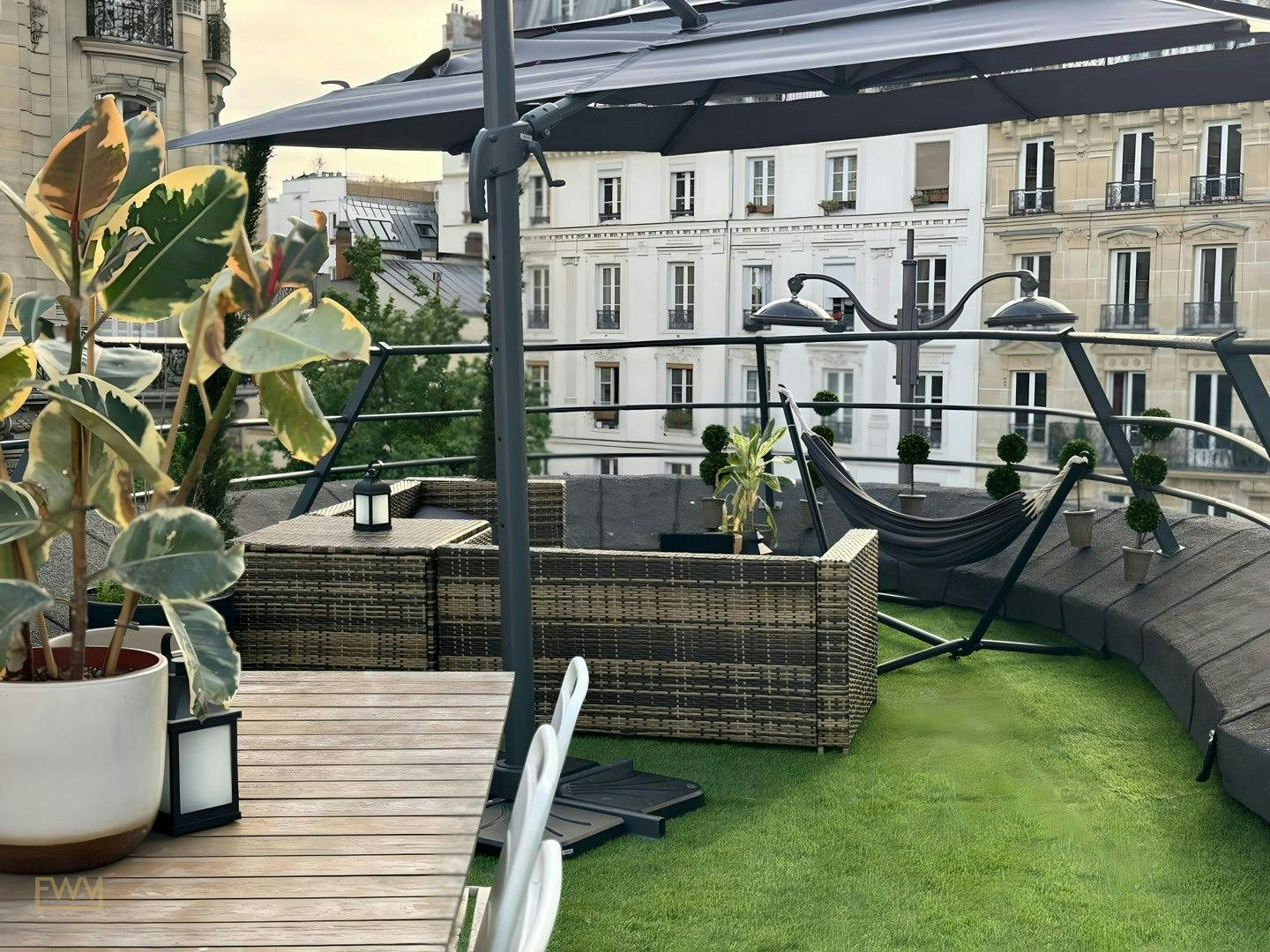
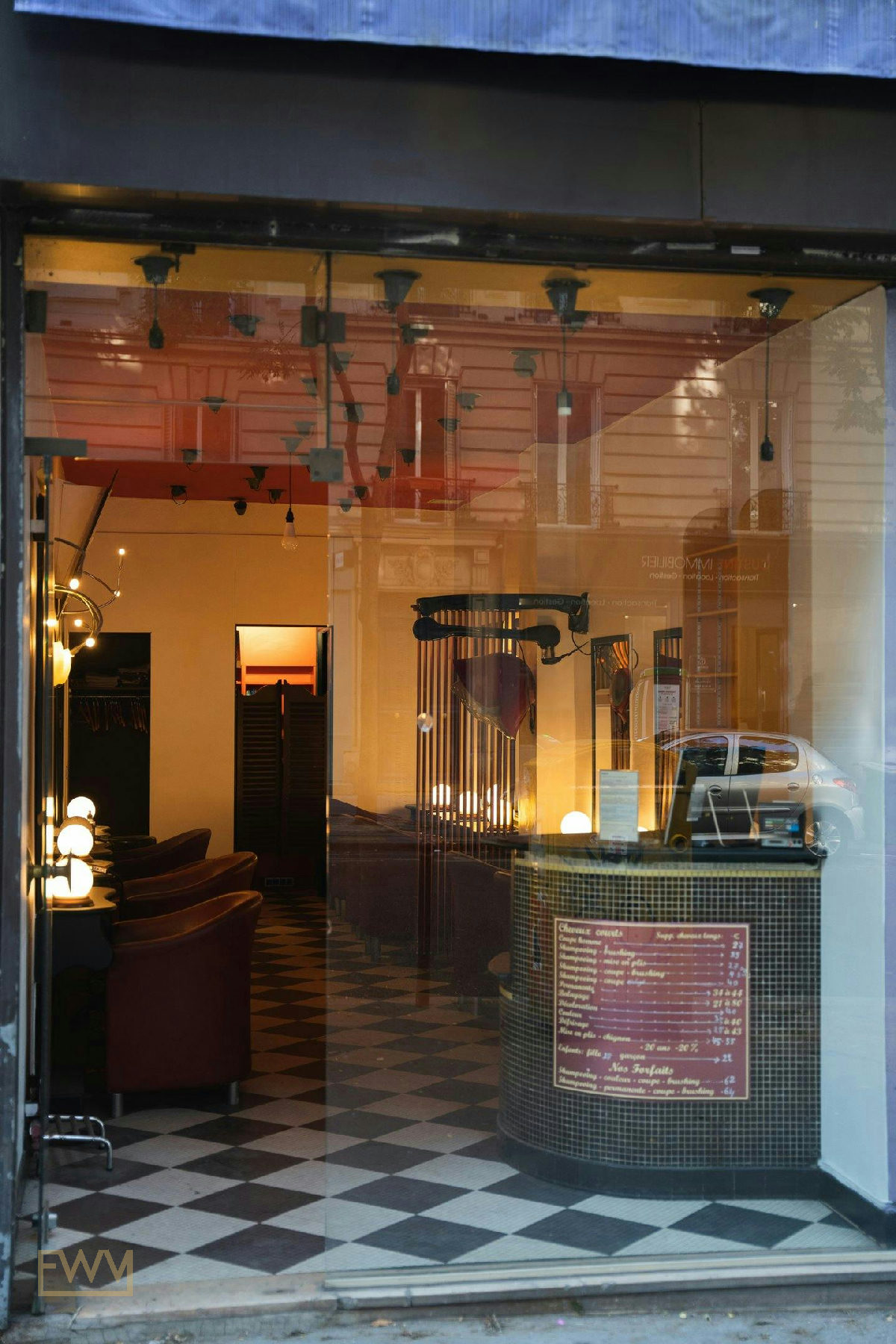
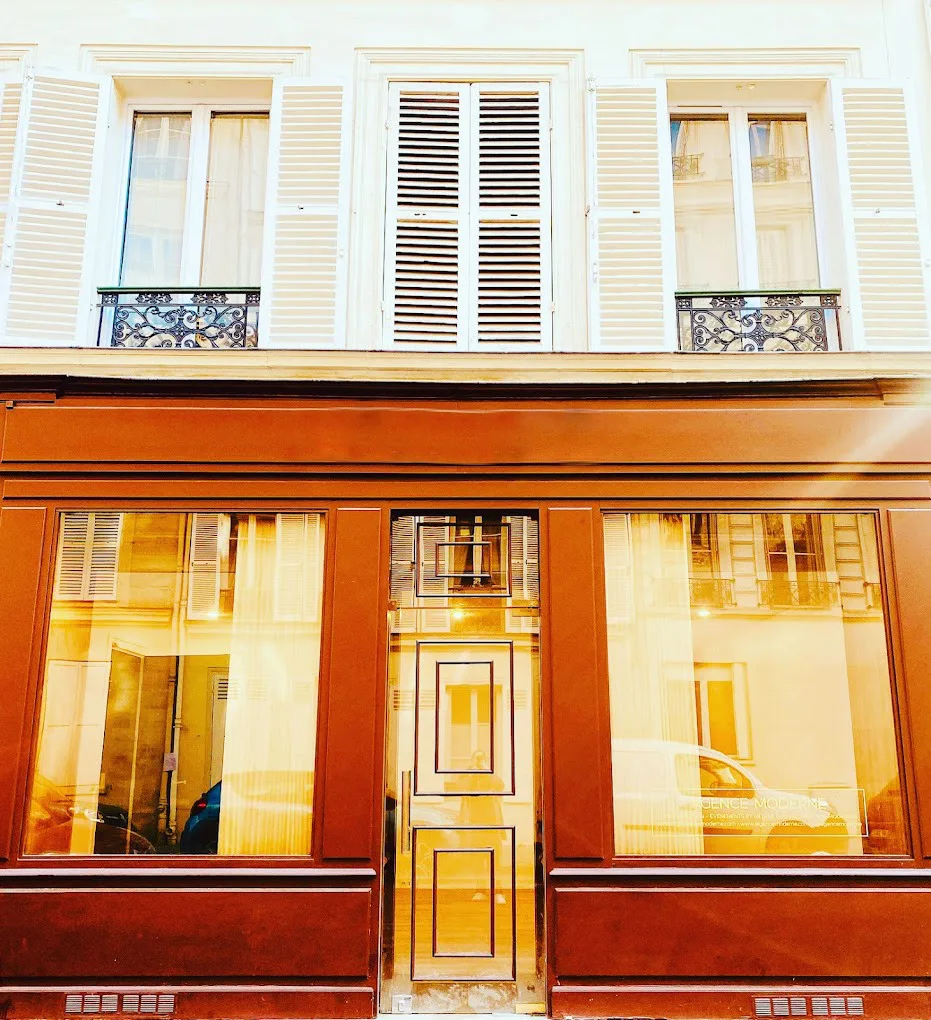
The architectural fabric of the 9th is also a major differentiator. Haussmannian architecture dominates the district's commercial streets, offering high ceilings, large door entrances, wide storefronts, ornate facades, parquet floors, and the kind of built-in visual prestige that brand teams would otherwise spend significant production budgets recreating. Spaces along Boulevard Malesherbes, Rue du Quatre Septembre, and Rue de la Baume carry a sense of established Parisian grandeur that reinforces brand positioning without requiring heavy fit-out investment.
The 9th also offers genuine neighbourhood variety within its boundaries. The Opéra quarter in the south is the district's commercial and tourist core. Pigalle and the streets climbing toward Montmartre in the north are younger, more culturally dynamic, and attract the creative, fashion-forward audience that emerging and contemporary brands actively seek. Rue des Martyrs, the district's most beloved food and lifestyle street, sits between these two poles and draws a loyal, local, and engaged consumer base that is genuinely receptive to discovery retail.
DID YOU KNOW: The 9th arrondissement is home to the Opéra Garnier, one of the most photographed landmarks in Paris, drawing millions of visitors annually and anchoring the district's tourism economy in ways that directly benefit nearby retail activations.
KEY TAKEAWAY: The 9th arrondissement offers a rare combination of high footfall, architectural prestige, neighbourhood diversity, and transport connectivity that makes it one of the most commercially efficient districts in Paris for temporary retail and fashion showroom activations.
Understanding which specific micro-location within the 9th best serves your brand's goals requires looking closely at the distinct character of each sub-neighbourhood, from Pigalle's creative credentials to the Opéra quarter's commercial density.
Pigalle, Opéra, Montmartre, and Grands Boulevards: Micro-Location Guide for the 9th
The 9th arrondissement is not a single commercial environment. It is a collection of distinct micro-markets, each with its own consumer profile, rental dynamics, and brand fit. Choosing the right street or sub-neighbourhood is as important as choosing the arrondissement itself.
Pigalle and Lower Montmartre
Pigalle has undergone a significant cultural transformation over the past decade. Once primarily associated with nightlife, the area around Rue Henry Monnier, Rue des Martyrs, and the streets immediately south of the Montmartre hill has become one of the most desirable locations for fashion brands, concept stores, and independent labels seeking a culturally credible address. The resident population here skews young, creative, and internationally connected. This is an audience that follows brands on social media, attends pop-up openings, and generates organic content that extends a brand's reach far beyond the physical activation window.
For DTC brands, streetwear labels, beauty concepts, and emerging fashion designers, a pop-up shop in Pigalle carries genuine brand currency. Spaces in this sub-neighbourhood tend to be smaller than those in the Opéra quarter, often featuring industrial workshops converted to retail use, loft-style configurations, and ground floor units with courtyard or backyard access. These spaces offer tactile authenticity that resonates with the Pigalle audience. Rental rates for short-term retail space in Pigalle are generally more accessible than comparable spaces in the 8th or 1st arrondissements.
The Opéra Quarter and Grands Boulevards
The Opéra quarter, centred on the Opéra Garnier and extending along the Grands Boulevards toward the 2nd arrondissement, is the commercial heart of the 9th. This is where tourist footfall peaks, where international visitors concentrate their shopping, and where the proximity to Galeries Lafayette and Printemps creates a natural retail gravity. Spaces here include large-format storefronts, ground-floor commercial units, and street-level retail on significant thoroughfares such as Boulevard Haussmann, Rue du Quatre Septembre, and Boulevard des Italiens.
For high street retailers, luxury brands testing new formats, or established fashion labels running seasonal campaigns, the Opéra quarter provides the volume and visibility that justify premium short-term rental commitments. The architectural quality is high throughout, with marble floors, ornate cornicing, and imposing facades that require minimal dressing to communicate prestige.
Rue des Martyrs
Rue des Martyrs is arguably the 9th arrondissement's most beloved commercial street for local Parisians. Running from the 9th into the 18th, it hosts a dense mix of artisan food shops, independent fashion boutiques, lifestyle stores, and neighbourhood cafés. The consumer here is local, loyal, and genuinely engaged with independent retail. For brands targeting a Parisian rather than tourist audience, a temporary retail space or boutique on or adjacent to Rue des Martyrs offers authentic neighbourhood integration.
Boulevard Malesherbes and the Western Edge
The western portion of the 9th, near Boulevard Malesherbes and the boundary with the 8th arrondissement, offers some of the district's most architecturally impressive Haussmannian spaces. These streets, quieter than the Grands Boulevards, attract upscale residents and are well suited to showroom activations, interior design presentations, and fashion showroom appointments where a calm, elegant environment is more appropriate than high street visibility.
| Sub-Neighbourhood | Best For | Consumer Profile | Space Character |
|---|---|---|---|
| Pigalle / Rue Henry Monnier | DTC brands, streetwear, emerging fashion, beauty | Young, creative, fashion-forward, local | Loft spaces, industrial workshops, courtyard access |
| Opéra Quarter / Grands Boulevards | High street retail, luxury testing, seasonal campaigns | Tourists, international shoppers, commuters | Large storefronts, marble interiors, high ceilings |
| Rue des Martyrs | Artisan brands, lifestyle labels, independent fashion | Local Parisians, neighbourhood loyalists | Boutique retail units, café-adjacent, intimate |
| Boulevard Malesherbes | Showrooms, press days, interior design presentations | Upscale residents, trade visitors | Grand Haussmannian apartments, parquet floors, balcons |
| Saint-Lazare Fringe | Trade activations, B2B showrooms, brand meetings | Business commuters, fashion trade visitors | Modern offices, mixed-use units, ground floor access |
Quick answer: The best sub-neighbourhood in the 9th arrondissement depends on your brand's target consumer. Pigalle suits creative and DTC brands seeking cultural credibility. The Opéra quarter maximises tourist and commercial footfall. Rue des Martyrs reaches loyal local Parisians. Boulevard Malesherbes offers Haussmannian prestige for showrooms and trade events.
KEY TAKEAWAY: Each sub-neighbourhood within the 9th arrondissement has a distinct commercial character. Matching your activation brief to the right micro-location is one of the most important decisions you will make before signing a short-term rental agreement.
Once you have identified the right micro-location, the next step is understanding what types of spaces are actually available and which configuration best serves your operational needs.
Space Types Available to Rent in Paris 9: Retail, Showroom, Pop-Up, and Beyond
The variety of commercial and semi-commercial spaces available to rent in the 9th arrondissement of Paris is one of the district's defining advantages for brand teams. Unlike districts dominated by a single property typology, the 9th offers a genuine spectrum of space types that can accommodate different activation formats, team sizes, and budget levels.
Pop-Up Shops and Short-Term Retail Storefronts
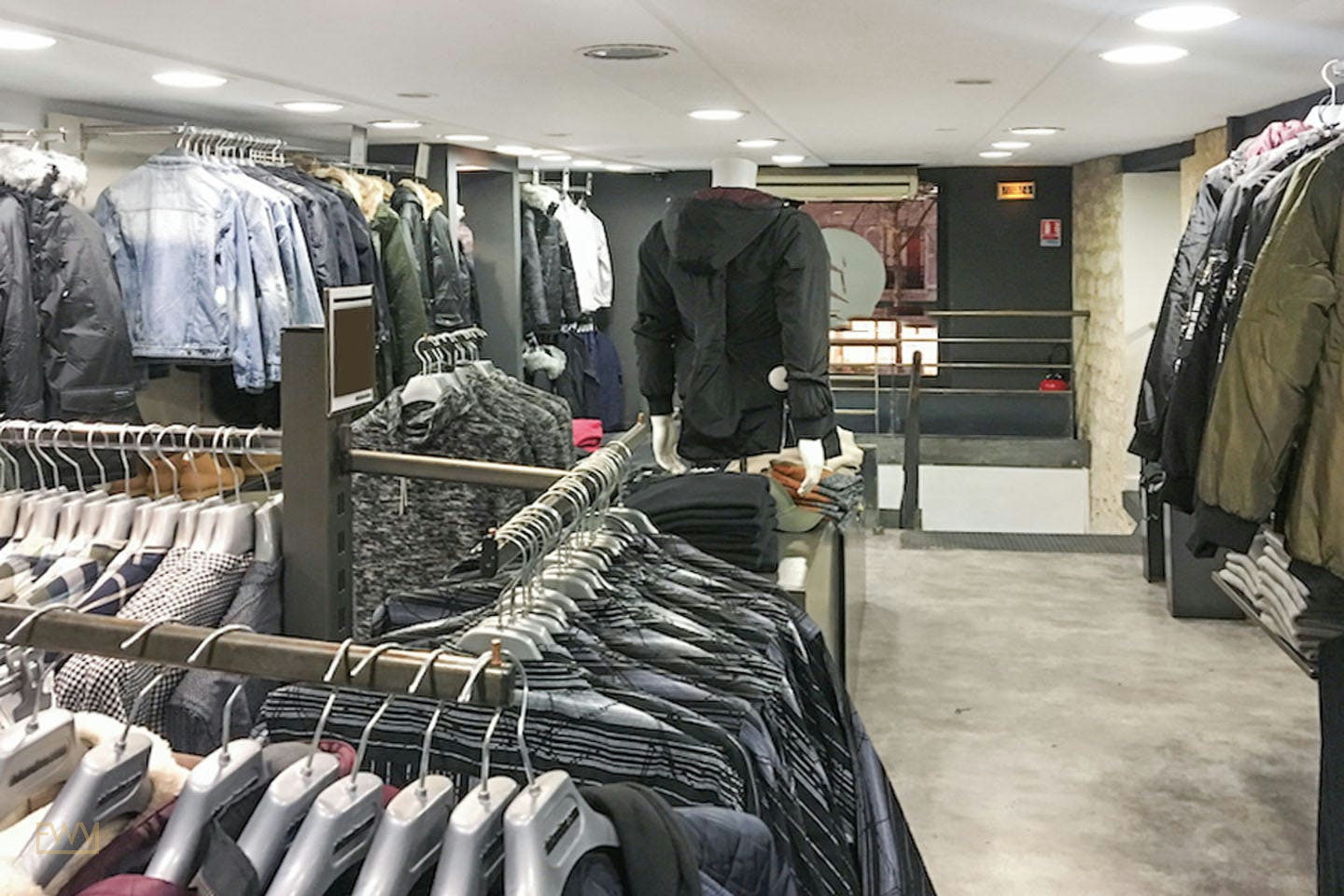
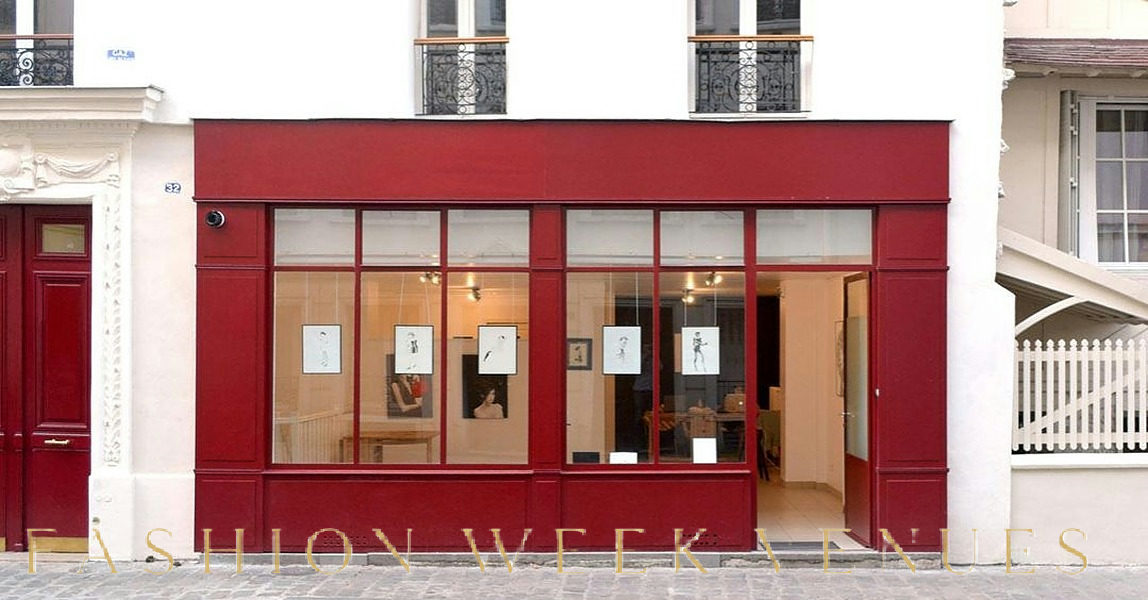
Pop-up shops represent the most common format for brands entering the 9th on a temporary basis. These are ground-floor or street-level retail units rented for periods ranging from a single week to several months, depending on the landlord's terms and the applicable lease framework. Pop-up shops in the 9th range from compact boutique units of around 20 to 40 square metres to large-format flagship-style spaces exceeding 200 square metres on the Grands Boulevards. Retail storefronts with large door entrances and ground floor access are particularly sought after for fashion activations requiring in-and-out traffic, delivery access, and the ability to create a window display.
Fashion Showrooms and Showroom Apartments
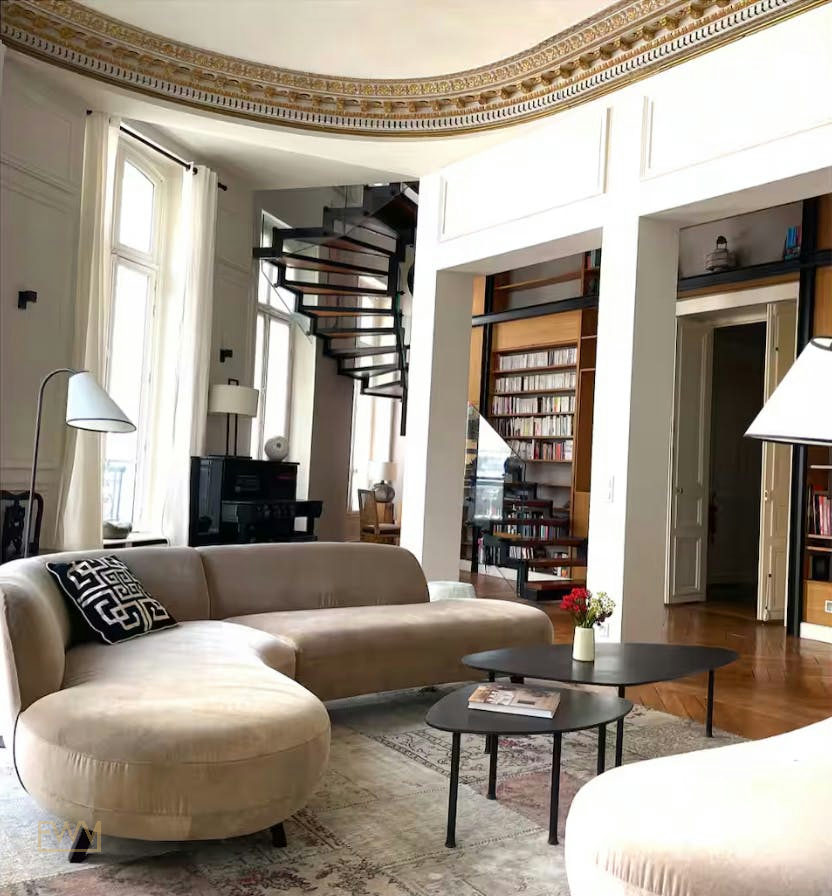
The 9th arrondissement has a long-established tradition as a showroom district, partly because of its proximity to the Opéra quarter's press and trade infrastructure and partly because its grand Haussmannian apartments provide the kind of elegant, neutral-toned interiors that work exceptionally well for collection presentations. Showroom apartments with parquet floors, high ceilings, and balcon access are available throughout the district, particularly on streets such as Rue de la Baume, Rue Boissière, and the quieter residential streets between Boulevard Haussmann and Boulevard des Italiens.
For brands running press days, buyer appointments, or trade showrooms during Paris Fashion Week or other key calendar windows, a vast showroom in a grand duplex central haussmannien offers both functional space and inherent brand communication. The architecture does significant presentational work before a single garment is hung.
Gallery and Concept Space Rentals
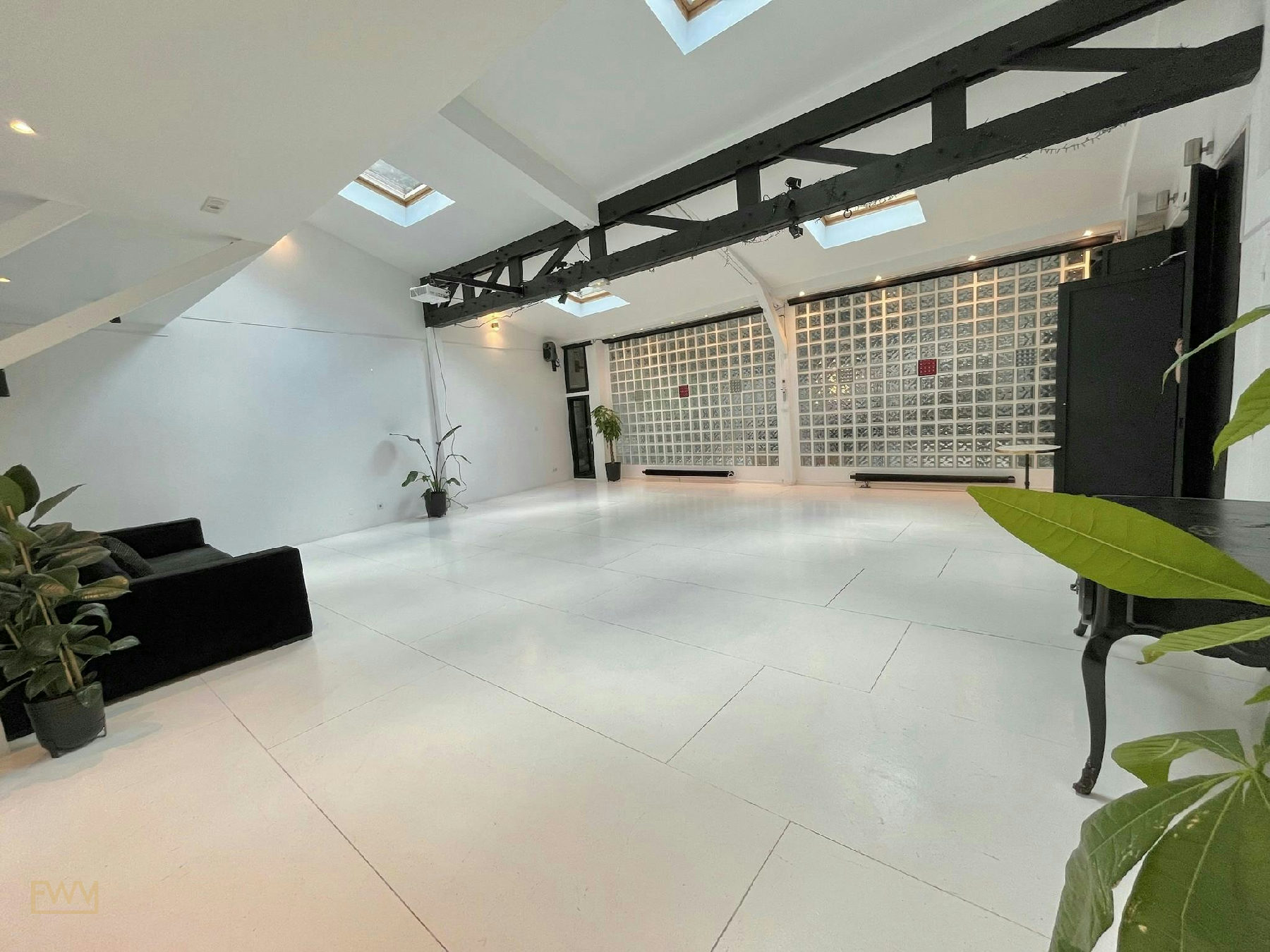
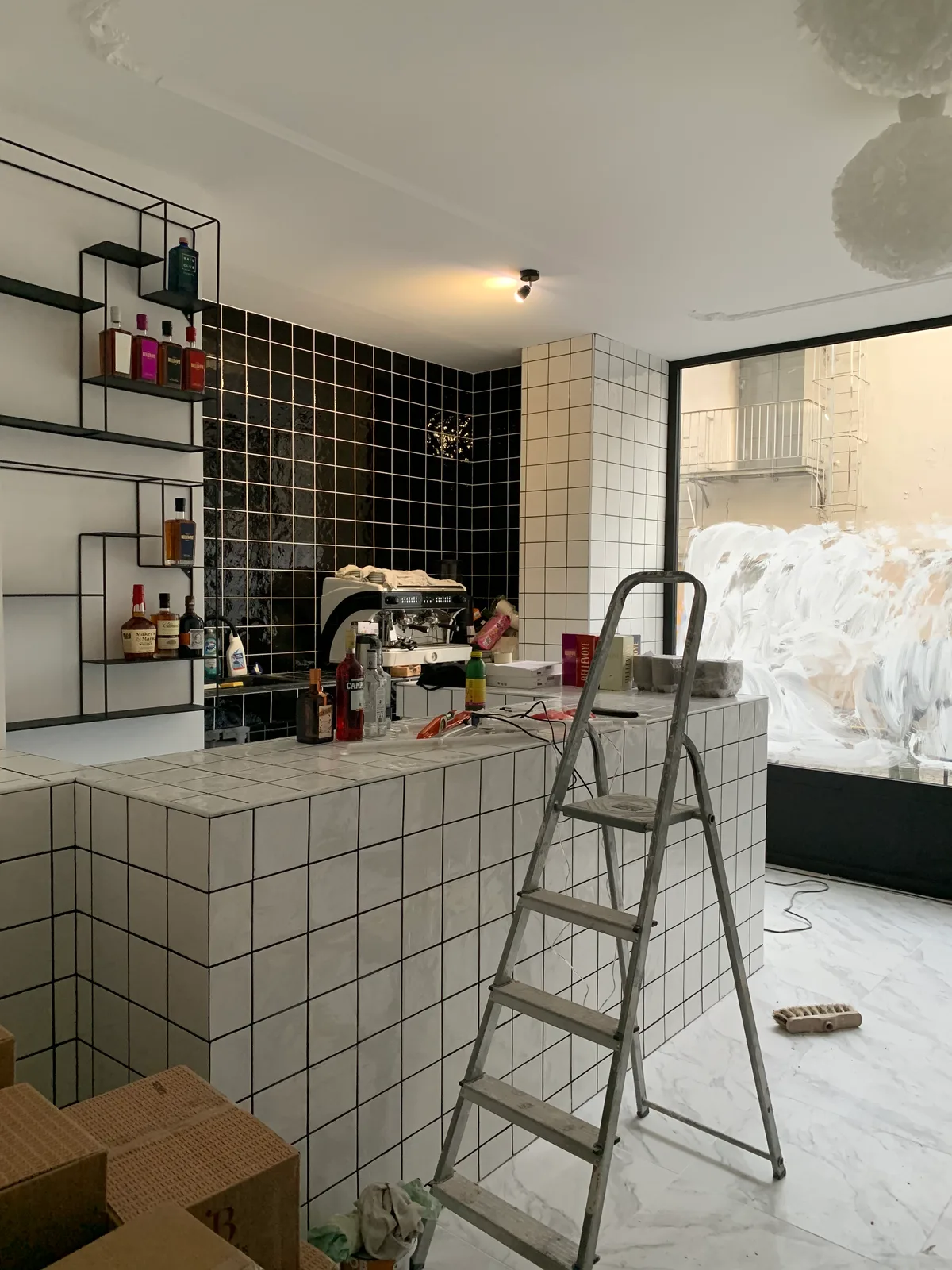
The gallery format, a neutral-white or loft-style space with track lighting, polished concrete or tiled flooring, and minimal architectural detail, is particularly popular in the Pigalle and lower Montmartre areas. These spaces suit brands that need a blank canvas for branded store design installations and do not want the architectural character of a Haussmannian apartment to compete with their own visual identity. Gallery spaces in the 9th are also used for art and design collaborations, brand engagement events, and influencer marketing activations where Instagram-friendly interiors are a creative requirement.
Loft Spaces and Industrial Workshops
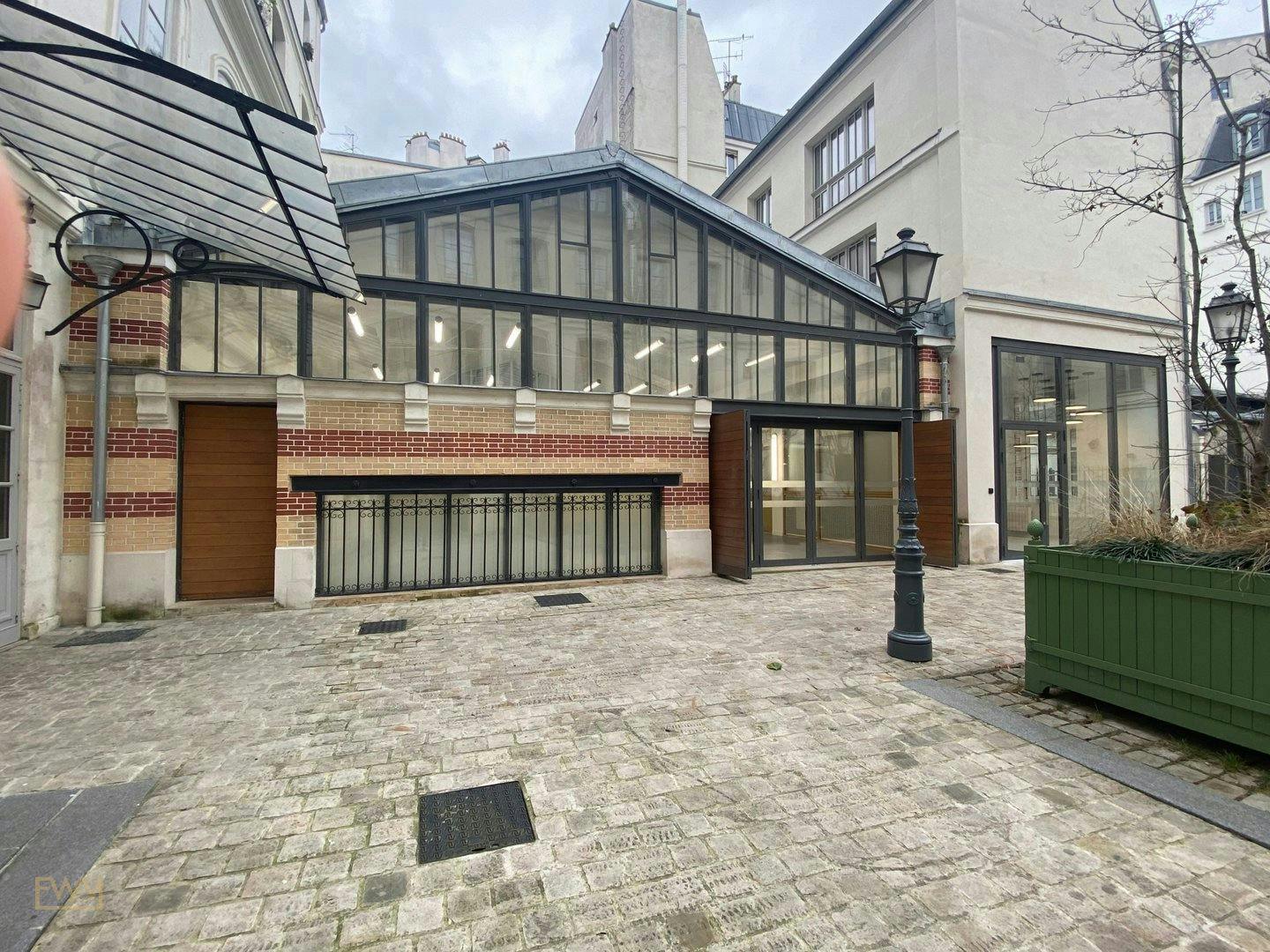
Industrial workshops and loft configurations, more common in the northern section of the 9th near Pigalle, offer large floor areas with minimal internal division, high structural ceilings, large entrance doors suitable for set-build deliveries, and a raw, textured aesthetic that has proven highly effective for streetwear, sportswear, and contemporary fashion brands. These spaces frequently come with ground floor backyard or courtyard access, which is useful for outdoor extensions of an activation or for staging and delivery logistics.
Coworking Spaces and Meeting Rooms
For brands that need a base of operations during a Paris activation rather than a full retail or showroom footprint, the 9th arrondissement offers a range of coworking spaces and dedicated meeting rooms. These work particularly well as coordination hubs for production teams, as spaces for brand-to-buyer meetings outside the main showroom, or as temporary office rental solutions during multi-week activations. Providers such as Deskeo and Workthere list modern office and workspace options in the district, and the 9th's central position relative to major transport hubs makes it a logical choice for a temporary operational base.
| Space Type | Typical Size Range | Best Use Cases | Key Features to Look For |
|---|---|---|---|
| Pop-Up Shop Storefront | 20 to 300+ sqm | Retail sales, product launches, brand campaigns | Street-level access, large door entrance, window display |
| Fashion Showroom Apartment | 60 to 200 sqm | Press days, buyer appointments, collection presentations | Parquet floors, high ceilings, balcon, natural light |
| Gallery or Concept Space | 40 to 150 sqm | Brand events, influencer activations, product showcases | White walls, track lighting, tiled or polished concrete floors |
| Loft or Industrial Workshop | 80 to 400 sqm | Large-scale activations, streetwear launches, set builds | High ceilings, large door, courtyard access, raw aesthetic |
| Coworking or Office Space | Per desk or per suite | Operational base, brand meetings, temporary HQ | Connected, modern, meeting rooms, flexible terms |
Quick answer: The 9th arrondissement offers pop-up storefronts, Haussmannian showroom apartments, gallery spaces, loft and industrial units, and coworking facilities. The right space type depends on whether your activation is consumer-facing retail, trade-focused, brand event-led, or operationally orientated.
KEY TAKEAWAY: Matching space type to activation format is critical. A fashion showroom appointment requires a different physical environment than a consumer pop-up shop, and the 9th arrondissement provides genuine options across both ends of this spectrum.
Understanding which space type fits your brief is the first step. Navigating the practical mechanics of renting that space, including lease frameworks, permit requirements, and compliance obligations, is the next challenge every brand team must address.
Permits, Lease Types, and Commercial Regulations for Temporary Retail in Paris 9
Renting a retail space in Paris as a foreign brand involves navigating a legal and regulatory framework that is meaningfully different from short-term commercial letting in the United Kingdom, United States, or other markets where fashion brands commonly operate. Understanding the relevant lease types and permit frameworks before committing to a space is essential to avoiding costly compliance failures or activation delays.
The Bail Dérogatoire
The most commonly used lease structure for temporary retail and pop-up activations in Paris is the bail dérogatoire, sometimes called a short-term derogatory lease or bail précaire. Under French commercial law, this instrument allows landlords and tenants to agree on a short-term occupancy of up to 36 months, outside the protections and obligations of the standard 3-6-9 commercial lease that governs permanent retail tenancies in France. The bail dérogatoire is widely used for pop-up shops, temporary showrooms, and short-term brand activations precisely because it offers flexibility for both parties.
However, the bail dérogatoire is not a simple or informal arrangement. It must be correctly drafted and executed under French law. Brands should not assume that a verbal or informal agreement with a space owner is legally binding or sufficient. Engaging a French legal advisor or working with a specialist agency that manages this process on your behalf is strongly recommended. Requirements vary by space type, duration, and arrondissement, and what works for one activation may not be appropriate for another.
Autorisation d'Occupation Temporaire (AOT)
For activations in publicly owned or semi-public spaces, such as streets, public squares, or public building forecourts, an Autorisation d'Occupation Temporaire (AOT) is required from the relevant municipal authority. AOTs are also relevant for brands wishing to extend their activation footprint onto a public pavement or create an outdoor brand experience adjacent to a privately rented space. The process for obtaining an AOT involves submitting a formal application to the Paris city administration, including details of the planned activity, duration, and spatial footprint. Approval is not guaranteed, and timelines vary.
Commercial Activity Requirements and the SIRET Number
Conducting commercial retail activity in France, including selling products directly to consumers through a pop-up shop, generally requires the operating entity to hold a valid SIRET number, which is the standard French business registration identifier. Foreign brands without an existing French legal entity will need to address this requirement before opening a consumer-facing retail activation. Options include registering a French business entity, operating through a registered French agent or partner, or structuring the activation in a way that does not trigger direct commercial sale obligations. Each approach carries different tax and administrative implications.
IMPORTANT: The requirements described here are directional and educational in nature. Commercial regulations in France are complex and evolving. Always verify your specific obligations with a qualified French legal advisor before signing a lease or committing to a commercial activation in Paris. Fashion Week Venues' permit guidance tool provides a useful starting framework for understanding the permit landscape for your specific activation type.
Security Technologies and Venue Compliance
Many commercial spaces in the 9th arrondissement, particularly those listed through professional platforms, will include or require security technologies such as video surveillance systems and access control systems as part of the rental agreement. Understanding which security infrastructure is already in place, which the landlord expects you to install during your tenancy, and which you are responsible for removing on departure is an important part of the due diligence process before signing any short-term lease.
Quick answer: Temporary retail activations in Paris typically use a bail dérogatoire for short-term occupancy. Public space use requires an AOT from the city. Commercial sales activity generally requires a SIRET number. Requirements vary significantly by space type, location, and activation format. Always verify specifics with a qualified French legal advisor.
KEY TAKEAWAY: Permit and compliance requirements for renting retail space in the 9th arrondissement of Paris are substantive and must be addressed before activation, not after. Working with specialists who understand French commercial regulations materially reduces execution risk.
With the regulatory landscape understood, the next critical variable for any brand planning a temporary retail activation in Paris 9 is cost. Understanding how to model and manage your budget accurately determines whether the activation delivers a positive return.
Budgeting to Rent Retail Space in the 9th Arrondissement: What to Expect
Budgeting accurately for a temporary retail activation in the 9th arrondissement of Paris requires understanding that the rental fee for the physical space is only one component of the total cost. Brand teams that focus exclusively on the headline rental rate and underestimate the surrounding cost stack frequently encounter budget overruns that compromise the quality and commercial return of the activation.
Space Rental Costs
Short-term retail space rental in the 9th arrondissement is priced variably depending on space type, size, location, duration, and the time of year. Spaces in high-demand micro-locations such as the immediate vicinity of Galeries Lafayette or the Opéra Garnier command higher rates than comparable spaces in Pigalle or on quieter residential streets. Pricing can be expressed as a daily rate, a weekly rate, or a monthly rate, and short-duration bookings during peak fashion and retail calendar windows typically attract premium pricing relative to off-peak periods.
Platforms such as Storefront and specialist marketplace tools list individual space prices where landlords have provided them, but many premium or off-market spaces are priced on application. As directional guidance only, short-term pop-up and showroom spaces in Paris 9 have been listed publicly at rates starting from approximately 300 to 500 euros per day for smaller or more peripheral units, rising significantly for large-format storefronts in high-footfall locations during peak calendar windows. These figures are indicative only and should not be treated as guaranteed market rates. Use Fashion Week Venues' budget estimation tool to model costs specific to your space size, location, and activation duration.
Production and Fit-Out Costs
Beyond the rental rate, brands must budget for fit-out and production costs, which include temporary partitioning or shelving installation, branded store design elements, furniture rental, lighting rigs, and POS installation. Even in architecturally characterful Haussmannian spaces where minimal dressing is required, brands typically invest in some level of visual merchandising and branded environment work. In loft or industrial spaces where the blank canvas is more literal, production costs are proportionally higher.
Operational and Staffing Costs
Retail staffing, including sales staff, security, and brand ambassadors, represents a significant operational cost for any consumer-facing pop-up in Paris. French employment law imposes specific obligations on employers, including minimum wage requirements, contract formalisation, and social contribution payments. Working with a specialist staffing provider familiar with French labour regulations is advisable for brands without an existing French payroll structure.
Marketing and Activation Costs
A marketing campaign to drive awareness of your pop-up or showroom activation, including social media content production, influencer marketing partnerships, local PR, and any event costs associated with an opening event or press evening, must be factored into the total activation budget. Paris is a market where local press and influencer engagement can dramatically amplify the return on a temporary retail investment, but this requires dedicated budget and lead time.
TIP: For brands exploring a co-activation model where two brands share a single space to split costs and cross-pollinate audiences, the Fashion Week Venues twin concept offers a structured framework for planning and executing shared activations in Paris.
Ancillary Costs
Budget should also be reserved for utilities (where not included in the rental), insurance, security deposits, permit application fees, professional legal fees for lease review, and the cost of reinstating the space to its original condition at the end of the tenancy.
Quick answer: Total activation costs in the 9th arrondissement include space rental, fit-out and production, retail staffing, marketing and influencer activation, insurance, legal fees, and reinstatement. The rental fee is typically only 30 to 50 percent of the total budget for a well-executed activation. Use a dedicated budget tool to model the full cost stack before committing to a space.
KEY TAKEAWAY: Brands that budget only for the rental rate and ignore production, staffing, marketing, and compliance costs consistently underestimate their total activation investment. A full cost-stack model built before space selection produces better commercial outcomes than one built after commitment.
To compare the commercial return against this investment, brands should also model their ROI expectations before committing to a specific space and duration, which the next section addresses.
To compare neighbourhoods and space types, explore the Paris city hub on Fashion Week Venues and shortlist spaces that match your brief, budget, and calendar window.
How to Find and Evaluate Retail Space for Rent in Paris 9
Finding the right space to rent in the 9th arrondissement of Paris requires a more systematic approach than browsing a single platform and booking what looks good in the photos. The most successful activations are grounded in a structured search and evaluation process that balances creative ambition with operational pragmatism.
Commercial Real Estate Platforms and Listing Services
Multiple platforms list commercial and semi-commercial spaces available for short-term rental in Paris. Storefront is the most widely recognised short-term retail and pop-up space marketplace in the French market, with listings across all major Paris arrondissements including the 9th. Listings on Storefront typically include photos, daily rental rates, space dimensions, space features such as tiled flooring, white walls, track lighting, marble floors, parquet floors, and high ceilings, and a site search tool that allows filtering by space type, arrondissement, and floor and access configuration.
LoopNet and CoStar serve the professional commercial real estate market and list larger commercial units on longer lease terms, making them more relevant for brands considering a semi-permanent Paris presence than a short-term pop-up. Flexas.com and Workthere are more orientated toward office space and coworking, useful for brands needing a working base rather than a retail footprint. Deskeo specialises in flexible office and workspace solutions and lists options across central Paris arrondissements including the 9th.
For off-market spaces, or spaces that are not listed on any public platform, working with a local property agent or broker professionals with established landlord networks in the 9th arrondissement often surfaces opportunities that would not otherwise be accessible. An iad agent or a specialist Agence Paris with experience in short-term commercial lets can be a valuable resource for brands with specific space requirements that public listings do not satisfy.
What to Look for in Space Listings
When evaluating individual space listings, beyond the headline rental rate and location, the following property features are particularly important for fashion retail and showroom activations in Paris 9: floor access and the number of steps at entry, the presence of a large door entrance for equipment and merchandise delivery, ceiling height and natural light levels, the condition and character of the flooring (parquet floors, tiled flooring, marble floors, or polished concrete each communicate differently to consumers), the availability of secure storage, the presence or absence of air conditioning and heating, the Wi-Fi and POS infrastructure already in place, and the condition of the facade from the street.
Photos provided in listings are often the first filter in a search process. However, always request an in-person or virtual walk-through before committing to any space. The difference between a space as photographed and a space as it operates under retail conditions can be significant, particularly in older Haussmannian buildings where the charm of the architecture can mask practical challenges such as limited electrical capacity, restricted delivery access, or basement-only storage.
Using a Space Comparison Framework
Once you have shortlisted two or more candidate spaces, a structured comparison framework helps teams make objective decisions rather than defaulting to the most visually appealing option. Key comparison variables include total cost for your required duration, effective cost per square metre, proximity to target consumer traffic, transport access for visitors and trade guests, space features relevant to your activation format, and the flexibility of the lease terms if your plans change.
Fashion Week Venues' space comparison tool provides a structured framework for evaluating shortlisted spaces against your specific activation brief, helping brand teams move from instinct-driven selection to evidence-based decision-making.
| Evaluation Criterion | Why It Matters | Questions to Ask the Landlord |
|---|---|---|
| Floor / Access | Affects foot traffic conversion and delivery logistics | Is there step-free access? What are the delivery hours and access points? |
| Ceiling Height | Impacts visual merchandising and the sense of space | What is the exact ceiling height? Are there structural constraints? |
| Electrical Capacity | Determines lighting rig and POS infrastructure options | What is the amperage and where are the main distribution points? |
| Facade and Window | Drives street-level awareness and window display opportunity | Can the window be dressed? Are there restrictions on external signage? |
| Lease Flexibility | Protects brands from overcommitting to an underperforming space | Is an early termination clause available? What notice period is required? |
| Permitted Use | Determines whether the space can legally be used for your activation type | Is retail sale of products permitted under the current change of use? |
| Security Infrastructure | Affects insurance premiums and stock protection | Is video surveillance already installed? Who holds access control? |
Quick answer: The most effective approach to finding retail space in Paris 9 combines public platform search (Storefront, LoopNet, Flexas.com) with direct outreach to local property agents and broker professionals. Evaluate candidate spaces on floor access, ceiling height, electrical capacity, lease flexibility, and permitted use, not just on photos and price.
KEY TAKEAWAY: Space discovery is only the first step. Rigorous evaluation of physical, legal, and operational characteristics before committing to a rental agreement is what separates successful activations from costly mistakes.
Understanding how a specialist agency can support both the search and the execution process is the next important consideration for brand teams who recognise the limits of their own Paris market knowledge.
How Fashion Week Venues Supports Brands Renting Retail Space in Paris 9
Fashion Week Venues operates as a full-service pop-up shop agency and space marketplace with a primary focus on Paris and other major fashion capitals. For brand teams planning to rent retail space in the 9th arrondissement, or any other Paris district, Fashion Week Venues provides both the discovery infrastructure and the execution capability to move from initial brief to open activation efficiently and with reduced operational risk.
Space Discovery and Venue Sourcing
Fashion Week Venues' venue sourcing service covers both the platform marketplace and off-market sourcing through established landlord and agent relationships in Paris. This means brand teams have access to spaces that are not publicly listed, including Haussmannian showroom apartments, large-format retail units on the Grands Boulevards, and loft spaces in Pigalle that are made available exclusively to agency-represented brands. The marketplace itself, accessible at Fashion Week Venues' space marketplace, lists curated options with verified space details, photos, and pricing guidance.
Concept Direction and Branded Store Design
For brands that have found the right space but need support developing the creative concept for the activation, Fashion Week Venues offers dedicated concept and creative direction services. This covers everything from the initial spatial brief and mood boarding through to the detailed branded store design that will be executed during fit-out. The imagine tool on the Fashion Week Venues platform allows brand teams to visualise how a space might look with different design treatments before committing to a specific creative direction.
Production, Build, and Fit-Out
The production and build service manages the physical transformation of a rented space from empty shell to branded retail environment. This includes coordinating and managing contractors, sourcing and delivering furniture through the furniture rental service, installing lighting, POS infrastructure, and any bespoke built elements, and ensuring that the space meets both creative standards and the landlord's handback requirements.
Retail Staffing and Activation Management
Fashion Week Venues provides retail staffing support for brands that need bilingual sales staff, brand ambassadors, or event staff for their Paris activation. The activation management service coordinates the full operational programme from opening through to close, managing day-to-day logistics so that brand teams can focus on relationships and content rather than operational troubleshooting.
Planning and Decision Tools
Fashion Week Venues provides a suite of planning tools that are directly relevant to brands navigating the 9th arrondissement market. The timeline planning tool maps the critical path from initial brief to activation open, the budget tool models the full cost stack, the ROI calculator helps brands model expected return against investment, and the permit guidance tool provides a starting framework for understanding compliance obligations specific to an activation type and Paris location.
Quick answer: Fashion Week Venues offers end-to-end support for brands renting retail space in Paris 9, covering venue sourcing, concept direction, production and build, retail staffing, activation management, and a suite of planning and decision tools. The agency works best with brand teams who have a clear brief, a defined budget range, and a realistic timeline.
KEY TAKEAWAY: Working with a specialist agency reduces execution risk, saves research time, and typically produces a higher-quality activation than a brand team managing all elements independently in an unfamiliar market. Understanding what an agency can and cannot guarantee is part of making an informed agency selection decision.
For brands comparing agency options or evaluating whether to use an agency at all, Fashion Week Venues' guide on hiring a pop-up agency provides a practical framework for making that decision.
Calendar Strategy: Aligning Your Paris 9 Activation with Key Commercial Windows
The timing of a temporary retail activation in the 9th arrondissement of Paris is not merely a logistical variable. It is a strategic one. The French capital operates on a highly structured commercial calendar, and the most successful activations are precisely timed to align with periods of elevated footfall, media attention, and trade engagement.
Paris Fashion Week
Paris Fashion Week is the most obvious and most competitive calendar window for brands activating in the 9th arrondissement. Held twice annually, in late February or early March for the autumn/winter collections and in late September or early October for spring/summer, Fashion Week concentrates an extraordinary density of buyers, press, stylists, influencers, and high-value consumers in central Paris. The 9th arrondissement, with its proximity to showroom infrastructure, the Opéra quarter's press infrastructure, and easy access from major transport hubs including Saint-Lazare station, is one of the most logically positioned districts for Fashion Week activations.
However, the demand for spaces during Fashion Week is significantly higher than at any other point in the calendar, and space availability, particularly for high-quality units in premium locations, can be constrained weeks or months in advance. Brands planning a Fashion Week activation in the 9th should begin their space search at minimum six to eight weeks before the required start date, and ideally three to four months in advance for the most sought-after spaces.
Beyond Fashion Week: Year-Round Retail Calendar
Paris Fashion Week is the most visible calendar window but it is not the only viable one. The soldes, the formal French sales periods in January and July, drive significant consumer footfall across the arrondissement, particularly near Galeries Lafayette and Printemps. The Christmas and end-of-year retail period from late November through December is one of the strongest consumer spending periods in the Parisian calendar. Trade shows such as Maison et Objet (January and September) and Première Vision (February and September) bring significant numbers of international design and fashion trade professionals into Paris, creating strong audiences for showroom activations in the 9th.
DTC brands and market-testing pop-ups targeting Parisian consumers rather than the trade market may actually find more value in activating during lower-competition windows, where rental rates are more accessible, staffing is easier to secure, and the activation stands out more distinctly against a less crowded competitive landscape.
Duration Planning
The optimal duration for a temporary retail activation in Paris 9 depends on your brand's specific objectives. A single-week pop-up shop aligned with a product launch or Fashion Week moment creates urgency and exclusivity. A four to six week activation allows enough time to build neighbourhood awareness, develop organic foot traffic, and generate meaningful sales data. A two to three month activation begins to function as a market-testing exercise for brands considering a more permanent Paris presence.
Use Fashion Week Venues' timeline planning tool to map your activation calendar against key Paris commercial windows and identify the lead times required for each element of the production and activation process.
DID YOU KNOW: Paris Fashion Week activations in the 9th arrondissement can attract consumers, buyers, and press from over 80 countries in a single week, making a well-positioned temporary retail space in the district a powerful global brand-building tool beyond its direct sales return.
KEY TAKEAWAY: Calendar alignment is a strategic advantage, not just a scheduling convenience. The best activations in the 9th arrondissement are timed to specific commercial windows and planned with enough lead time to secure the right space, complete the fit-out, and drive pre-launch awareness.
Understanding the full range of strategic, logistical, and neighbourhood considerations that define a successful activation in Paris 9 also requires addressing some of the most persistent misconceptions that brand teams bring to the market.
Common Myths About Renting Retail Space in the 9th Arrondissement Paris
MYTH: You need a French legal entity to rent a commercial space in Paris.
FACT: Many temporary retail and pop-up activations in Paris are structured without the foreign brand holding a French legal entity directly. It is possible to work through a registered French agency, partner, or lease management structure. However, the specifics depend on the space type, the nature of the commercial activity, and the applicable regulatory framework. Professional legal advice is essential. Requirements vary significantly by situation, and no blanket approach applies universally.
MYTH: Paris Fashion Week is the only commercially viable calendar window for activating in the 9th arrondissement.
FACT: While Fashion Week concentrates extraordinary attention and creates strong commercial conditions, many brands achieve excellent results from activations during the soldes, the Christmas retail period, Maison et Objet trade windows, and mid-season brand moments. Off-peak activations often benefit from lower rental rates, better space availability, and a less crowded competitive environment for consumer attention.
MYTH: Commission brokers are the only reliable way to find a short-term retail space in Paris 9.
FACT: Multiple routes to space discovery exist, including public platforms such as Storefront, direct landlord outreach, local property agents, and specialist agency marketplaces such as Fashion Week Venues. Commission brokers can be valuable, particularly for off-market spaces, but they are not the only or necessarily the most efficient route to finding the right space for a specific brief.
MYTH: Short-term commercial leases in Paris are informal and legally straightforward without specialist help.
FACT: The bail dérogatoire and other short-term lease instruments used for temporary retail in Paris are governed by French commercial law and carry real legal obligations for both landlord and tenant. Errors in lease drafting or compliance with the conditions of a bail dérogatoire can result in the unintended creation of a protected commercial tenancy, which carries significantly greater landlord obligations and tenant rights than a short-term arrangement. Always engage a qualified French legal advisor before signing any commercial lease in Paris.
MYTH: All spaces described as pop-up ready in listings are immediately available for commercial retail sales.
FACT: A space being available for short-term rental does not automatically mean it is licensed for commercial retail sales activity. The permitted use recorded for a property under French planning law may restrict the type of commercial activity that can be conducted without a change of use application. Brands should verify the permitted use of any candidate space before signing a lease, particularly if the planned activation involves direct consumer sales rather than purely non-commercial brand events.
Frequently Asked Questions
Why should I rent retail space in the 9th arrondissement of Paris rather than another Paris district?
The 9th arrondissement combines high consumer footfall from tourism and commuter traffic, exceptional architectural character through its Haussmannian building stock, neighbourhood diversity from the Opéra quarter to Pigalle, and competitive rental rates relative to the 8th or 1st arrondissements. Its proximity to Galeries Lafayette and Printemps generates ambient retail traffic that benefits nearby activations. The district also has strong transport connectivity through Saint-Lazare station, making it accessible for both consumer audiences and trade visitors during Fashion Week and professional events. For fashion brands specifically, the 9th's established culture of showrooms and temporary retail makes it a well-understood and landlord-friendly market for short-term activations.
How much does it cost to rent temporary retail space in the 9th arrondissement of Paris?
Rental costs vary significantly depending on space type, size, location within the 9th, duration, and time of year. Short-term retail spaces in Paris 9 have been publicly listed at daily rates ranging from a few hundred euros for small or more peripheral units to several thousand euros per day for large-format prime locations during peak calendar windows. These figures are directional only and should not be treated as fixed market rates. The total activation budget including fit-out, staffing, marketing, and compliance costs will typically exceed the rental fee substantially. Use a dedicated budget planning tool to model your full cost stack before committing to a specific space.
How long can I rent a temporary retail space in Paris 9?
Short-term rental durations in Paris range from a single day for event and showroom spaces to several months for pop-up shop activations using a bail dérogatoire. The bail dérogatoire allows occupancy of up to 36 months outside the standard commercial lease framework. Practical minimum durations for consumer-facing pop-up shops are typically one to two weeks to justify production and fit-out costs. The optimal duration depends on your brand's objectives, the space's cost structure, and the calendar window you are targeting. Brands testing a Paris market entry may benefit from a longer activation of four to eight weeks to generate meaningful consumer data.
Do I need a permit to run a pop-up shop in the 9th arrondissement of Paris?
Permit requirements depend on the type of space, the nature of the activity, and how the space is accessed. A privately rented indoor space used for commercial retail generally operates under the terms of the bail dérogatoire without requiring a separate public permit. However, if the activation extends into public space, uses external signage, or involves activities that require a change of use, additional permits from the Paris city administration may be required. Commercial retail sales in France also typically require a valid SIRET registration. Requirements vary by situation and should be verified with a qualified French legal advisor and through available permit guidance tools before finalising your activation plan.
What is the difference between the 9th arrondissement and neighbouring districts for pop-up shops?
The 8th arrondissement to the west offers higher prestige addresses such as the Champs-Élysées, Avenue Montaigne, and Place de la Madeleine, but commands significantly higher rental rates and is predominantly associated with established luxury houses rather than emerging or contemporary brands. The 2nd arrondissement to the south has a growing creative retail scene but less established consumer footfall for fashion specifically. The 18th arrondissement to the north, particularly Montmartre, shares some of the cultural character of upper Pigalle but lacks the commercial density of the 9th's southern zone. The 9th occupies a genuine sweet spot of commercial viability, architectural quality, brand-appropriate audience, and accessible rental economics.
Can I rent a space in the 9th arrondissement for a fashion showroom or press day?
Yes, the 9th arrondissement is one of the most established showroom districts in Paris. Haussmannian apartments on streets such as Rue de la Baume, Boulevard Malesherbes, and the quieter streets between Boulevard Haussmann and the Opéra are regularly used for fashion showroom appointments, press days, and buyer presentations. These spaces offer parquet floors, high ceilings, natural light, and the kind of elegant neutral backdrop that allows collections to be presented without the space competing visually with the product. Many showroom apartments in the 9th are available on daily or weekly rental terms during key Fashion Week windows and at other points in the fashion industry calendar.
What are the most sought-after locations for renting a pop-up shop in Pigalle?
Within Pigalle, the streets most frequently sought by fashion and lifestyle brands for pop-up activations include Rue Henry Monnier, Rue des Martyrs, Rue Notre-Dame-de-Lorette, and the side streets immediately south and west of the Sacré-Coeur hill. These locations attract a young, creative, and culturally engaged local audience that is receptive to new brand concepts and generates strong social media content organically. Spaces on these streets range from compact boutique units to medium-format loft configurations and industrial workshop conversions, with character features such as exposed beams, raw brick walls, and ground floor courtyard access that translate well to visual content.
What are the benefits of renting a pop-up shop in Pigalle for a fashion brand?
Pigalle offers fashion brands a combination of cultural credibility, creative consumer audience, distinctive architectural spaces, and relatively accessible rental economics. Brands that activate in Pigalle benefit from association with one of Paris's most culturally dynamic neighbourhoods, which carries genuine meaning for the younger, fashion-forward consumers that many contemporary and emerging brands target. The neighbourhood's social media presence is strong, and a well-executed activation in Pigalle will typically generate significant organic content from local creatives, influencers, and press. Pigalle also allows brands to position distinctly from the more formal luxury axis of the Opéra or 8th arrondissement, which is strategically valuable for brands with a distinct creative identity.
What is the ideal duration to rent a pop-up shop in Pigalle?
For most fashion and lifestyle brands, a Pigalle pop-up of two to four weeks balances the investment in fit-out and production against the return in sales, data, and brand awareness. Shorter activations of one week can work well for product launches tied to a specific cultural moment or Fashion Week event where urgency and exclusivity are part of the brand message. Longer activations of six to eight weeks are appropriate for brands using the Pigalle pop-up as a deliberate market-testing exercise before committing to a more permanent Paris presence. The right duration depends on your specific objectives, budget, and the operational capacity of your team.
Why choose Paris 9 for conferences, brand meetings, and trade events?
The 9th arrondissement's transport infrastructure, anchored by Saint-Lazare station, makes it one of the most accessible districts in Paris for gathering guests from across the city, from domestic locations via train, and from international destinations via Charles de Gaulle or Orly airports. The district's stock of Haussmannian meeting spaces, private salon rooms within larger rental properties, and coworking facilities with dedicated meeting room access provides practical options for brand teams hosting buyer appointments, press events, team meetings, or creative workshops during a Paris activation. The neighbourhood's density of quality restaurants and cafés also makes it a practical choice for networking events and post-meeting hospitality.
Are there coworking spaces and office rentals available in the 9th arrondissement?
Yes, the 9th arrondissement has a reasonable supply of flexible workspace and coworking options, particularly in the southern part of the district near the Opéra and Grands Boulevards. Providers such as Deskeo and Workthere list office space and coworking options in the area, and a number of larger commercial buildings offer serviced office suites on short-term rental terms. For brand teams managing a Paris activation and needing a professional working base separate from their retail or showroom space, a flexible workspace in the 9th provides connectivity, meeting room access, and a central operational base with strong transport links.
What property features should I prioritise when searching for retail space in Paris 9?
The most commercially important property features for a retail activation in the 9th arrondissement are street-level access, a large door entrance for deliveries and merchandise, adequate ceiling height for visual merchandising, natural light, sufficient electrical capacity for your lighting and POS requirements, and a clear and unencumbered window or facade for brand communication. For showroom activations, parquet floors, Haussmannian architectural details, and natural light quality are the priority features. For gallery-style brand events, white walls, track lighting, and a neutral floor are typically preferred. Always visit any candidate space in person and assess it under operating conditions, not just from photos.
How far in advance should I start searching for temporary retail space in Paris 9 during Fashion Week?
For spaces required during Paris Fashion Week, the practical minimum search lead time is six to eight weeks before your required start date. For the highest-quality spaces in premium locations such as the immediate vicinity of Galeries Lafayette or on key Grands Boulevards, three to four months of lead time is more realistic. Spaces at this level are frequently committed well in advance, particularly by brands with established relationships with key landlords or through agencies with access to off-market inventory. Starting the search early also gives you the time to complete due diligence on multiple candidate spaces rather than accepting the first available option under time pressure.
Can a foreign brand with no French legal entity conduct retail sales from a pop-up in the 9th arrondissement?
This question has no single universal answer because the requirements depend on the structure of the activation, the nature of the commercial activity, the applicable French tax and regulatory obligations, and how the rental and operational arrangement is structured. Some brands operate through a registered French agency or partner that holds the necessary legal and tax status. Others establish a simplified French business registration before opening. A qualified French legal advisor should be consulted before any foreign brand commits to a consumer-facing retail activation in Paris. Do not assume that informal arrangements or reliance on foreign entity status are sufficient to satisfy French commercial regulations.
What data and analytics can I capture from a temporary retail activation in Paris 9?
A well-instrumented pop-up shop or showroom in Paris 9 can capture a range of valuable commercial data, including foot traffic counts and conversion rates, average transaction values, product performance data, consumer demographic information through loyalty or registration mechanics, social media engagement and earned media reach, and press and influencer engagement metrics. This data has value both for immediate activation ROI assessment and for informing longer-term Paris market strategy, including decisions about permanent retail, wholesale expansion, or further pop-up investment. A data and analytics framework should be built into the activation brief from the outset rather than retrofitted after opening.
Conclusion: Making the Decision to Rent Retail Space in the 9th Arrondissement Paris
The 9th arrondissement of Paris represents one of the most strategically well-positioned districts in the French capital for fashion brands, DTC labels, and international retailers seeking to rent temporary retail space, launch a pop-up shop, or establish a showroom presence. Its combination of Haussmannian architectural prestige, genuine neighbourhood diversity, strong transport connectivity, competitive rental economics relative to neighbouring luxury districts, and a proven culture of short-term commercial activation makes it a consistently logical choice for brand teams at every stage of their Paris market development.
The practical path to a successful activation in Paris 9 runs through a systematic process: defining a clear activation brief with objectives, audience, format, and timeline; identifying the right sub-neighbourhood and space type for that brief; conducting rigorous due diligence on candidate spaces; understanding and addressing permit and commercial compliance requirements; building a full cost-stack budget that goes beyond the headline rental rate; and managing the fit-out, staffing, and marketing programme with precision. Each of these steps has real complexity, and brands that take them seriously consistently outperform those that prioritise speed over preparation.
Whether your brief is for a single-week Fashion Week pop-up in Pigalle, a four-week market-testing retail activation near Galeries Lafayette, a press day showroom in a grand Haussmannian apartment on Boulevard Malesherbes, or a longer-term pilot for a permanent Paris opening, the 9th arrondissement has the spatial variety and commercial infrastructure to support it. The question is not whether the district can accommodate your activation. It is whether your brand team has the market knowledge, the right partnerships, and the operational discipline to execute it well.
To move from research to activation, start exploring available spaces on the Fashion Week Venues marketplace and build a focused brief for your target neighbourhood, space type, and calendar window.