

Finding the right boutique rental near Panthéon Paris requires more than a quick property search. The 5th arrondissement sits at the intersection of intellectual heritage, residential density, and growing commercial interest, making it one of the most nuanced short-term rental markets in the city. Whether you are a fashion brand seeking a showroom during Paris Fashion Week, a creative agency planning a pop-up shop, or an international label evaluating its first Paris activation, the Latin Quarter and its surrounding streets offer spaces that carry genuine cultural weight. Fashion Week Venues works with brands across Paris to source, design, and activate short-term retail and event spaces, including in the 5th arrondissement and its neighbouring districts. This guide covers everything from neighbourhood context and commercial space types to permits, logistics, and how to make the most of one of Paris's most storied postcodes.
Why the Area Near the Panthéon Attracts Brand Activations and Pop-Up Shops
The neighbourhood surrounding the Panthéon is not a traditional retail destination, and that is precisely why forward-thinking brands are drawn to it. The 5th arrondissement, anchored by the Panthéon itself, the Sorbonne, and the Montagne Sainte-Geneviève, offers a density of cultural credibility that few Parisian postcodes can match. Brands that activate here are not competing with the saturated luxury corridors of the 1st or 8th arrondissements. Instead, they are placing themselves within a neighbourhood that Parisians genuinely inhabit, visit, and care about.
Foot traffic in this area draws a distinctive mix: students from the Sorbonne and surrounding grandes écoles, cultural tourists visiting Notre Dame Cathedral, the Cluny Museum, and the Thermes de Cluny, literary visitors walking the route of Ernest Hemingway through the bookshops and literary cafes of the Latin Quarter, and a steady flow of educated, engaged residents who live near the Jardin du Luxembourg and along Boulevard Saint-Michel. This is not impulse-purchase territory. It is consideration territory, which makes it ideal for brands with a story to tell.
The proximity to Saint-Germain-des-Prés further expands the activation opportunity. The border between the 5th and 6th arrondissements is permeable in terms of visitor flow, and a well-positioned boutique rental near Panthéon Paris can draw audiences from both sides of the Boulevard Saint-Michel. Meanwhile, the nearby Jardin des Plantes on the eastern edge of the arrondissement and the Opéra Bastille a short journey away contribute additional cultural gravity to the territory.
Key landmarks that define the commercial and cultural context of this zone include the Chapelle de la Sorbonne, the Eglise Saint-Séverin, the Eglise Saint-Étienne-du-Mont, Rue Soufflot, Place de la Contrescarpe, Rue Mouffetard, the Musée National du Moyen-âge, and the historic Val-de-Grâce military complex. Each of these anchors creates a specific footfall pattern that brand teams should map against their target audience before committing to a space.
For fashion brands in particular, the Latin Quarter's positioning as the birthplace of French Theory and intellectual culture translates into an audience that values concept, quality, and narrative over spectacle. Art galleries, independent cinemas, local markets, French gastronomy, and cultural events all compete for the same visitor attention, which means a pop-up shop in this area must be curated carefully to earn its place.
DID YOU KNOW: The Gobelins Manufactory, one of France's most celebrated institutions for decorative arts and textile craftsmanship, is located in the 13th arrondissement, directly adjacent to the 5th. Brands working in fashion, textiles, or material culture can use this proximity as a narrative anchor for activations near the Panthéon.
KEY TAKEAWAY: The area near the Panthéon offers brand activations a rare combination of cultural legitimacy, educated foot traffic, and spatial scarcity. It rewards brands with a strong narrative and a considered approach to retail design far more than it rewards brands relying purely on volume.
Understanding why this neighbourhood works for brand activations is the first step. The next is understanding what kinds of spaces are actually available and what makes each type appropriate for different activation formats.
Types of Boutique and Commercial Spaces Available Near the Panthéon
The commercial rental market near the Panthéon is not uniform. Spaces range from ground-floor retail units on Rue Soufflot and Boulevard Saint-Michel to courtyard-facing studios, former gallery spaces, and converted residential ground floors on quieter streets between the Sorbonne and the Jardin du Luxembourg.
Ground-Floor Retail Storefronts
The most immediately recognisable space type is the traditional Parisian ground-floor retail unit with a shopfront window, a small selling floor, and a back room or storage area. On streets such as Rue Soufflot and around Place de la Contrescarpe, these spaces typically range from compact boutique formats of under 40 square metres to larger units suitable for curated showrooms. These are the spaces that benefit most directly from pedestrian flow and are well suited to pop-up shops, temporary brand boutiques, and short-term fashion or beauty retail concepts.
Gallery and Exhibition Spaces
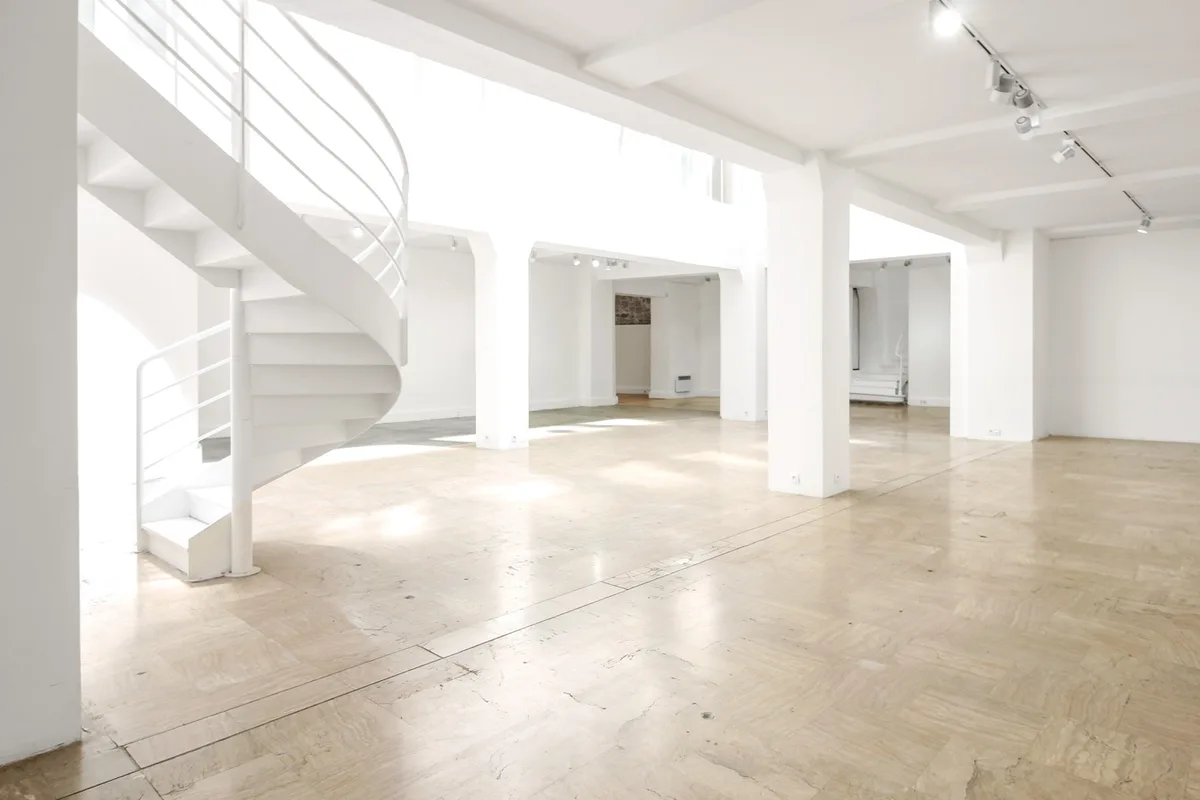
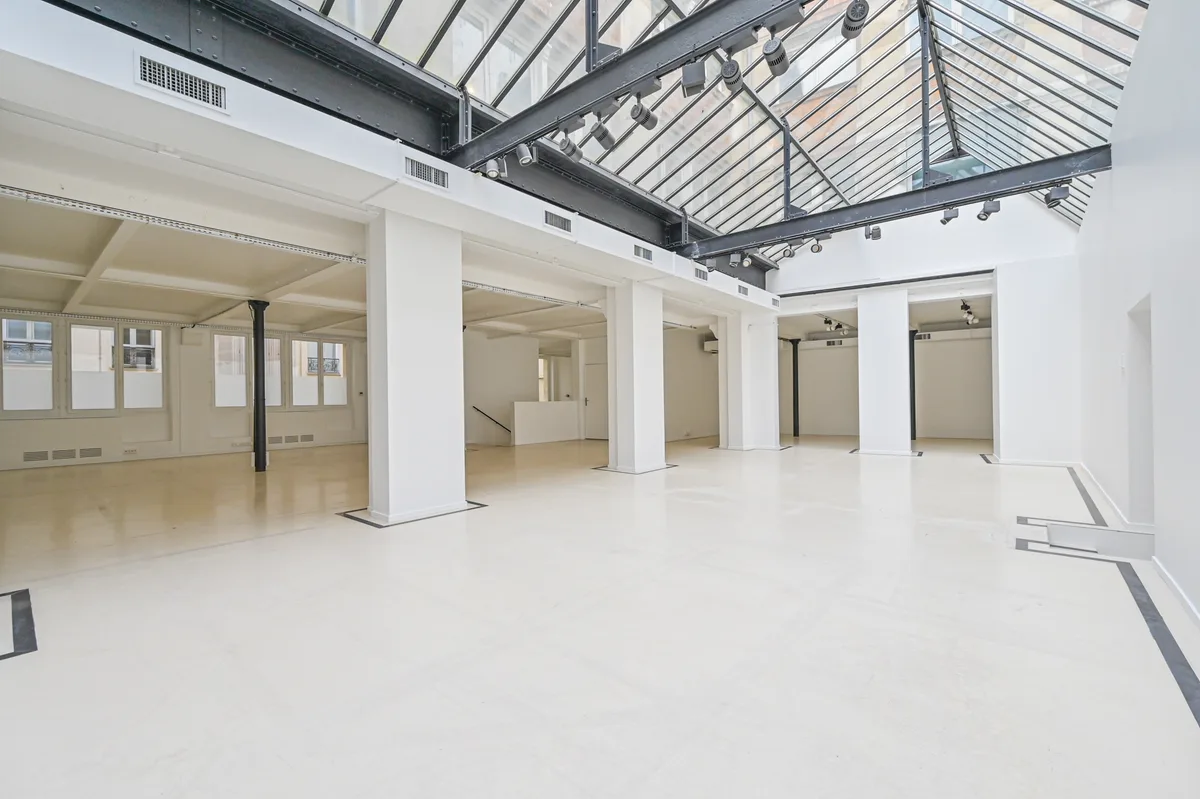
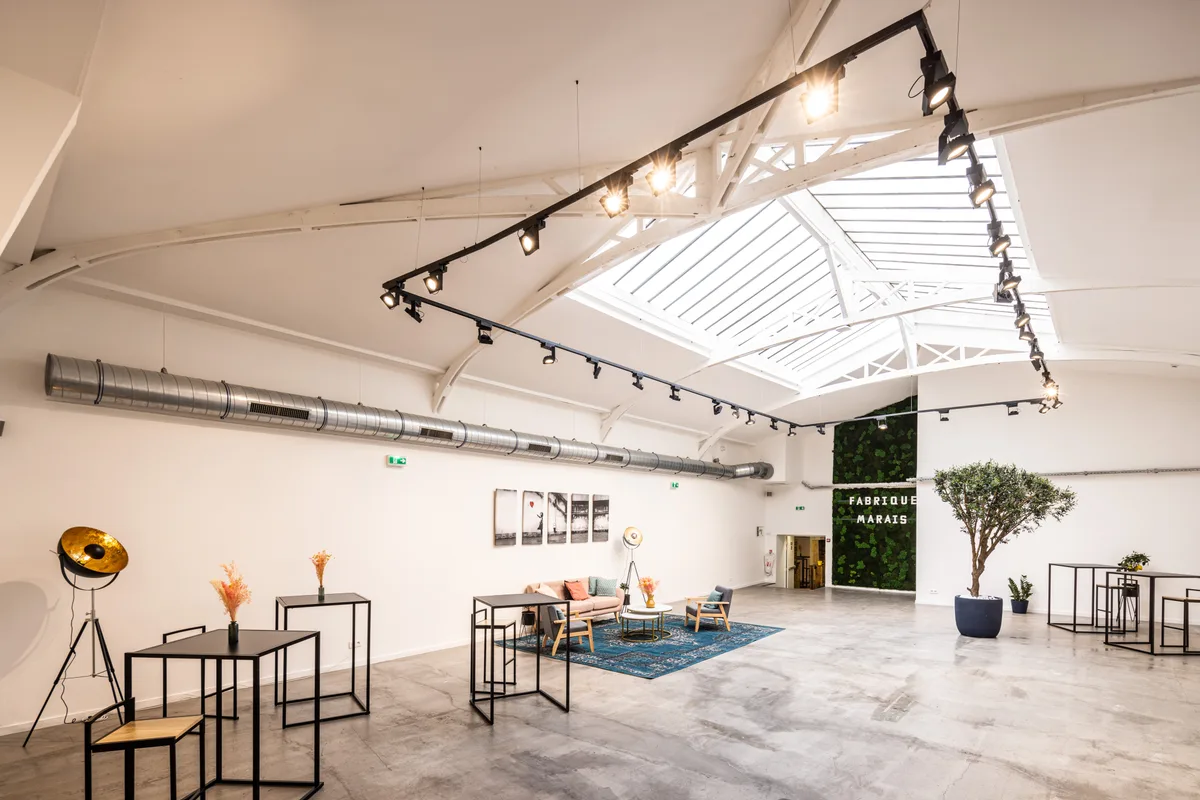
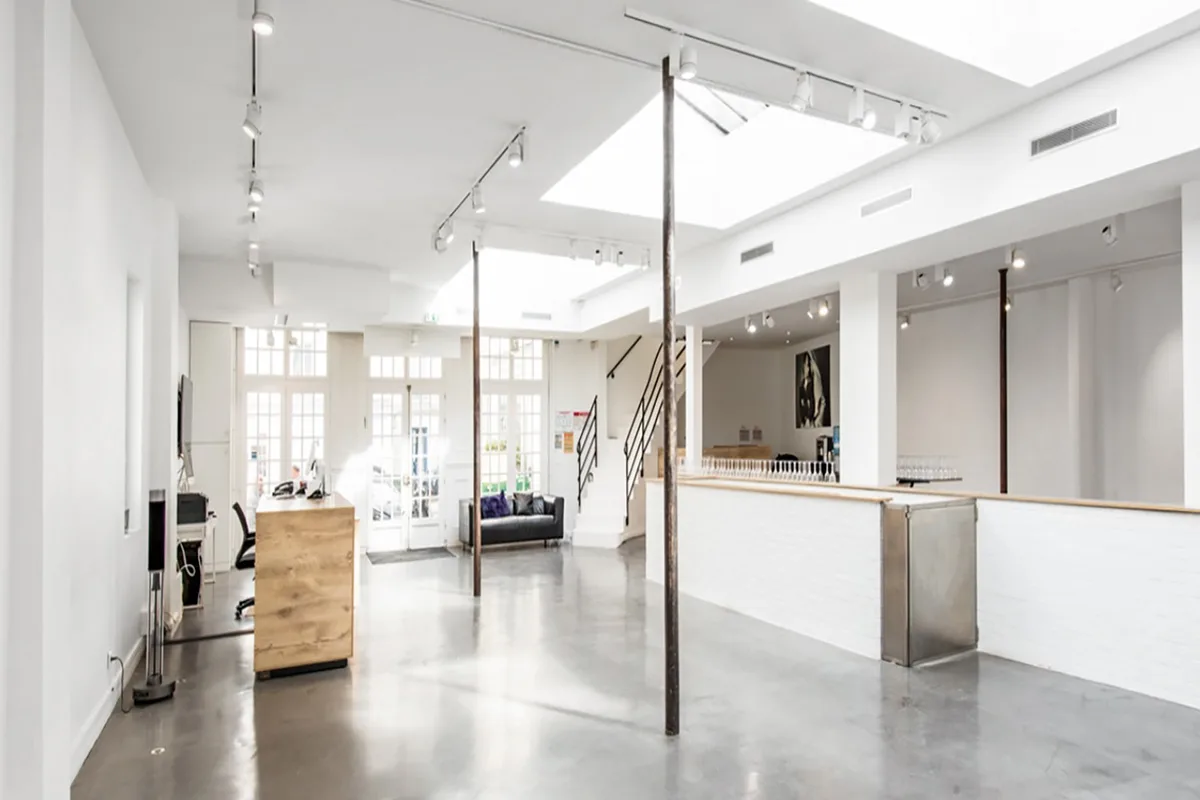
The Latin Quarter has a strong tradition of independent art galleries and Galeries d'Art, many of which operate on flexible short-term agreements and are accustomed to hosting rotating exhibitions, brand collaborations, and cultural activations. These spaces often feature polished concrete floors, high ceilings, and minimalist white-wall aesthetics that provide a neutral canvas for branded environments. For fashion brands seeking to blur the line between retail and cultural event, a gallery space near Cluny-Sorbonne or along streets connecting to Saint-Germain-des-Prés can be highly effective.
Apartment and Residential Ground Floors
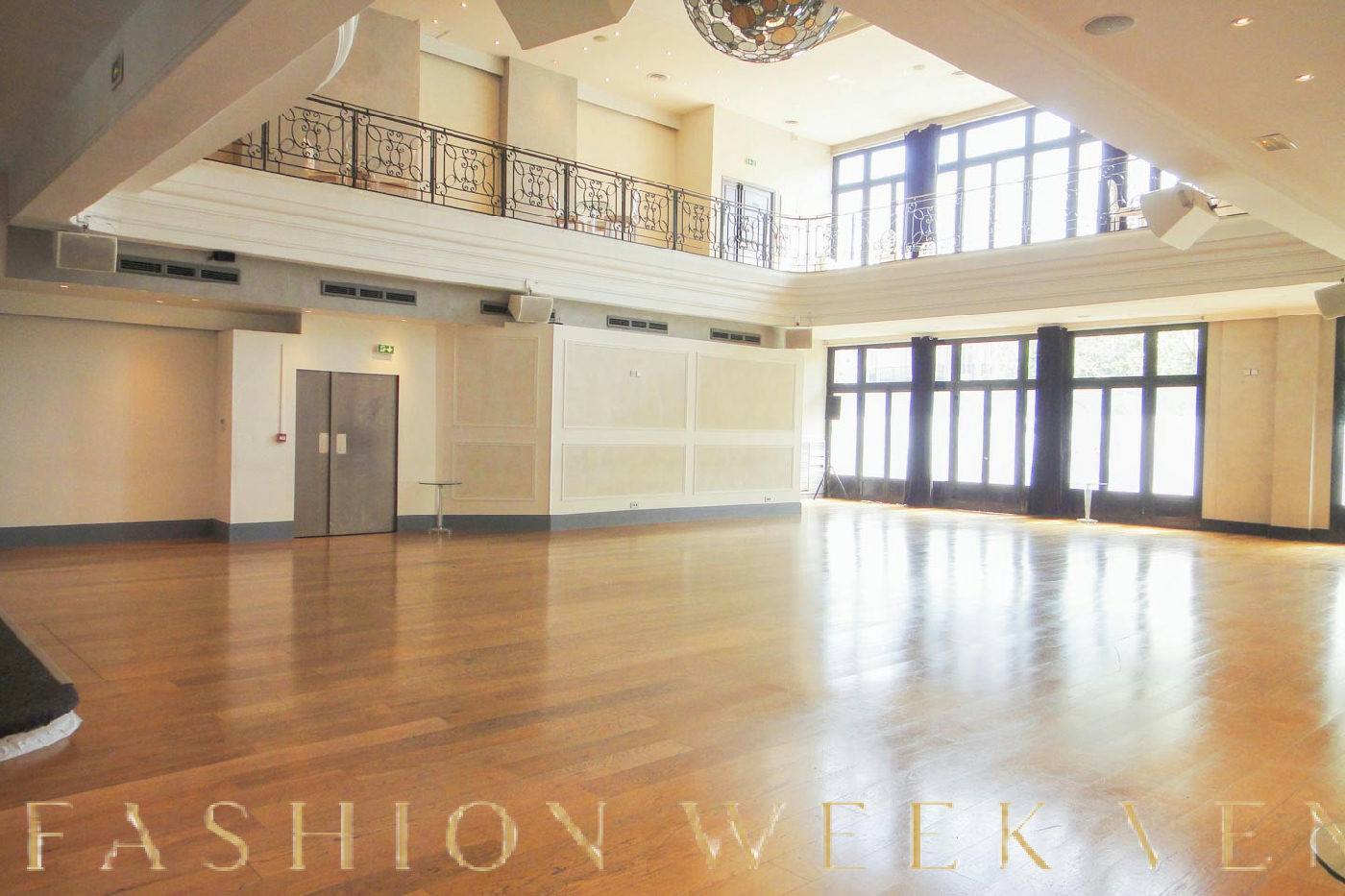
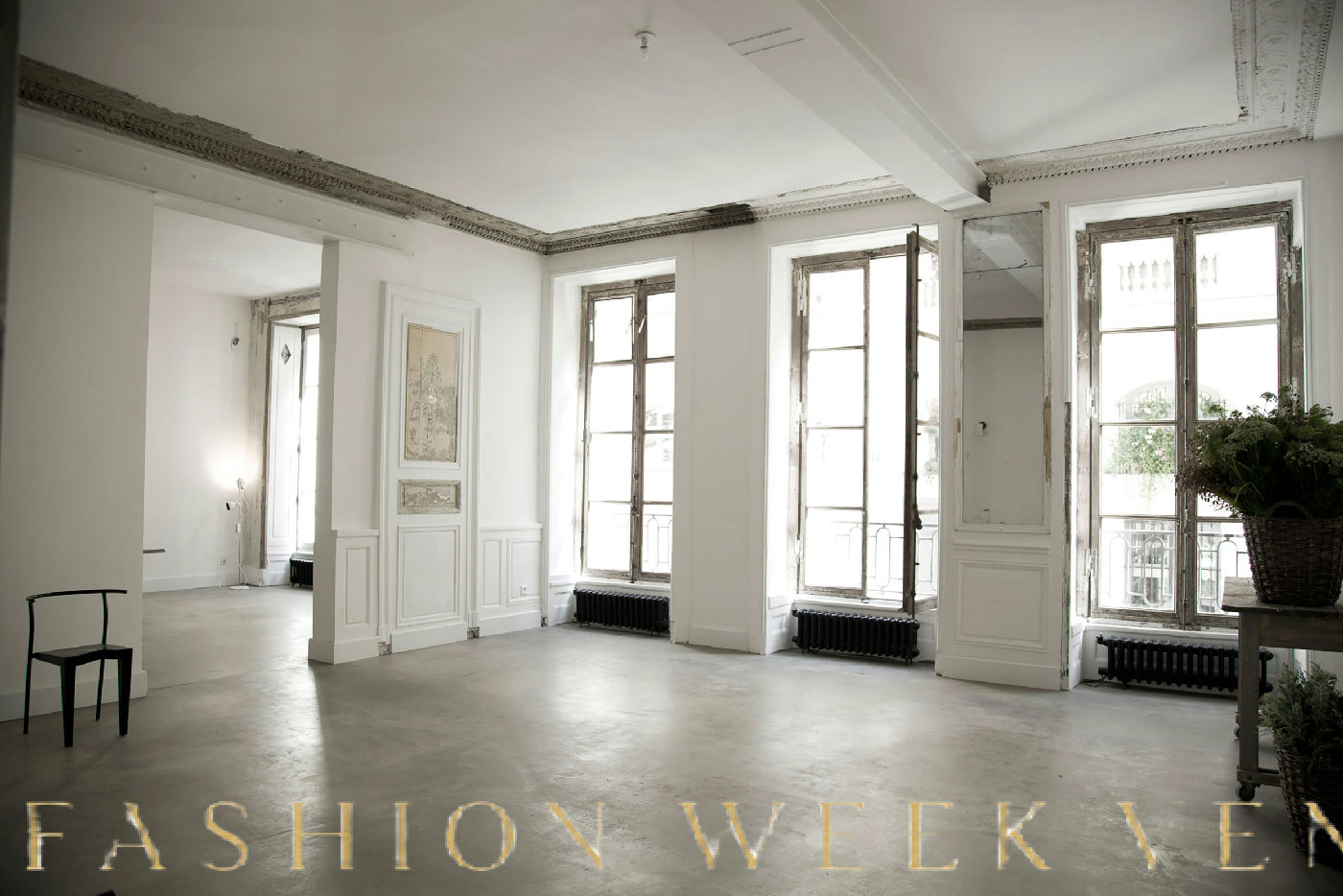
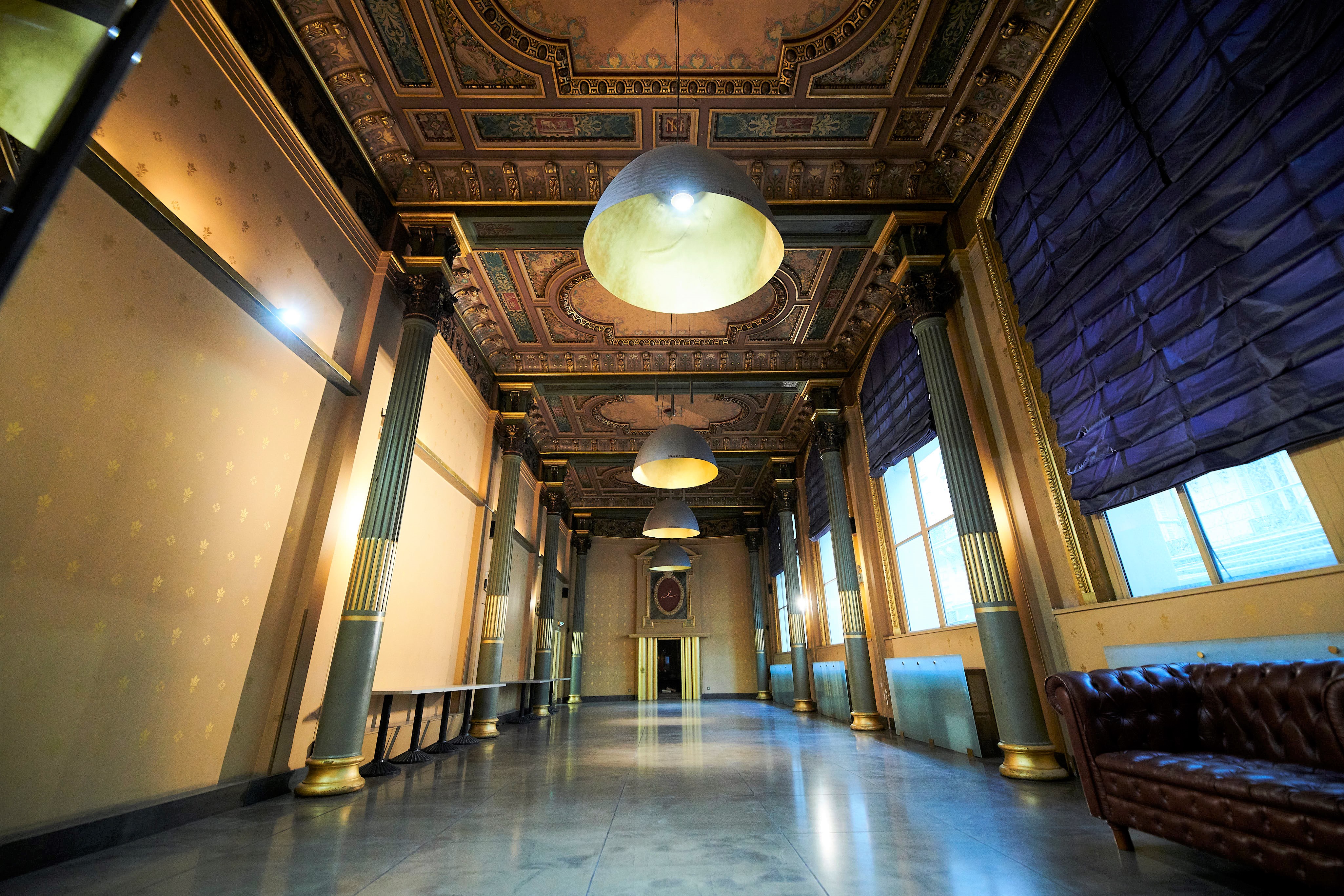
A significant proportion of the available short-term commercial space in this arrondissement exists within Haussmannian apartment buildings, either as purpose-built ground-floor commercial units or as residential ground floors that have been adapted for event and retail use under specific permit arrangements. These spaces carry a distinctly Parisian aesthetic: ornate mouldings, parquet floors, tall windows, and a sense of domestic scale that creates an intimate shopping or showroom experience. Furnished apartment-style activations work particularly well for luxury brands, lifestyle labels, and beauty companies seeking an immersive brand world rather than a conventional shop floor.
Courtyard and Hidden Spaces
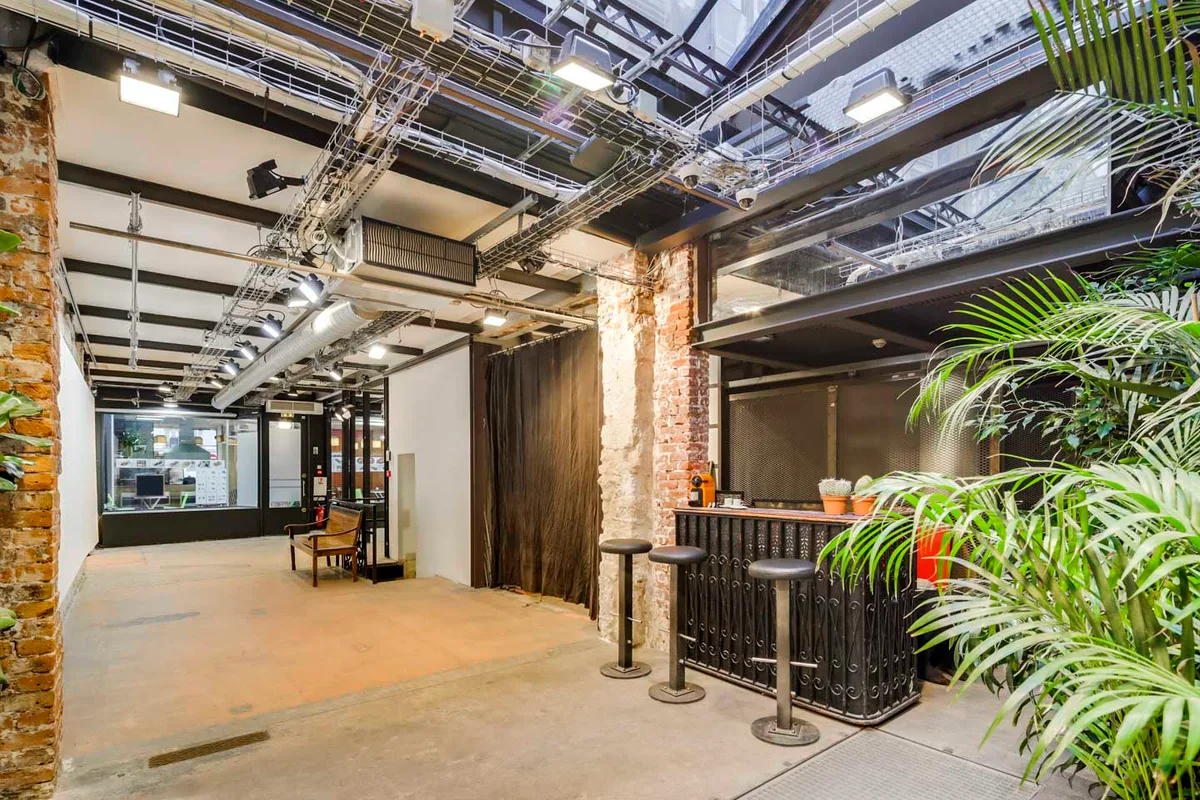
Paris's 5th arrondissement contains a network of interior courtyards, passages, and hidden spaces that are largely invisible from the street but carry enormous charm for the audiences who discover them. Brands willing to drive discovery-based traffic through social media, influencer marketing, and editorial can use these spaces to create genuinely exclusive activation experiences. The challenge with courtyard spaces is managing access, signage, and compliance, which requires careful planning and specialist guidance.
Space Type Comparison for Brand Activations
| Space Type | Best Suited For | Average Size Range | Key Advantage | Key Challenge |
|---|---|---|---|---|
| Ground-floor retail storefront | Pop-up shop, brand boutique | 30 to 120 sqm | Direct street visibility | Higher demand during fashion week windows |
| Gallery or exhibition space | Brand x culture activation, showroom | 60 to 250 sqm | Cultural credibility, white-wall aesthetic | Variable foot traffic, invitation-only risk |
| Apartment or residential ground floor | Luxury brand world, immersive retail | 40 to 150 sqm | Parisian authenticity, intimate scale | Permit complexity, residential building rules |
| Courtyard or hidden space | Exclusive activations, press events | 20 to 80 sqm | Exclusivity, discovery-driven appeal | Access logistics, low passing trade |
KEY TAKEAWAY: Choosing the right space type in the Panthéon area depends on your activation format, audience acquisition strategy, and budget. Ground-floor retail units suit high-traffic pop-up models; gallery and apartment formats suit narrative-driven brand experiences; courtyard spaces suit exclusive, invitation-led events.
Once you have identified your preferred space type, the next critical step is understanding the neighbourhood geography in enough detail to shortlist specific streets and zones within the arrondissement.
Neighbourhood Map: Key Streets and Zones for Rentals Near the Panthéon
The 5th arrondissement covers a compact but varied territory, and the commercial opportunity differs significantly depending on which part of the arrondissement you target. A thorough understanding of the local geography is essential before committing to a specific boutique rental near Panthéon Paris.
Rue Soufflot and Place du Panthéon
Rue Soufflot connects the Boulevard Saint-Michel to the Panthéon itself and carries strong tourist and student foot traffic throughout the year. Spaces here benefit from direct proximity to the monument and a constant flow of visitors arriving to see one of Paris's most recognisable landmarks. The street has a mixed commercial character, with cafes, bookshops, and academic suppliers creating a lived-in, intellectual atmosphere. Pop-up shops on Rue Soufflot benefit from this context but must compete visually with the architectural grandeur of the Panthéon itself.
Boulevard Saint-Michel and Cluny-Sorbonne
Boulevard Saint-Michel is one of the major commercial arteries of the Left Bank, running from the Seine to the Luxembourg Gardens. The Cluny-Sorbonne area around the Musée National du Moyen-âge, known formally as the Musée de Cluny, attracts a strong cultural tourism audience. Spaces on or near this boulevard tend to be more commercially exposed and may suit brands seeking higher footfall than the quieter residential streets of the upper 5th.
Rue Mouffetard and Place de la Contrescarpe
This is arguably the most locally-loved commercial street in the entire 5th arrondissement. Rue Mouffetard is a pedestrianised market street lined with food vendors, cafes, independent shops, and local markets. Place de la Contrescarpe at its northern end is a popular gathering point and has strong associations with the literary Paris of Ernest Hemingway and the Lost Generation. Brands seeking authentic Parisian character, access to a loyal local market audience, and strong social media visual potential should prioritise this zone.
Jardin du Luxembourg and Rue Auguste Comte
The streets immediately adjacent to the Jardin du Luxembourg, including Rue Auguste Comte and streets connecting the 5th and 6th arrondissements, offer access to one of Paris's most visited public gardens. The Luxembourg Gardens draw a broad demographic of Parisians, visitors, and families, creating a relaxed, unhurried foot traffic pattern that suits lifestyle and wellness brands as much as fashion labels.
Jardin des Plantes Quarter
The eastern section of the 5th arrondissement around the Jardin des Plantes has a quieter, more residential character. It is less conventionally commercial but offers interesting spaces for brands seeking an off-the-beaten-path activation with strong visual and narrative contrast. The area around the Gobelins Manufactory border and the Mouffetard market connects this zone to the broader 5th arrondissement commercial territory.
To compare neighbourhoods and space types, explore the Paris city hub on Fashion Week Venues and shortlist spaces that match your brief, budget, and calendar window.
Zone Summary for Space Selection
| Zone | Primary Audience | Foot Traffic Level | Best Activation Type | Nearest Metro |
|---|---|---|---|---|
| Rue Soufflot / Panthéon | Tourists, students | High | Pop-up shop, brand boutique | Cardinal Lemoine (line 10) |
| Boulevard Saint-Michel / Cluny-Sorbonne | Students, cultural tourists | Very high | Retail, brand activation | Cluny-La Sorbonne (line 10) |
| Rue Mouffetard / Place de la Contrescarpe | Locals, food tourists, literary visitors | High (daytime) | Immersive brand world, lifestyle | Place Monge (line 7) |
| Luxembourg Gardens border | Families, Parisians, leisure visitors | Moderate to high | Lifestyle, wellness, premium retail | Luxembourg (RER B) |
| Jardin des Plantes quarter | Residents, niche cultural visitors | Low to moderate | Gallery activation, exclusive event | Jussieu (line 7 and 10) |
KEY TAKEAWAY: Each zone within the 5th arrondissement has a distinct audience profile and foot traffic pattern. Matching your space location to your target audience is more important than simply securing a central address.
With a clear picture of the neighbourhood geography, brand teams can move to the practical and legal considerations that govern short-term boutique rentals in this part of Paris.
Permits, Leases, and Legal Considerations for Short-Term Boutique Rentals in Paris
Short-term commercial rental in Paris operates under a different legal framework from standard long-term commercial leases, and understanding this framework is essential before signing any agreement. This is one of the areas where brands most commonly make costly mistakes, particularly international brands entering Paris for the first time.
Quick answer: Short-term commercial space rentals in Paris for pop-up shops and brand activations are typically structured as a bail dérogatoire, a derogatory lease, or as a convention d'occupation précaire. These arrangements differ significantly from standard nine-year commercial leases and carry specific conditions around duration, permitted use, and renewal rights. Professional legal advice and specialist agency support are strongly recommended before signing.
Bail Dérogatoire
The bail dérogatoire, sometimes called a short-term commercial lease or a convention précaire in practice, allows a tenant to occupy a commercial space for a duration of up to three years without triggering the standard protections and renewal rights associated with a full commercial lease under French commercial law. For brands planning pop-up shops, temporary showrooms, or seasonal retail activations, this is the most common legal vehicle for short-term occupation.
Key characteristics include a defined maximum duration, the absence of automatic renewal rights, and a requirement that both parties explicitly agree in writing that the arrangement is a bail dérogatoire rather than a conventional commercial lease. If the parties continue occupying the space beyond the agreed term without a new agreement, French law may convert the arrangement into a full commercial lease with all the associated tenant protections and obligations. This conversion risk is one of the most important compliance points for brands planning extended activations.
Autorisation d'Occupation Temporaire (AOT)
For spaces on public domain, including certain terraces, public passages, and spaces adjacent to public infrastructure, an Autorisation d'Occupation Temporaire (AOT) may be required. This is a permit granted by the relevant public authority allowing temporary commercial use of public or semi-public space. Requirements, fees, and approval timelines vary by arrondissement, space type, and the nature of the proposed use. Brands planning activations that extend onto pavements, public squares, or near listed monuments such as the Panthéon itself should verify AOT requirements well in advance.
IMPORTANT: Requirements for permits, lease structures, and planning permissions vary by space type, duration, arrondissement, and the specific building classification. Always verify your obligations with a qualified French legal advisor before signing any rental agreement. Fashion Week Venues can support initial navigation, but specialist legal advice remains the brand's responsibility.
Residential Building Use for Commercial Activations
One of the complications specific to the 5th arrondissement is the prevalence of Haussmannian apartment buildings where ground-floor units may be offered for event or commercial use. In some cases, the building's règlement de copropriété (co-ownership rules) may restrict commercial use, require co-owner approval, or impose conditions on the type of activity permitted. Brands should ensure that any space rental agreement in a residential building has been verified for compliance with the building's co-ownership regulations.
Permit and Compliance Navigation
For initial permit guidance and to understand what documentation is typically required for a short-term commercial activation in Paris, the permits tool on Fashion Week Venues provides a structured starting point. This tool is designed to help brand teams understand the permit landscape before engaging with legal specialists or space owners.
KEY TAKEAWAY: Short-term boutique rentals near the Panthéon are legally viable but require careful structuring. A bail dérogatoire protects both parties when properly drafted. AOT requirements apply in specific public-domain situations. Residential building rules add an additional layer of compliance in the 5th arrondissement. Professional guidance is essential, not optional.
Understanding the legal framework protects your activation from disruption. The next practical consideration is logistics: how you and your team get to the space, how your audience reaches you, and how the space functions as a commercial and operational environment.
Getting to Your Space: Transport and Logistics for the Panthéon Area
Operational logistics are frequently underestimated in the planning of short-term commercial activations, particularly in a compact urban neighbourhood like the 5th arrondissement where street access, delivery windows, and parking restrictions require advance planning.
Metro Access
The 5th arrondissement is served by several metro lines that provide reliable access for staff, suppliers, and visitors. The two stations most directly relevant to the Panthéon and its immediate surroundings are Place Monge on line 7, which is approximately a five-minute walk from the Panthéon, and Cardinal Lemoine on line 10, also approximately five minutes from the monument. The Cluny-La Sorbonne station on line 10 serves the Boulevard Saint-Michel corridor and the streets immediately north of the Sorbonne. Luxembourg station, served by the RER B, provides fast connections from both central Paris and Charles de Gaulle airport and is particularly convenient for brands hosting international press, buyers, or VIP guests.
Mainline Train Stations
For brands coordinating deliveries, supplier arrivals, or guest logistics from outside Paris, the nearest mainline stations are Gare de Lyon approximately one kilometre from the Panthéon and Gare Montparnasse approximately five kilometres away. Both stations offer taxi and VTC connections to the 5th arrondissement. Gare du Nord, the main international arrival terminal for Eurostar and Thalys services, is accessible from Luxembourg station via the RER B in under 15 minutes, making the 5th arrondissement one of the more internationally connected residential arrondissements in Paris.
Airports
Paris Orly airport is approximately 17 kilometres from the Panthéon area and can be reached via RER B or by taxi. Paris Charles de Gaulle airport is approximately 30 kilometres away and is directly connected to Luxembourg station via the RER B, making arrival logistics straightforward for international teams. Paris Beauvais, serving some low-cost carriers, requires a dedicated shuttle and is not recommended for time-sensitive activation logistics.
Delivery and Fit-Out Logistics
The 5th arrondissement's narrow streets, restricted delivery zones, and proximity to listed monuments create specific logistics considerations for brands planning fit-out, furniture delivery, or installation work. Many streets in the Latin Quarter operate under time-restricted delivery windows, and access for heavy vehicles may require advance authorisation from the arrondissement's mairie. Brands planning significant build-out or fit-out work should engage a local production partner familiar with the specific access constraints of the area. The production and build service at Fashion Week Venues includes this kind of local logistics coordination.
TIP: When planning a pop-up shop or showroom in the 5th arrondissement, always confirm delivery access, lift capacity, and staircase dimensions with the space owner before finalising your furniture and fixture plan. Many historic Parisian buildings have narrow staircases and small lift cabs that limit the size of items that can be brought in without specialist handling.
KEY TAKEAWAY: The 5th arrondissement is well connected by metro, RER, and mainline rail, making it accessible for international brand teams and their guests. Delivery and fit-out logistics require advance planning due to narrow streets, restricted access windows, and the constraints of historic buildings.
With logistics mapped, the next layer of planning involves understanding what makes a pop-up shop or showroom in this specific neighbourhood commercially effective, and how to measure that effectiveness.
Running a Pop-Up Shop or Showroom Near the Panthéon: Commercial Strategy
A boutique rental near Panthéon Paris only delivers commercial value if the activation is planned and executed as a genuine brand initiative, not simply as a location exercise. The 5th arrondissement demands a higher level of conceptual thinking than more transactional retail corridors, and brands that treat it as a straightforward shop-in-a-box model tend to underperform.
Quick answer: A successful pop-up shop or showroom near the Panthéon should be anchored by a clear brand narrative, a curation strategy suited to the local audience, a realistic foot traffic model, and a measurement framework that captures both commercial and brand-building outcomes. The neighbourhood rewards depth over volume.
Concept and Creative Direction
The Latin Quarter's identity as a centre of French Theory, literary culture, and intellectual life means that brand concepts referencing these themes land with particular authenticity in this neighbourhood. Brands in fashion, beauty, publishing, design, and food can all find genuine thematic alignment with the area's cultural fabric. The Gibert bookshop on Boulevard Saint-Michel, the literary cafes, the art-house cinemas, and the local markets of Rue Mouffetard all contribute to a neighbourhood culture that values ideas and craft over pure commerce.
Concept direction for a pop-up in this area should consider how the space references its surroundings, what story it tells about the brand's relationship to Paris, and how it creates a reason for the specific audiences of the 5th arrondissement to engage. For brands seeking support with this stage, concept direction services at Fashion Week Venues cover the creative positioning, space narrative, and visual identity of short-term activations.
Retail Design and Store Environment
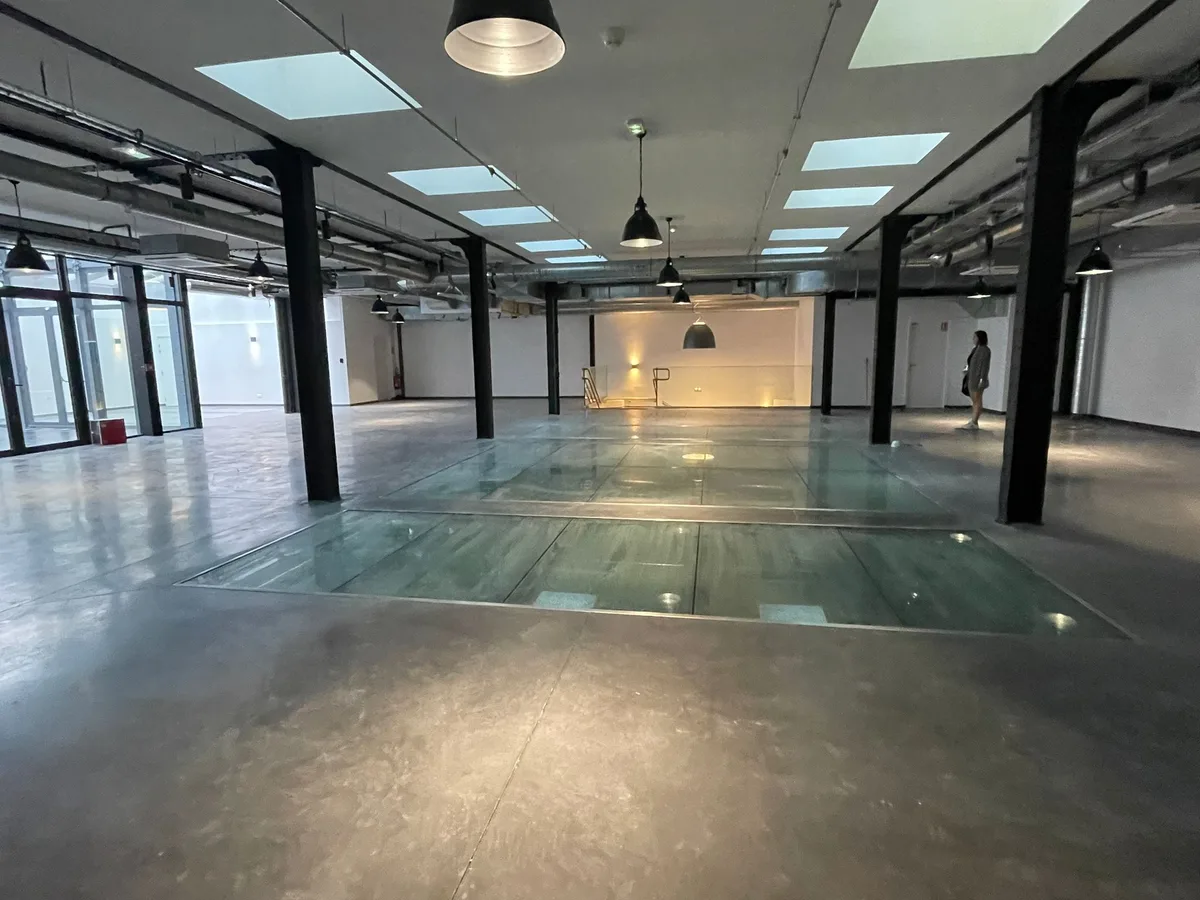
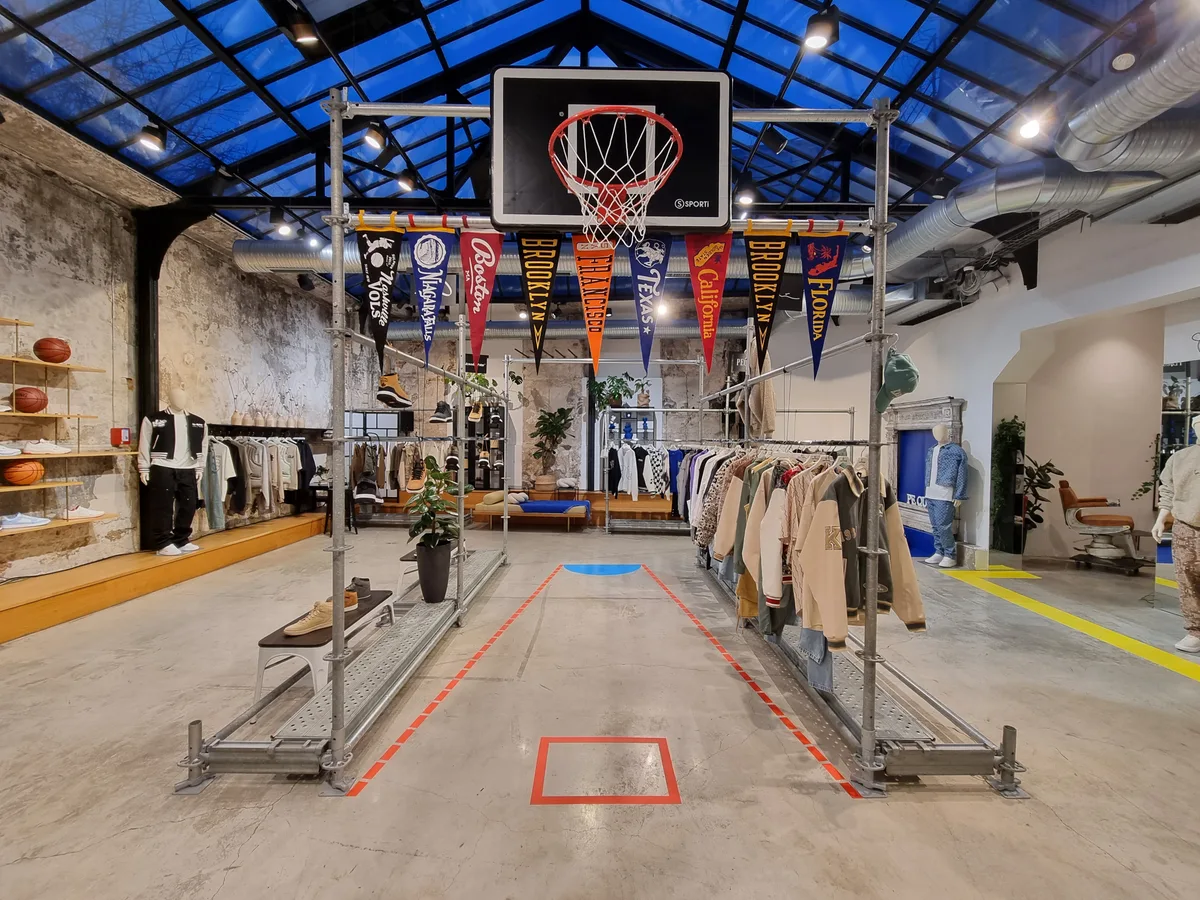
Raw concrete floors, spotlights, and steel pillars are staples of contemporary pop-up retail design and can work effectively in gallery-style spaces in the Latin Quarter. However, the Haussmannian residential aesthetic of the area also offers a distinctive alternative: ornate ceilings, parquet floors, tall casement windows, and a domestic scale that creates a very different kind of retail intimacy. Brands should choose their design approach deliberately rather than defaulting to either extreme, and ensure that the store design responds to the specific spatial characteristics of the rented space rather than importing a generic retail concept.
Foot Traffic and Audience Acquisition
Relying purely on passing trade in the 5th arrondissement is a strategy that works only on the highest-traffic streets like Boulevard Saint-Michel. For most boutique rental locations in the area, a proactive audience acquisition strategy is essential. This should combine influencer marketing targeting the fashion, lifestyle, and cultural communities most aligned with the brand, editorial and press outreach to Paris-based and international publications, cultural event programming that gives audiences a reason to visit beyond shopping, and local partnerships with nearby businesses, galleries, and cultural institutions.
Measurement and Analytics
Brand teams increasingly need to demonstrate the commercial and brand-building return on investment of short-term activations, particularly to finance and marketing leadership who may be sceptical of experiential retail budgets. A rigorous measurement framework for a pop-up near the Panthéon should capture footfall counts, conversion rates, average transaction values, social media reach and earned media value, press coverage metrics, and data capture outcomes such as email sign-ups, community memberships, or loyalty programme enrollments.
Planning your return on investment before committing to a space is far more effective than attempting to reconstruct value after the activation ends. The ROI calculator on Fashion Week Venues can help brand teams build a preliminary financial case and identify the key value drivers for their specific activation format.
KEY TAKEAWAY: Commercial success in a boutique rental near the Panthéon depends on concept depth, proactive audience acquisition, thoughtful retail design, and robust measurement. The neighbourhood does not reward generic retail; it rewards brands with a genuine point of view and a willingness to engage with the local cultural context.
The calendar dimension of any Paris activation is equally critical. Understanding when to activate, and specifically how the 5th arrondissement performs during different periods of the Paris fashion and cultural calendar, can significantly affect the return on your rental investment.
Calendar Strategy: When to Activate Near the Panthéon in Paris
Paris operates on multiple overlapping calendars that affect footfall, media attention, and the availability and pricing of short-term commercial spaces. Understanding these calendars is essential for any brand planning a boutique rental near Panthéon Paris.
Quick answer: Paris Fashion Week, held twice annually in late February or early March for womenswear and late September or early October for womenswear again, plus January for menswear and couture in July, creates the highest peak of industry and media attention. However, the 5th arrondissement serves a broader audience than the fashion industry alone, and cultural and academic calendars also create meaningful activation windows outside fashion week periods.
Paris Fashion Week Windows
During Paris Fashion Week, the demand for short-term commercial and event space across all arrondissements increases dramatically. The 5th arrondissement, while not the primary fashion week district (which tends to centre on the 1st, 3rd, 4th, and 8th), attracts showrooms, brand dinners, and curated pop-up activations from labels seeking to differentiate themselves from the Marais and Le Marais cluster or the Palais Royal and Louvre Museum vicinity. A boutique in the Latin Quarter during fashion week carries a deliberate contrast positioning that can generate significant editorial interest from publications seeking to cover emerging or independent brands.
Tourist Season and Cultural Calendar
The 5th arrondissement experiences a strong tourist season from April through September, with Notre Dame Cathedral, the Cluny Museum, the Panthéon, and the Jardin du Luxembourg all drawing significant visitor volumes. The Fête de la Musique in June, Nuit Blanche in October, and the various cultural events associated with the Sorbonne and the broader Paris university calendar create additional activation opportunities throughout the year. Brands in food, lifestyle, and cultural sectors may find the late spring and early summer window (May and June) particularly attractive for the 5th arrondissement.
Academic and Literary Calendar
The Sorbonne and its surrounding institutions operate on an academic calendar that generates a distinct rhythm of activity in the neighbourhood. September arrivals, the January examination period, and the April-to-June spring term each create distinct audience profiles for brand activations in the area. Brands targeting young, educated, culturally engaged consumers may find that academic calendar windows outside fashion week offer strong value-for-money activations with highly targeted audiences.
Seasonal Timing and Space Availability
Space availability in the 5th arrondissement does not follow exactly the same seasonal pattern as more commercially dominant arrondissements. Spaces that are in demand during fashion week in the 3rd arrondissement may be available at reasonable short-term rates in the 5th during the same period, and vice versa. Brands should evaluate the timing of their activation against both the cultural and commercial calendars of the specific neighbourhood rather than defaulting to fashion week windows as the only viable period.
To plan your activation timeline, from initial brief to opening day and through to deactivation and restoration, the timeline planning tool on Fashion Week Venues provides a structured framework for mapping every stage of the process against your target calendar window.
KEY TAKEAWAY: Paris Fashion Week is not the only viable calendar window for a boutique rental near the Panthéon. The 5th arrondissement has multiple activation seasons driven by tourism, academic rhythms, and cultural programming. Brands that plan strategically across the full calendar year often find better space availability, more competitive pricing, and more targeted audience access than those competing exclusively for fashion week windows.
Planning the timing and concept of your activation is inseparable from planning its budget. Understanding the cost dimensions of a short-term boutique rental in this part of Paris is the next critical step.
Budget Planning for a Boutique Rental Near the Panthéon
Budget planning for a short-term commercial activation in Paris involves considerably more than the headline rental cost of the space. Brand teams that focus exclusively on the rent figure consistently underestimate the true cost of a successful pop-up shop or showroom, leading to compromises in fit-out quality, staffing, or marketing that undermine the activation's effectiveness.
Quick answer: The total cost of a pop-up shop or showroom activation in Paris typically includes space rental, fit-out and production, furniture and fixtures, staffing, permits and legal fees, insurance, marketing and influencer engagement, technology (POS and payments), and deactivation or restoration costs. Each of these categories carries its own cost range, and the combined total is almost always higher than the initial budget assumption.
Space Rental Costs
Rental costs for short-term commercial spaces near the Panthéon vary significantly based on space size, location quality, lease duration, and market timing. Spaces on high-traffic streets such as Boulevard Saint-Michel command higher rates than equivalent-sized spaces on quieter residential streets. Short-term rental premiums above long-term market rates are standard in Paris and should be expected. Providing specific rental figures as directional estimates without current market data would be misleading, so brands are strongly encouraged to use the budget estimation tool on Fashion Week Venues to generate a framework based on their specific brief, space size, duration, and location.
Fit-Out, Production, and Furniture
The fit-out and production costs for a short-term boutique activation depend on the starting condition of the space and the level of branded transformation required. Spaces that already have a strong aesthetic identity, such as gallery spaces or well-finished former boutiques, require less investment than blank or industrial spaces. Furniture rental rather than purchase is standard practice for short-term activations and reduces both upfront cost and logistics complexity. Fashion Week Venues provides furniture rental services calibrated specifically to short-term pop-up and showroom formats.
Staffing, POS, and Operations
French labour law applies to all retail staff operating in France, regardless of the employing brand's country of origin. Short-term activation staffing in Paris requires knowledge of local employment regulations, language capabilities, and customer service standards. Using a specialist retail staffing partner who understands both the fashion industry and the French regulatory environment reduces compliance risk and improves the customer experience. Payment infrastructure for short-term retail in France must handle both card and mobile payment formats, and any POS system used must be compatible with French fiscal requirements.
Marketing and Influencer Costs
For a boutique in the 5th arrondissement, audience acquisition through influencer marketing and press is not optional; it is a core operational requirement. Brands should allocate a meaningful proportion of their total activation budget to marketing, with specific investment in Paris-based lifestyle, fashion, and culture influencers who have genuine credibility with the neighbourhood's audience. The cost of influencer engagement in Paris varies widely by tier and platform, and brands should work with a partner who has existing relationships in the market rather than attempting to build these from scratch during the activation period.
DID YOU KNOW: Restoration costs at the end of a short-term rental are one of the most frequently underestimated budget items in Paris pop-up planning. Many rental agreements in historic buildings require the tenant to restore the space to its original condition, which can involve specialist plastering, paint matching, or flooring restoration that carries significant cost if not planned from the outset.
KEY TAKEAWAY: Total activation costs for a boutique rental near the Panthéon will consistently exceed the headline rental figure. A realistic budget plan must account for all cost categories from fit-out to restoration, and should be built before committing to a space rather than after. Use specialist tools and advisory support to build an accurate picture before making commitments.
Budget planning is closely connected to the question of whether to manage an activation independently or engage a full-service agency. Understanding what Fashion Week Venues offers in this context can help brand teams make an informed decision.
How Fashion Week Venues Supports Boutique Rentals and Pop-Up Activations Near the Panthéon
Fashion Week Venues operates as a full-service pop-up shop agency and space marketplace with particular depth in Paris, where the complexity of short-term commercial rental, permit navigation, and local logistics makes specialist support especially valuable. For brands considering a boutique rental near Panthéon Paris, Fashion Week Venues offers both the space discovery infrastructure and the end-to-end activation management capability to take a project from initial brief to completed activation.
Space Discovery and Venue Sourcing
The Fashion Week Venues marketplace includes spaces across Paris's major arrondissements, and the venue sourcing service allows brand teams to brief specific requirements and receive curated space recommendations matched to their brand profile, audience needs, budget range, and calendar window. The venue sourcing service goes beyond listing aggregation by applying market knowledge and spatial judgment to identify spaces that genuinely fit the activation brief.
Full-Service Activation Management
For brands that want to delegate the complexity of running a Paris activation to a specialist partner, Fashion Week Venues provides end-to-end activation management covering concept direction, production and build, furniture and fixtures, retail staffing, POS and payments, data and analytics, and influencer marketing. This model is particularly effective for international brands entering Paris for the first time, creative directors who want to focus on the brand experience rather than logistics, and brand activation managers who are running multiple activations across markets simultaneously.
Tools for Independent Planning
Brands that prefer to manage their activation independently but want access to structured planning support can use the suite of tools available on the Fashion Week Venues platform. The budget tool, ROI calculator, timeline planner, permits guide, space comparison tool, and space locator all provide meaningful planning value without requiring a full agency engagement. These tools are particularly useful in the early stages of planning when brand teams are evaluating whether a Paris activation is feasible within their budget and timeline constraints.
Who Benefits Most
Fashion Week Venues is most valuable for fashion brands, luxury labels, beauty and lifestyle companies, independent designers, and international retailers seeking to build a physical brand presence in Paris without the overhead of establishing a permanent retail operation. The service is equally relevant for brands planning a single high-impact activation and those building a recurring Paris market presence across multiple seasons.
IMPORTANT: Fashion Week Venues does not guarantee specific space availability, permit approvals, or commercial outcomes. All activations are subject to space owner terms, French regulatory requirements, and the specific conditions of each rental agreement. Fashion Week Venues provides support and guidance, not guaranteed outcomes.
To review past activations and understand the range of brand experiences that Fashion Week Venues has supported, visit the work and case studies section on the Fashion Week Venues website.
KEY TAKEAWAY: Fashion Week Venues provides both a space marketplace and a full-service agency model that allows brands at different stages of planning and execution to access the right level of support for a Paris activation. The platform's depth in Paris makes it particularly suited to boutique rental and pop-up projects in the 5th arrondissement and surrounding areas.
Even with strong agency support, brand teams benefit from understanding the most common misconceptions about pop-up retail in Paris. Addressing these myths directly helps teams make better decisions and avoid costly assumptions.
Common Myths About Boutique Rentals and Pop-Up Shops Near the Panthéon
MYTH: You need a French legal entity to rent a commercial space in Paris for a pop-up shop or showroom.
FACT: International brands can rent short-term commercial spaces in Paris without establishing a French legal entity, provided the rental agreement is structured appropriately and the brand complies with French tax and employment obligations for the duration of the activation. Working with a specialist agency and a French legal advisor is strongly recommended to ensure compliance, but the absence of a French company is not a barrier to renting a space. Requirements vary by space type, duration, and the specific terms of the rental agreement.
MYTH: Paris Fashion Week is the only viable calendar window for a boutique rental near the Panthéon.
FACT: The 5th arrondissement generates meaningful foot traffic throughout the year driven by tourism, the Sorbonne and university calendar, cultural programming, and the permanent appeal of landmarks including the Panthéon, Notre Dame Cathedral, the Cluny Museum, and the Jardin du Luxembourg. Brands that activate outside fashion week windows often find better space availability, more competitive pricing, and a more locally-engaged audience. Paris Fashion Week is high-profile, but it is not the only commercially effective timing for a boutique activation in this arrondissement.
MYTH: Commission-based brokers are the only way to find a short-term commercial space in Paris.
FACT: The short-term commercial space market in Paris has evolved significantly, and brands now have access to curated marketplaces, specialist agencies, and direct-to-owner platforms that provide greater transparency, more appropriate space curation, and better value than traditional commission-based brokerage models. Fashion Week Venues operates as a full-service agency and marketplace that goes well beyond space introduction, supporting brands through every stage of the activation from brief to closing.
MYTH: Short-term commercial leases in Paris are legally straightforward and do not require specialist advice.
FACT: Short-term commercial rental in Paris involves specific legal instruments including the bail dérogatoire and, in some cases, Autorisations d'Occupation Temporaire, that carry specific obligations, conditions, and risks if not properly structured. Residential buildings add an additional layer of co-ownership rules. French commercial law is complex and unfamiliar to most international brand teams. Independent legal advice from a qualified French commercial lawyer is always advisable before signing any rental agreement, regardless of the apparent simplicity of the deal.
MYTH: A pop-up shop in a prestigious Paris neighbourhood will generate automatic foot traffic and brand awareness.
FACT: Even in high-traffic zones like Boulevard Saint-Michel or near the Panthéon, a pop-up shop that does not actively drive its own audience will underperform. Proactive marketing, press outreach, influencer engagement, and event programming are essential components of a successful activation, not optional extras. The neighbourhood provides context and credibility; the brand team provides the audience strategy.
Cultural Context: What Makes the Latin Quarter Unique for Brand Activations
Understanding the cultural specificity of the Latin Quarter is not merely background reading. It is essential commercial intelligence for any brand planning to activate in this neighbourhood. The 5th arrondissement carries a cultural identity that is more precisely defined than almost any other Parisian arrondissement, and brands that engage genuinely with that identity achieve a depth of resonance that is impossible to replicate in more generic retail environments.
The Latin Quarter derives its name from the medieval tradition of academic Latin spoken at the Sorbonne, one of the oldest universities in the world. The neighbourhood's identity as a centre of intellectual and literary life was reinforced through the 20th century by the presence of writers, philosophers, and artists who gathered in its cafes and bookshops. The ghost of Ernest Hemingway haunts Rue Mouffetard and Place de la Contrescarpe; French Theory in all its forms was debated in the cafes along Boulevard Saint-Michel; and the bookshops including the legendary Gibert Jeune and independent literary sellers along Rue Soufflot still draw readers and thinkers from across Europe.
This cultural density creates a specific audience expectation. Visitors to the Latin Quarter are often seeking an experience that is substantive, curated, and authentic to the neighbourhood's identity. A brand activation that acknowledges this context, whether through its programming, its retail curation, its spatial design, or its event format, will land with far greater impact than one that ignores it.
The local cultural calendar of the 5th arrondissement includes exhibitions at the Cluny Museum and the Thermes de Cluny, screenings at the area's art-house cinemas, lectures and public events at the Chapelle de la Sorbonne, local markets on Rue Mouffetard, and a consistent programme of cultural events tied to the university calendar and the city's wider festival programme. Brands that align their activation programming with one or more of these events create opportunities for genuine community participation rather than simply occupying a commercial space in an unfamiliar neighbourhood.
The local food culture deserves particular mention. French gastronomy in the 5th arrondissement ranges from the market produce stalls on Rue Mouffetard to established neighbourhood restaurants and the wine bars that have proliferated throughout the Latin Quarter in recent years. A brand activation that incorporates food, drink, or gastronomy programming will find a ready and enthusiastic audience in a neighbourhood where eating well is considered a cultural act as much as a practical one.
Quick answer: The Latin Quarter's cultural identity as a centre of intellectual life, literary tradition, French gastronomy, and academic culture creates a highly specific audience profile for brand activations near the Panthéon. Brands that engage authentically with this identity achieve stronger resonance and advocacy than those that treat the space as a generic retail address.
Paris Panthéon as a concept in luxury short-term accommodation reflects exactly the same principles. Properties such as Villa Panthéon and Hotel des Grands Hommes position themselves not merely as places to stay but as immersive experiences of the neighbourhood's particular cultural character. The same logic applies to commercial activations: the space is a stage, and the performance is the brand's relationship to the place.
KEY TAKEAWAY: The cultural specificity of the Latin Quarter is a commercial asset, not a constraint. Brands that invest in understanding and engaging with the neighbourhood's identity will consistently outperform those that approach it as a generic Paris retail address. The Panthéon, Sorbonne, Rue Mouffetard, and the broader cultural landscape of the 5th arrondissement are resources to be activated, not simply backdrops.
Frequently Asked Questions About Boutique Rentals Near the Panthéon in Paris
What types of short-term commercial spaces are available near the Panthéon in Paris?
The area near the Panthéon offers a range of short-term commercial space types including ground-floor retail storefronts on streets such as Rue Soufflot and Boulevard Saint-Michel, former gallery and exhibition spaces, adapted residential ground floors within Haussmannian apartment buildings, and interior courtyard spaces. Each type carries different characteristics in terms of foot traffic, aesthetic, permit requirements, and suitability for different activation formats. Fashion brands, luxury labels, and lifestyle companies have each used different space types in this arrondissement for pop-up shops, showrooms, brand activations, and press events.
Do I need a French legal entity to rent a pop-up shop space near the Panthéon?
International brands do not require a French legal entity to rent a short-term commercial space in Paris, but they do need to ensure their rental agreement is correctly structured and that they comply with French tax, employment, and insurance obligations for the duration of the activation. The legal structure most commonly used for short-term commercial activations is the bail dérogatoire. Working with a specialist agency and a qualified French legal advisor is strongly recommended to navigate these requirements. Requirements vary by space type, rental duration, and the specific terms negotiated with the space owner.
How do I get to a space near the Panthéon from Paris's main transport hubs?
The Panthéon is well connected to Paris's main transport network. Place Monge on metro line 7 and Cardinal Lemoine on metro line 10 are each approximately five minutes on foot from the Panthéon. Luxembourg station, served by the RER B, connects the area to both central Paris and Charles de Gaulle airport. Gare de Lyon is approximately one kilometre away. Gare Montparnasse is approximately five kilometres away. Paris Orly airport is approximately 17 kilometres from the area, and Paris Charles de Gaulle airport is approximately 30 kilometres away and directly connected via RER B.
What is the difference between a bail dérogatoire and a standard commercial lease in France?
A bail dérogatoire is a short-term commercial lease that allows a tenant to occupy a commercial space for up to three years without acquiring the renewal rights and statutory tenant protections associated with a standard nine-year commercial lease under French commercial law. Both parties must explicitly agree in writing that the arrangement constitutes a bail dérogatoire. If the arrangement continues beyond the agreed term without a new agreement, French law may convert it into a full commercial lease. This conversion risk is one of the most important compliance points for brands planning extended or repeated activations in the same space.
When is the best time of year to run a pop-up shop or brand activation near the Panthéon?
The 5th arrondissement has multiple viable activation windows throughout the year. Paris Fashion Week (womenswear in late February and early March, and again in late September and early October) generates the highest industry and media attention, though the 5th arrondissement is not the primary fashion week district. Late spring and early summer (May and June) offer strong tourist volumes and a lively cultural calendar. The academic calendar of the Sorbonne creates distinct audience profiles in September, January, and spring. Brands should evaluate timing against their specific audience target, budget, and space availability rather than defaulting to fashion week windows alone.
How much does it cost to rent a boutique space near the Panthéon in Paris?
Rental costs vary significantly based on space size, location quality, market timing, and lease duration. Short-term rental premiums above long-term market rates are standard in Paris. The total cost of an activation also includes fit-out and production, furniture, staffing, permits, insurance, marketing, and restoration, all of which add meaningfully to the headline rental figure. Providing specific figures without current market data would be misleading. The budget estimation tool on Fashion Week Venues can help brand teams build a realistic preliminary cost framework based on their specific brief and requirements.
What permits does a brand need for a short-term commercial activation in Paris?
Permit requirements for short-term commercial activations in Paris depend on the space type, its location, the proposed use, and the duration of the activation. For spaces on public domain or adjacent to public infrastructure, an Autorisation d'Occupation Temporaire (AOT) may be required from the relevant public authority. For standard ground-floor commercial units rented on a bail dérogatoire, a separate commercial permit is typically not required, but the rental agreement must be correctly structured. Brands planning to extend their activation onto pavements, public squares, or near listed monuments should seek specific permit advice well in advance. Requirements vary by arrondissement and specific location.
Can I use a residential apartment near the Panthéon for a commercial brand activation?
Some residential ground floors in the 5th arrondissement's Haussmannian buildings are made available for event or commercial use by their owners. However, this arrangement is subject to the building's co-ownership rules (règlement de copropriété), which may restrict commercial activity, require co-owner approval, or impose conditions on the type of permitted use. Brands should verify that any residential ground floor space they rent for commercial purposes has been cleared for the proposed use under the building's co-ownership regulations, and should ensure that the rental agreement clearly reflects the permitted commercial use.
What is the twin concept offered by Fashion Week Venues?
The twin concept is a co-activation model that allows two brands to share a single space, splitting costs while creating a complementary brand experience for visitors. This format is particularly useful for smaller brands or emerging labels entering Paris for the first time who want access to a premium space without bearing the full cost of an exclusive rental. It also creates an opportunity for brands with complementary audiences to cross-pollinate their customer bases. The twin concept is available through Fashion Week Venues and is most effective when the two brands have a genuine thematic or aesthetic alignment.
How far in advance should I start planning a pop-up shop near the Panthéon?
The recommended planning lead time for a short-term commercial activation in Paris depends on the scale and complexity of the project. For a straightforward pop-up shop activation during a non-peak period, a planning window of eight to twelve weeks is a realistic minimum. For activations during Paris Fashion Week, planning windows of six months or more are strongly recommended to secure the right space, complete legal and permit processes, develop the fit-out and brand concept, and build the marketing campaign. International brands entering Paris for the first time should plan for longer lead times to account for the additional complexity of operating in a new regulatory and market environment.
What services does Fashion Week Venues provide for a Paris pop-up activation?
Fashion Week Venues provides end-to-end support for short-term commercial activations in Paris, including venue sourcing, concept direction, production and build management, branded store design, furniture rental, retail staffing, POS and payments infrastructure, data and analytics, and influencer marketing. The platform also includes a space marketplace for independent browsing, and a suite of planning tools covering budget estimation, ROI calculation, timeline planning, permit guidance, space comparison, and space location. Brands can engage Fashion Week Venues as a full-service agency partner or use specific services and tools depending on their requirements and budget.
How does the 5th arrondissement compare to the Marais or Saint-Germain for pop-up activations?
The 5th arrondissement offers a distinctive cultural positioning compared to both Le Marais, which is Paris's most established creative and fashion pop-up district, and Saint-Germain-des-Prés, which is associated with luxury fashion and heritage brands. The Panthéon area attracts an educated, culturally engaged audience with strong literary and academic associations, making it particularly suited to brands with a strong narrative or intellectual dimension. It typically offers a less competitive space market than Le Marais during fashion week and may provide better value for brands seeking cultural credibility rather than maximum footfall. The trade-off is lower passing trade on quieter streets and a need for proactive audience acquisition.
What cultural experiences near the Panthéon can a brand incorporate into its activation programming?
The 5th arrondissement offers exceptional cultural programming resources for brand activations. Nearby cultural institutions include the Cluny Museum and Thermes de Cluny, the Chapelle de la Sorbonne, the Eglise Saint-Séverin, the Eglise Saint-Étienne-du-Mont, and the Jardin des Plantes. The local market culture of Rue Mouffetard, the literary cafes and bookshops of the Latin Quarter, the art-house cinemas, and the Sorbonne's public events programme all offer partnership and co-programming opportunities. Brands in fashion, beauty, food, publishing, and design can each find meaningful thematic alignment with the neighbourhood's cultural offer.
Is French language capability necessary for managing a pop-up shop near the Panthéon?
French language capability is a significant operational advantage for managing a pop-up shop in Paris. While many Parisians in the 5th arrondissement, particularly younger audiences near the Sorbonne, speak English, retail interactions, supplier communications, building management relations, and regulatory compliance processes are all substantially easier with French language capability. Retail staffing agencies specialising in Paris pop-up activations typically provide bilingual staff as standard, which addresses the customer-facing language requirement. Brands managing operational and compliance processes should ensure they have French-speaking support throughout the activation period.
Can Fashion Week Venues help with spaces outside the 5th arrondissement if my brief evolves?
Fashion Week Venues operates across all major Paris arrondissements and beyond, including New York, London, Milan, Dubai, and Tokyo. If an initial brief for a boutique rental near Panthéon Paris evolves to include other neighbourhoods such as Le Marais, Saint-Germain-des-Prés, the Palais Royal area, or Montorgueil, Fashion Week Venues can expand the space search accordingly. The Paris city hub on the Fashion Week Venues platform provides an overview of available spaces across the city's key commercial and cultural districts, making it straightforward to compare options across multiple neighbourhoods before committing to a final location.
Conclusion: Making Your Boutique Rental Near the Panthéon Work
A boutique rental near Panthéon Paris offers something genuinely rare in the contemporary retail activation market: a combination of cultural depth, audience quality, spatial character, and neighbourhood identity that very few Parisian postcodes can match. The 5th arrondissement rewards brands that approach it with intellectual curiosity, creative rigour, and operational discipline. It does not reward brands that treat it as a generic retail location or that underinvest in the audience acquisition, concept development, and compliance work that a successful activation requires.
The practical foundations of a successful activation in this neighbourhood are clear: choose the right space type for your format; understand the permit and lease structure before signing; plan your logistics around the area's transport connections and delivery constraints; build a concept that genuinely engages with the Latin Quarter's cultural identity; invest in proactive audience acquisition alongside the space rental; and measure your outcomes rigorously against a pre-planned framework.
Whether your brand is planning its first Paris activation or its tenth, the complexity of the short-term commercial rental market in France, the specificity of the 5th arrondissement's cultural context, and the operational demands of running a short-term retail or event space in a historic urban neighbourhood all make specialist support genuinely valuable rather than merely convenient.
Quick answer: A boutique rental near Panthéon Paris succeeds when the brand combines the right space type, a culturally resonant concept, proactive audience strategy, solid legal and permit compliance, and rigorous operational planning. Fashion Week Venues provides the marketplace, services, and tools to support every stage of this process for brands at any scale.
To move from research to activation, start exploring available spaces on the Fashion Week Venues marketplace and build a focused brief for your target neighbourhood, space type, and calendar window. If you are not yet certain which direction to take, reviewing the agency hiring guide on Fashion Week Venues will help you decide how to structure your approach and what to look for in a specialist partner for your Paris activation.