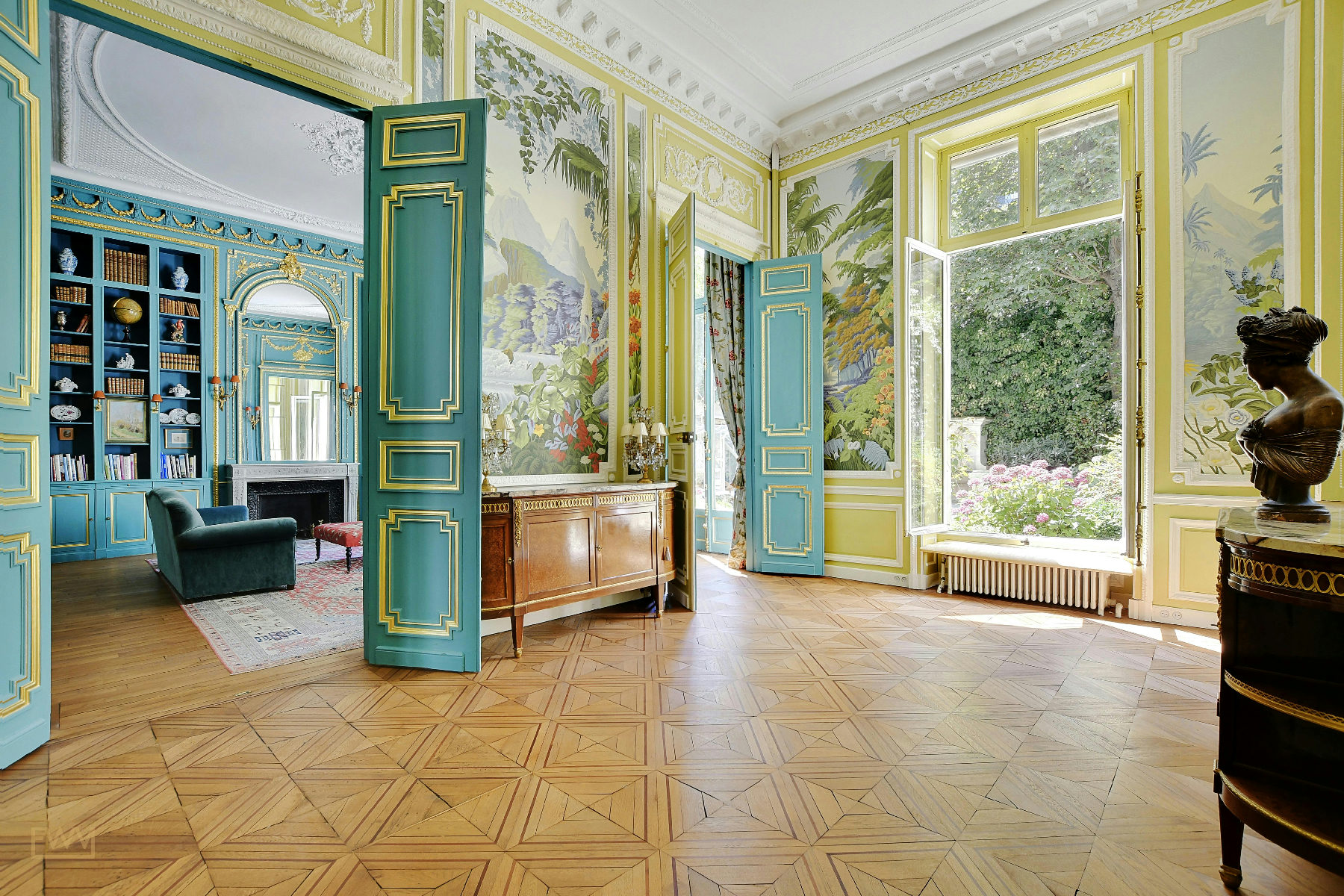
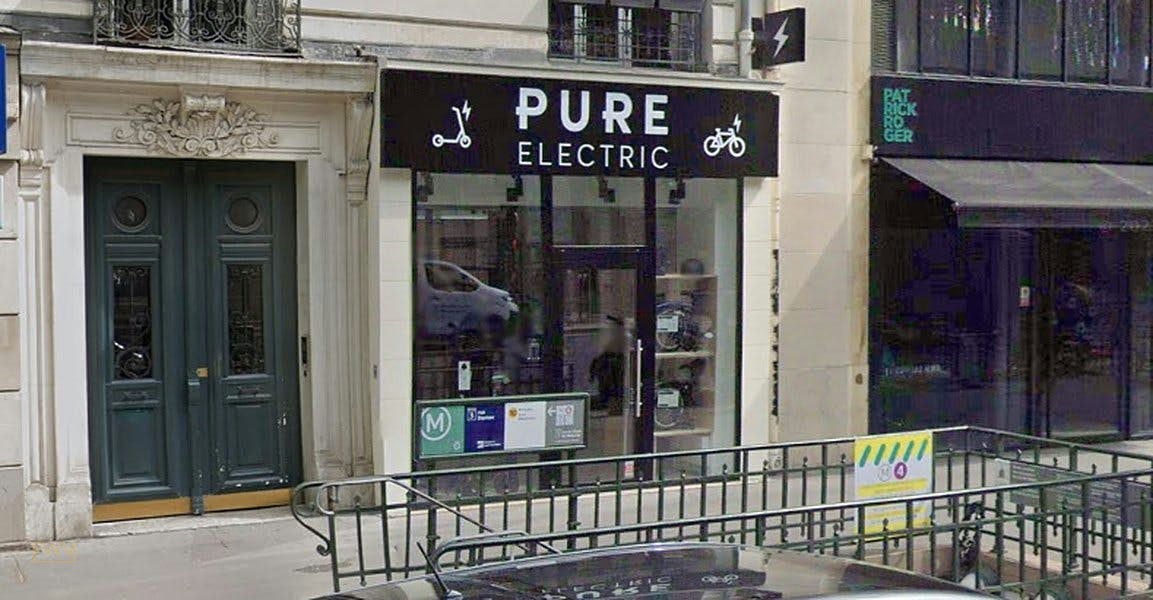
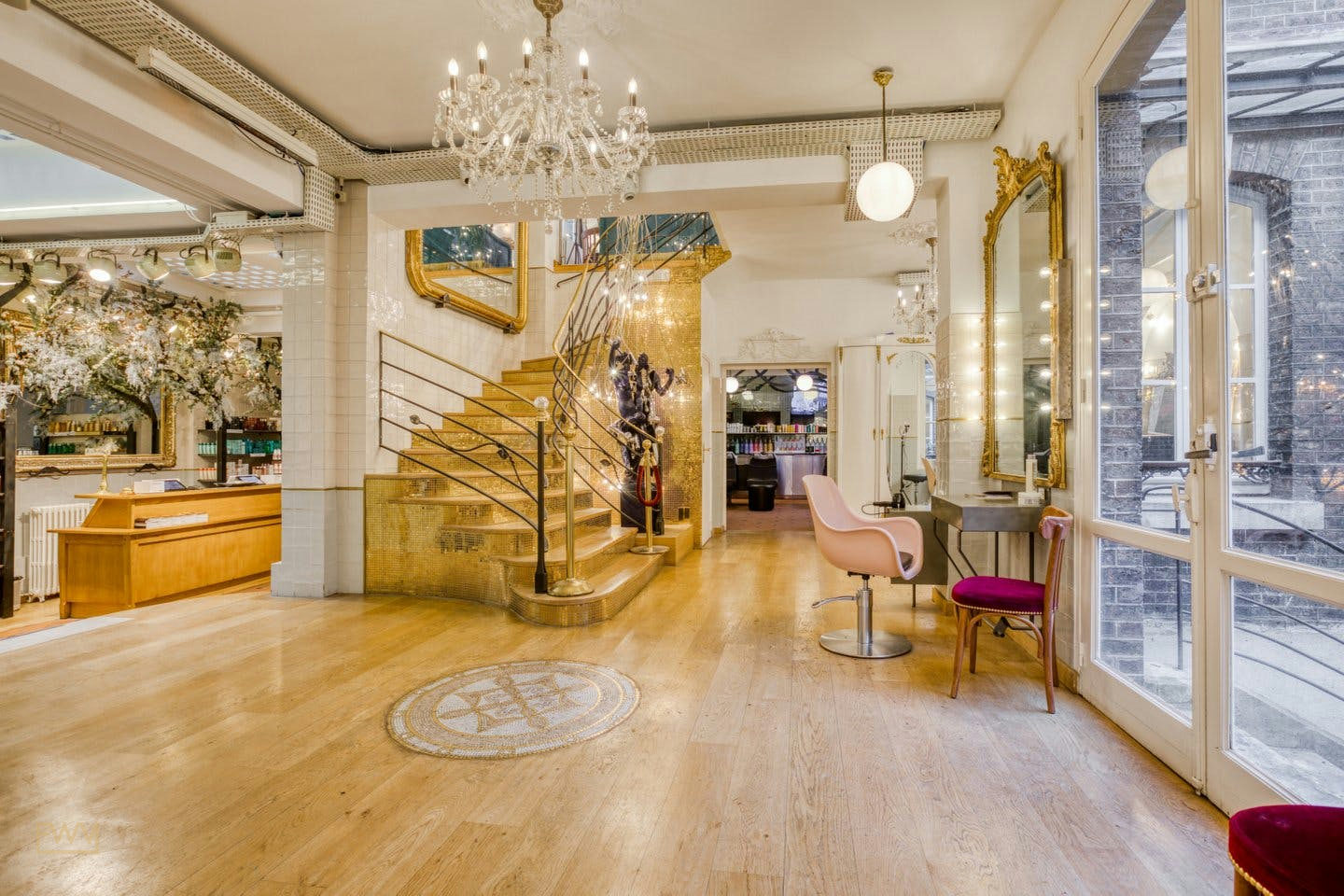
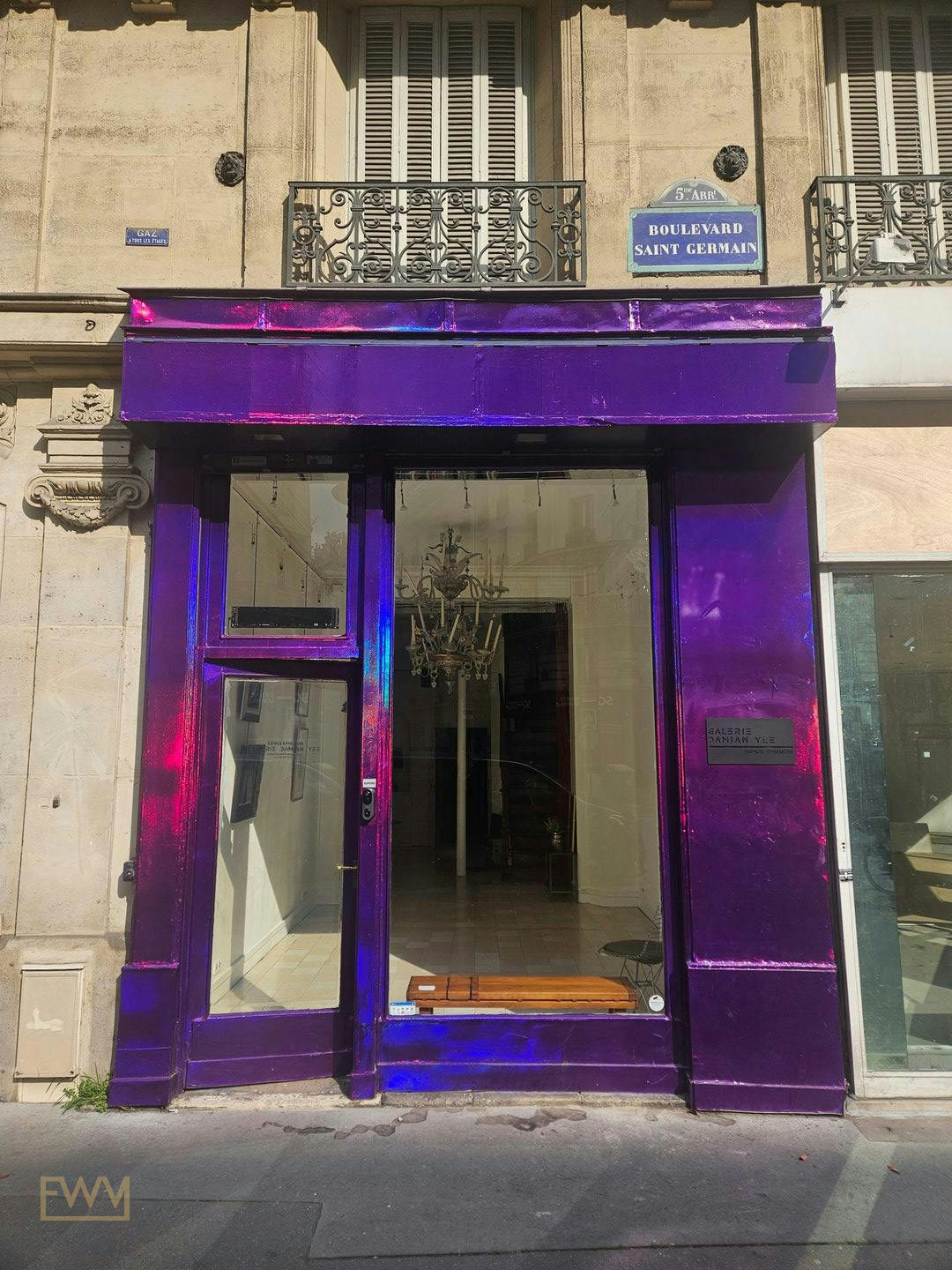
Rent retail space in the Latin Quarter and you gain access to one of Paris's most storied, intellectually charged, and visitor-dense neighbourhoods, a location where heritage architecture, student energy, and an affluent international footfall create conditions that few other arrondissements can replicate. The Paris 5th arrondissement is not simply an address; it is a cultural signal that communicates authenticity, editorial credibility, and a deliberate departure from the obvious luxury corridors of the 1st and 8th. For fashion brands, independent designers, and international labels launching pop-up shops or short-term activations in Paris, the Latin Quarter offers a compelling alternative to the Marais or Saint-Germain-des-Prés. Fashion Week Venues helps brands navigate venue sourcing, permits, production, and activation management across Paris's most significant neighbourhoods. This guide covers everything your brand team needs to know.
What Is the Latin Quarter and Why Does It Matter for Retail Activations?
Quick answer: The Latin Quarter, centred on the Paris 5th arrondissement, is a historic Left Bank neighbourhood bounded by the Seine, the Jardins des Plantes, and Boulevard du Montparnasse. It combines dense tourist traffic, a large student population, a thriving art scene, and a concentration of independent boutiques that make it a credible and strategically interesting location for pop-up retail and brand activations.
When people think of the Latin Quarter in Paris, the immediate associations are intellectual history, bookshops, narrow cobbled streets, and the Sorbonne. What comes to mind less immediately, but matters enormously for brand strategy, is the neighbourhood's exceptionally diverse visitor profile. The Latin Quarter draws Parisian residents, domestic tourists, international travellers, students from around the world, and a creative clientele drawn to the area's independent galleries, galeries d'art, and artisanal food and design shops. This plurality of foot traffic creates commercial conditions that are quite different from the more brand-homogeneous corridors of Le Marais or the institutional luxury of Avenue Montaigne.
The Paris 5th arrondissement sits on the Left Bank and shares a permeable cultural boundary with the 6th arrondissement of Saint-Germain-des-Prés. The two neighbourhoods overlap in energy and customer profile, meaning that a space positioned on or near Boulevard Saint-Michel can draw from both catchments simultaneously. For fashion brands positioning themselves as culturally aware, intellectually credible, or editorially independent, the Latin Quarter provides a backdrop that does significant brand communication work simply by association.
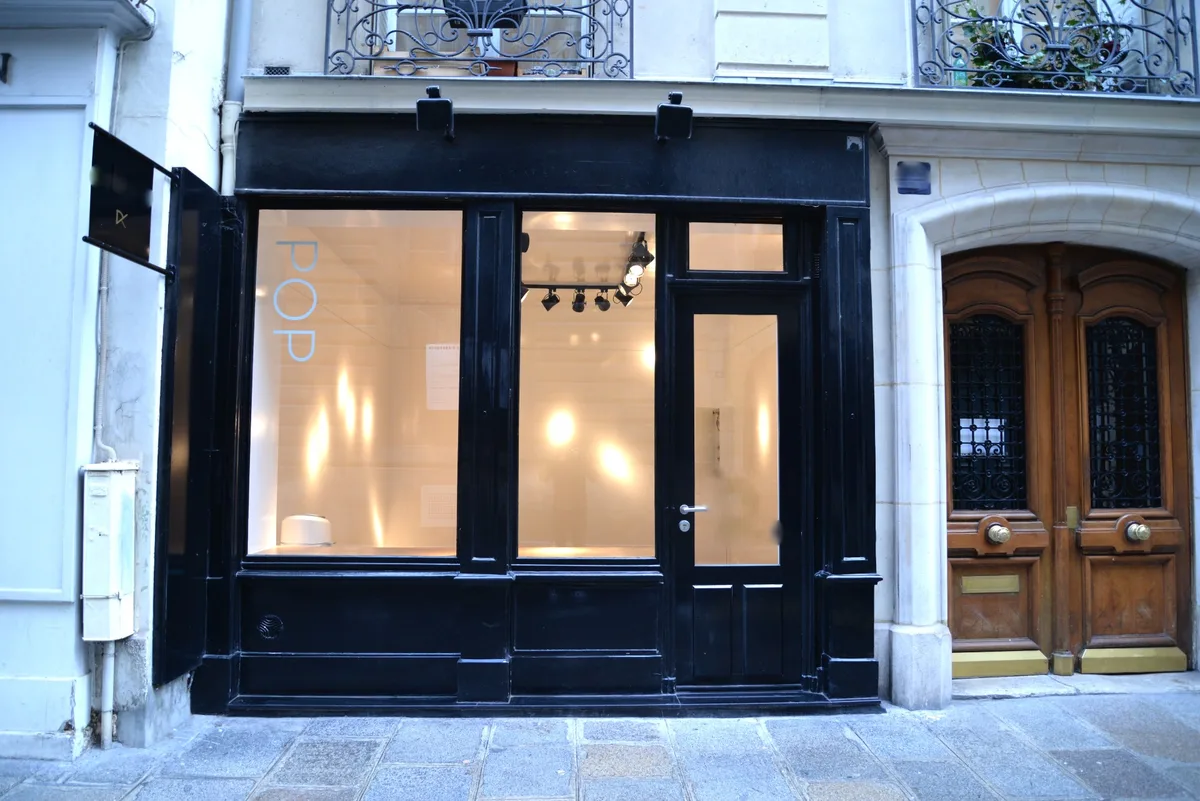
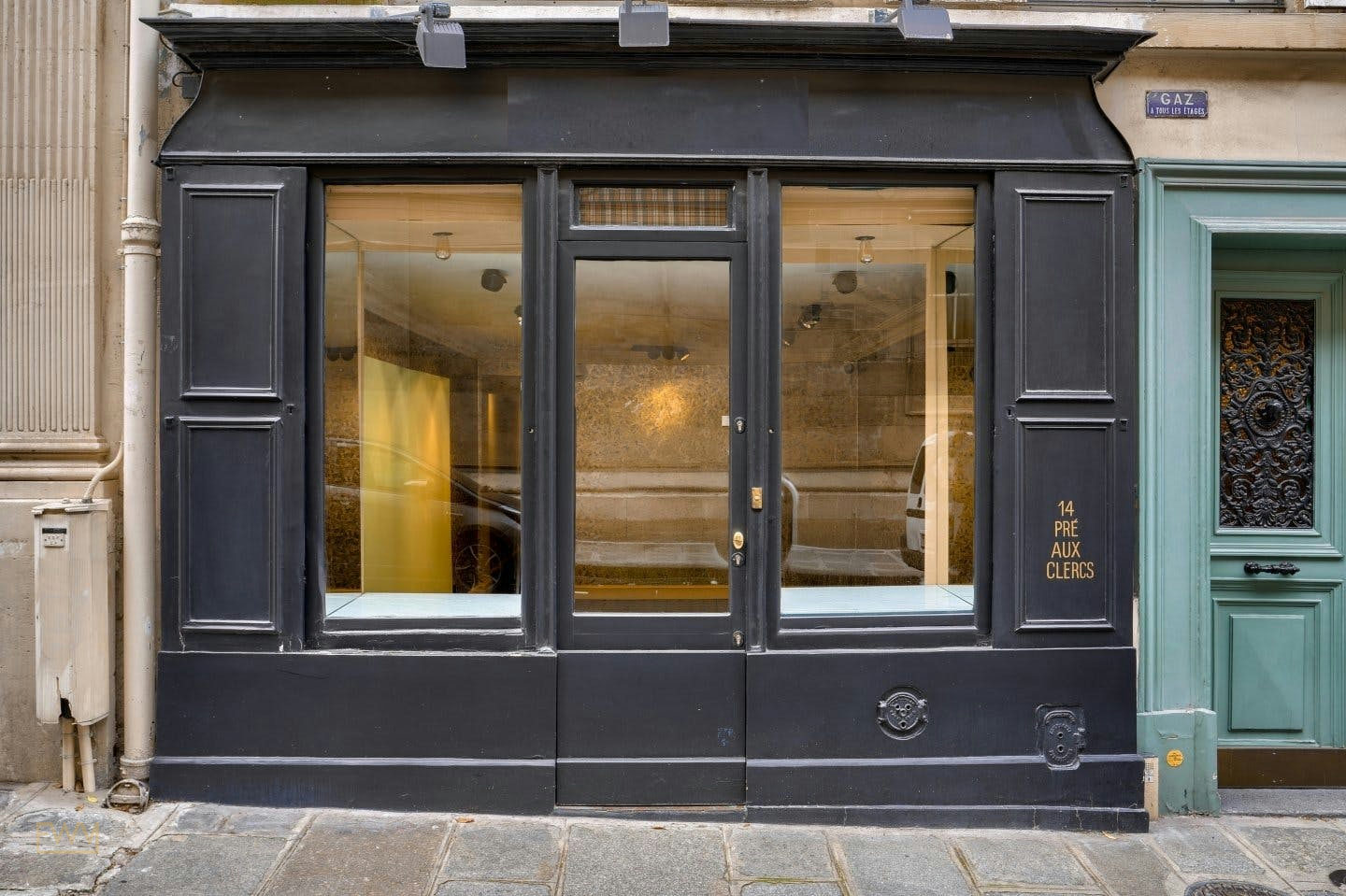
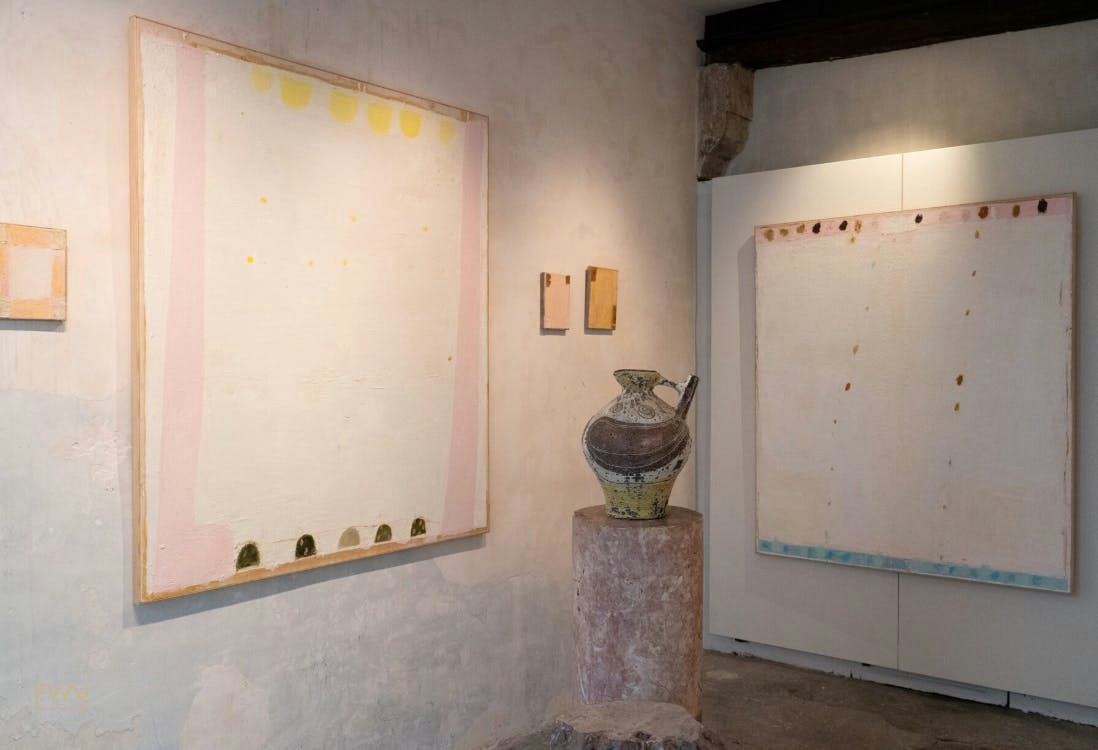
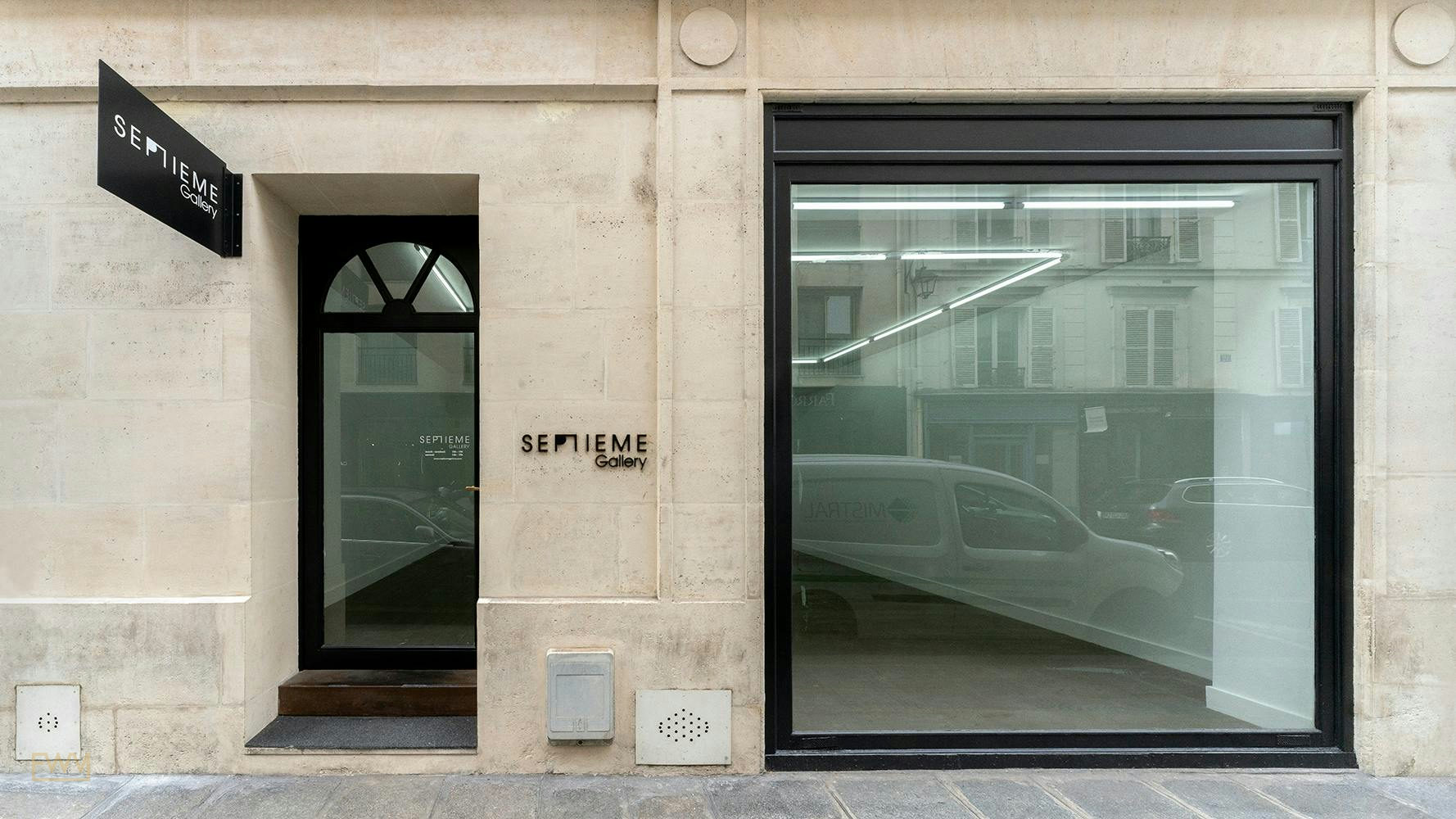
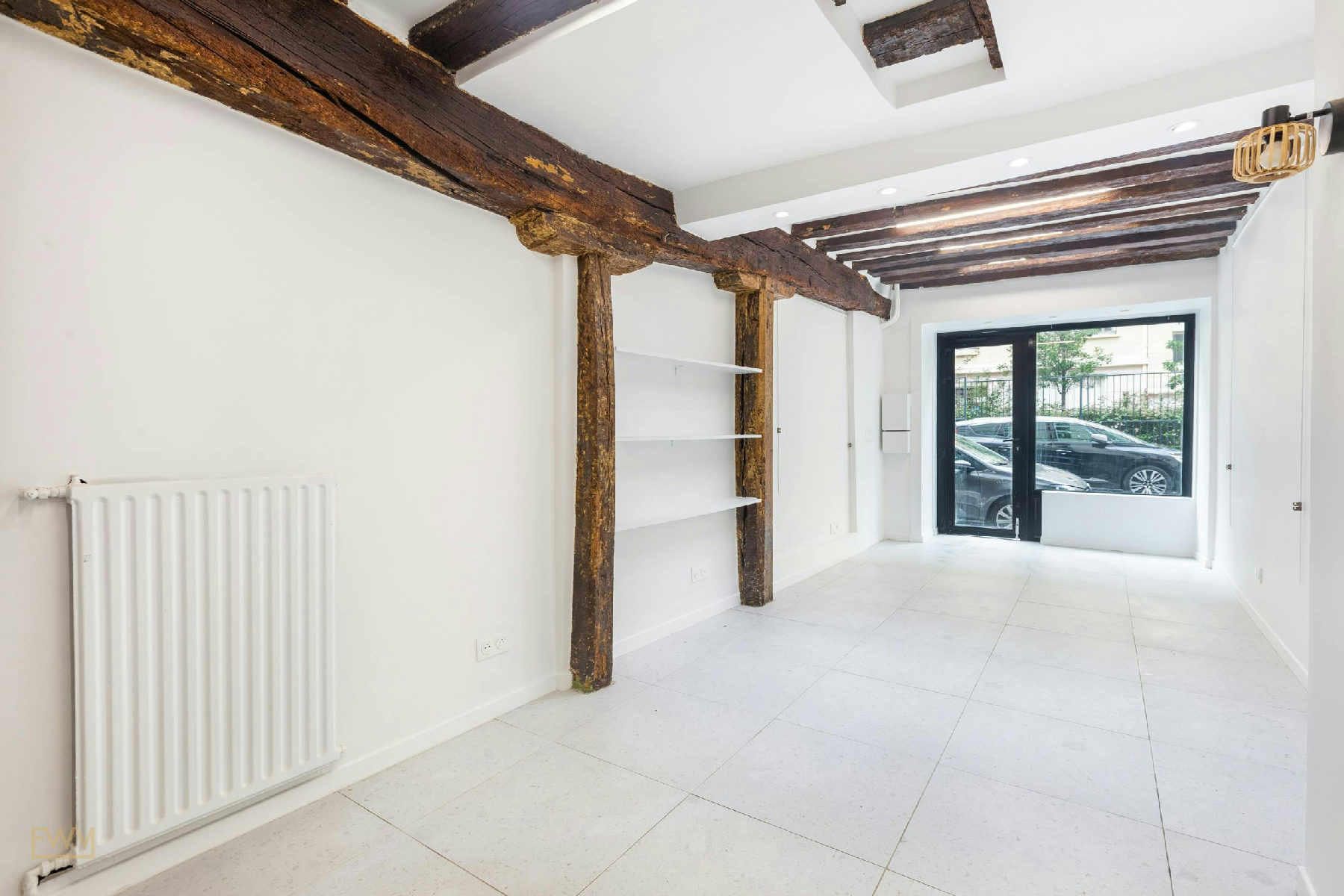
Ground floor retail properties in the Latin Quarter range from compact boutique-style shopfronts of approximately 45 m2 to larger premises of 155 m2 or more, with some historic hôtels particuliers offering courtyard or ground floor units of around 230 m2. Natural light in many of these buildings is generous given the wide Haussmann-era streets, though some of the narrower medieval lanes provide a more intimate, cave-like retail environment that suits certain brand aesthetics extremely well. Unlike typical industrial properties in Downtown LA or warehouse space conversions common in DTLA, the architecture in the Latin Quarter is predominantly 17th to 19th century stone construction, which requires a different approach to fit-out, fixtures, and signage compliance.
The neighbourhood also benefits from proximity to major cultural institutions including the Musée National du Moyen Âge, the Panthéon, and the Jardin du Luxembourg in the neighbouring 6th arrondissement. These venues generate sustained cultural tourism throughout the year, not just during Paris Fashion Week windows, making the Latin Quarter viable for activations outside the main fashion calendar if your brand's audience extends beyond the industry insider crowd.
DID YOU KNOW: The Paris 5th arrondissement contains some of the highest concentrations of independent bookshops, art galleries, and cultural institutions per square kilometre of any neighbourhood in Europe, contributing to a foot traffic profile that skews educated, internationally mobile, and culturally engaged.
KEY TAKEAWAY: The Latin Quarter is not simply a Parisian postcode. It is a brand signal, a foot traffic environment, and a physical context that communicates specific values to specific audiences. Brands seeking a credible cultural positioning in Paris should evaluate the 5th arrondissement with the same rigour they apply to the Marais or Saint-Germain-des-Prés.
Understanding which specific streets, sections, and building types within the Latin Quarter suit your brand's needs requires looking at the commercial property market in detail, which the next section addresses.
The Commercial Property Market in the Latin Quarter: Retail Space Types and Availability
Quick answer: The Latin Quarter's commercial real estate market is characterised by limited large-format retail availability, high demand for small-to-medium boutique spaces, and a dominance of independent operators rather than chain retail. Short-term rental options exist but require specialist knowledge of French commercial lease structures to navigate correctly.
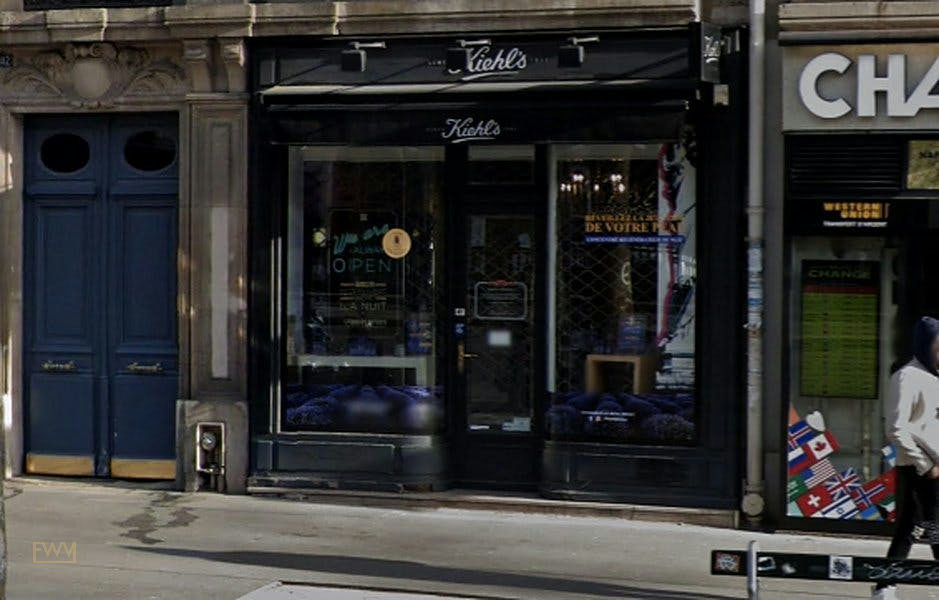
Commercial property in the Paris 5th arrondissement operates under the same French commercial real estate framework that applies across Paris, but with some neighbourhood-specific considerations. The area is not a high-volume chain retail corridor. You will not find the density of flagship stores that line Avenue des Champs-Élysées or the concentrated designer boutiques of the Marais. Instead, the Latin Quarter's retail property landscape is composed primarily of small independent boutiques, restaurant properties, art galleries, and mixed-use ground floor units in residential buildings.
Retail Space Size Categories Available in the Latin Quarter
When assessing available spaces, brand teams typically encounter the following size categories in this neighbourhood:
| Space Size | Typical Use Case | Suitability for Pop-Up or Short-Term Activation |
|---|---|---|
| Approx. 45 m2 | Single-brand capsule pop-up, jewellery, accessories | High, ideal for intimate activations |
| Approx. 55 m2 | Small fashion boutique, concept store | High, fits a curated brand presentation |
| Approx. 105 m2 | Fashion showroom, mid-size pop-up | Medium to high, requires build investment |
| Approx. 155 m2 | Brand activation, collaborative pop-up, showroom and event space | Medium, suited to brands with production support |
| Approx. 230 m2 | Large-format activation, multi-brand event | Lower availability, requires early sourcing |
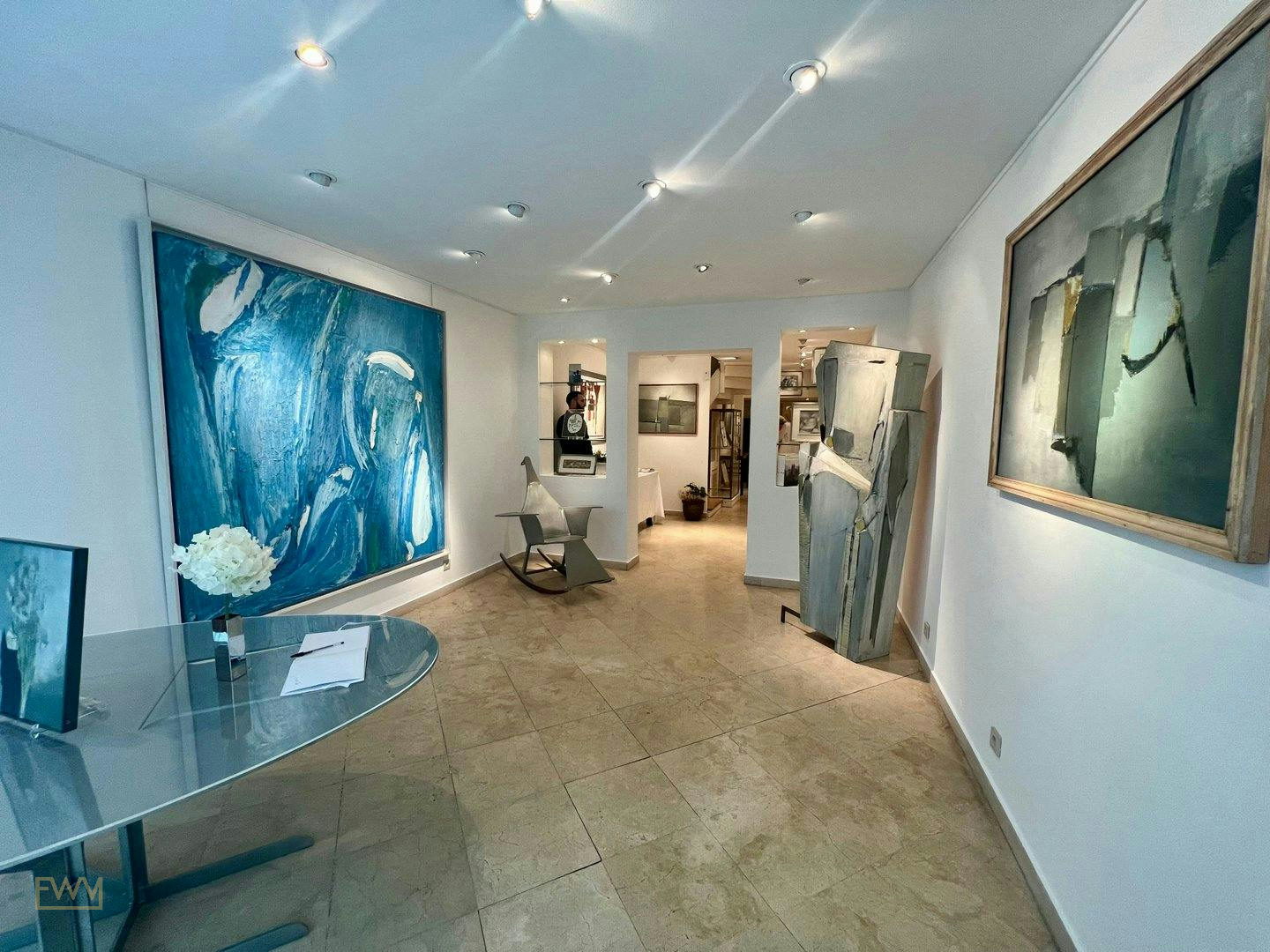
The Latin Quarter does not have the warehouse-scale spaces found in Downtown LA's Fashion District, Koreatown Los Angeles, or the industrial buildings near MacArthur Park. You will not encounter exposed ceilings at 16-foot height, cement floors, freight elevators, or the kind of industrial property building specifications typical of DTLA loft conversions. Instead, the space character here is defined by stone walls, parquet or tile floors, ornate cornicing, potentially low beamed ceilings in medieval sections, and windows that open onto animated streets or quiet inner courtyards.
For brands accustomed to sourcing spaces in New York, whether in Manhattan's Soho, on 96th Street, or across Brooklyn and Queens, or in the converted loft buildings of DTLA like the Biscuit Company Lofts, Cornell Lofts, or Spring Arts Tower, the adjustment to Latin Quarter spaces is primarily architectural and atmospheric rather than logistical. The fundamental commercial decisions, rent rate, term length, permitted use, fit-out responsibilities, and exit conditions, operate under French law and require a different legal and commercial framework.
Lease Structures and Short-Term Options in Paris
French commercial real estate operates primarily under the bail commercial, a standard long-term commercial lease typically structured on a 3-6-9 year basis. For short-term activations and pop-up retail, the relevant instrument is the bail dérogatoire, sometimes called a bail précaire, which permits short-term commercial occupation of up to 36 months without triggering the full protections and obligations of a standard bail commercial. A related instrument, the autorisation d'occupation temporaire or AOT, is used for public domain spaces and certain event venues.
IMPORTANT: The bail dérogatoire is not a simplified or informal arrangement. It has specific legal requirements, must be structured correctly in writing, and must be allowed to expire naturally without renewal triggering a conversion to a full bail commercial. Always verify the legal structure of any short-term lease with a qualified French legal advisor before signing.
Brands entering Paris from markets like New York, Los Angeles, London, or Dubai will find that the French commercial property system has fewer informal or platform-based rental mechanisms than markets like Manhattan or DTLA. Spaces are rarely listed on consumer-facing short-term rental platforms with straightforward transactional booking. Most quality Latin Quarter spaces are sourced through specialist agencies, property managers with local relationships, or through a space marketplace with dedicated French market knowledge.
KEY TAKEAWAY: The Latin Quarter's commercial property market rewards brands that plan early, work with specialists who understand the bail dérogatoire framework, and approach space selection with a clear brief. Attempting to secure a quality retail space in the 5th arrondissement on a short notice through generic real estate channels is unlikely to produce viable results for a time-sensitive activation.
With space types and lease structures established, it is essential to understand how the neighbourhood's specific geography and streets shape commercial opportunity, which the next section examines.
Neighbourhood Geography: Streets, Zones, and Foot Traffic in the Paris 5th Arrondissement
Quick answer: The Latin Quarter is not uniform in character or commercial potential. Boulevard Saint-Michel and its surrounding streets offer the highest tourist foot traffic, while the area around Place de la Contrescarpe and Rue Mouffetard skews more local and neighbourhood-oriented. Brands need to match their space location to their specific audience and activation objective.
The Paris 5th arrondissement divides into several distinct commercial micro-zones, each with a different pedestrian profile, rent rate environment, and brand positioning implication.
| Zone or Street | Character | Typical Retail Profile | Foot Traffic Profile |
|---|---|---|---|
| Boulevard Saint-Michel and surroundings | High tourist density, commercial | Mixed fashion, food, gifts | International tourists, students |
| Rue Soufflot to the Panthéon | Monumental, cultural tourism | Café, concept stores, heritage | Cultural tourists, Parisian professionals |
| Rue Mouffetard and Place de la Contrescarpe | Local market, village atmosphere | Independent food, lifestyle, boutique | Local residents, informed tourists |
| Rue de la Huchette and Rue Saint-Séverin | Dense tourist zone, narrow medieval streets | Restaurants, souvenir, niche retail | High-volume tourist foot traffic |
| Quai de la Tournelle and riverside streets | Scenic, lower retail density | Art galleries, specialist books, design | Promenaders, art and design audience |
Brands frequently compare the Latin Quarter to Le Marais when planning Paris activations. The Marais, centred on the 3rd and 4th arrondissements, has become highly commercialised and brand-saturated, with rents reflecting that demand. The Latin Quarter offers a cultural positioning that is arguably more distinctive precisely because it has not been as thoroughly colonised by international fashion brands. A pop-up shop or boutique activation in the 5th arrondissement communicates a deliberate editorial choice rather than a formulaic market-entry strategy.
Comparisons can also be drawn with Saint-Germain-des-Prés, which borders the Latin Quarter to the west in the 6th arrondissement. Saint-Germain-des-Prés has a higher concentration of established luxury fashion boutiques and art galleries, and its commercial rents typically reflect that positioning. Brands with budgets that do not reach Saint-Germain-des-Prés commercial rent levels may find that a well-chosen Latin Quarter address delivers comparable brand value at a more accessible rate.
TIP: When evaluating Latin Quarter spaces, walk the specific street at the time of day and day of week that corresponds to your target audience's behaviour. A street that is quiet on a Tuesday morning at 10am may be vibrant on a Saturday afternoon. Foot traffic analysis should be time-segmented, not simply assessed by neighbourhood reputation.
The question of how foot traffic interacts with space design and activation mechanics is one that Fashion Week Venues addresses through its activation management service, which includes audience mapping alongside physical space assessment.
KEY TAKEAWAY: Location within the Latin Quarter matters as much as location in the Latin Quarter. Brands should select their specific street and building position based on a clear understanding of their target visitor profile, activation format, and desired brand communication, not simply on the basis of postcode prestige.
Understanding the geographic layers of the Latin Quarter prepares brands to make informed decisions about space selection, but those decisions also need to be anchored in a realistic understanding of the financial structure of renting commercial property in Paris.
Commercial Rent, Rates, and Financial Considerations for Latin Quarter Retail Space
Quick answer: Commercial rent in the Latin Quarter varies significantly by street, size, condition, and lease structure. Short-term rates for pop-up activations are typically framed differently from standard bail commercial rates, and the total cost of a retail activation includes fit-out, permits, staffing, utilities, and operational costs beyond base rent.
Brands entering the Paris commercial property market from New York, Los Angeles, or other major cities will find that the French market does not publish standardised rate cards with the same transparency as some North American markets. While some platforms quote indicative figures such as rates around or above the equivalent of commercial market benchmarks, the actual rate for a specific space in the Latin Quarter will depend on factors including the precise street, the condition of the property, the landlord's preferences, the lease structure, the duration of the rental period, and whether the space is being offered through an intermediary or directly.
For brands used to thinking in terms of price per square foot per year, as is common in markets like Manhattan or in Downtown LA where rates are sometimes quoted at figures like $16.00/SF/YR in certain DTLA submarkets, the French market typically works on a price per square metre per year basis, and additional charges for charges locatives, taxe foncière contributions, and maintenance obligations can add meaningfully to the headline rent figure.
Total Cost of a Paris Pop-Up Retail Activation: Beyond Base Rent
The total cost of renting retail space in the Latin Quarter for a pop-up activation is not simply the base rent figure multiplied by the number of weeks. Brands need to account for the following cost categories:
| Cost Category | Description | Notes |
|---|---|---|
| Base rent | Monthly or weekly rental payment to landlord | Varies by space size, street, and term |
| Agency or marketplace fee | Fee for space sourcing, curation, and contracting | Varies by service model |
| Utilities | Electricity, water, internet, waste | Some spaces include utilities; verify in advance |
| Fit-out and production | Build, fixtures, furniture, signage, graphics | Significant variable cost; depends on brand brief |
| Permit and compliance costs | Bail dérogatoire legal review, signage permits, occupation permits | Do not omit; non-compliance risks activation |
| Staffing | Brand ambassadors, retail staff, security | French labour law applies; plan in advance |
| Reinstatement | Cost of returning space to original condition | Often required under French lease terms |
For brands planning activations during Paris Fashion Week, peak demand periods compress availability and typically push rates higher. Early planning, typically six to nine months ahead for premium spaces, is strongly recommended. Brands that approach the market two to four weeks before their intended activation date in a Fashion Week period are very likely to find that the most suitable spaces in the Latin Quarter, the Marais, and Saint-Germain-des-Prés have already been committed.
For budget estimation, Fashion Week Venues offers a budget planning tool that allows brand teams to model costs across different space sizes, durations, neighbourhood types, and service levels. This is a more reliable starting point than attempting to extrapolate from published commercial property rate data, which rarely reflects the full cost of a time-limited brand activation in a competitive Paris market.
IMPORTANT: Brands unfamiliar with French commercial property law should not sign any lease document, even a short-term bail dérogatoire, without independent legal review. The obligations and protections differ materially from Anglo-American lease structures, and misunderstanding the terms can create significant financial or operational exposure.
KEY TAKEAWAY: Base rent is only one element of the total financial commitment of renting retail space in the Latin Quarter. Brands that budget only for rent and underestimate fit-out, permit, staffing, and reinstatement costs routinely encounter budget overruns that compromise the quality of their activation.
Cost management is inseparable from the question of permits and compliance, which the next section addresses in the context of short-term retail activations in Paris.
Permits, Compliance, and Legal Frameworks for Short-Term Retail in Paris
Quick answer: Short-term retail activations in Paris operate under a specific legal framework that includes the bail dérogatoire for commercial premises and the autorisation d'occupation temporaire for certain public or institutional spaces. Signage, change of use, and public-facing operational permits are separate requirements. Requirements vary by space type, location, and duration.
One of the most common sources of difficulty for international brands entering the Paris market for pop-up activations is the assumption that securing the space is the primary legal challenge. In reality, the space lease is only the beginning of the compliance landscape. Operating a retail or brand activation space in Paris, and in the Latin Quarter specifically, involves multiple overlapping regulatory requirements that must be addressed before the first day of trading.
The Bail Dérogatoire and Its Limitations
The bail dérogatoire is the primary legal instrument for short-term commercial occupation in France. It permits tenancy of up to 36 months without triggering the full protections and obligations of the standard 3-6-9 year bail commercial. The bail dérogatoire must be agreed in writing at the time of signing, must state explicitly that both parties agree to derogate from the standard commercial lease protections, and must not be renewed in a manner that effectively converts it into a standard commercial lease.
A critical point for brands planning activations of less than three months, which is the majority of Paris Fashion Week-adjacent pop-up formats, is that the bail dérogatoire is appropriate in structure but must still be correctly drafted. Using a generic lease template sourced from a non-French legal environment, or assuming that a verbal or email agreement constitutes a valid short-term lease, creates significant risk for the brand and the landlord.
Signage, Facade, and Operational Permits
Beyond the lease itself, brands activating in Paris must address signage permits. In a protected historic area like the Latin Quarter, facade modifications, temporary signage, and window graphics are subject to review by the local mairie and in some cases by the Architectes des Bâtiments de France, who oversee modifications to buildings in protected zones. This is not a formality; rejections and required modifications are common, and the process takes time that brands frequently underestimate.
Change of use permits may be required if a space is being converted from one commercial use category to another, for example from a restaurant property or office space to a retail activation. A licensed contractor or permit specialist familiar with Paris arrondissement regulations is essential in these cases.
TIP: Use the permit guidance tool on Fashion Week Venues to understand which permit categories apply to your planned activation type, space classification, and neighbourhood. This is a starting point for planning; always verify final permit requirements with a qualified French legal or planning advisor.
Fashion Week Venues does not guarantee permit approval and does not provide legal advice. The permit tool is designed to help brand teams identify the relevant categories and plan their compliance timeline accordingly.
KEY TAKEAWAY: Permit and compliance planning for a Latin Quarter retail activation must begin at the same time as space sourcing, not after the space is confirmed. Brands that treat permits as an afterthought risk delays, fines, or enforced closure of their activation.
With the regulatory framework understood, brands are better positioned to think about what the actual activation should look, feel, and operate like, which is where concept direction and production planning become critical.
Designing and Producing a Pop-Up Retail Activation in the Latin Quarter
Quick answer: Effective pop-up retail design in the Latin Quarter requires balancing the physical character of Haussmann-era or medieval stone buildings with contemporary brand identity, working within permit constraints on facade and interior modifications, and creating an environment that serves both the brand's communication objectives and the practical needs of the visiting customer.
The Latin Quarter's architectural character is both an opportunity and a constraint for brands designing a retail activation. The opportunity lies in the visual richness of stone walls, original tile floors, parquet, ornate window frames, and the kind of atmospheric quality that no purpose-built retail unit can replicate. The constraint lies in the limitations that come with listed or partially protected buildings, the restrictions on permanent fixings, and the requirement to reinstate the space to its original condition at the end of the tenancy.
Working with the Architecture Rather Than Against It
Brands that have previously activated in industrial spaces, whether in DTLA's Fashion District, in converted warehouse buildings, or in the loft-style spaces common in Downtown Los Angeles creative districts, will need to recalibrate their design approach. In a DTLA warehouse conversion, exposed ceilings, cement floors, and freight elevator entrance ways are features that brands often emphasise as part of the aesthetic. Skylights, natural light flooding through industrial windows, and the raw concrete texture of a space like those found on streets near the LA Regional Connector transit zone create a specific kind of brand atmosphere.
In the Latin Quarter, the atmospheric materials are different: stone, plaster, oak, iron railings, and the particular quality of natural light filtered through tall Haussmann-era windows. A brand that designs its Latin Quarter activation to work with these materials, using them as a backdrop for product presentation rather than attempting to impose a contrasting industrial or ultra-minimalist overlay, will typically produce a more coherent and photographically compelling result.
Furniture, Fixtures, and Fit-Out Logistics
Fit-out logistics in the Latin Quarter require planning around narrow access streets, restricted delivery windows, and in some buildings, the absence of service lifts. Unlike an office building in a business district or a purpose-built retail centre, many Latin Quarter properties were not designed for commercial logistics. Furniture rental is a practical solution for brands that need flexibility without the cost and complexity of purchasing and storing custom furniture. Fashion Week Venues offers a production and build service that handles the fit-out process including coordination with local suppliers, compliance with building access restrictions, and reinstatement planning.
Lighting is a particularly important design decision in Latin Quarter spaces. While natural light through large street-facing windows is often generous during daytime hours, the depth of the space away from the facade may require supplementary lighting. Spotlights on track systems are frequently used in boutique retail environments and are relatively easy to install and remove without permanent modification. In some spaces with lower ceilings or period detailing, the lighting approach needs to be designed carefully to avoid creating a harsh or incongruous atmosphere.
DID YOU KNOW: Several of the most commercially successful pop-up fashion activations in Paris in recent seasons have deliberately chosen spaces with minimal modification, using the raw architectural character of the building as the primary visual element and allowing the product to contrast with, rather than compete against, the space.
To visualise how a specific space might look with your brand's design language applied, Fashion Week Venues offers an imagine tool for space visualisation before committing to a full production plan.
KEY TAKEAWAY: The most effective Latin Quarter pop-up activations treat the architecture as a design asset, not an obstacle. Brands that invest in concept direction early, before committing to a specific space, are better positioned to match their production brief to the physical and regulatory realities of the building they choose.
Concept and design decisions do not happen in isolation; they are part of a broader activation strategy that also includes staffing, customer experience, and the digital and social amplification that makes a physical pop-up commercially and brand-strategically viable.
Staffing, Operations, and Customer Experience for Latin Quarter Pop-Up Shops
Quick answer: Operating a pop-up retail space in Paris requires French-speaking staff, compliance with French labour regulations, a clear operational structure covering opening hours, payments, security, and customer experience, and a plan for managing the specific foot traffic patterns of the Latin Quarter neighbourhood.
A physical retail activation is only as effective as its operational execution. The most beautifully designed pop-up store in the Latin Quarter will underperform if the staffing is inadequate, the payment process is cumbersome, or the customer experience fails to convert foot traffic into meaningful brand engagement. For international brands activating in Paris, French labour law introduces requirements that differ materially from those in New York, Los Angeles, London, or Dubai, and these must be factored into both the operational plan and the budget.
Retail Staffing in Paris: Key Requirements
Brand ambassador and retail staff working in Paris must be employed or contracted in accordance with French labour regulations. This includes correct contract structures, compliance with minimum wage requirements, payroll obligations, and in some cases, sector-specific collective bargaining agreements that apply to the retail and events industries. International brands that assume they can simply assign existing employees from their home market to a Paris activation without addressing French employment compliance are taking a significant legal and financial risk.
Language capability is practically important in the Latin Quarter. While the neighbourhood's tourist profile means that English is widely spoken among visitors, a Latin Quarter retail activation that cannot communicate in French will miss a significant proportion of Parisian customers and local cultural influencers who form part of the neighbourhood's regular audience. Bilingual or French-speaking brand ambassadors are essential, not optional.
Fashion Week Venues provides a retail staffing service that sources and manages brand-trained French-speaking staff for Paris activations. This removes the compliance burden from the brand team and ensures that the activation is supported by staff who understand both the brand and the local market context.
Payments, POS Systems, and Retail Operations
Point-of-sale infrastructure for a Paris pop-up must handle card payments in euros, comply with French fiscal receipt requirements, and ideally support contactless payment and international card formats. Cash remains more prevalent in some Paris retail environments than in equivalent New York or Los Angeles contexts, though card payment is universally accepted across the Latin Quarter.
For brands using data and analytics to measure activation performance, having a POS system that captures transaction data, dwell time, and conversion metrics is increasingly standard practice. Fashion Week Venues integrates POS and analytics through its POS and payments service, which provides brands with operational data to evaluate the commercial performance of their activation against pre-defined metrics.
TIP: Plan your opening hours to align with the Latin Quarter's specific foot traffic patterns. The neighbourhood experiences significant lunchtime foot traffic on weekdays due to the student and professional population, heavy tourist flow on weekend afternoons, and a distinct evening pedestrian culture particularly in the summer months. A rigid 10am to 6pm retail schedule may not optimise engagement with all of these audience segments.
KEY TAKEAWAY: Operational planning for a Latin Quarter pop-up must address staffing compliance, language capability, payment infrastructure, and opening hours calibrated to the neighbourhood's specific foot traffic patterns. Brands that treat operations as secondary to design consistently underperform against brands that invest equivalent attention in both.
With the operational framework in place, brands need to connect their physical activation to the wider digital and social ecosystem that amplifies reach and drives both in-store visits and brand awareness beyond the Latin Quarter itself.
How Fashion Week Venues Supports Latin Quarter Retail Activations
Quick answer: Fashion Week Venues provides end-to-end support for brands seeking to rent retail space in the Latin Quarter, from initial space discovery and venue sourcing through concept direction, production, activation management, staffing, and post-activation analytics. The agency combines a curated space marketplace with specialist Paris market knowledge and a suite of planning tools.
For brand teams approaching a Latin Quarter activation, whether for the first time or as a repeat Paris market entry, the volume of decisions involved can be considerable. Space selection, lease negotiation, permit planning, fit-out production, staffing, payments, and digital amplification all need to proceed in a coordinated sequence and on a timeline that respects both the fashion calendar and the realities of the Parisian property market. Fashion Week Venues is structured to manage this coordination on behalf of the brand, allowing the creative and commercial team to focus on the brand strategy rather than the operational mechanics.
The agency's venue sourcing service draws on an established network of Latin Quarter properties, landlords, and property managers to identify spaces that match a brand's specific brief, size requirements, budget, and timeline. This is not a generic property search; it is a curated shortlisting process that applies market knowledge and activation experience to eliminate unsuitable options before they consume the brand team's time and attention.
Beyond space sourcing, the agency's concept direction service helps brands translate their identity and activation brief into a coherent spatial and experiential strategy that works within the Latin Quarter's architectural context. This includes moodboarding, spatial planning, material selection, and the kind of design brief that informs both the production team and any local architect or contractor involved in the fit-out.
For brands that want to explore the Paris market before committing to a specific space or service package, the Paris city hub on Fashion Week Venues provides neighbourhood-level market intelligence, space category overviews, and direct access to the marketplace. The city hub also connects to the timeline planning tool, the budget calculator, and the ROI calculator, giving brand teams a comprehensive picture of what a Latin Quarter activation would require in terms of time, money, and resource.
Fashion Week Venues also offers a twin concept for co-activations, where two complementary brands share a single space in a coordinated format. This model is particularly relevant in the Latin Quarter, where medium-size spaces of 105 m2 to 155 m2 may offer more commercial and spatial potential when occupied by two brands in a curated co-activation than by a single brand that cannot fill the space with sufficient product depth or experiential programming.
It is important to understand what Fashion Week Venues does not provide. The agency does not guarantee space availability, permit approval, sales outcomes, or specific ROI. The Latin Quarter property market is competitive, and the best spaces in any given calendar window are typically secured well in advance. Fashion Week Venues provides specialist knowledge, market access, and operational support; the brand team's early engagement with the process is the single most important factor in achieving a successful outcome.
KEY TAKEAWAY: Fashion Week Venues provides the most value to brand teams that engage early, come with a clear brief, and treat the agency as a strategic partner rather than a last-minute logistics provider. For Latin Quarter activations, early engagement means at least six months ahead for Fashion Week-adjacent windows and at least three months ahead for off-peak activations.
To compare the Latin Quarter against other Paris neighbourhoods and other global fashion capitals in terms of space availability, cost structure, and brand positioning, the next section provides a structured framework.
Comparing the Latin Quarter with Other Paris Neighbourhoods and Global Fashion Capitals
Quick answer: The Latin Quarter occupies a distinct positioning in the Paris retail landscape, offering cultural credibility, diverse foot traffic, and architectural character at rates that are generally more accessible than the Marais or Saint-Germain-des-Prés. Compared to global alternatives in New York, London, Milan, or Dubai, Paris as a market offers unmatched brand positioning for fashion activations, with the Latin Quarter providing a specific cultural register within that market.
Brand teams making location decisions for Paris activations frequently evaluate the Latin Quarter against the Marais, Saint-Germain-des-Prés, and occasionally the 1st or 8th arrondissements. At the global level, the same brands are simultaneously comparing Paris against New York, London, Milan, Tokyo, and Dubai as activation markets. This section provides a structured framework for both comparisons.
Latin Quarter vs Other Paris Neighbourhoods
| Neighbourhood | Arrondissement | Brand Positioning | Space Availability | Rate Environment | Foot Traffic Profile |
|---|---|---|---|---|---|
| Latin Quarter | 5th | Cultural, intellectual, editorial | Limited, specialist sourcing required | Moderate to high | International tourists, students, cultural visitors |
| Le Marais | 3rd and 4th | Fashion-forward, brand-saturated | Good but competitive | High to very high | Fashion consumers, LGBTQ community, tourists |
| Saint-Germain-des-Prés | 6th | Established luxury, intellectual heritage | Limited, premium | Very high | Affluent Parisians, high-end tourists |
| Opera and Grands Boulevards | 9th and 2nd | Commercial, accessible, emerging | Moderate | Moderate | Office workers, domestic tourists, shoppers |
| Canal Saint-Martin | 10th | Creative, independent, contemporary | Moderate | Moderate | Young Parisian creatives, design-aware visitors |
For brands that want to hold simultaneous activations in two Paris neighbourhoods, the twin co-activation model offered by Fashion Week Venues through its twin concept page provides a framework for coordinating dual-location strategies, which can extend reach across both tourist-facing and Parisian-resident audiences.
Paris vs Other Global Fashion Capitals for Pop-Up Activations
Paris Fashion Week remains the gravitational centre of the global fashion calendar, and the Paris market's brand positioning advantages are structural rather than merely reputational. A pop-up shop or showroom activation in Paris during Fashion Week generates media visibility, buyer access, and influencer reach that very few other cities can match at equivalent investment levels. London, Milan, New York, Tokyo, and Dubai all offer viable and valuable activation environments, but for brands whose target audience includes the European luxury consumer, the global fashion press, and the international buyer community, Paris is the primary market.
Fashion Week Venues operates city hubs across all six of these markets, allowing brands to coordinate multi-city strategies with consistent service quality and market-specific expertise. For brands comparing Latin Quarter activations against Downtown LA Fashion District spaces, Manhattan showrooms, or event venues in Dubai or Tokyo, the agency's compare tool provides a structured framework for side-by-side evaluation of spaces, rates, and logistical requirements.
KEY TAKEAWAY: The Latin Quarter's specific combination of cultural credibility, diverse foot traffic, and architectural distinctiveness makes it a compelling first choice for brands seeking to establish or reinforce a culturally serious positioning in Paris, particularly when budgets do not support the premium rate environment of Saint-Germain-des-Prés or Le Marais.
Paris Fashion Week Calendar and Timing Your Latin Quarter Activation
Quick answer: Paris Fashion Week occurs twice annually, in late February or early March for womenswear Autumn/Winter collections, and in late September or early October for womenswear Spring/Summer collections. Additional Haute Couture and Menswear weeks create further activation windows. The Latin Quarter is viable for activations during and between these calendar peaks, with demand patterns that brands must understand to optimise their timing.
The fashion calendar structures the Paris retail activation market in ways that do not apply in other major cities. During Paris Fashion Week windows, the concentration of international buyers, press, influencers, celebrities, and brand teams in the city creates a demand environment for quality spaces that bears no relation to the general commercial property market. A space that might be available on a standard short-term lease in a quieter period may be committed at significantly higher effective rates during Fashion Week windows, and availability for last-minute enquiries during peak periods is extremely limited.
For the Latin Quarter specifically, the Fashion Week windows represent both an opportunity and a challenge. The opportunity lies in the elevated density of fashion-aware visitors in the city who may actively seek out activations in neighbourhoods beyond the Marais. The challenge lies in competing for space and visibility against the concentration of activations in more traditionally fashion-coded areas of Paris.
Brands that activate in the Latin Quarter during Fashion Week benefit from being able to offer a different kind of experience from the brand-saturated Marais corridor. A thoughtfully designed pop-up in a historic Latin Quarter building, positioned as a cultural event rather than a commercial pop-up, can generate distinctive editorial coverage precisely because it is unexpected in that context.
Activations outside the Fashion Week calendar windows are also viable in the Latin Quarter and offer the advantage of reduced competition for space, lower effective rates in some cases, and a more considered engagement with the neighbourhood's resident and cultural audience. Brands that treat Paris as a year-round market rather than a twice-annual activation opportunity often find that sustained presence in the Latin Quarter, through a sequence of shorter activations across the calendar year, builds deeper relationships with the Parisian audience than a single Fashion Week-timed event.
TIP: Use the timeline planning tool to map your activation windows against the fashion calendar, permit processing timelines, fit-out schedules, and staff sourcing lead times. The tool helps identify the critical path for a Latin Quarter activation and flags where lead time compression creates risk.
KEY TAKEAWAY: Fashion Week calendar windows are not the only viable timing for a Latin Quarter activation, but they are the most competitive in terms of space availability and pricing. Brands should begin planning at least six months ahead for Fashion Week-adjacent activations and at least three months ahead for any other window.
Common Myths About Renting Retail Space in Paris Debunked
MYTH: International brands need a French legal entity to rent a retail space in Paris.
FACT: While having a French entity simplifies some administrative processes, it is not an absolute requirement for all short-term retail arrangements. International brands can structure short-term activations through appropriate contractual and fiscal mechanisms, often with the support of a specialist agency. The specific requirements vary by lease type, duration, and space category. Always verify with a qualified French legal and tax advisor before assuming either that a French entity is required or that it is unnecessary.
MYTH: Paris Fashion Week is the only viable calendar window for a brand activation in the Latin Quarter.
FACT: The Latin Quarter attracts significant foot traffic from international tourists, cultural visitors, and Parisian residents throughout the year. Activations outside the Fashion Week calendar can be highly effective, often benefit from reduced competition for space, and allow brands to engage more deeply with the neighbourhood's resident and cultural audience. The Haute Couture and Menswear calendar weeks also provide additional Fashion Week-adjacent windows beyond the main womenswear collections.
MYTH: A commission broker is the only reliable way to find a short-term retail space in the Latin Quarter.
FACT: Commission brokers are one channel for space discovery, but they are not the only option and in some cases not the most suitable one for short-term brand activations. Specialist agencies with dedicated space marketplaces, established landlord networks, and experience in short-term activation formats can provide more relevant options with greater transparency on total costs. A curated marketplace approach designed specifically for fashion and brand activations offers different advantages from a general commercial real estate brokerage.
MYTH: Short-term commercial leases in France are legally straightforward and can be arranged quickly without specialist help.
FACT: The bail dérogatoire has specific legal requirements that must be correctly documented to be valid. Using incorrect or informal lease structures can create legal and financial exposure for both the brand and the landlord. International brands unfamiliar with French commercial property law are particularly vulnerable to misunderstanding the obligations and protections that apply. Specialist legal review of any short-term lease is strongly recommended, regardless of the apparent informality or brevity of the arrangement.
MYTH: Signing a lease for a Latin Quarter space is the main compliance hurdle for a Paris pop-up activation.
FACT: The lease is the beginning of the compliance process, not the end. Signage permits, facade modification approvals, change of use authorisations, fiscal registration requirements, and labour compliance for staffing are all separate requirements that must be addressed before the activation can operate. In a protected historic area like the Latin Quarter, the facade and signage compliance process alone can take several weeks and may require architect involvement.
Frequently Asked Questions About Renting Retail Space in the Latin Quarter
Why should a fashion brand rent a pop-up shop in the Paris 5th arrondissement?
The Paris 5th arrondissement, which encompasses the Latin Quarter, offers fashion brands a combination of cultural credibility, diverse and engaged foot traffic, and distinctive historic architecture that is difficult to replicate in other Paris neighbourhoods. The area attracts international tourists, local cultural consumers, students, and design-aware visitors who form a valuable audience for brands positioned at the intersection of fashion and culture. Unlike the more brand-saturated Marais, the Latin Quarter allows a brand to differentiate its Paris presence with an editorial positioning rather than a formulaic one. The neighbourhood's proximity to Saint-Germain-des-Prés also extends the catchment area for any well-promoted activation.
What is the difference between a bail dérogatoire and a standard commercial lease in France?
A standard French commercial lease, known as a bail commercial, is typically structured on a 3-6-9 year basis and grants the tenant significant legal protections including the right to renew and certain compensation rights on termination. A bail dérogatoire is a short-term commercial lease that allows occupation for up to 36 months without triggering the full protections of the standard bail commercial. It must be explicitly agreed in writing at the time of signing. It is the appropriate instrument for most pop-up and short-term retail activations in Paris, but it must be correctly drafted to be legally valid. Requirements vary by space type, duration, and specific circumstances, so always verify with a qualified French legal advisor.
How far in advance should a brand begin looking for retail space in the Latin Quarter?
For activations timed to Paris Fashion Week windows, the recommended lead time is at least six months. The most desirable spaces in the Latin Quarter and other central Paris neighbourhoods are committed well in advance of peak periods, and brands that begin their search two to four weeks before their target activation date will face very limited availability. For off-peak activations, a three-month lead time is the minimum recommended, with longer lead times providing more options and better negotiating position. The timeline planning tool available through Fashion Week Venues can help brand teams map the critical path from brief to activation day.
What size of retail space is typically available for pop-up activations in the Latin Quarter?
Retail spaces available for short-term activation in the Latin Quarter typically range from approximately 45 m2 for compact boutique-format spaces to around 230 m2 for larger ground floor units in historic buildings. The most commonly available size range for pop-up activations is between 55 m2 and 155 m2. Very large format spaces of the kind found in industrial districts of Downtown LA or converted warehouse buildings are not typical in this neighbourhood. The architectural character of the 5th arrondissement means that even medium-size spaces have a distinct visual presence that can support a compelling brand activation with the right concept and production approach.
Do international brands need a French company to rent retail space in Paris?
A French legal entity is not an absolute requirement for all short-term retail arrangements in Paris, but the specific requirements depend on the lease structure, the duration of the rental, the nature of the brand's operations, and the applicable fiscal and labour obligations. Some arrangements can be structured through appropriate contractual and agency mechanisms that do not require the brand to establish a French entity. However, the fiscal and employment compliance obligations of operating a commercial space in France apply regardless of corporate structure. This is an area where qualified French legal and tax advice is essential before making any commitments.
What permits are required to operate a pop-up retail activation in the Latin Quarter?
The permit requirements for a Latin Quarter pop-up activation typically include the correct commercial lease instrument, signage and facade permits reviewed by the local mairie, and in some historic buildings, approval from the Architectes des Bâtiments de France. If the space is being converted from one commercial use category to another, a change of use permit may be required. Operational permits covering public-facing commercial activity, fiscal registration, and staff employment must also be addressed. The specific requirements vary by space type, building category, duration, and arrondissement. The permit guidance tool on Fashion Week Venues helps identify the relevant categories, but final verification with a qualified French legal or planning advisor is always required.
How does the Latin Quarter compare to the Marais for a fashion brand pop-up?
The Marais is more established as a fashion destination and attracts a higher concentration of fashion-specific foot traffic, particularly during Fashion Week periods. However, its very popularity means that it is more brand-saturated, more competitive for space, and in some cases more expensive. The Latin Quarter offers a cultural positioning that is distinct from the Marais and can be more powerful for brands seeking editorial differentiation rather than fashion-crowd visibility. The ideal choice between the two neighbourhoods depends on the brand's specific positioning, target audience, activation format, and budget. Some brands choose to activate in both simultaneously using a co-activation model.
Can a brand from outside Europe operate a retail pop-up in Paris without prior French market experience?
Yes, international brands without prior French market experience regularly activate successfully in Paris, including in the Latin Quarter. The key factors for a successful first Paris activation are specialist local support for space sourcing and permit navigation, a brand team that is willing to engage with the specific requirements of French commercial and labour law, and sufficient lead time to address compliance requirements without time pressure. Working with a specialist agency that understands the Paris market, the French legal framework, and the specific character of the target neighbourhood significantly reduces the risk associated with a first Paris activation.
What are the main costs involved in renting retail space in the Latin Quarter beyond base rent?
The total cost of a Latin Quarter retail activation typically includes base rent, any agency or marketplace fees, utilities such as electricity, water, and internet where not included in the rent, fit-out and production costs covering build, fixtures, furniture, signage, and graphics, permit and legal compliance costs, retail staffing including employment or contracting costs under French labour law, POS and payment infrastructure, and reinstatement costs to return the space to its original condition. The fit-out and staffing categories are frequently underestimated by brands planning their first Paris activation. The budget planning tool on Fashion Week Venues provides a structured model for estimating total activation costs across all categories.
How does Fashion Week Venues help brands find and activate retail spaces in the Latin Quarter?
Fashion Week Venues provides end-to-end support including venue sourcing through an established network of Paris landlords and properties, concept direction to translate brand identity into a spatial strategy suited to the Latin Quarter's architectural context, production and build management for fit-out and fixtures, activation management covering operational coordination, retail staffing, POS and payments, and post-activation analytics. The agency also provides a suite of planning tools including a budget calculator, ROI calculator, timeline planner, permit guidance tool, and space comparison tool. The Paris city hub on Fashion Week Venues provides neighbourhood-level market intelligence and direct access to available spaces in the marketplace.
Is the Latin Quarter suitable for fashion showroom activations as well as retail pop-ups?
Yes, the Latin Quarter is well-suited to fashion showroom activations, particularly for brands whose buyer and press audience has an appreciation for cultural context and distinctive spaces. A showroom in a historic Latin Quarter building can create a memorable presentation environment that differentiates the brand from the more conventional showroom formats used in dedicated trade buildings. The 105 m2 to 230 m2 space category is typically appropriate for showroom formats, depending on the number of collections being presented and the expected volume of appointments. The neighbourhood's proximity to the Left Bank hotel clusters also makes it accessible for international buyers and press visiting Paris during Fashion Week.
What is a twin co-activation and is it relevant for the Latin Quarter?
A twin co-activation is a format in which two complementary brands share a single space in a coordinated and curated way, dividing the space to create a combined offer that is more compelling than either brand alone. This model is particularly relevant in the Latin Quarter for medium-size spaces of 105 m2 to 155 m2 where a single brand's product range or budget may not optimally fill the space. A well-chosen brand pairing can also extend the combined reach and audience of the activation, create editorial interest in the collaboration itself, and share the total cost of the space and production. The twin concept is available through Fashion Week Venues for brands interested in exploring this format.
Are there restrictions on signage and window graphics for pop-up shops in the Latin Quarter?
Yes, the Latin Quarter falls within areas of Paris where facade modifications, signage, and window graphics are subject to regulatory review. As a neighbourhood with significant architectural heritage, buildings in the 5th arrondissement may be subject to review by the local mairie and in some cases by the Architectes des Bâtiments de France. Temporary signage formats that comply with local regulations and that do not require permanent fixings to the facade are generally more straightforward to approve than permanent or large-format signage. Brands should address signage compliance as part of their permit planning process and allow sufficient time for review and potential modification requests before the activation launch date.
How does foot traffic in the Latin Quarter differ from fashion-specific retail districts?
The Latin Quarter's foot traffic is more heterogeneous than in dedicated fashion districts. Rather than a concentrated audience of fashion consumers, the 5th arrondissement draws international tourists visiting cultural sites, students from the Sorbonne and other institutions, Parisian residents doing local shopping and dining, and design-aware cultural consumers who are not necessarily fashion-specific in their primary motivation. This diversity can be an advantage for brands whose customer base extends beyond the core fashion audience, or for brands seeking to reach fashion-adjacent consumers who would not typically visit a Marais pop-up. It requires a more versatile activation concept that communicates clearly to multiple audience types simultaneously.
What should a brand team do first when considering a Latin Quarter pop-up activation?
The first step is to define a clear activation brief that specifies the brand objectives, target audience, space size requirements, preferred location within the neighbourhood, budget envelope including all cost categories beyond base rent, and the target activation dates relative to the fashion calendar. With a clear brief in hand, the next step is to engage a specialist agency or marketplace with established Latin Quarter market knowledge and to use planning tools to model the timeline, budget, and permit requirements before committing to any specific space. Beginning the process with a clear brief and realistic timeline is the single most important factor in achieving a successful Latin Quarter activation outcome.
Conclusion: Making the Decision to Rent Retail Space in the Latin Quarter
The Latin Quarter in Paris's 5th arrondissement represents one of the most distinctive and strategically interesting locations in the global fashion activation landscape. For brands seeking to go beyond the expected, to communicate cultural seriousness alongside commercial ambition, and to reach a genuinely diverse and engaged Paris audience, the neighbourhood offers architectural character, foot traffic variety, and brand positioning power that few other addresses can match. Whether you are planning a compact 45 m2 capsule pop-up, a 155 m2 showroom activation timed to Paris Fashion Week, or a longer-format boutique presence that builds over successive seasons, the Latin Quarter rewards brands that approach it with preparation, specialist support, and a genuine engagement with the neighbourhood's particular character.
The commercial and legal framework for short-term retail in Paris, centred on the bail dérogatoire and the associated permit requirements, is navigable with the right expertise, but it is not forgiving of shortcuts or assumptions imported from other markets. Early planning, specialist legal review, and a comprehensive total-cost budget are the foundations of a successful activation. Design that works with the architecture rather than against it, staffing that is linguistically and culturally equipped for the Latin Quarter audience, and a digital strategy that amplifies the physical activation all contribute to the commercial and brand return on a Latin Quarter investment.
To move from research to activation, start exploring available spaces on the Fashion Week Venues marketplace and build a focused brief for your target neighbourhood, space type, and calendar window. The Paris city hub, planning tools, and specialist activation team are available to support every stage of the process, from initial space discovery to post-activation performance review.